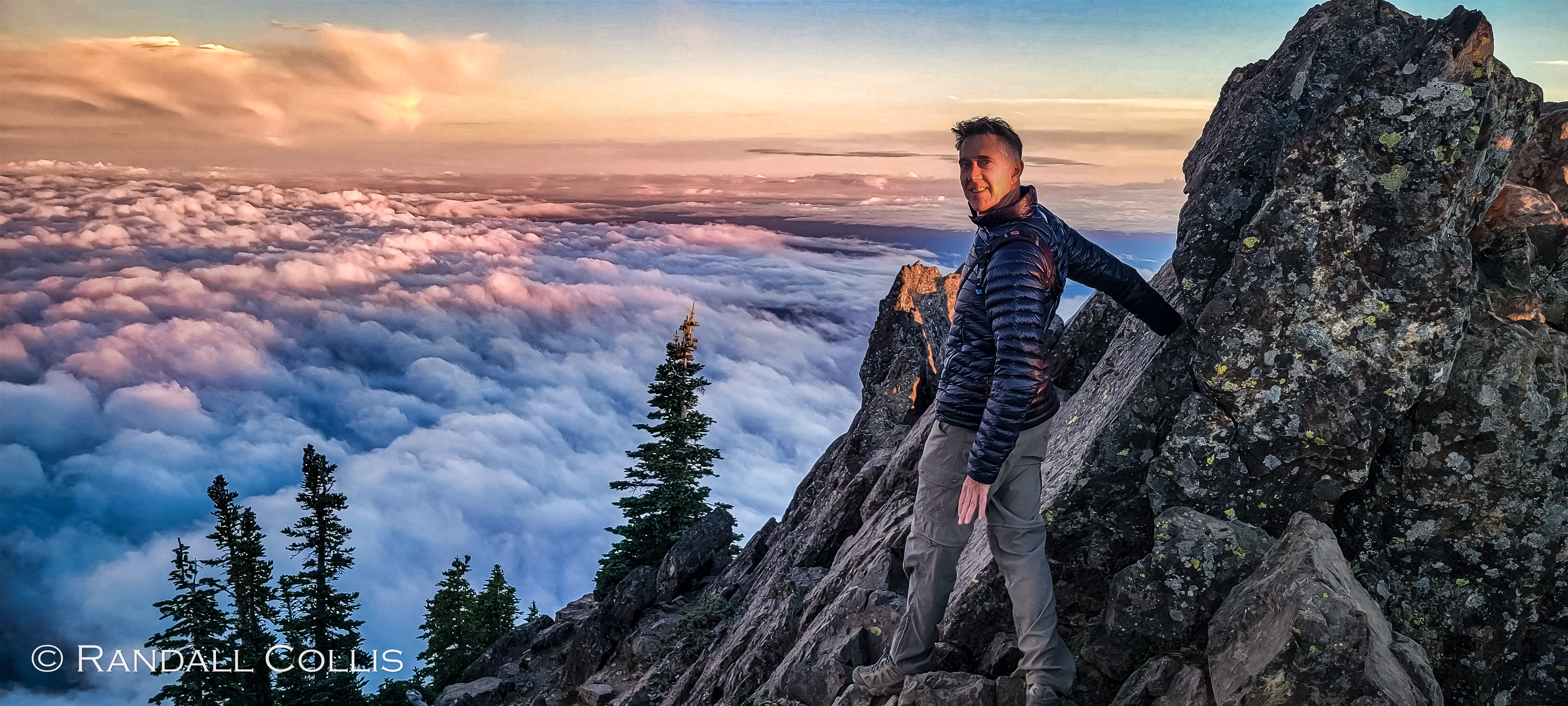

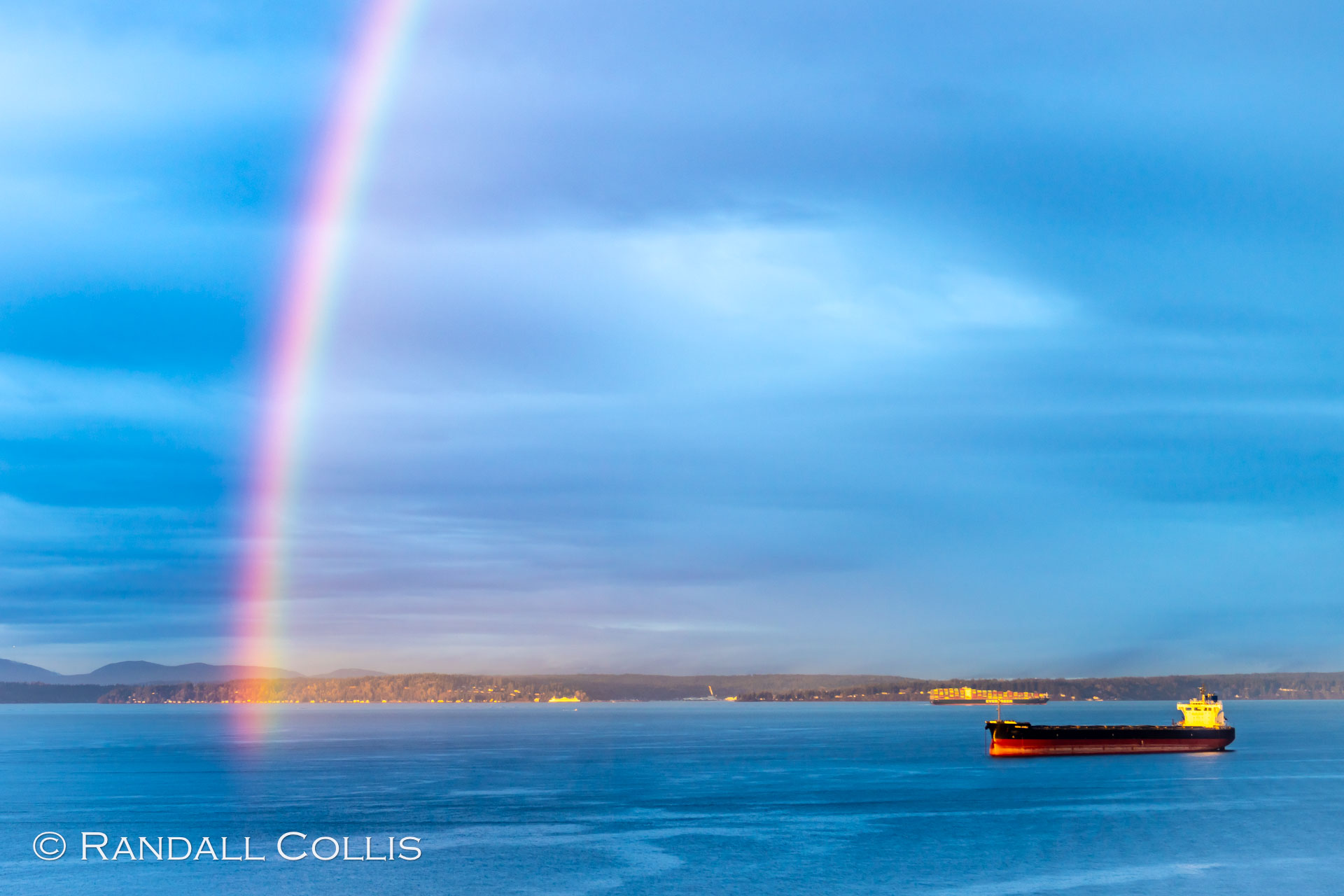
Light fills the cabin, waking me from my stupor; a few photons work their way in, scattering behind my eyes into a rainbow of color. I try to figure out where I am.
Out the window, the glimmer of the sun on water — the Puget Sound, in the Pacific Northwest.
A welcome sight.
With an ocean behind me, I begin to put distance between myself and wars that won’t end and economies of doubt. For months I’ve been stretched to the verge of snapping. Every day, the noise ratcheted tighter. Rarely have I felt worse.
I need silence.
Ahead, solitude waits; the airplane and my mind begin their descent into the scene below.

Unpacking my bags, physical and mental, I wait for the tension to let go. My camera bag lies there, yet I push it into the corner.
I close my eyes, and the door of my inner universe teases open; the blinding light fades into a quiet wilderness. Few feelings are more underrated than vanishing from the rush of reality and diving into the tranquility of thought — revisiting my island universe to regroup, then stepping out into the world again.
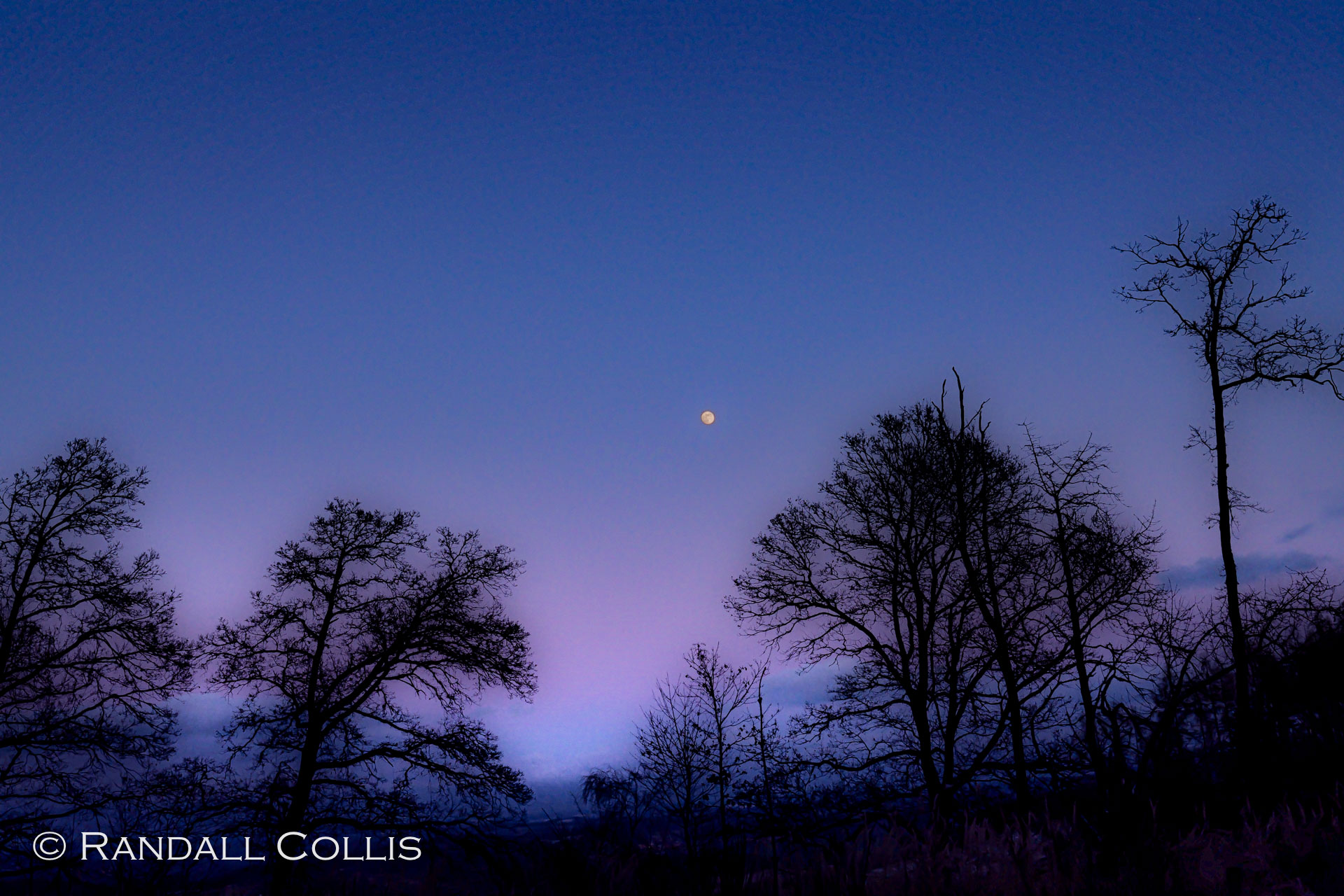
“This is so like you…” Her voice, an echo I’ve long missed, reassures me.
Eleven time zones east in Hong Kong, and she’s still the first voice that arrives whenever I go quiet. The love never left; we just couldn’t make our lives fit the same frame.
Hearing her voice still brings back nights on the balcony of our flat overlooking the harbor, neither of us able to sleep.
I’ve written about this inner world, these island universes, before:
“We live together, we act on, and react to, one another; but always and in all circumstances we are by ourselves… doomed to suffer and enjoy in solitude… We can pool information about experiences, but never the experiences themselves. From family to nation, every human group is a society of island universes.”
— Aldous Huxley, The Doors of Perception, 1954
Huxley’s idea has always appealed to me. If we are island universes, I’ve spent much of my life wondering whether solitude is our fate, or whether love is a waterway between us.
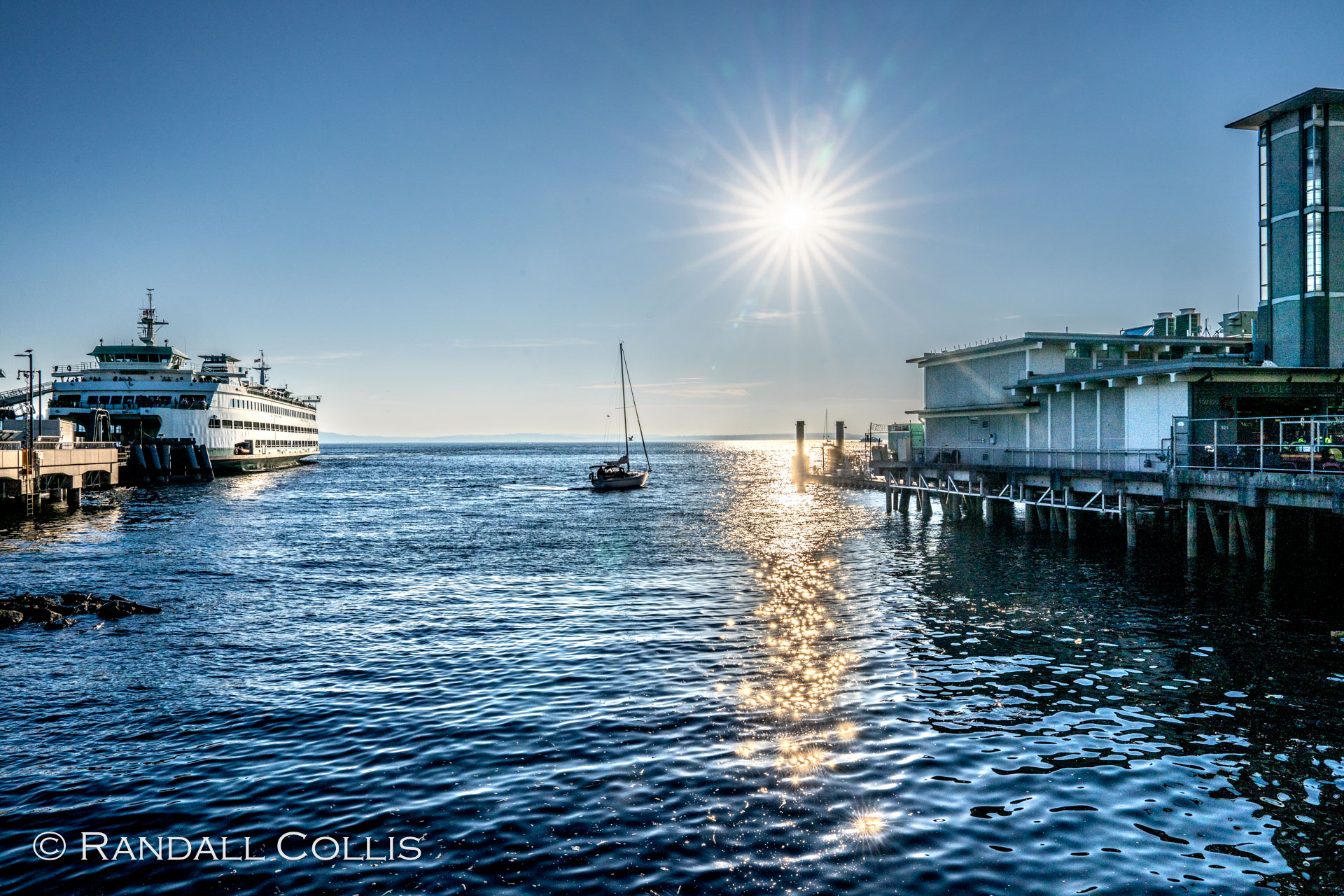

Sometimes I wonder whether my mind holds more than one island universe — one for each of the three places I wander during the year.
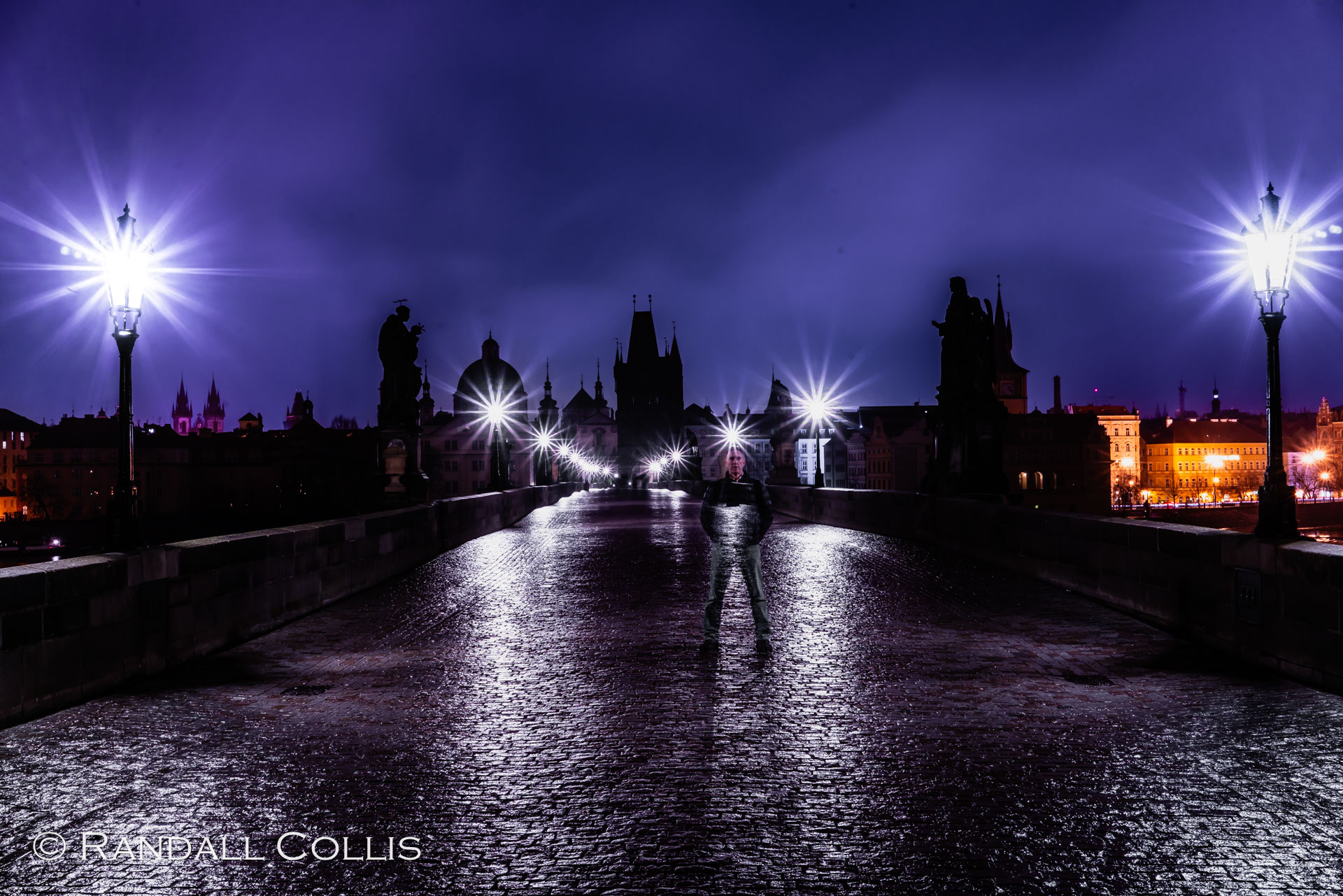
Czechia, where I work, with cobblestone streets always leading me somewhere. The USA, my birthplace, where the horizon keeps its distance no matter how far I drive. Hong Kong, where my adventures started and where the Star Ferry crosses the harbor, whether I’m on it or not. She takes it most mornings.
Three archipelagos, each with its own weather. Places to stretch my mind, learn a little, and then step back out into reality and do what I do.
“And just what is it you do?” her voice whispers from one of those universes. Nine years of this question, and I never had an adequate answer. I still don’t.
“That, I’m still not sure,” I say. “But I know I need such escapes to keep my sanity — to ask questions, to learn, to recover enough curiosity to step back into the fire.” I laugh at how this might sound to an outsider.
“And I think there’s a bit of romanticism in Huxley as well,” I add, thinking of the water stretching between all these islands. “He makes the waters so vast, so distant. I know it’s impossible to penetrate another person’s universe — but it’s intoxicating to get as close as you can.”
We cannot enter another person’s inner world. We can reach their shoreline: through laughter, a touch, or a silence that doesn’t need to be filled.

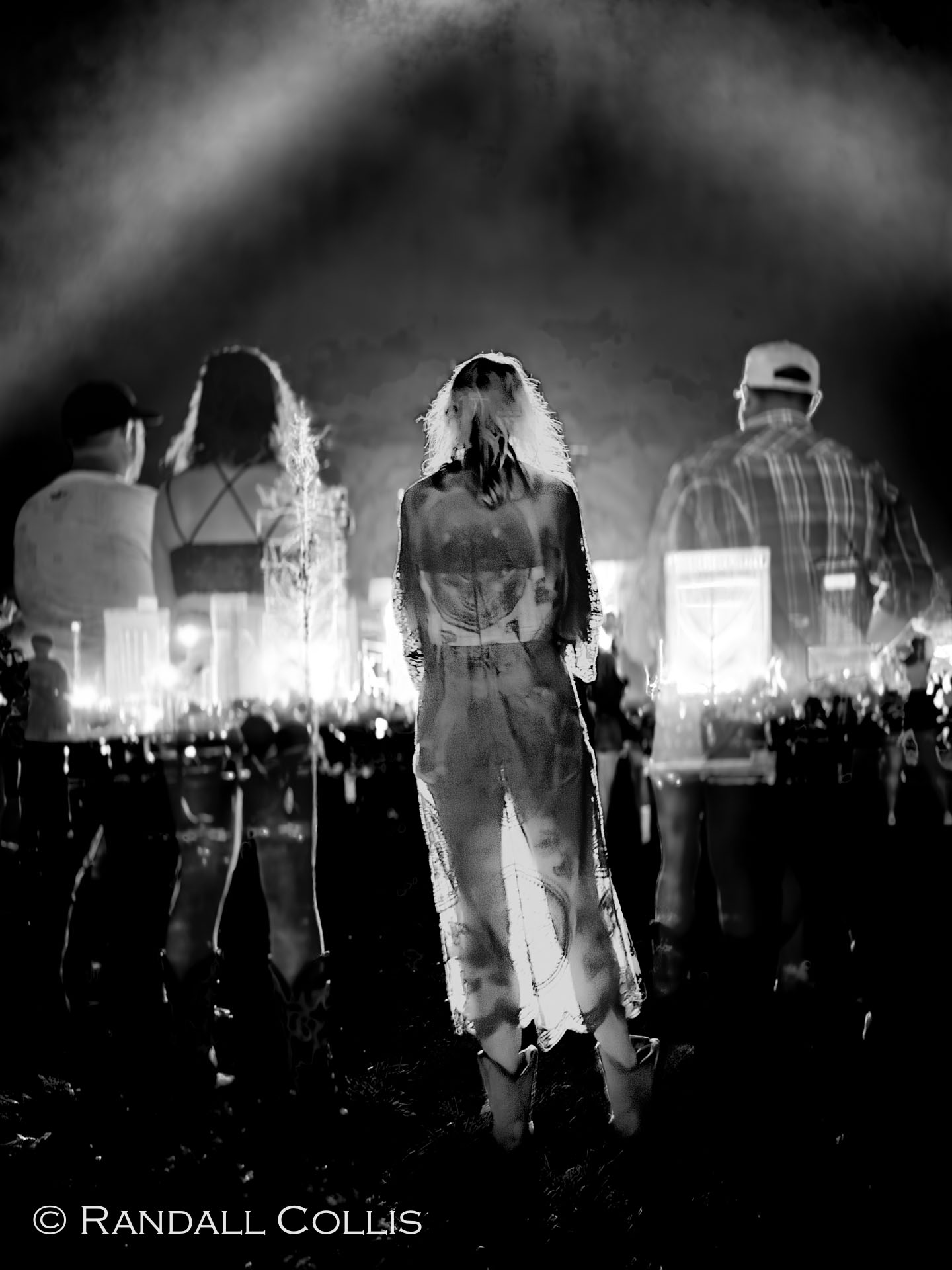
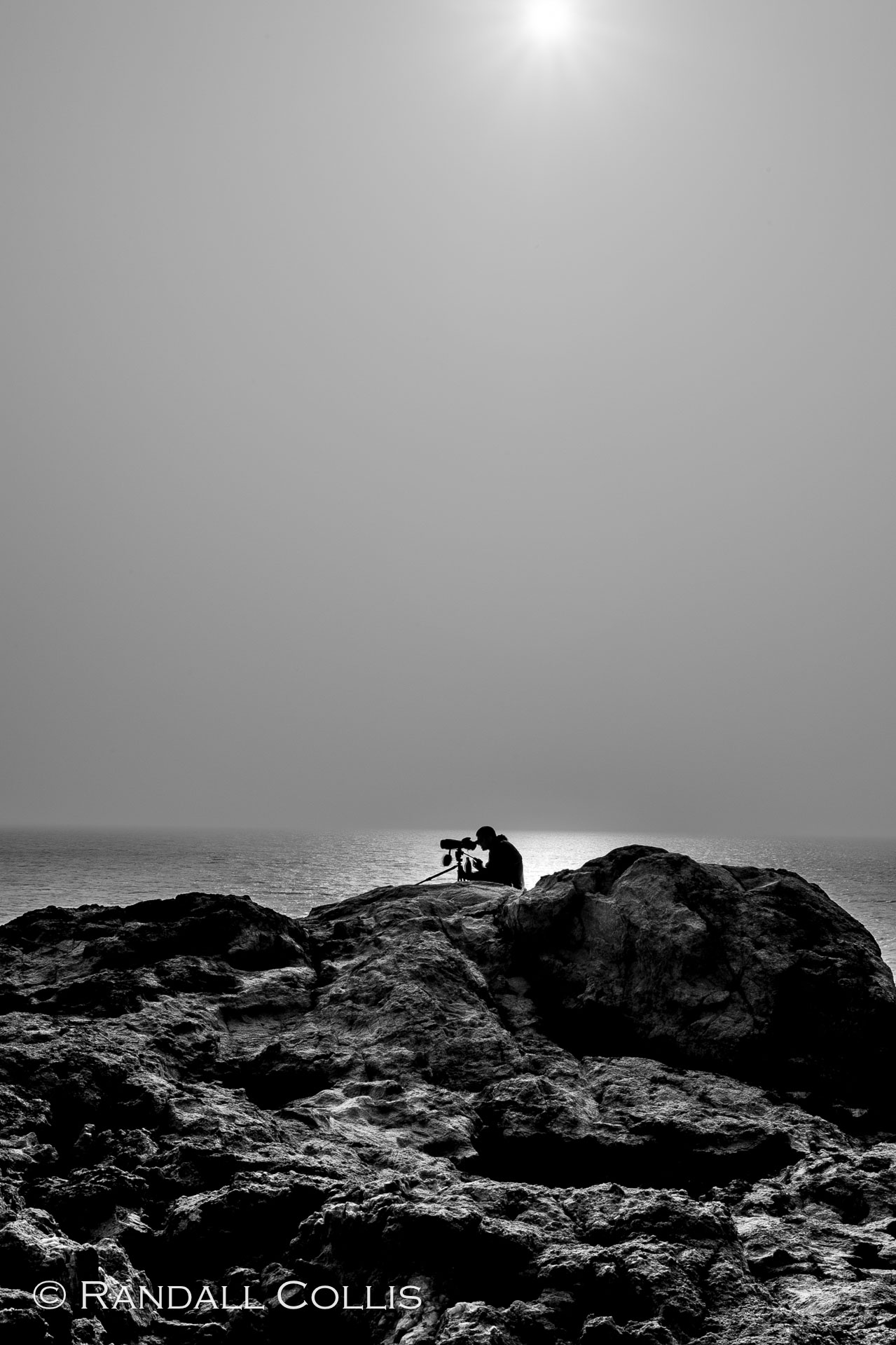
These days, though, I’m exhausted from swimming. The noise of the world has latched onto me, and along with my jet lag, I’m dialed into one time zone of eternal crisis.
Silhouettes of reality flit and dance on the wall of my cave, mimicking the racket of the real world. I’m numb.
I rub my temples in frustration and look out into an impenetrable haze. The outlines of forests and mountains are lost to me, obscured by the noise. A ceaseless static, distorting the landscape, distorting reality.
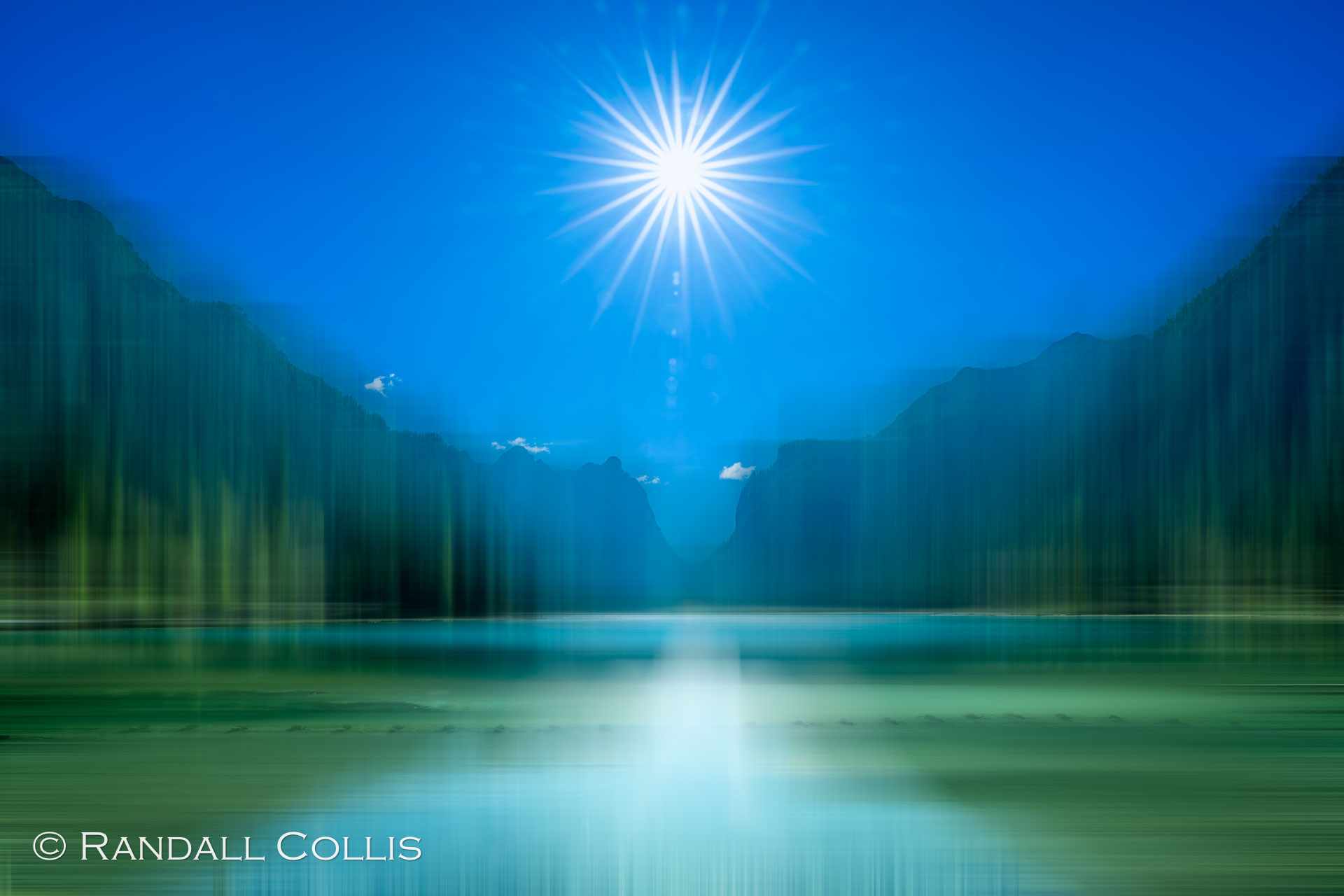
Drifting in and out of fog, my phone rings as I drive over Snoqualmie Pass, Lake Keechelus glistening and ice-cold on my right. Decades ago, after a night swim in that lake, I remember explaining the concept of “shrinkage” to an old girlfriend, years before I met her — laughing, mimicking an old Seinfeld episode.
“Ah, those years of being an idiot… the good old days,” I say to myself. Such memories pause the blur of activity. I watch my phone light up and keep driving toward home. I wonder where this solitude is, the one I thought I’d slide into the moment I landed.
The road climbs, straightens, empties out.
It rings again. I switch the phone off.
In the difficult hours, her voice usually returns — from that quiet place where the people we love continue speaking inside us.
I wait for her to answer. She doesn’t.
I check my speed. I check the gas gauge. I check it again. The GPS says I’m behind schedule. I don’t know what for. Pendleton is three hours out.
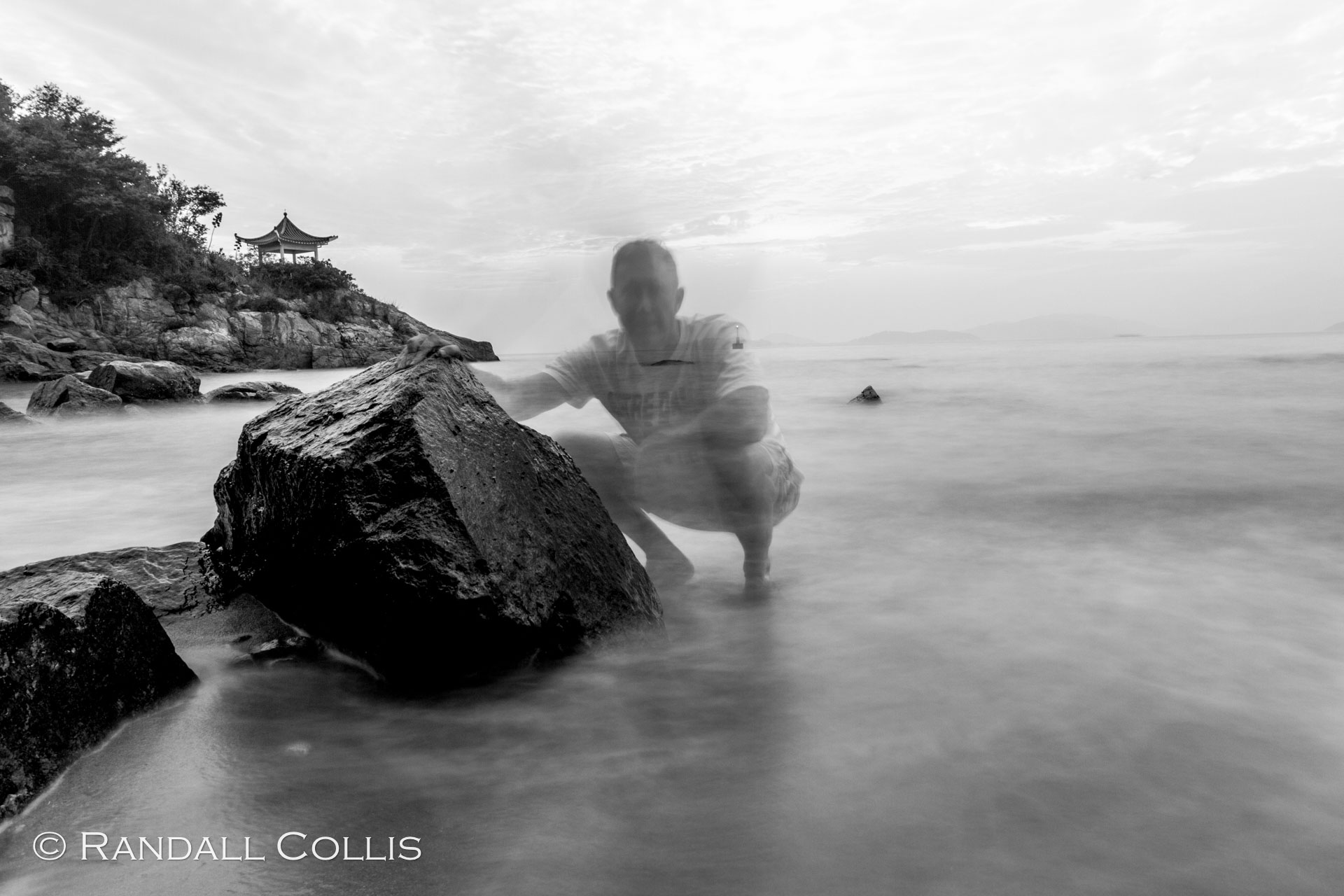
Solitude.
My thoughts drift back to the writing of Michel de Montaigne:
“We must reserve a back shop all our own, entirely free, in which to establish our real liberty and our principal retreat and solitude.”
— Michel de Montaigne, Of Solitude (Essays, Ch. 39), 1580
And here I am, unable to find my “back shop.”
Montaigne anticipated this too: my flight home does not, by itself, grant me solitude.
“It is not enough to have gotten away from the crowd, it is not enough to move; we must get away from the gregarious instincts that are inside us.”
— Michel de Montaigne, Of Solitude (Essays, Ch. 39), 1580
Geography is not the cure.
I can’t outrun noise and expect to arrive in silence. The work follows me.
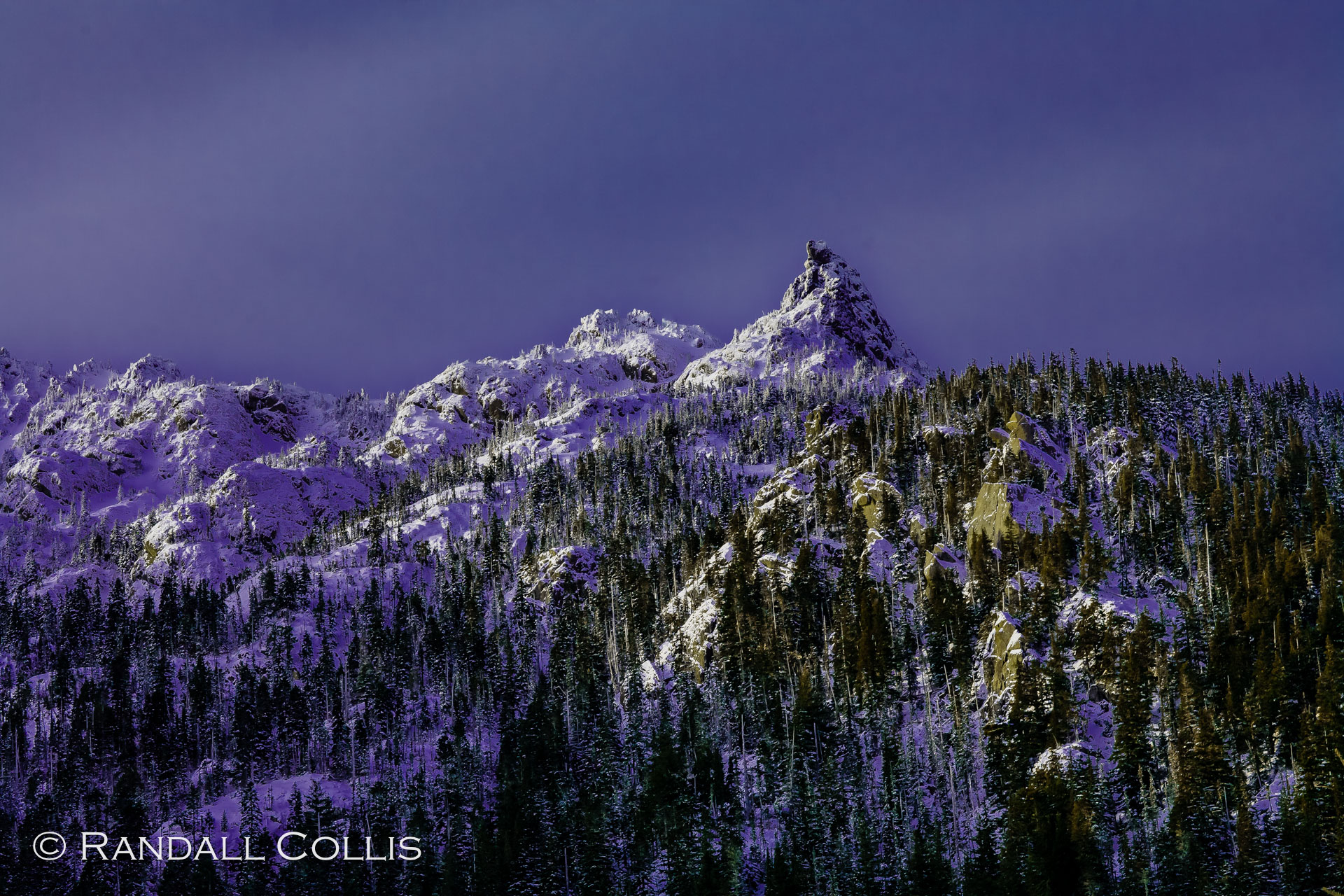
Taking another sip of coffee — bitter and tepid an hour out of Seattle — I drive on. The Cascades fall behind me, giving way to the high desert.
After so many years on the road, the one thing I’ve learned is that getting lost in thought is easy, whether in a Buddhist temple or the middle of Times Square. The “back shop” of the mind is always open, no matter where I am. But it can’t be entered by wishing it so.
I flip the radio station with impatience. The growing list of summer obligations piles up, and with it, guilt and frustration. I turn off the radio.



The warm summer breeze welcomes me with a soft kiss as I step out of my car and soak in the evening in my hometown. I feel a shift inside. Within minutes, I’m in the middle of a concert, sound and motion all around me. Despite the energetic chaos, I discover stillness.
What world am I living in? With my arm around my nephew, Riley, and my niece Lauren, one of our favorite songs begins. The fiddle and steel guitar set the mood, and we fall into rhythm.
It’s a beautiful feeling. Conversation flowing, laughter filling the air, the people I love beside me. For a brief moment, all reality asks is that I’m there.
Dust mixes with the light, and the smell of the wheat fields fills the air. I’m truly home.
All week I’d been hunting silence. Here is the opposite of solitude as I imagined it — yet solitude arrives anyway. The world hasn’t become quieter. I’ve stopped trying to outrun the noise I carry within me.
Solitude sought only as an escape is not solitude at all. It’s madness, carried alone somewhere no one else can hear it.
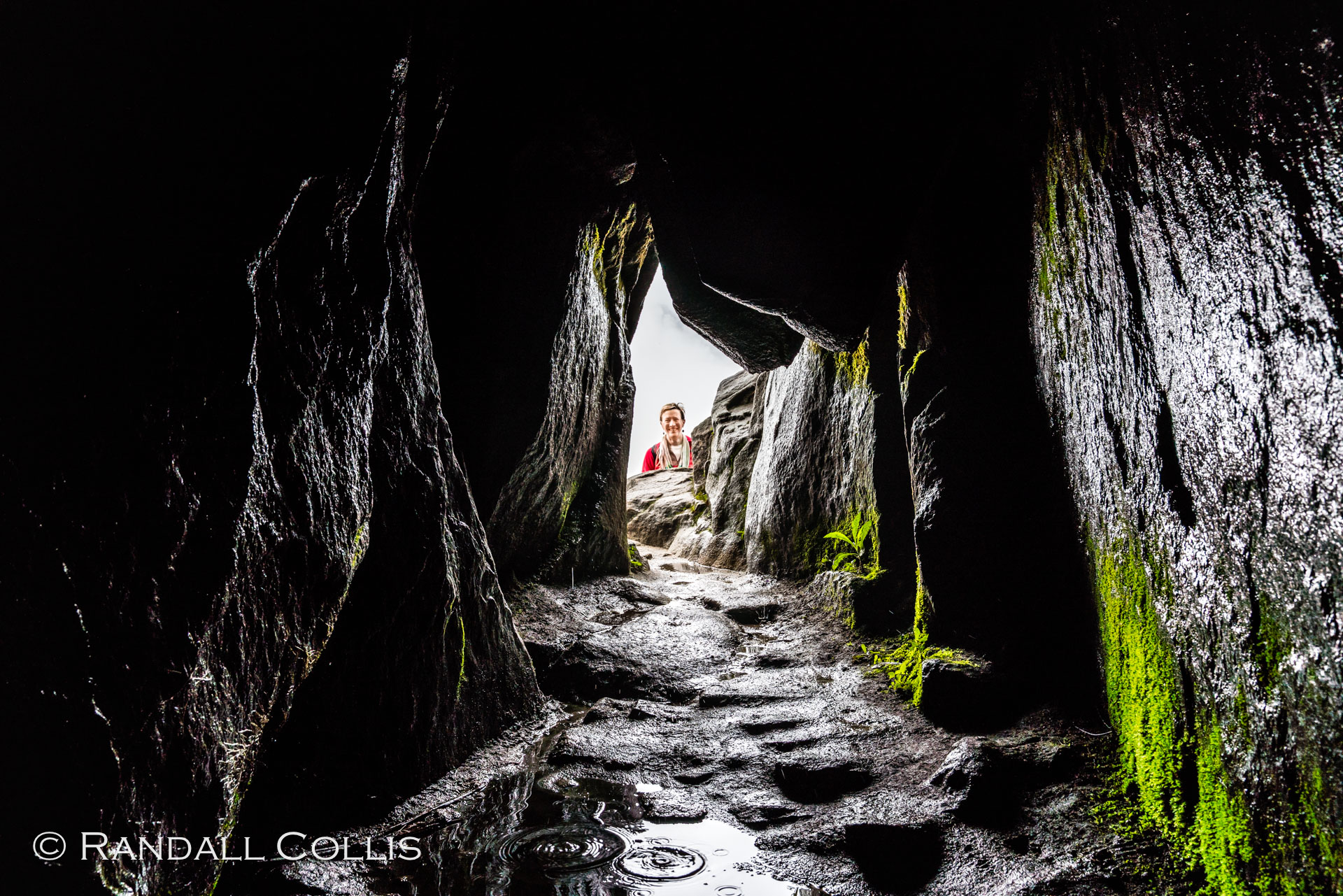
Climbing out of seclusion, I watch the world rush back in.
Inside solitude, I find I’m never alone. The people I love reside there as well: their voices, their jokes, their way of viewing the world. They are the bridge between my island universe and theirs — a seemingly insurmountable distance, crossed sometimes, and never for long.

Then Lauren tells me she and Connor are engaged — another gift of the summer, and I’m surprised by the brightness it brings.
I’ll always feel the need to escape the chaos of reality. But freedom is refusing to choose solitude over reality, or reality over solitude — remaining able to cross between them. I look at Lauren and Connor and see two people who’ve already learned this.


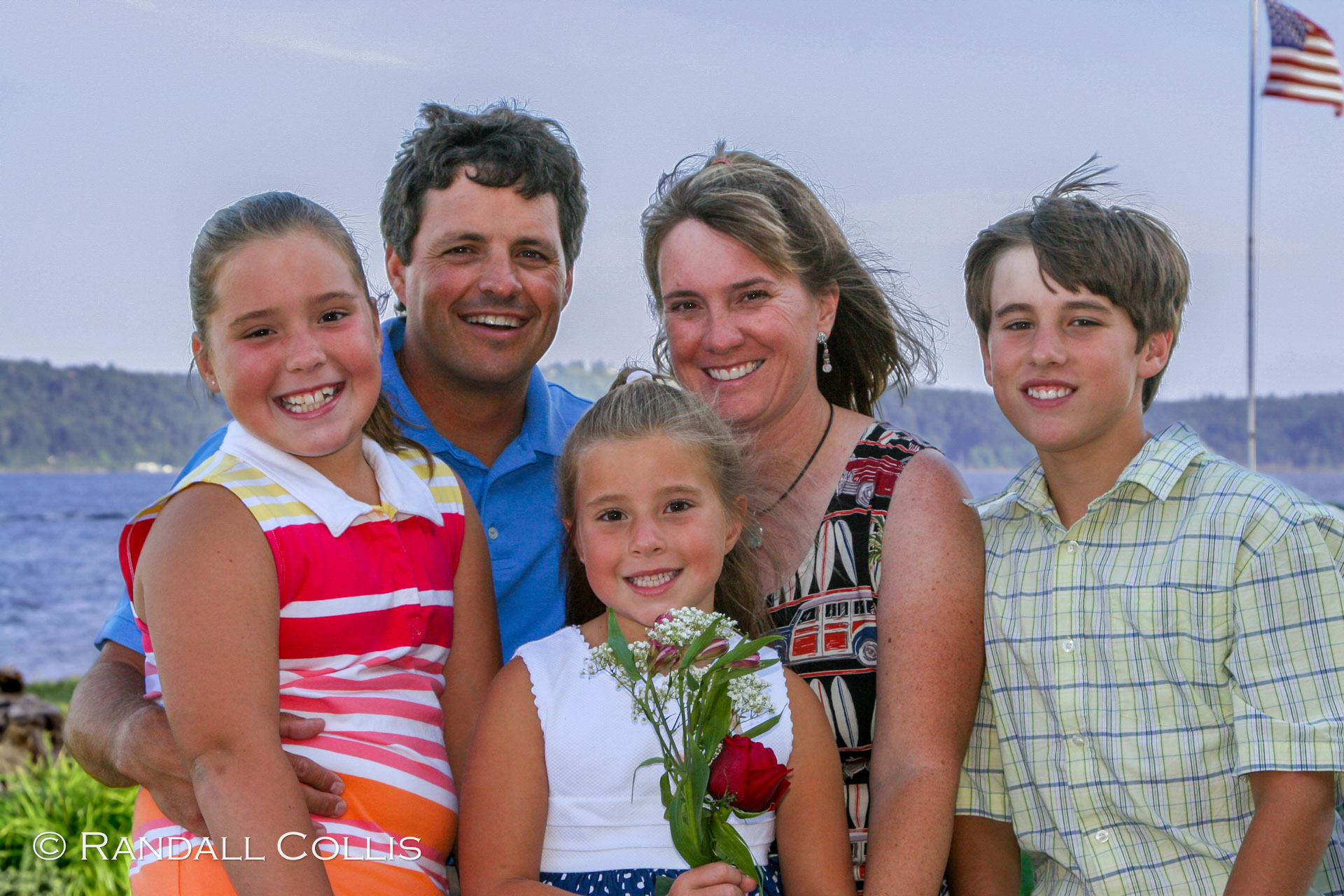
On the patio the next morning, I turn my phone back on. Two missed calls from the afternoon I spent driving away from everyone. Nothing urgent. Just Mom, wanting to know when I’d be home.
She comes out of the kitchen with a smile and our coffee, and sits down beside me.
My family is one island universe, continually spiraling into others. The Lebanese-American poet Kahlil Gibran wrote of such a moment:
“But let there be spaces in your togetherness, and let the winds of the heavens dance between you… Love one another, but make not a bond of love: let it rather be a moving sea between the shores of your souls.”
— Kahlil Gibran, The Prophet, 1923
A love that never erases either person’s separate life.
Her voice returns, “Love is the longing for the half of ourselves we have lost” — Plato’s old story, and hers now too. “The meeting of two beautifully separate universes, each changed by the other.” I pick up my phone.
We managed our separate lives. It was the togetherness we couldn’t hold. I don’t call.
For the first time all week, my mind is quiet. Her voice is quiet — and with that, I lift the camera.



Leave a Reply