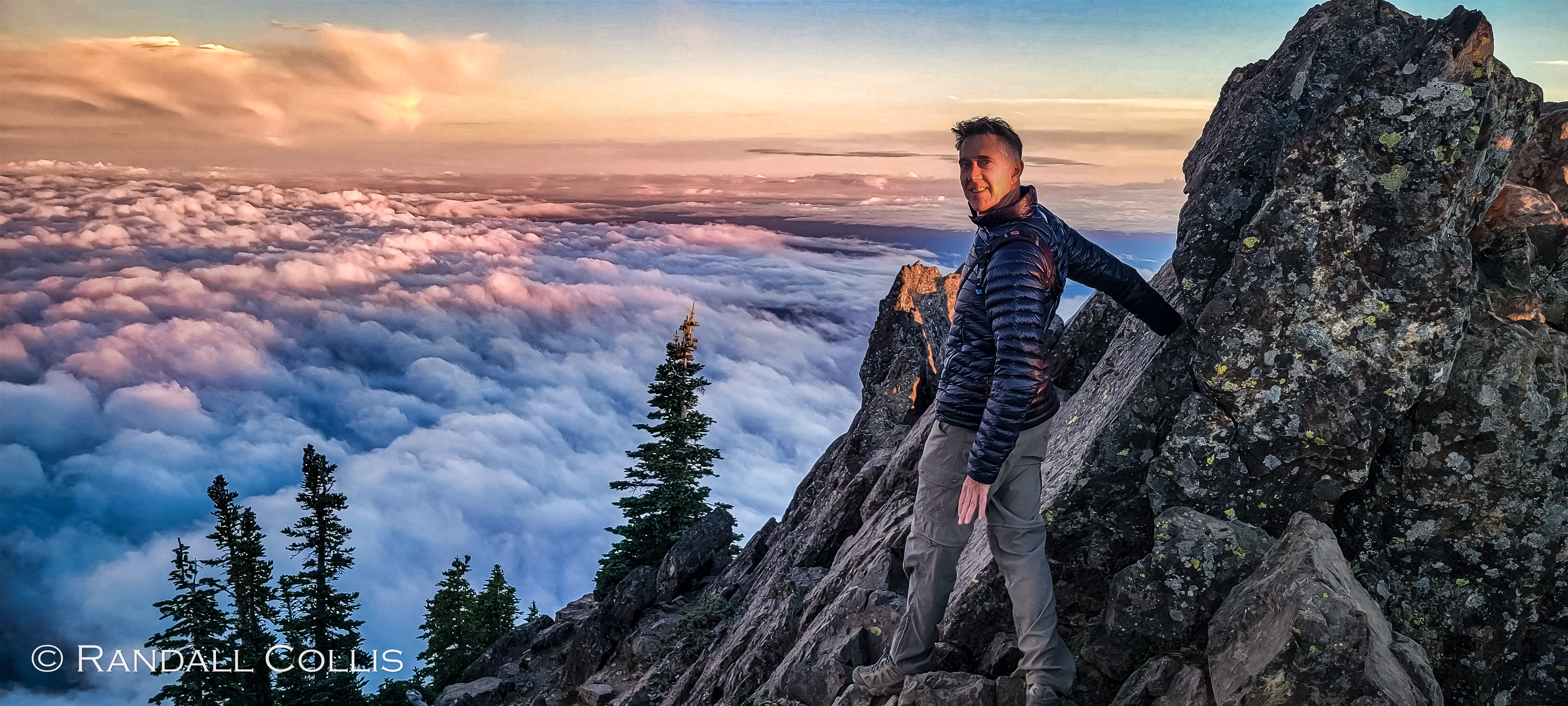

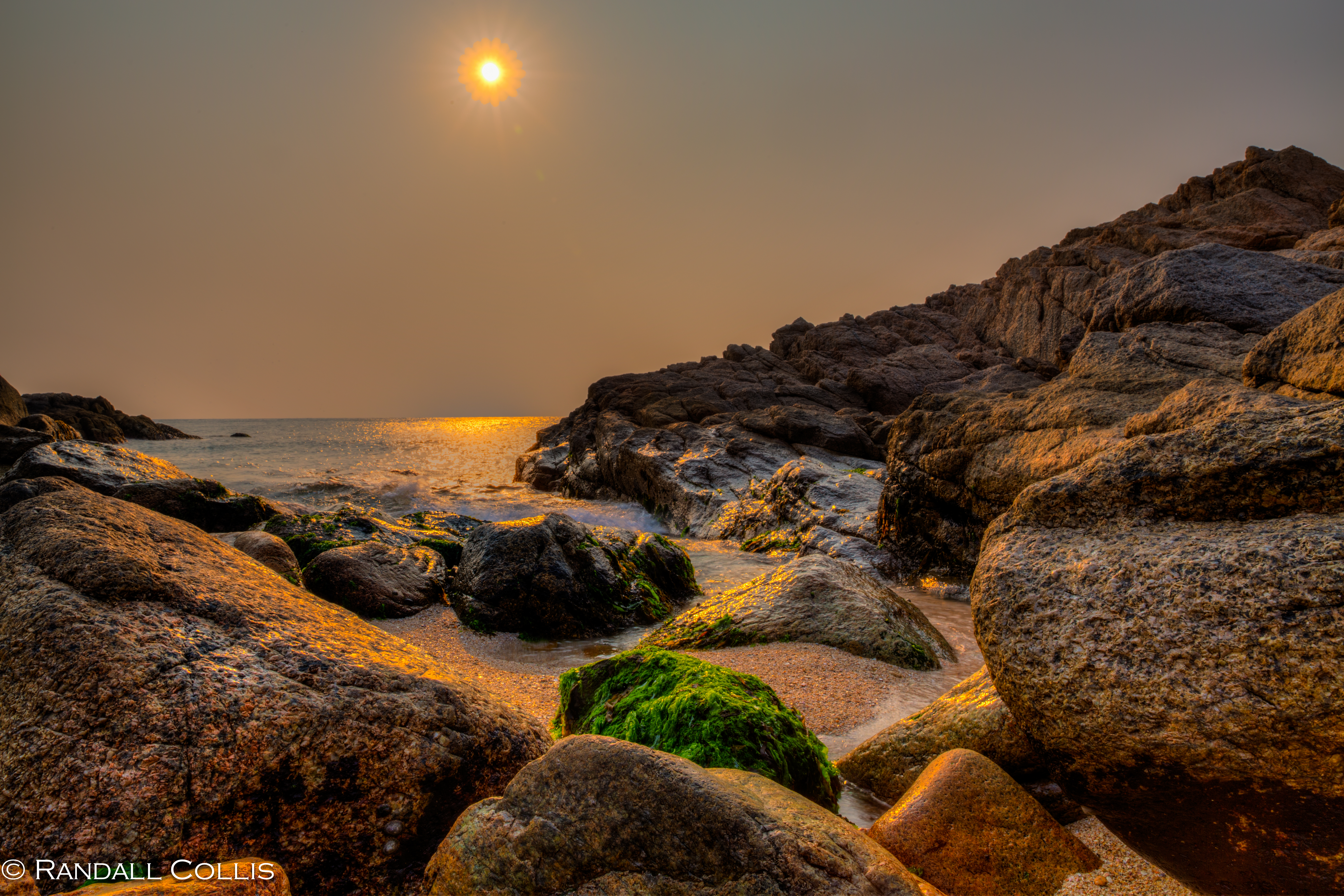
In my previous post on the ‘Blue Hour’, I suggested that capturing the blue hour poses a greater challenge in terms of achieving optimal exposure compared to the golden hour. A number of people disagreed with me, citing that shooting into the sun (and handling the glare of the sun) was much more challenging to manage.
Granted, these two aspects of shooting a sunset can be difficult, but my point was that if you are shooting the sun, it is your only subject. There are no other distractions to worry about, and if you are not incorporating the sun into your shot, you have the greatest light in the world to work with. Conversely, with a lack of light and quickly changing shadows on your subject during the blue hour, the photographer needs to juggle more variables and therefore an inherently more difficult task.
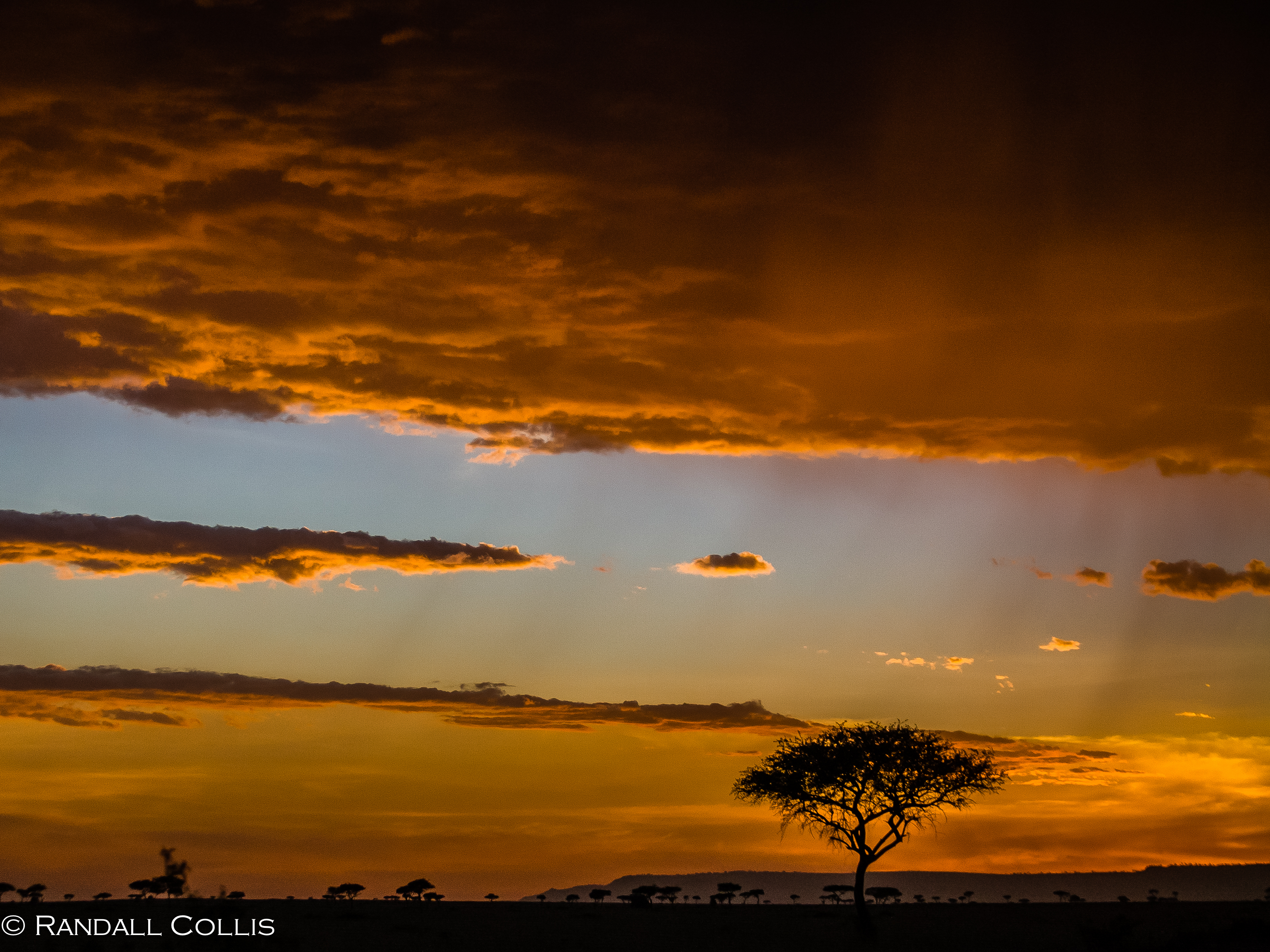
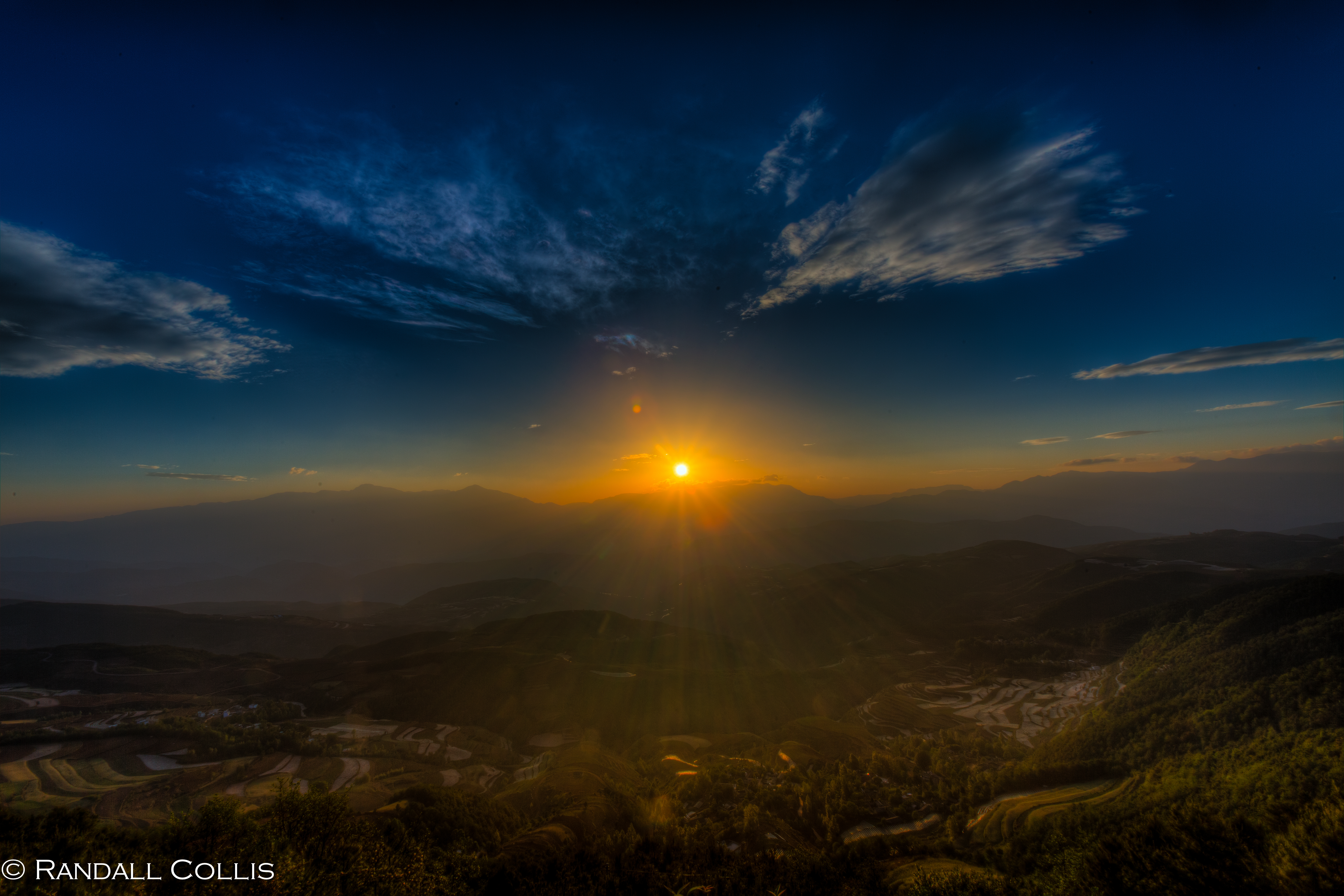
However, I do agree with the difficulty of shooting into the sun, as I love the flare of her rays; a testament to the original beauty and variability of every single sunrise/sunset. Some examples:
- You can capture a great set of Sun rays while also highlighting the beauty of the land at dusk.
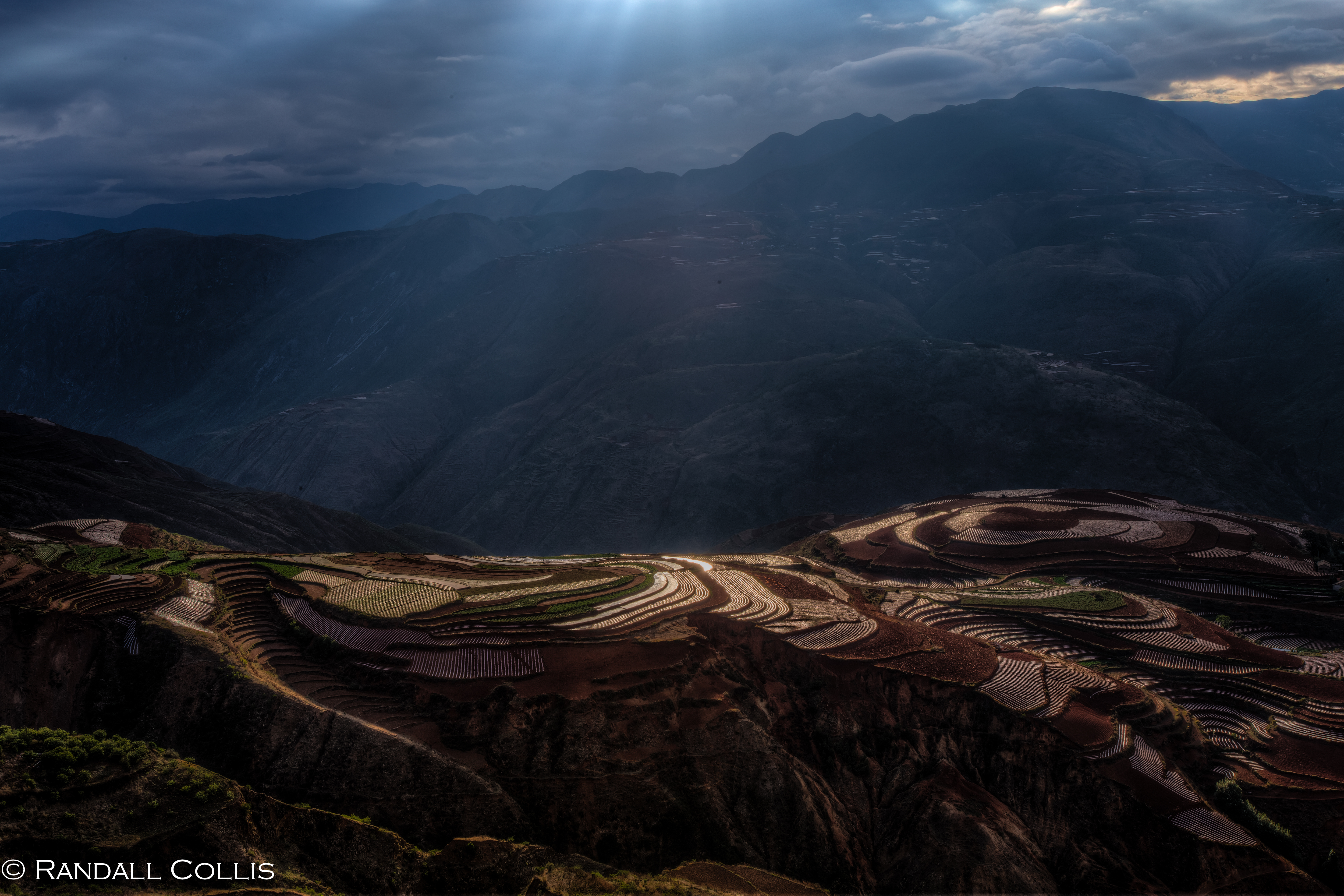
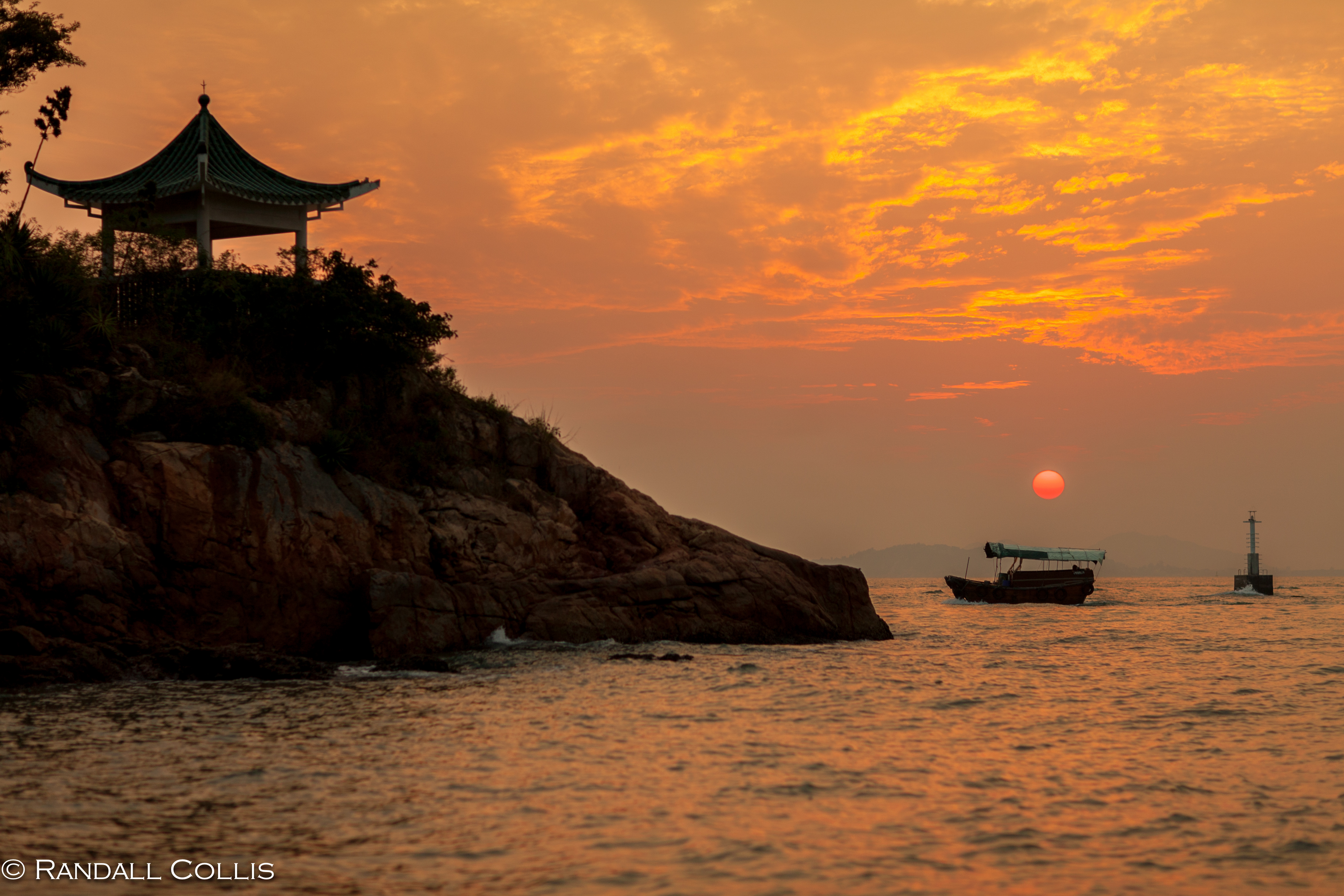
- You can capture a great silhouette of the beauty of the outdoors and outdoor activities.

- You can capture the glow of the warm light on many beautiful things: landscapes, cityscapes, people, and even wildlife.
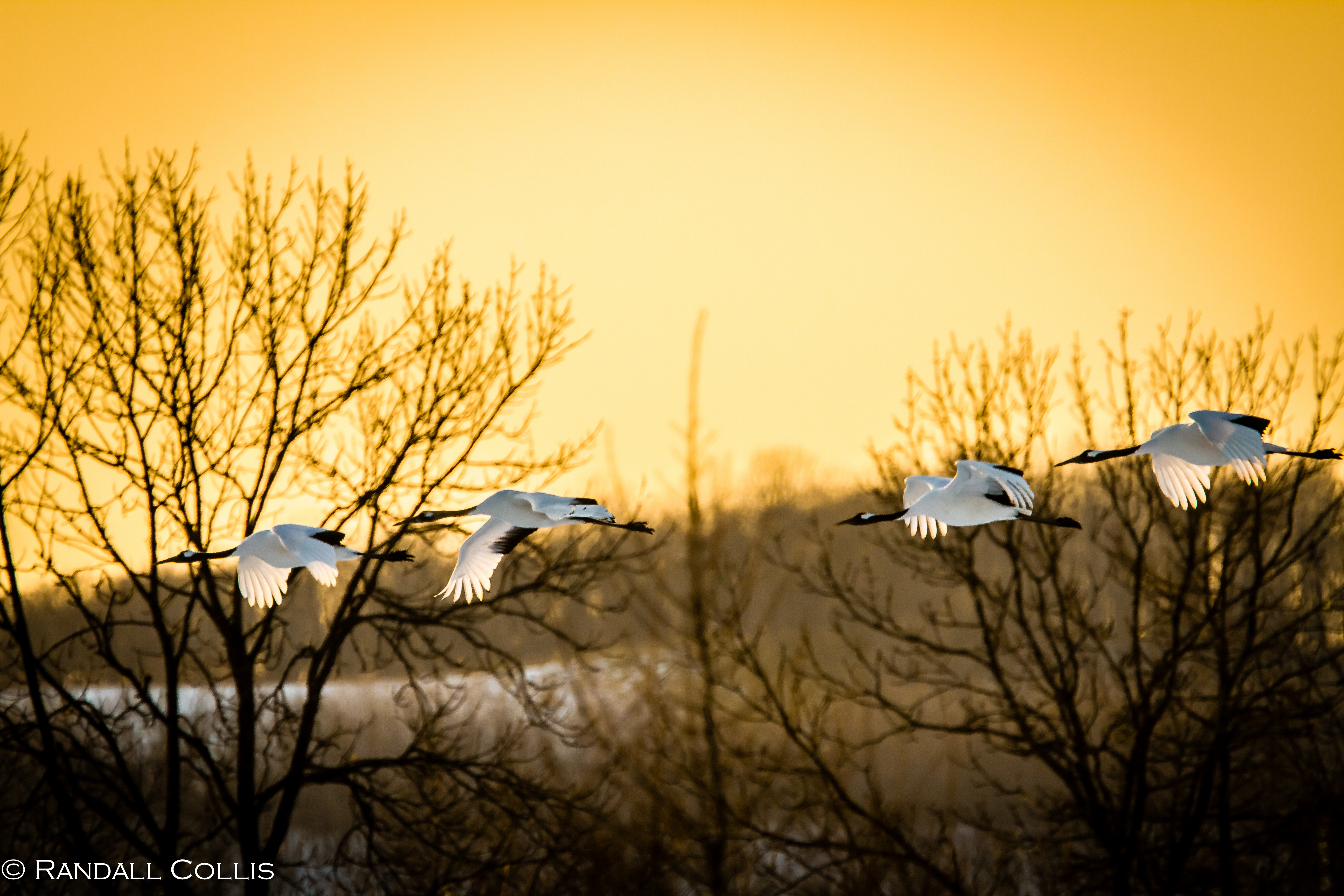
- Unfortunately, you can also capture a bunch of lens flares and blown highlights, as seen below, which can disappoint…
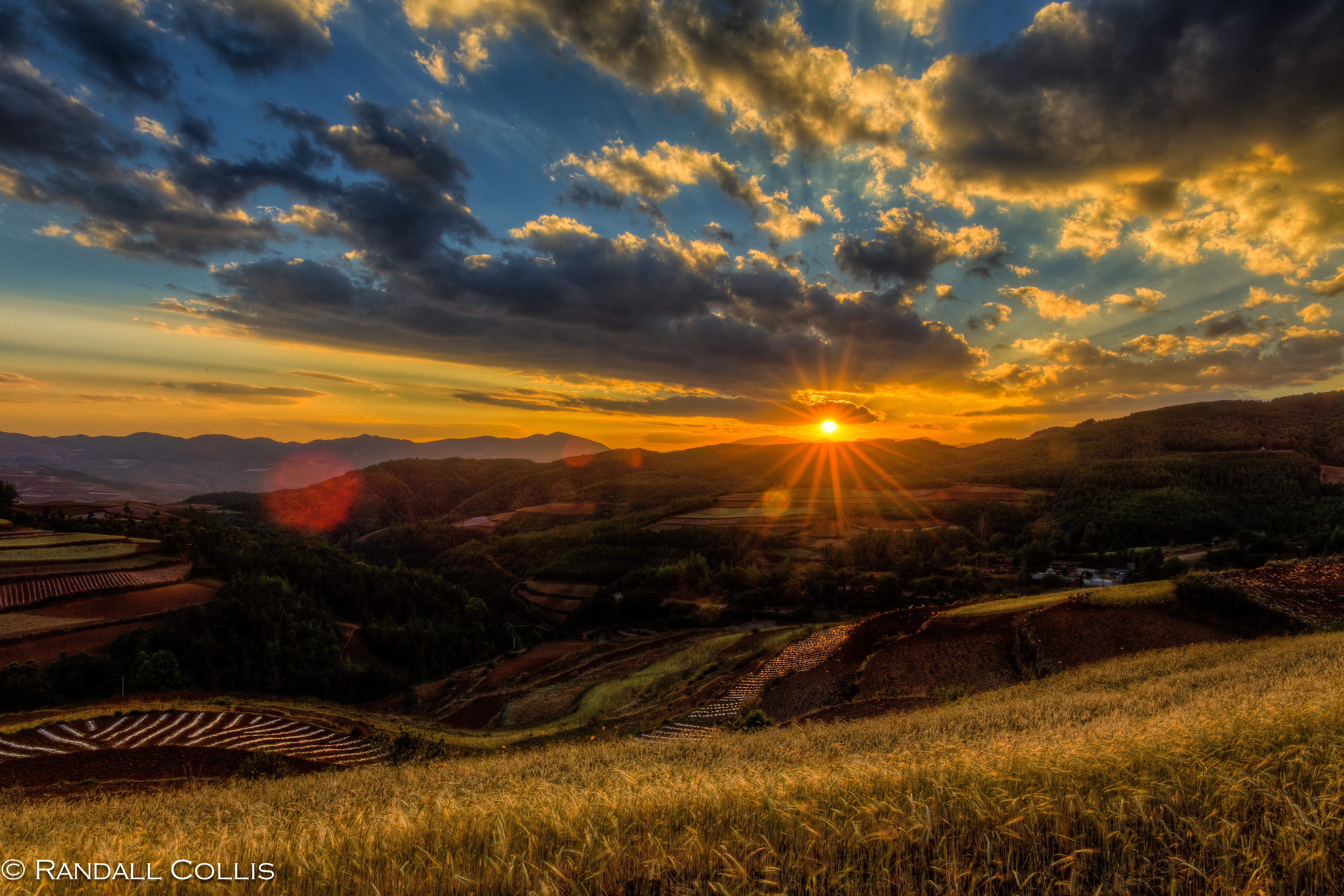
The great thing I love about the disappointment of seeing lens flares is that while I know most stock agencies and companies would refuse such a photo…I still find the photos themselves pretty awesome to view. Not to say flares are bad, because if you can get it right in a photo – nirvana. And while I may be disappointed in the result of the flare, I do learn from my mistakes and slowly these errors become fewer (or, I am just blocking them out…).
But for me, the Golden Hour is a time of pure adrenaline because weather permitting, it produces a precious light handed down from the Gods, and that makes it hard not to take a good shot. Therefore, I do stand beside my belief that the Golden Hour sunrise and sunset is the easier environment of the two “magic hours” to photograph. As for a choice between sunrise and sunset, as there is nothing more difficult for me that the pre-dawn battle of crawling out of bed: sunset wins.
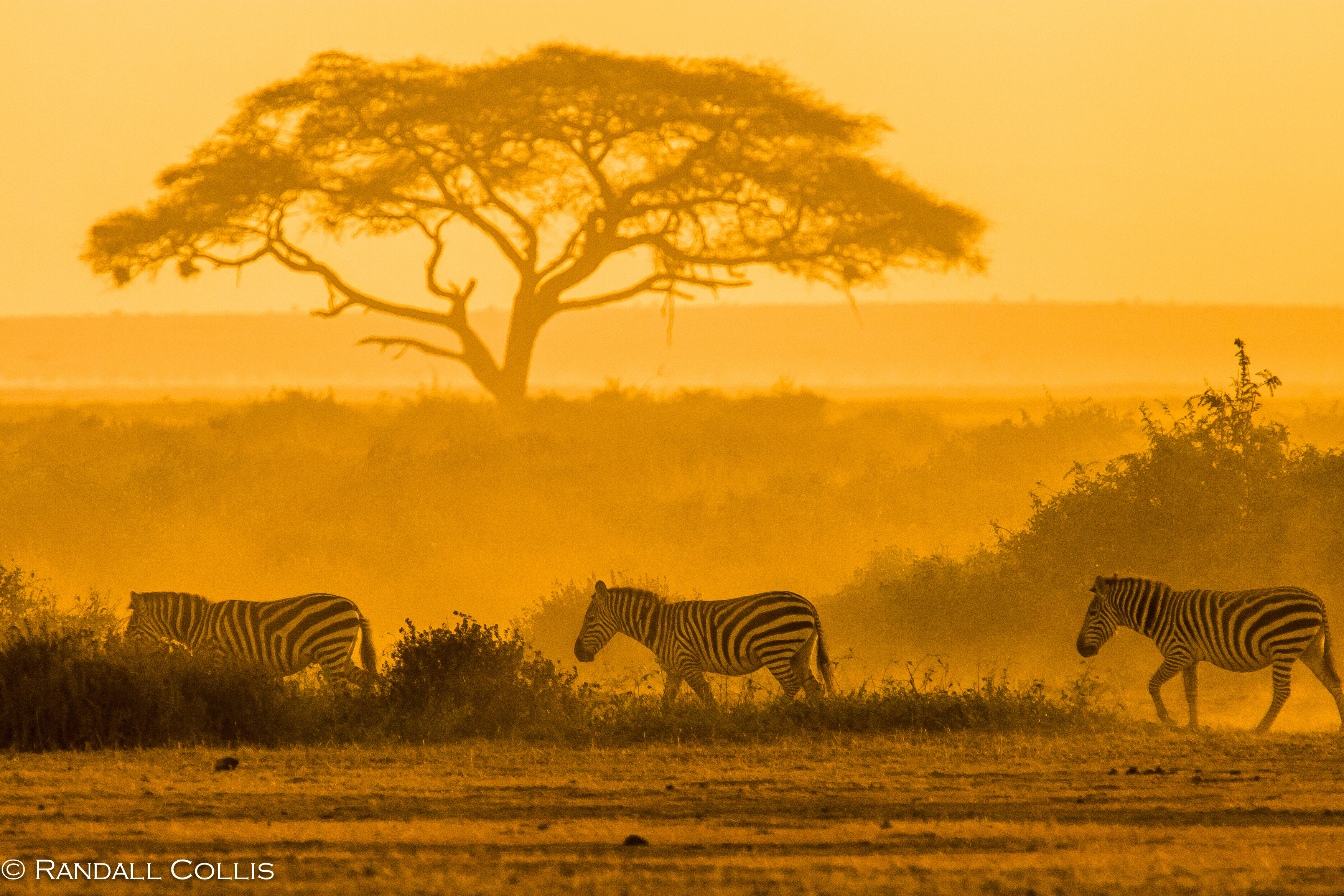
One thing I have not yet mentioned in either my Blue Hour post or this Golden Hour post is inspiration. The bewitching hours of photography are perhaps the most inspirational time any artist will have at their disposal.
Whether you are a writer, musician, poet, painter, photographer, or simply enjoy the skills of other artists (which is where I fit in), the golden hour is the time of the day that excites the soul. The lighting is special: slightly cool in the morning but with a glow that you can carry into the day…and in the evening, you can wrap yourself up in the warm light and its creativity. Inspiration.
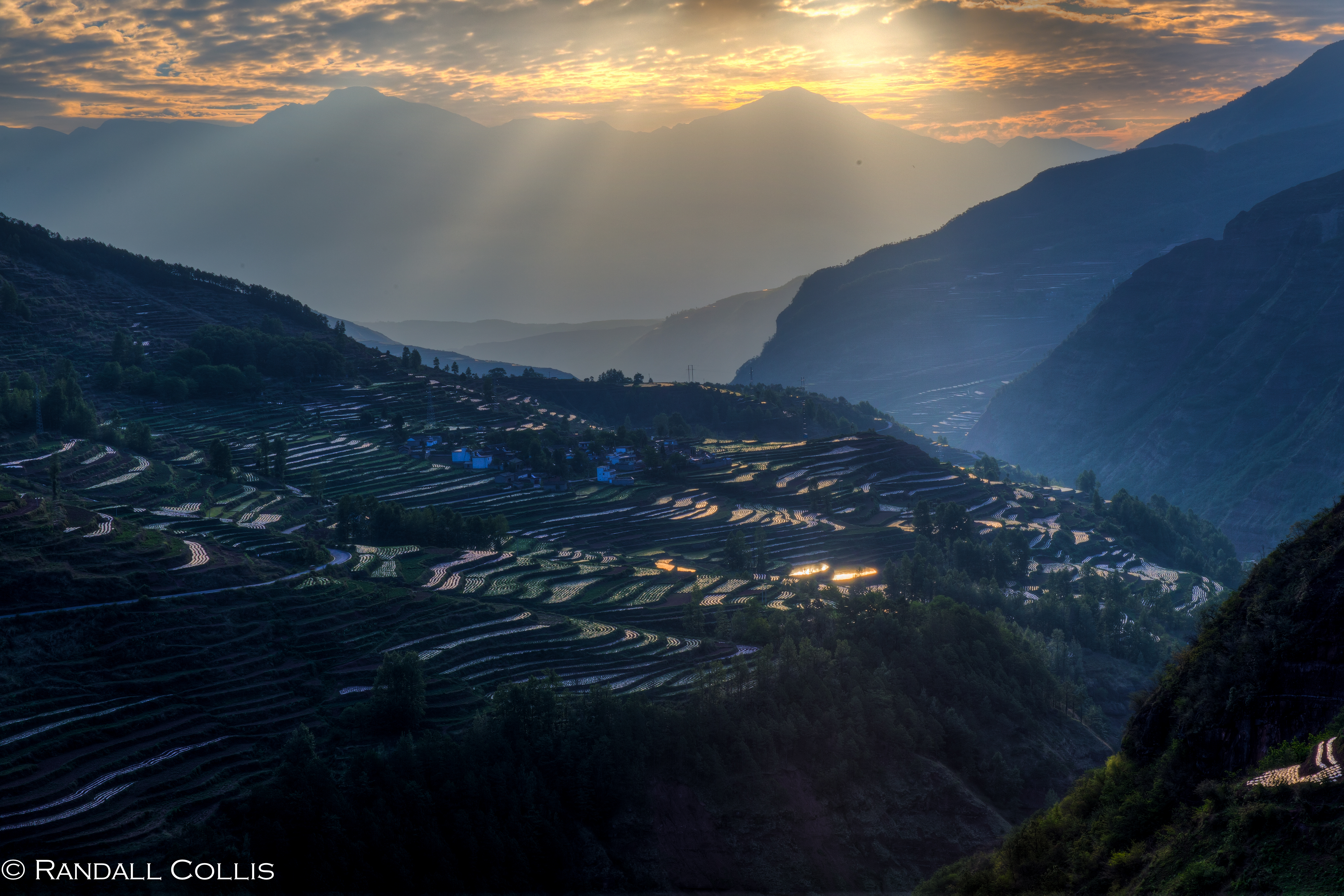
Speaking of inspiration, to all the bloggers out there who share your great ideas. You all spark the creative fire in others. From a post back in February from Yinyin in Vietnam (http://yinyin2412.wordpress.com/), I caught sight of a nice photo on her site of the sun breaking the horizon…with a great caption of “the scent of sunshine,” which I loved.
“Scent of the Sun” is a perfect description, especially for a sunrise. I think every artist has a feel for the sun, besides just making the body feel good (and giving us vitamin D), the sun can open a corridor between our soul and the outside world.
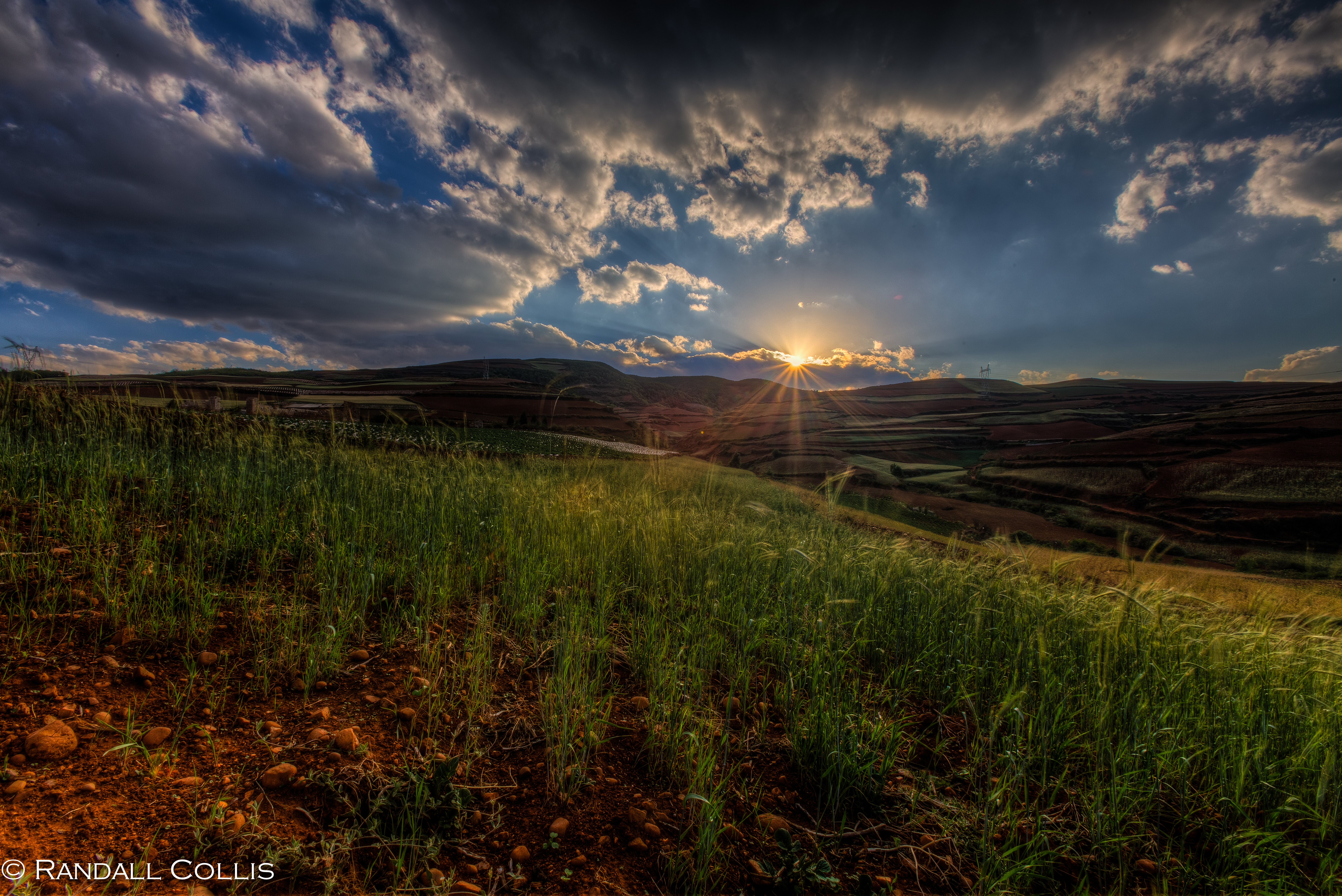
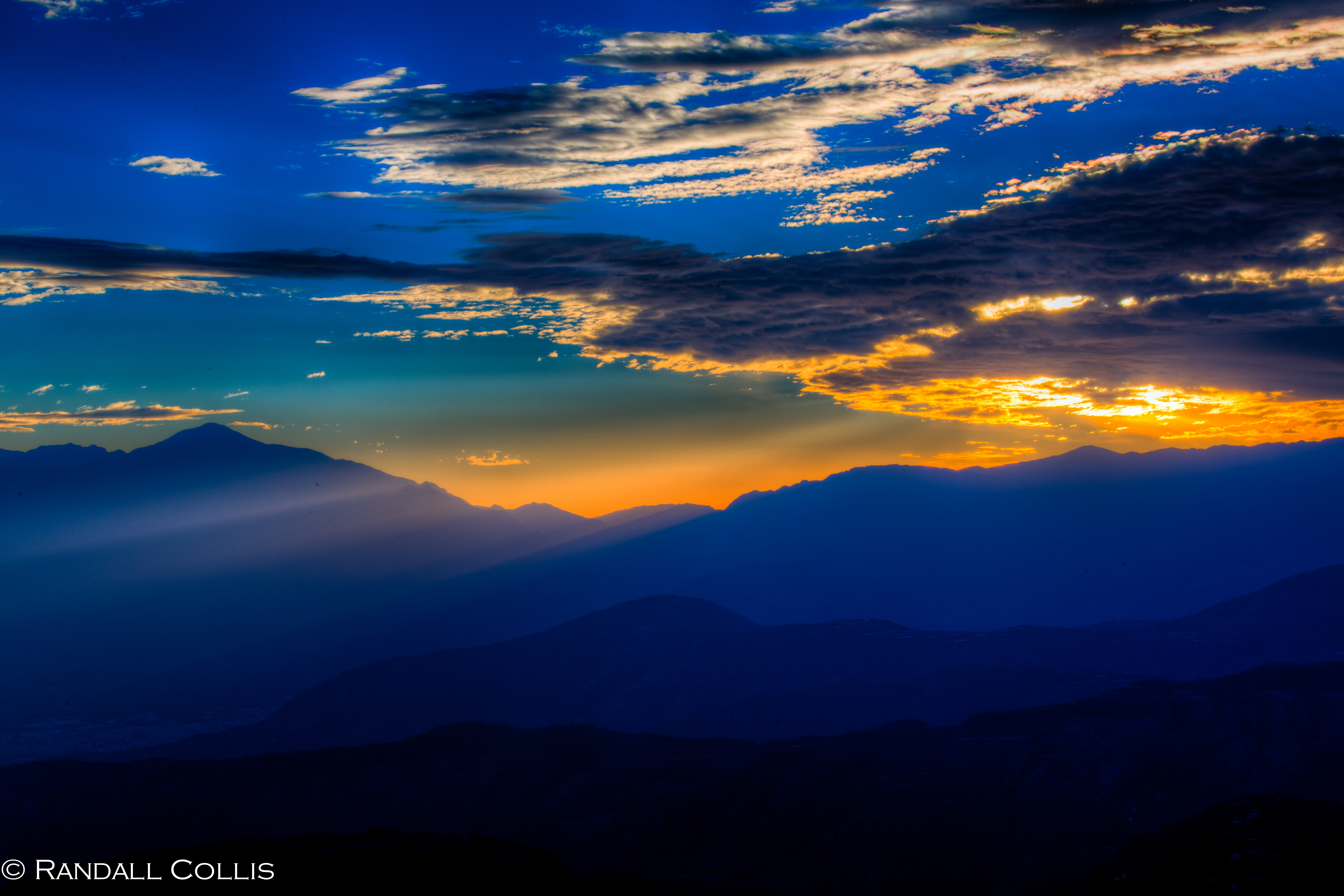
So, to loop back to the beginning of this post: Blue Hour is the most difficult to photograph and is part of the reason why I like it so much: if you get it right – it can be amazing. However, when I was looking at what photos to add to this blog…I could not believe the number of Golden Hour shots I had to choose from in my collection. Viewing photos on the internet or in magazines and you will find that sunset shots not only dominate – but almost all of them are terrific shots.
My feeling is therefore, the Golden Hour is like the golden child…everyone loves her, for she is beautiful, intelligent and can do no wrong. The Blue Hour is the less appealing little brother who pales in comparison to the more famous golden child. Personally, for me growing up the only brother in a sea of three sisters, I think I can rationalize my admiration for the Blue Hour as I relate to its “unfair situation.” 🙂
Photography, and to a certain extent, my writing, have been my artistic release, but perhaps my calling is more towards admiring the work of others.
A couple of weeks ago, over lunch, a friend was planning to go to Lamma Island to shoot the sunset and asked for advice. While I told him I am not the right one to be asking, there are three general pieces of advice I can give (or rather pass on from what I have learned):
- Bring a tripod, and shoot off the tripod for sharp and crisp shots.
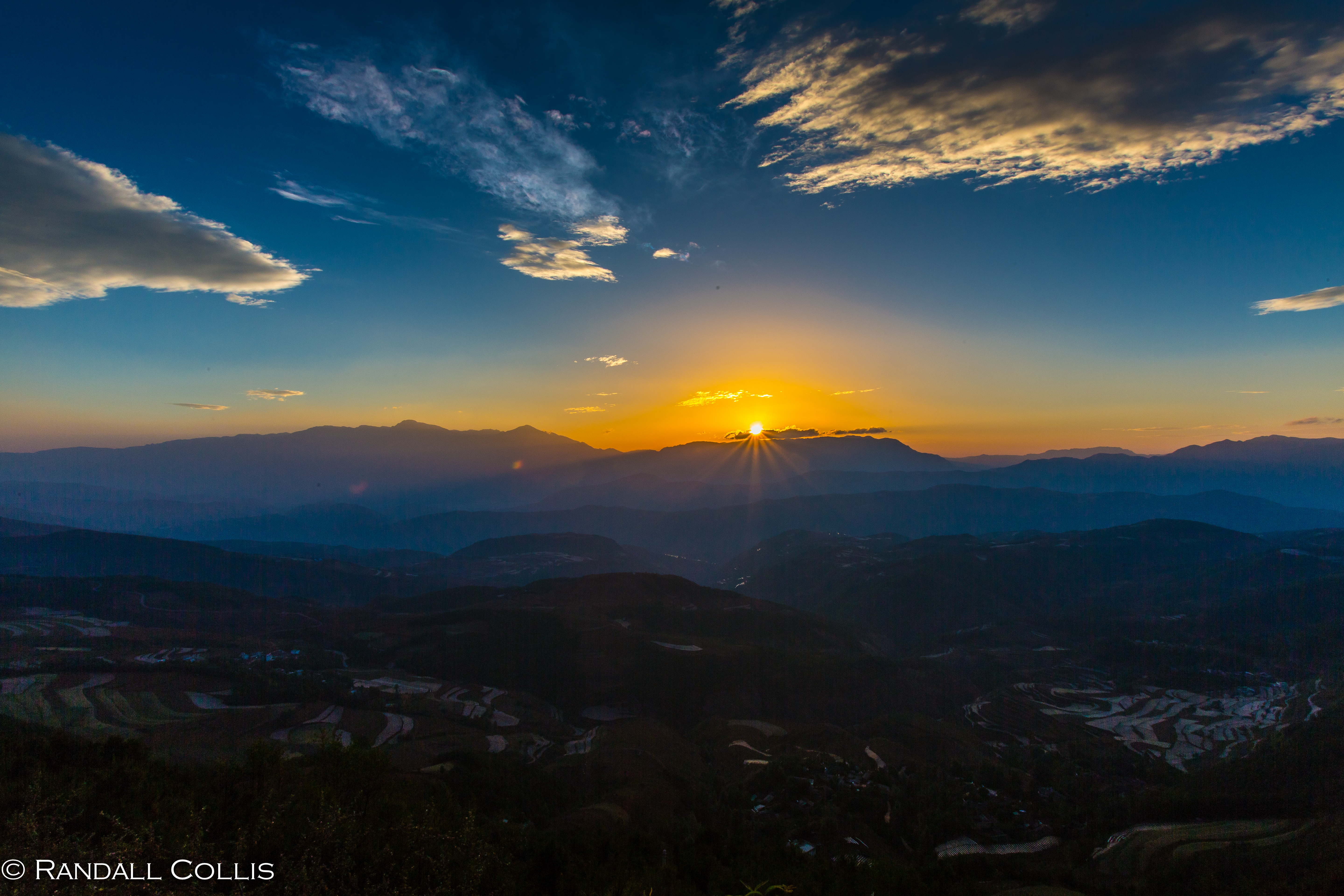
- Vary the focal lengths of your shots.
- Wide-angle lens for landscape (as you can tell, I like to incorporate the sun with this lens although lens flare issue are huge).
- A zoom lens (200mm or more) the more traditional approach if you want to feature the Sun in your shots (tripod is often necessary).
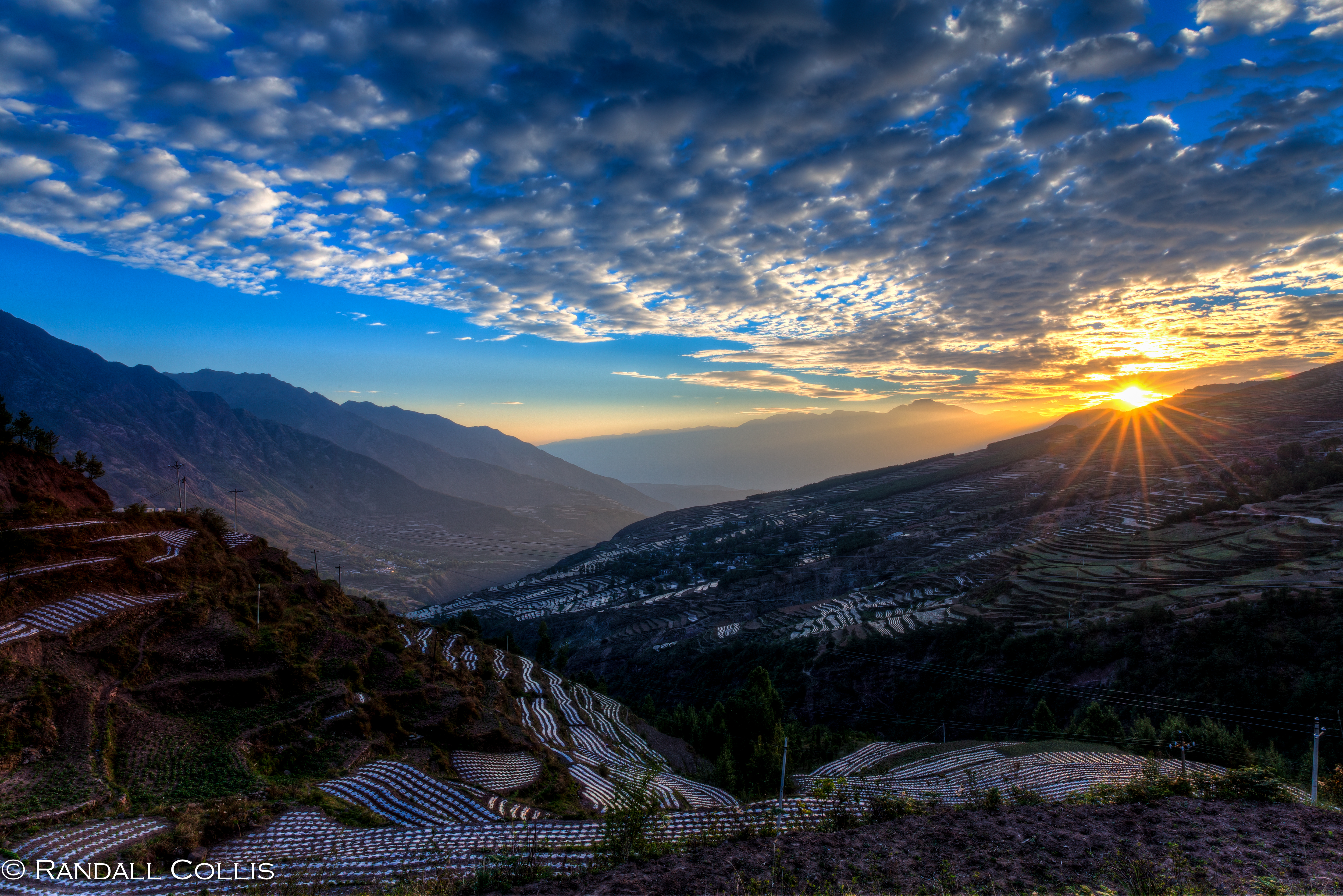
- Experiment with Exposure
- Fast shutter speeds for silhouette shots (facing the sun)
- Slower shutter speeds for detail (focus on the warm light, not the sun)
- Bracket your shots and incorporate HDR techniques

And then the best advice I gave him was to go and check out the work of others on the Internet. Check out what the professionals do, and then try to dissect how they achieved their shot.
For me, the big three are John Shaw, Darrell Gulin, and Adam Jones. And then, from my time in San Miguel de Allende (https://dalocollis.com/2013/05/25/a-holy-time-in-san-miguel-de-allende/), Raul Touzon is one of the more creative users of light in photography that I have seen.
One thing that I have picked up from Shaw and Jones, is that the details in landscape and the nuances with how light works in those compact areas require a zoom or longer lens. In the past, rarely did I ever pull out my zoom lens (200mm), instead I shot with my wide-angle or mid-zoom lens. It was through looking at their work where I really learned the value in pulling out my longer lens for landscape and sunset shots.
I figure we will all continue to evolve as photographers. New equipment and ideas will ensure this happens, but we also learn something new every time we go out.
The idea to capture as much of the beauty I saw in front of me often led me to pull out my wide-angle, to bring it all in…but at times, I would miss out on the wonderful nuances of her beauty that are even more stunning. Be flexible and creative in these hours, and go for the original shot.
FYI: For the next 3+ weeks, I will be in Northern China and the DPRK and will not have access to the Internet. So see you at the end of June.
Related articles
- Golden Hour Photography (goldenhourphotographysite.wordpress.com)
- The Golden Hour (k67winn.wordpress.com)
- Great light comes early, or late. (theshutterstories.wordpress.com)
- The Bewitching Hours of Photography: The Blue Hour (dalocollis.com)
- Golden Hours (thewatergipsy.wordpress.com)


 Global Sojourns: Photography & Philosophy
Leave a reply to Jessica Cancel reply