


The morning light blinds, a rich wash of color breaking through the window before my sleepy eyes have adjusted to another day. I swing to my left as I get out of bed and smack my toe against the nightstand, the pain lifting the fog in my mind just enough to understand I’m no longer in Czechia, but elsewhere—Hong Kong.
The humid, marine-scented air should have given it away. Here in my old Discovery Bay flat—an incubator where, as a naïve, idealistic youngster, I slowly awakened to freedom and independence—life reshaped the course of an otherwise unassuming path. The room is the same, but I’ve changed.

Coffee. I rummage through my mind for the morning ritual here in Hong Kong.
In Czechia, it’s a calming 15-minute French press process that makes some of the best I’ve ever had. In Seattle, I traditionally brew a pot at home. Here in Hong Kong, the modern Nespresso machine kicks out lungos upon request—I toy with the idea of buying a French press, but shelve the thought again.
Let each city make its own coffee; let each morning unfold in its own way.
Chinese New Year has arrived—and the city that molded my drifting soul beckons me back onto its roads; people move through its light. I slip into a new skin.
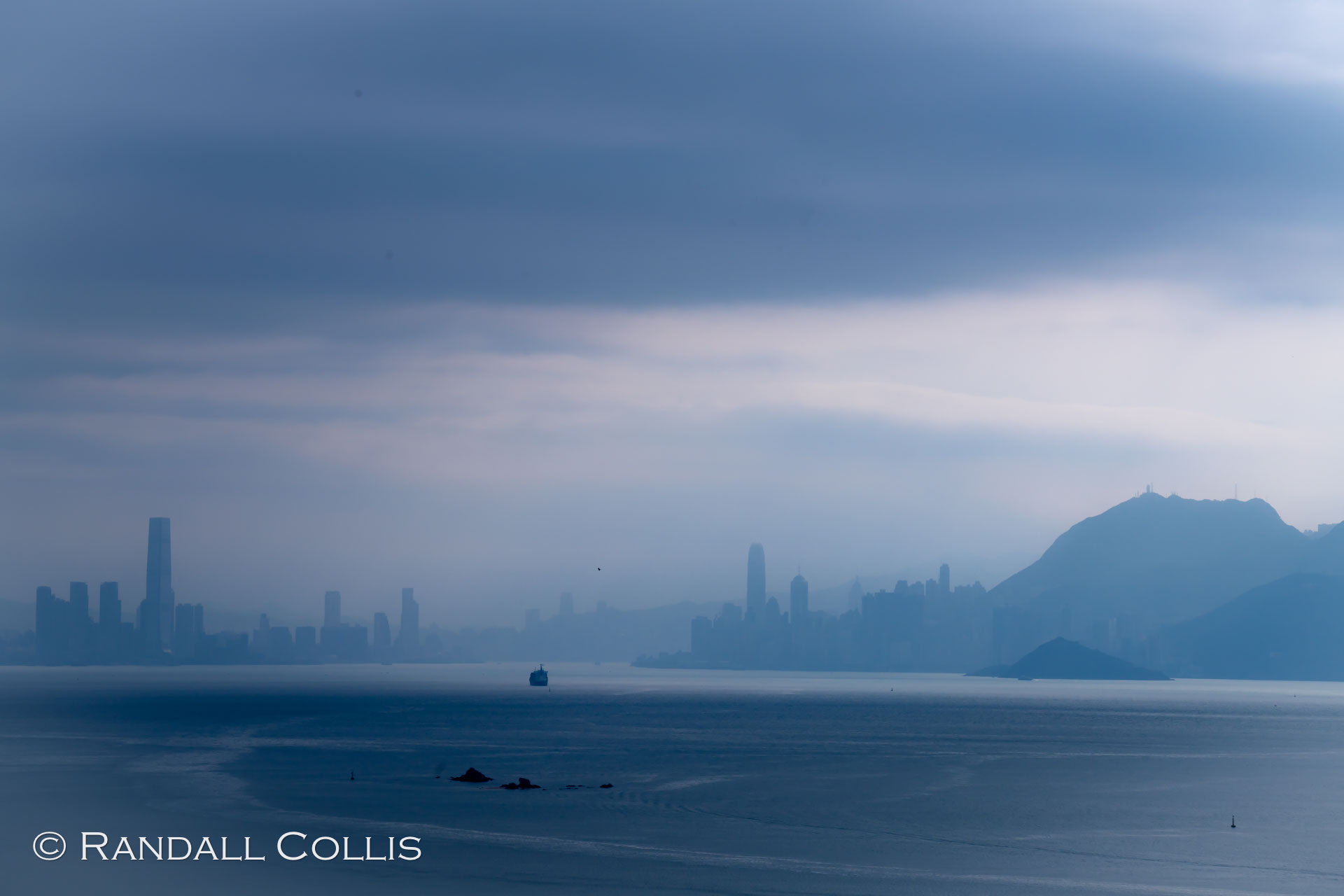
My mug sits empty and I begin my routine before heading out: checking camera batteries, wiping lenses, clearing memory cards. Jet lag has turned morning into afternoon, and the sky is no longer golden but a flatter light—good for running errands, not for poetry. I lock my door and step into the corridor, following the familiar steps of my past: lift, lobby, pavement, ferry.
When I surface from the MTR near Causeway Bay, the city is at its peak: traffic weaves by, shop gates rattle open, streams of people move toward Victoria Park. I fall into their wake, letting this human tide pull me toward the Lunar New Year fair until the path opens—stalls and color sweep into view.
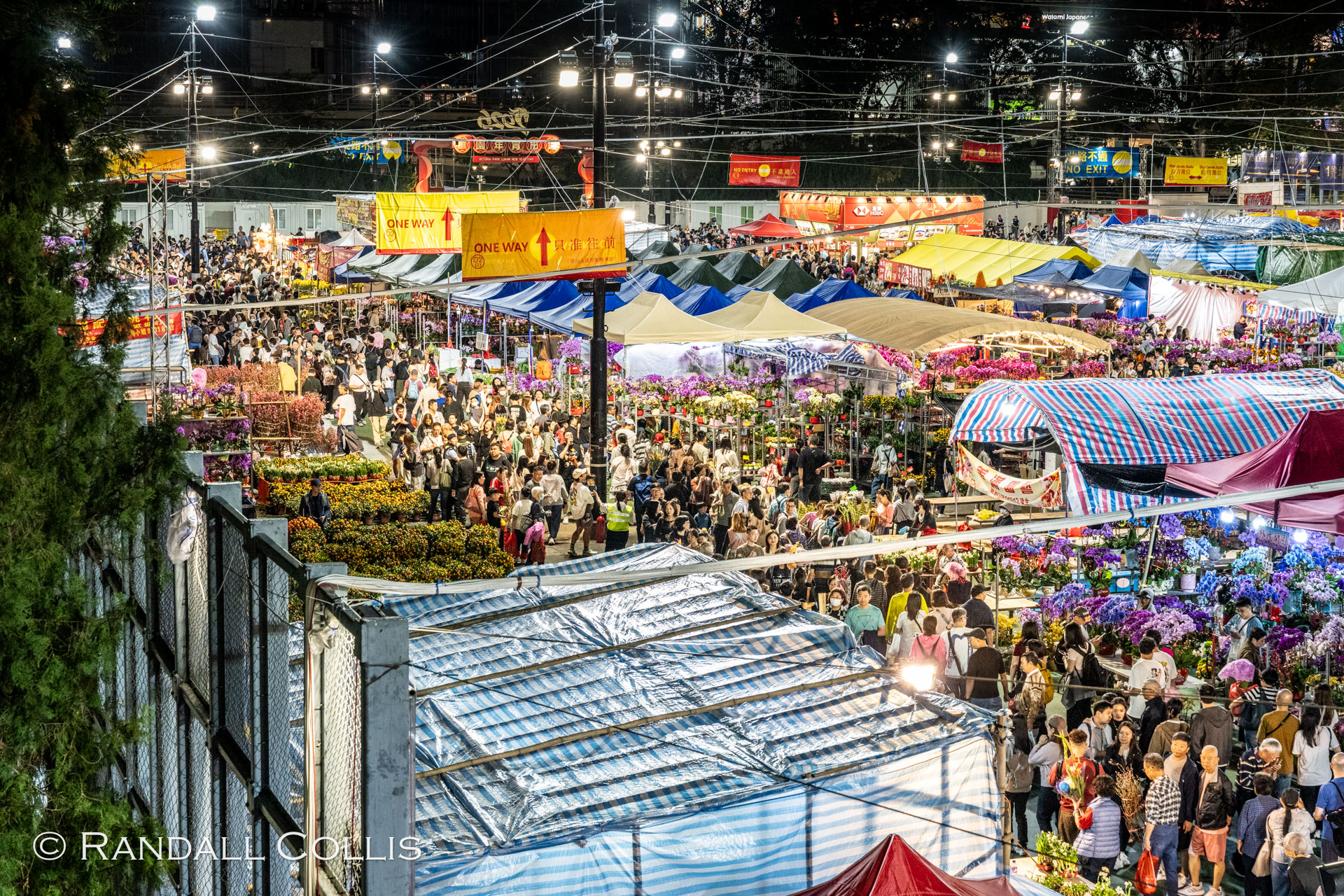
Around me, there’s a rush of people, a din of voices, a mix of Cantopop and vendors shouting out their last-minute deals. “Ugh,” I say to myself, “this is not where I want to be.” I’d hoped for a quiet, meditative walk, but it feels like I’ve made a wrong turn; this is not the road I thought I’d be taking.
Step by step, though, I begin to flow into the mix, a fusion of my past and the surprise of something new—a peek into an unknown future that feels endless. The questions don’t matter; it’s the sensation that counts. I keep moving forward, whatever it is I’m chasing, unwilling to stop.
I breathe in the flowers, food, sweat, and feel myself relax.
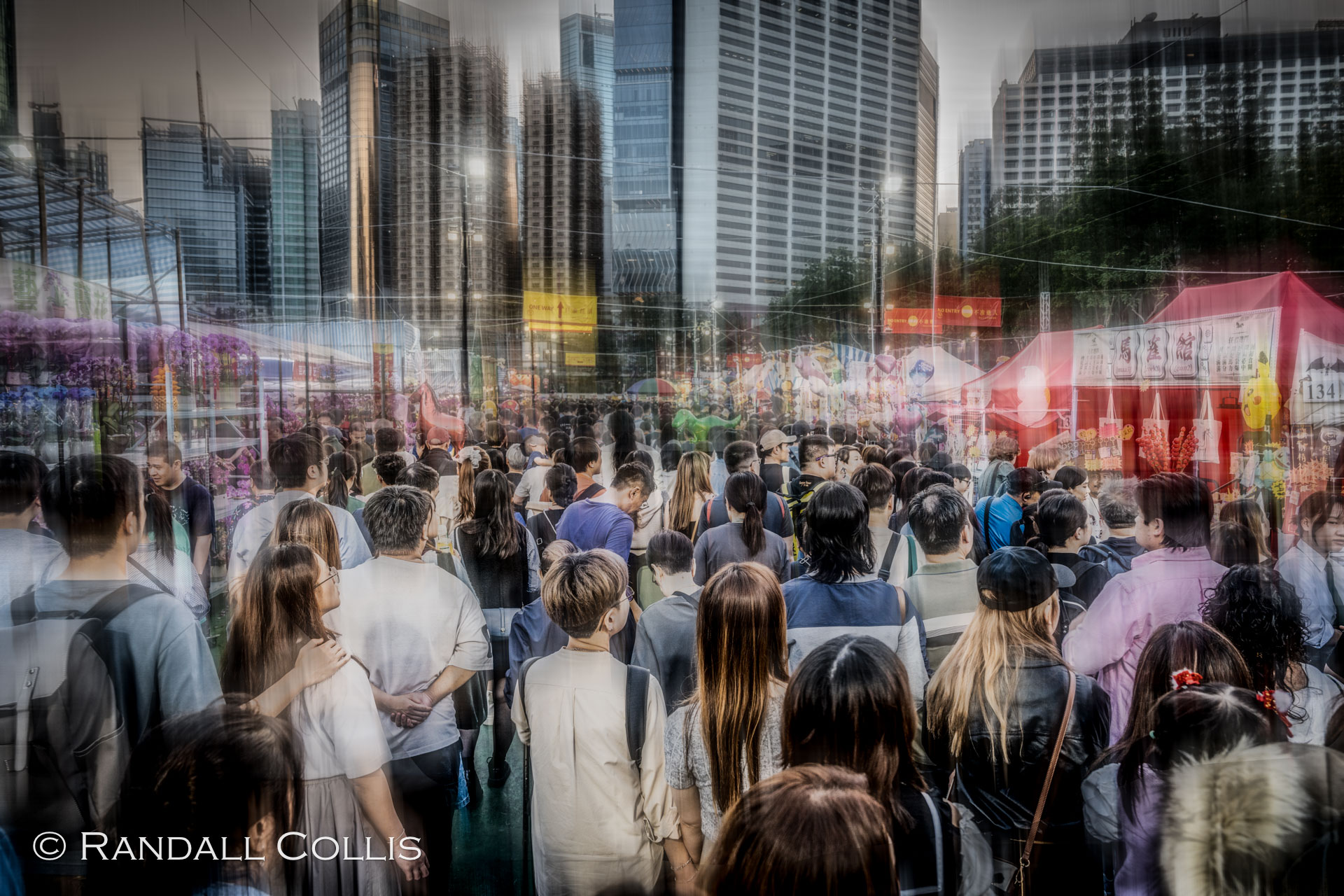
The blur of activity fits my mood: the stalls, the people. I’ve missed this. I feel an honest nostalgia—a clear sense of it; movement feels effortless. It’s a long-lost feeling of motion that only Hong Kong can choreograph precisely—a natural dance, a weave here, a turned shoulder there, moving together like a mountain stream, going somewhere without really knowing where.
Daoism has a word for this kind of thing—the way life arranges itself naturally—I can feel it when my feet find gaps I didn’t see until I’ve already stepped into them.
Has it really been so long since I last let Hong Kong carry me like this?
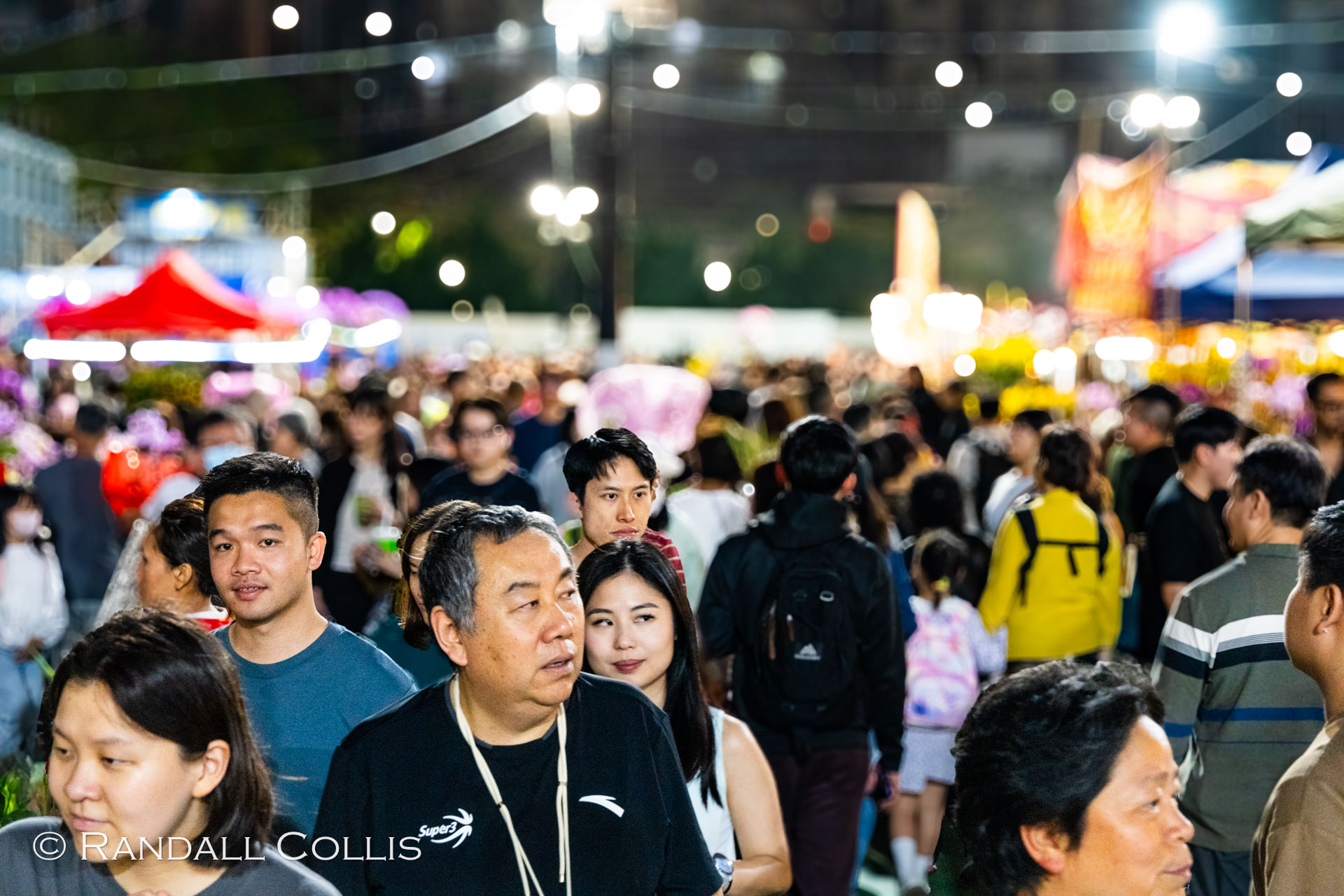
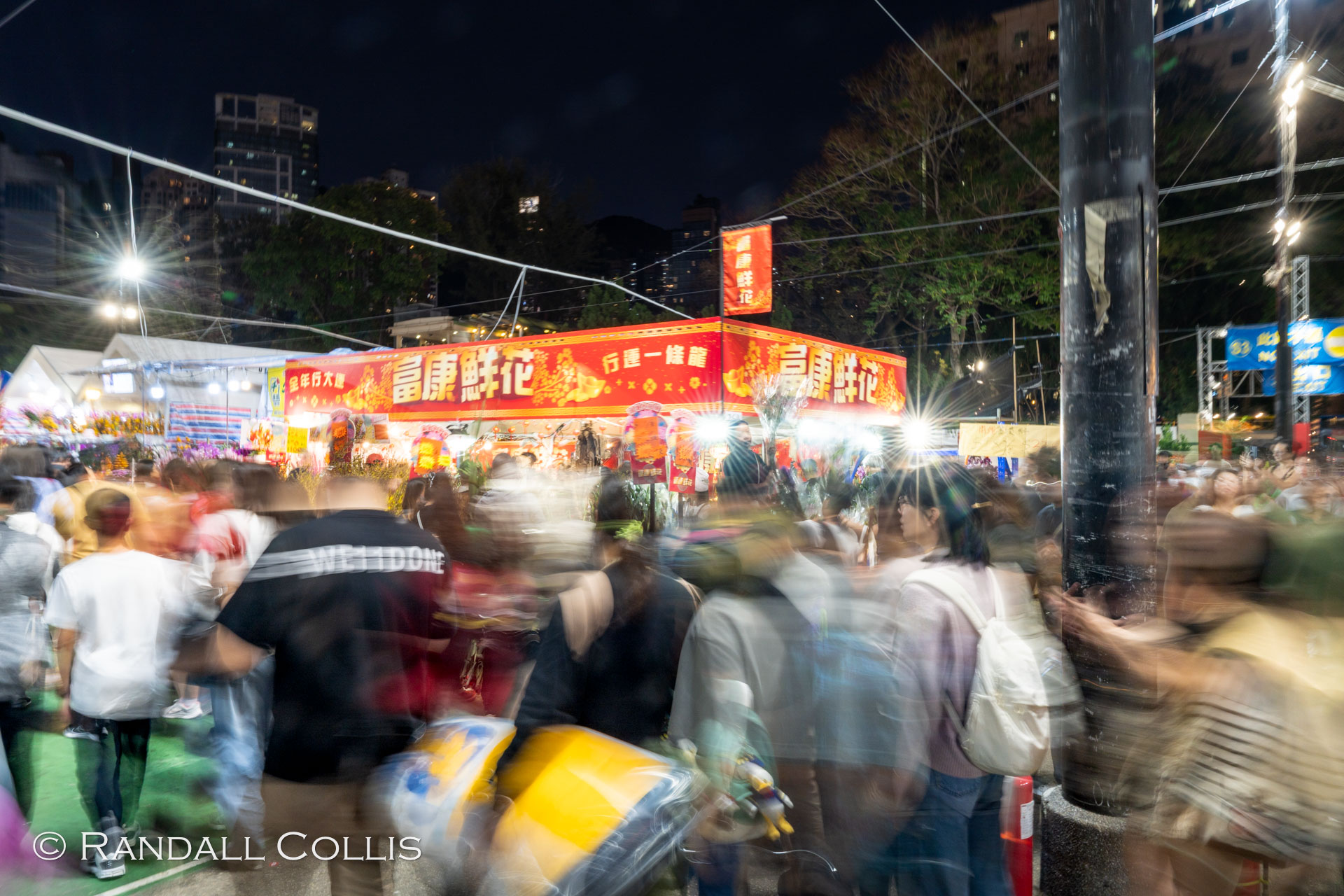
I laugh at how quickly my mood changes, how it contradicts almost everything I was just thinking and most of what I usually try to avoid. Crowds usually limit freedom. Here, being carried by this flow is one of the better experiences I know.
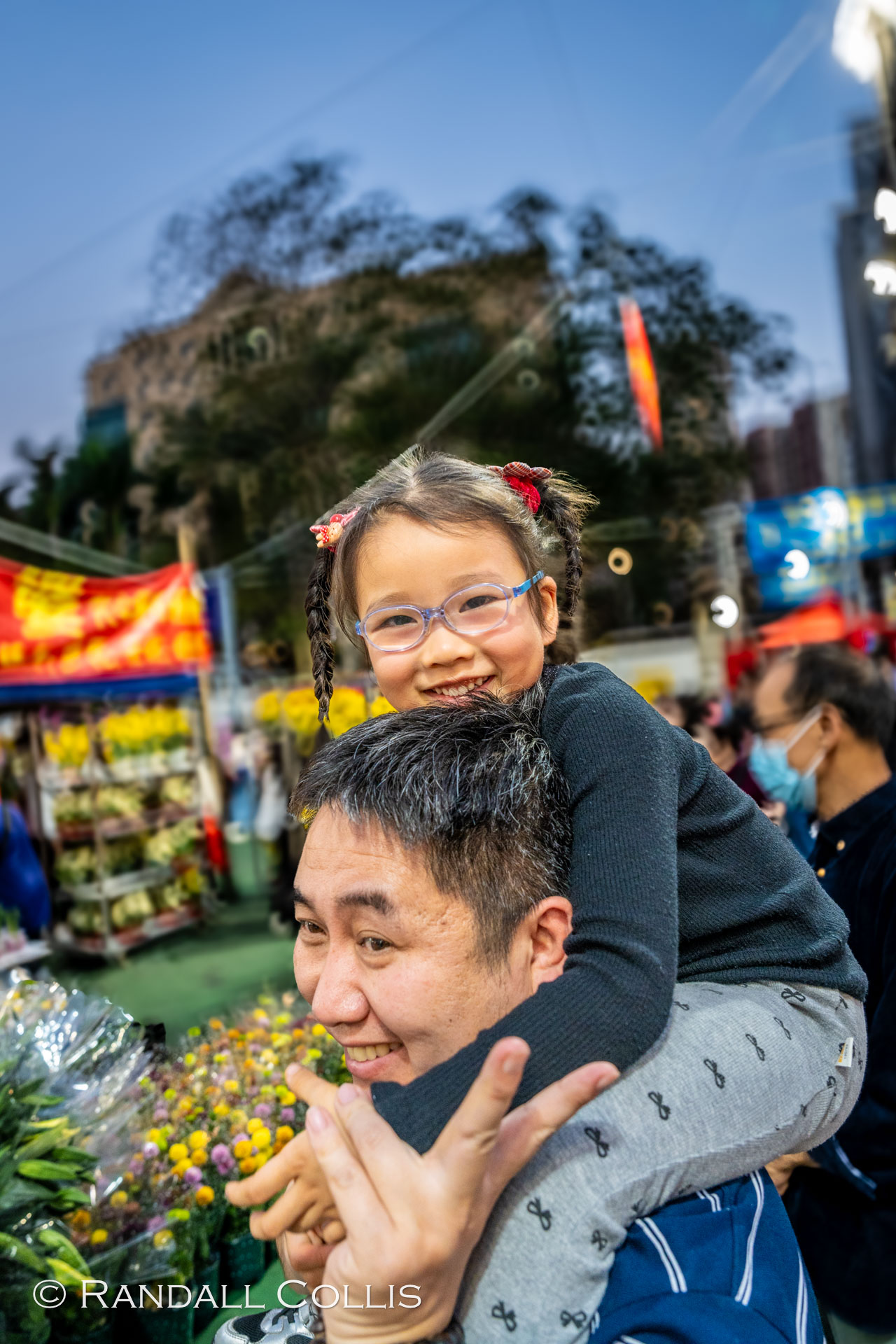
All around me, connections click, and it’s beautiful to watch: a father carries his daughter, vendors add a little extra to a customer’s bag, people exchange cash, jokes, glances. There’s sharing and giving, small moments passing between strangers, and somehow, we’re all better for it. I pick up my camera. The stalls, the vendors, the people—this is the world of the drifter, back on the road and ready for whatever lies ahead.
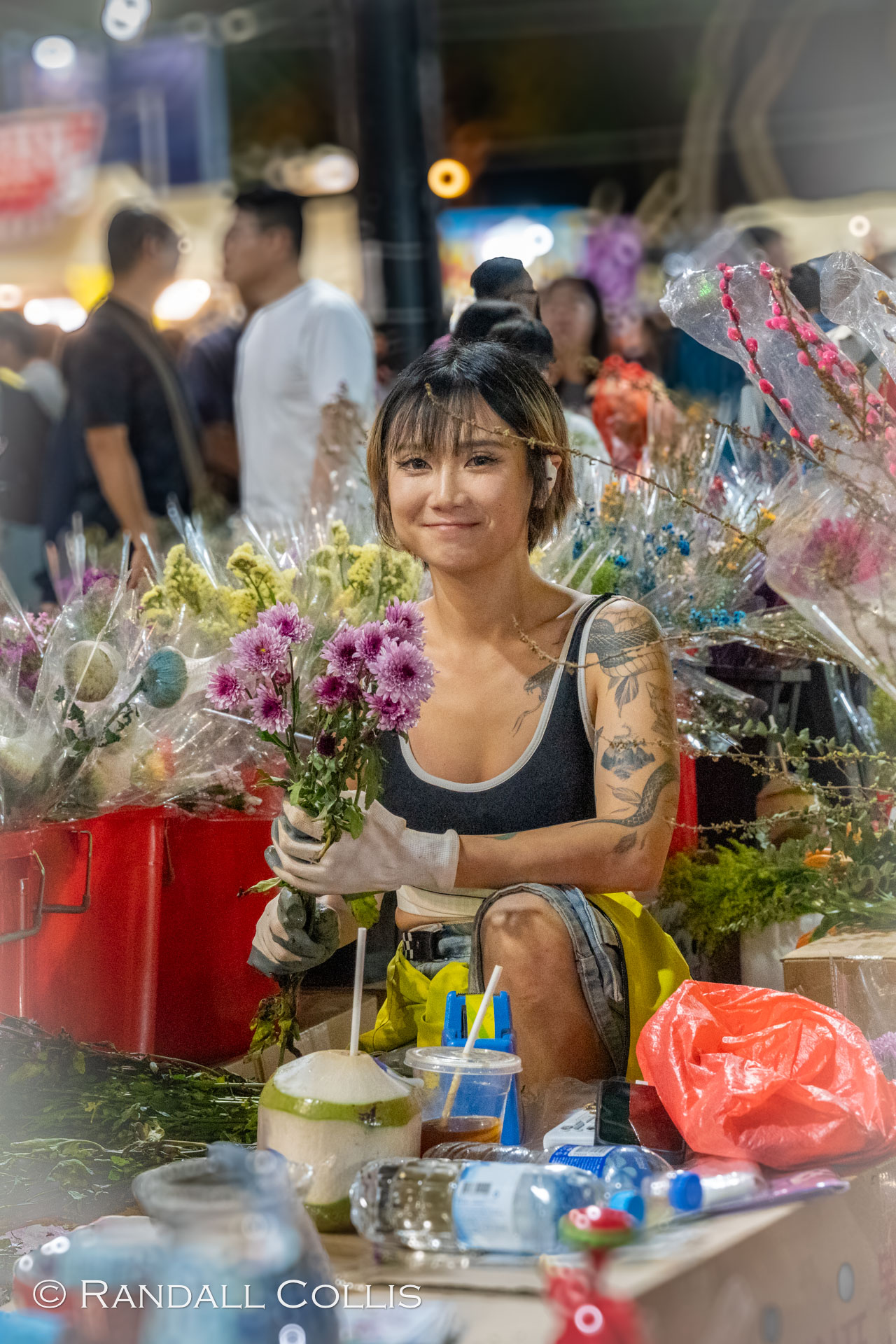
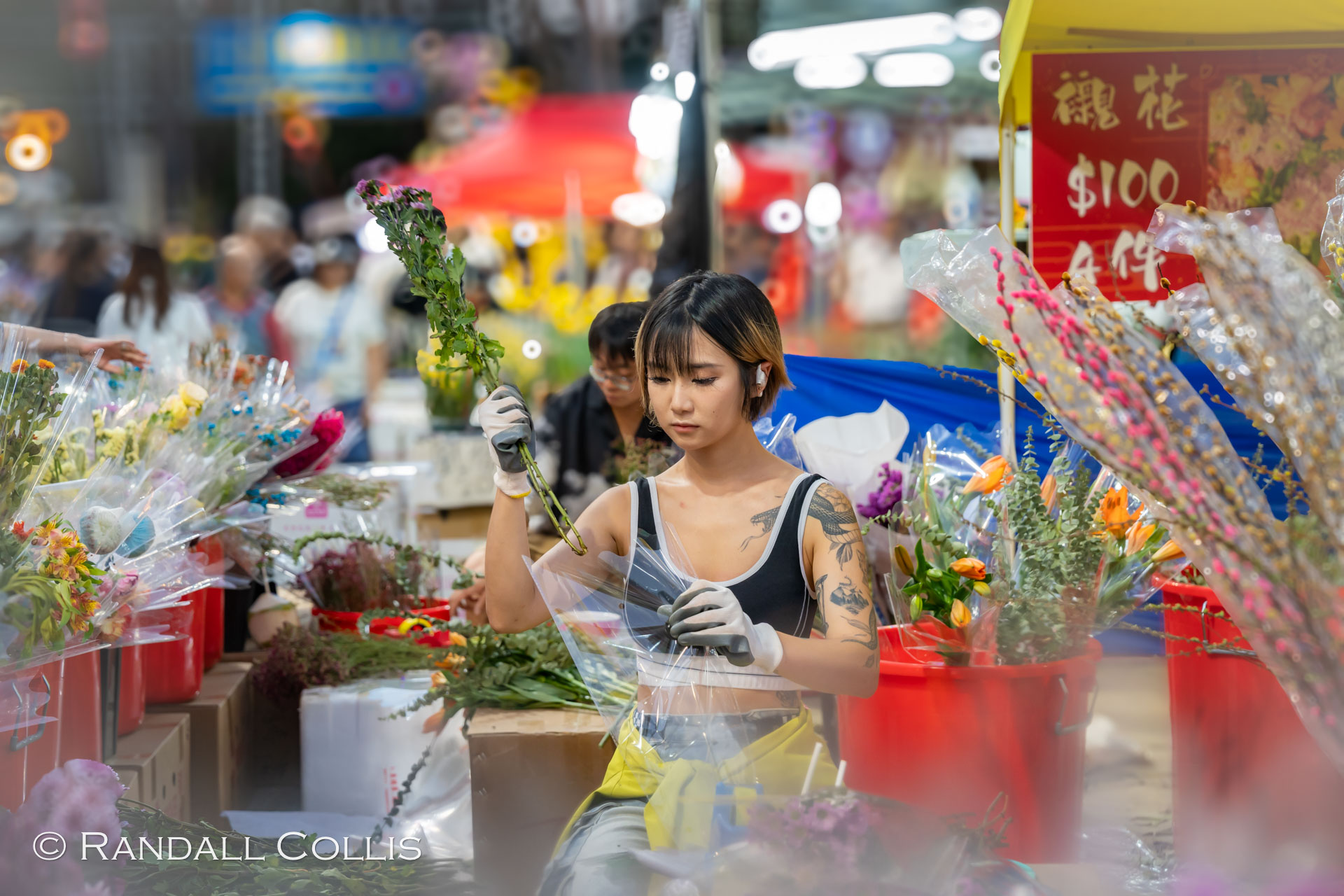
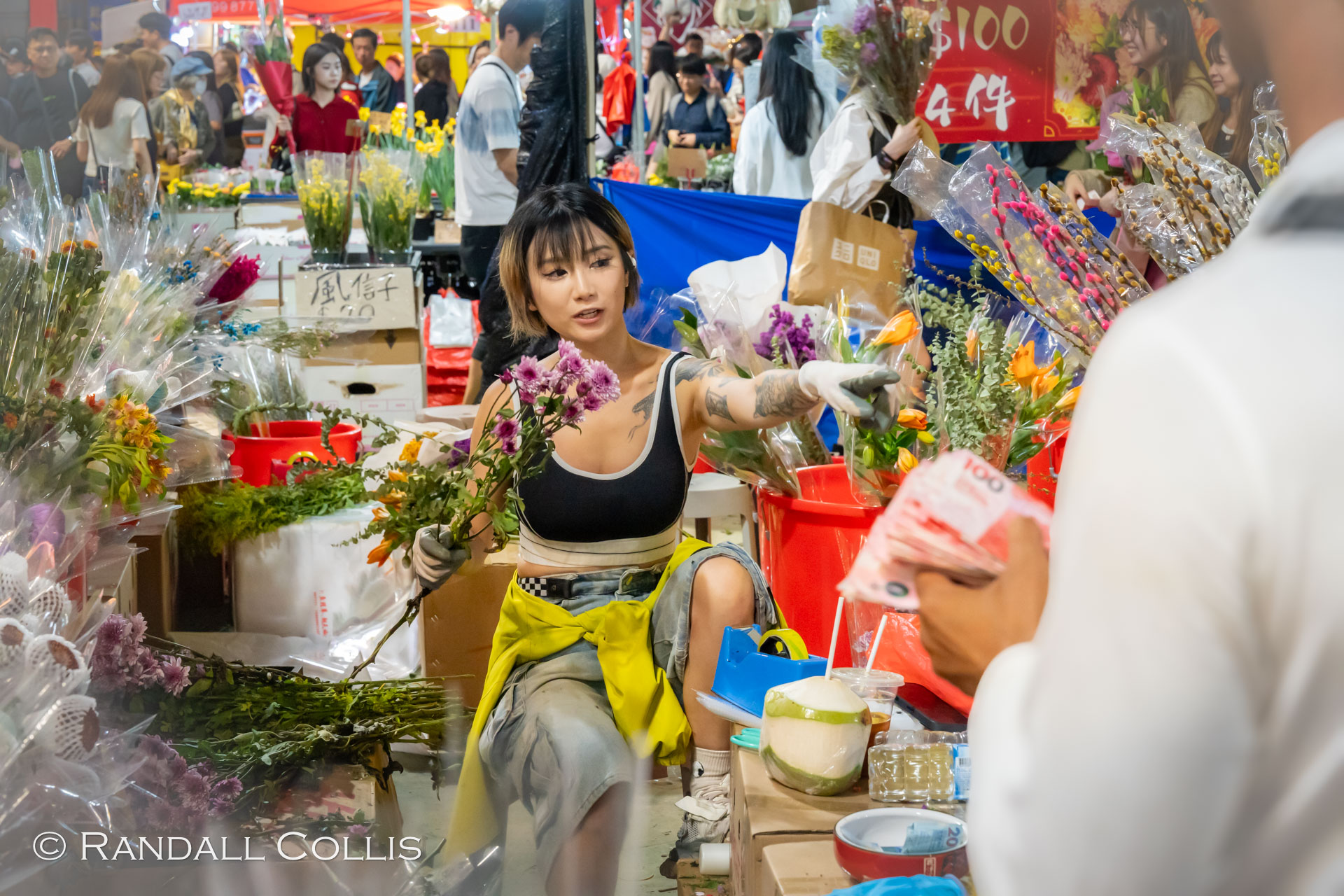
Awakened from my trance, my camera again lies silent by my side; there’s been no reflexive urge to raise it, no instinctive framing. What is it waiting for—a spark, a flash of a smile? The answer, learned over the years, is simple: patience. If I stay long enough, the fair always breaks apart into small, private worlds.
My lens finally settles on a young woman arranging a sale of flowers, telling her customer that these blossoms will bring the right energy into the New Year, fixing what may have gone wrong last year. Next to her, the owner quietly counts the notes already taken in.
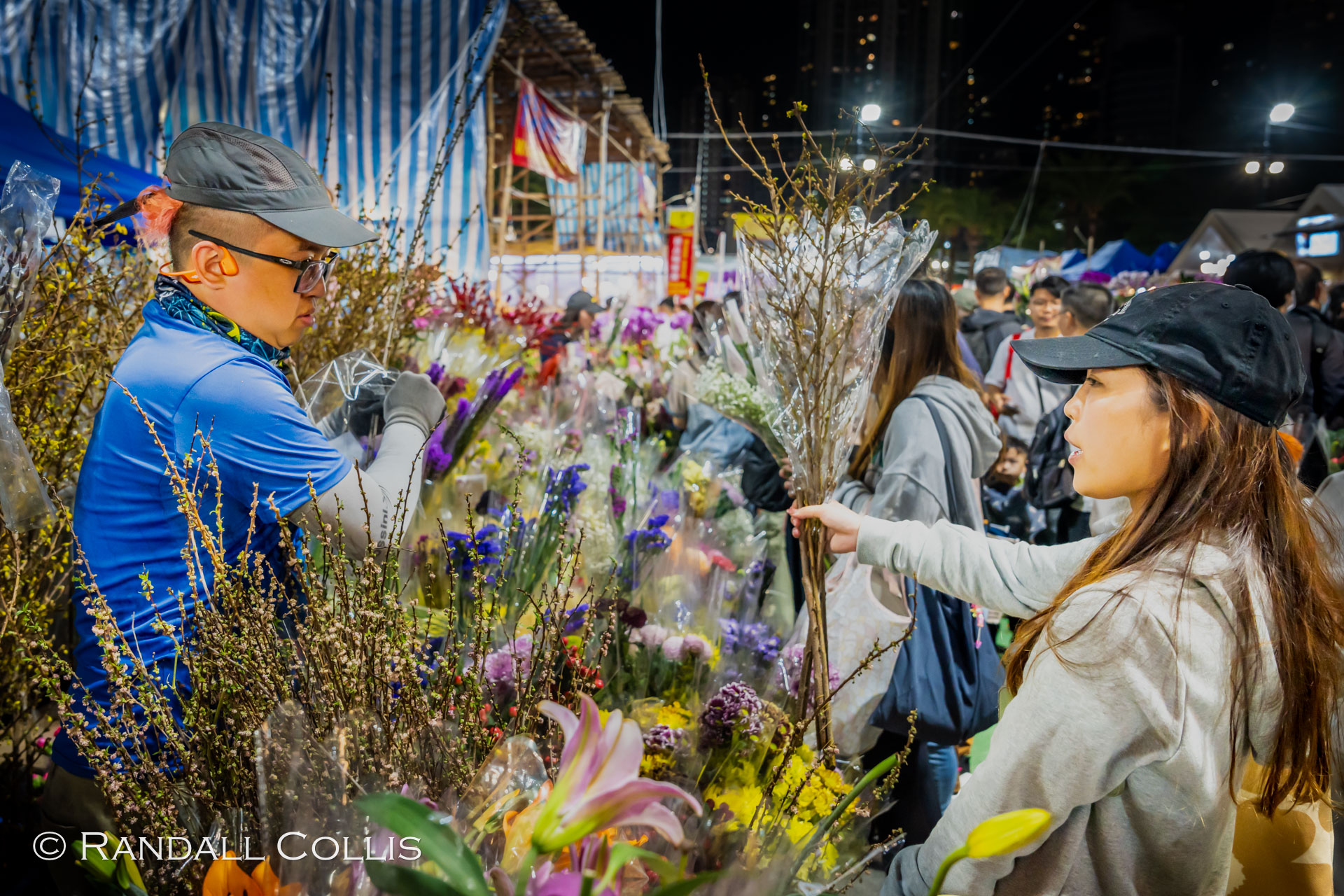
I notice both smiles and signs of exhaustion. It’s easy to say this festival is all joy and luck and the warm rush of a new year, but faces carry more than the decorations. The scene feels as if taken from Dostoevsky: wherever people gather in celebration, they also gather with their debts, their illnesses, their failures—and it’s these struggles that keep us moving.
The more photos I take, the less they look like a ‘festival crowd’ and the more they look like people on any ordinary day, silently trying to make a deal with the year ahead, holding in their own stories.
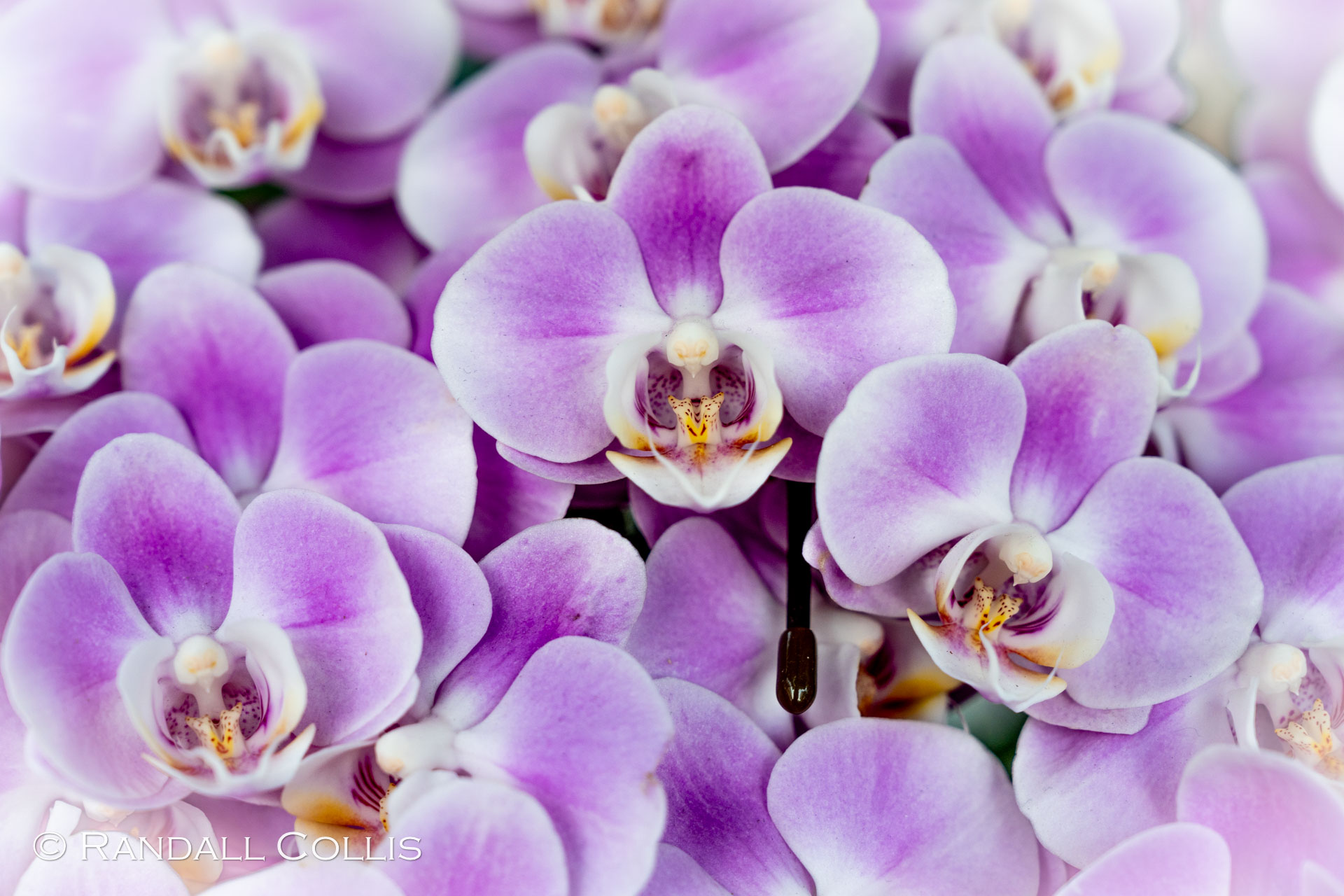
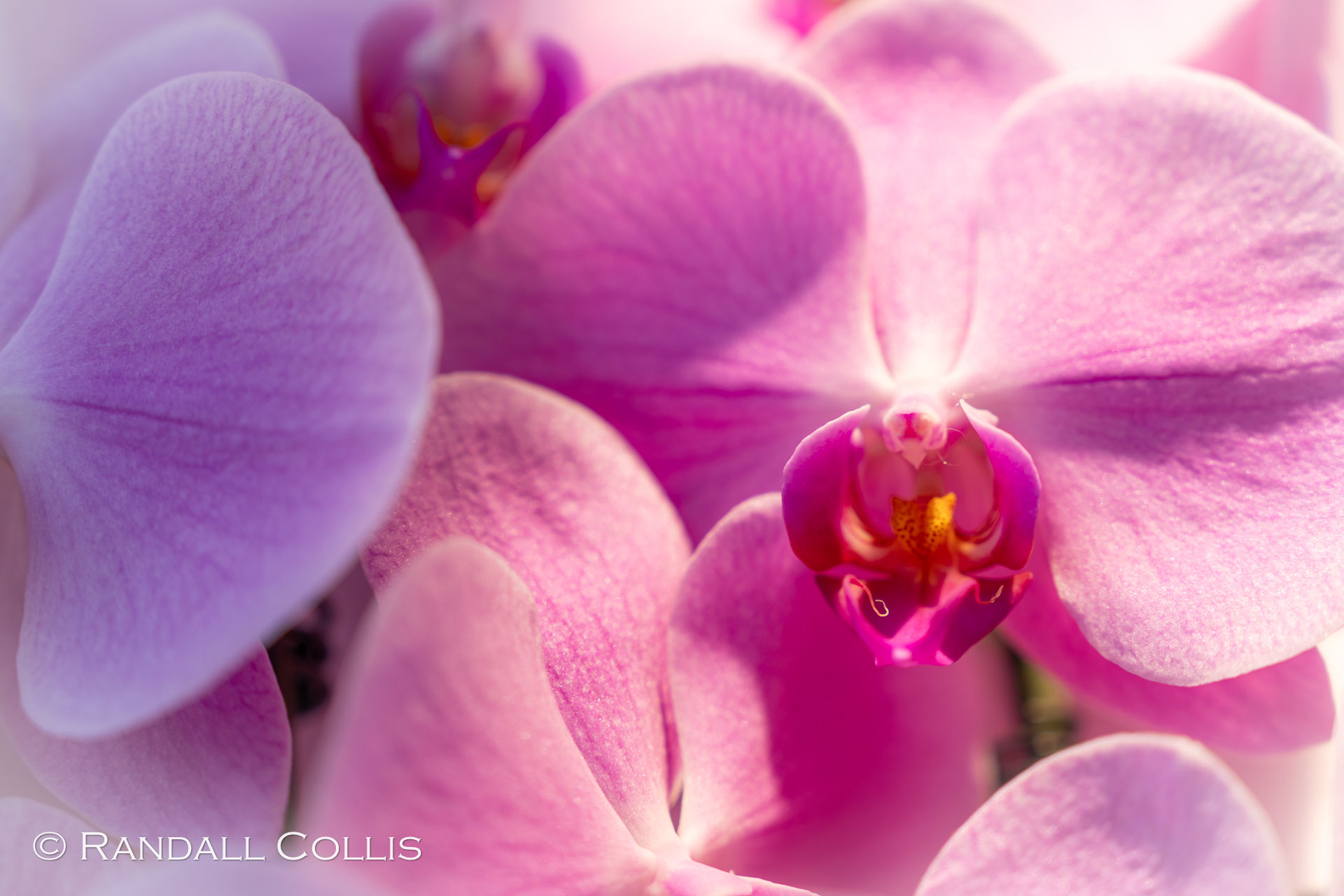
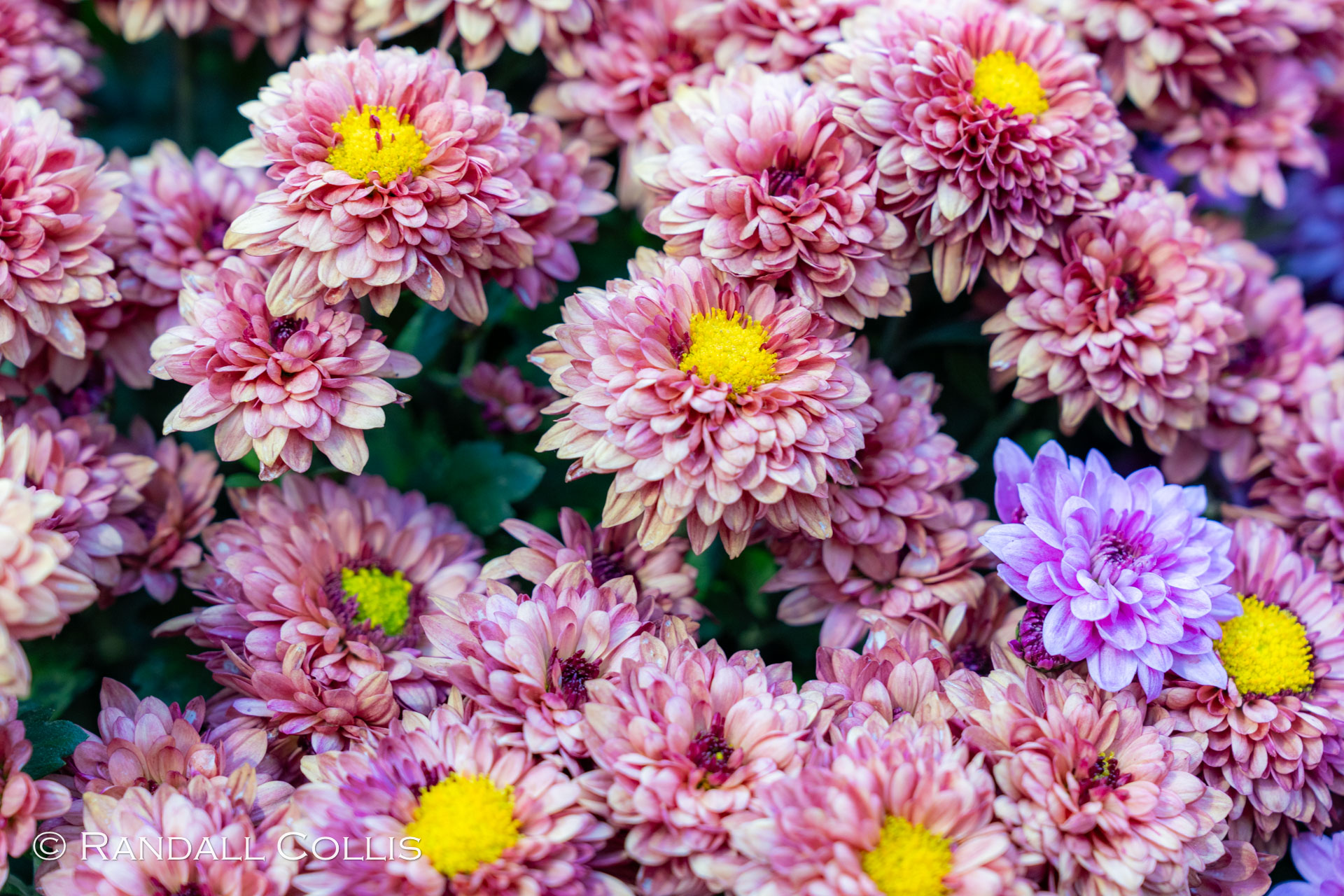
Sure, the flowers help. Today, you can buy beauty by the armful—peach blossoms, orchids, kumquat trees laden with symbolic coins. But as I start framing these shots, I can’t help but think how quickly a blossom wilts or how fast kumquats wrinkle on the branch.
It’s impermanence: what shines tonight will be tomorrow’s trash—and to shine for a night is not such a bad deal.
I think back to myself twenty years ago—searching for work, meaning, and adventure. My thoughts, experiences, and outlook have changed a lot since then—and I’d be crazy or gone if they hadn’t. But through all the changes, one thing stays the same: my unceasing search for meaning. Day, week, month, year—what matters constantly shifts, just as it should; it’s how nature works.
If something blocks my path, I find a way around it—like water, always in motion—and I get to where I need to go.
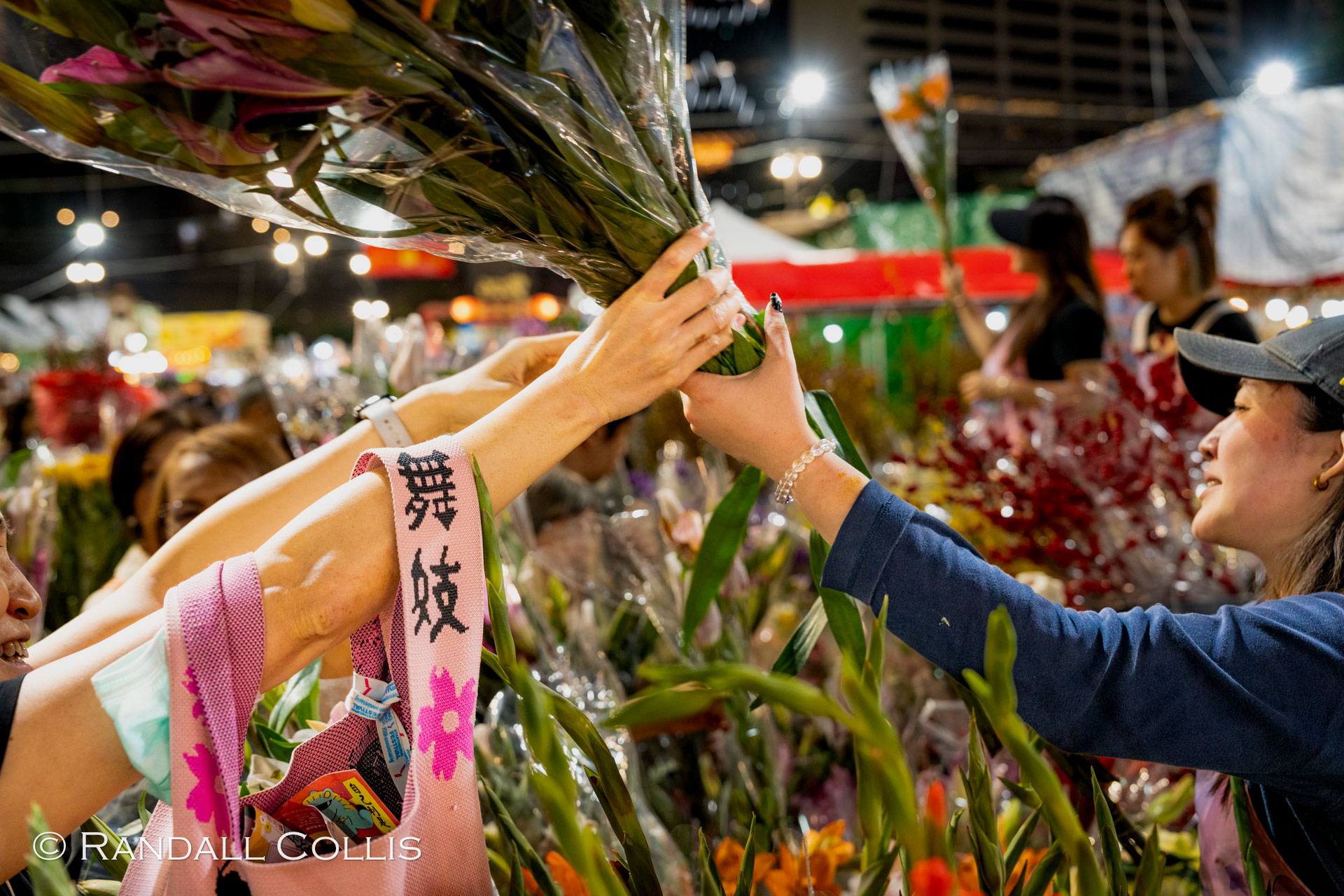
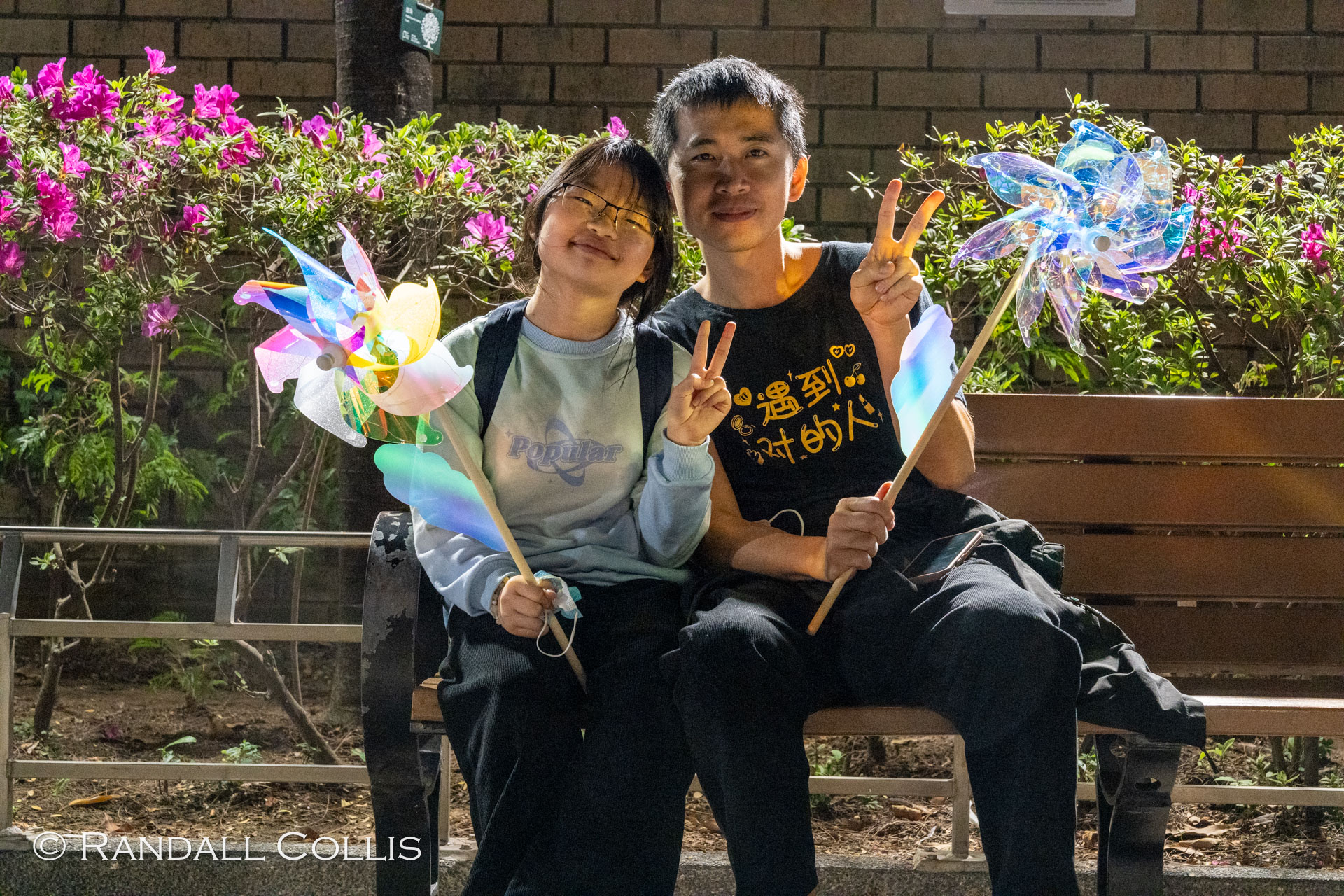
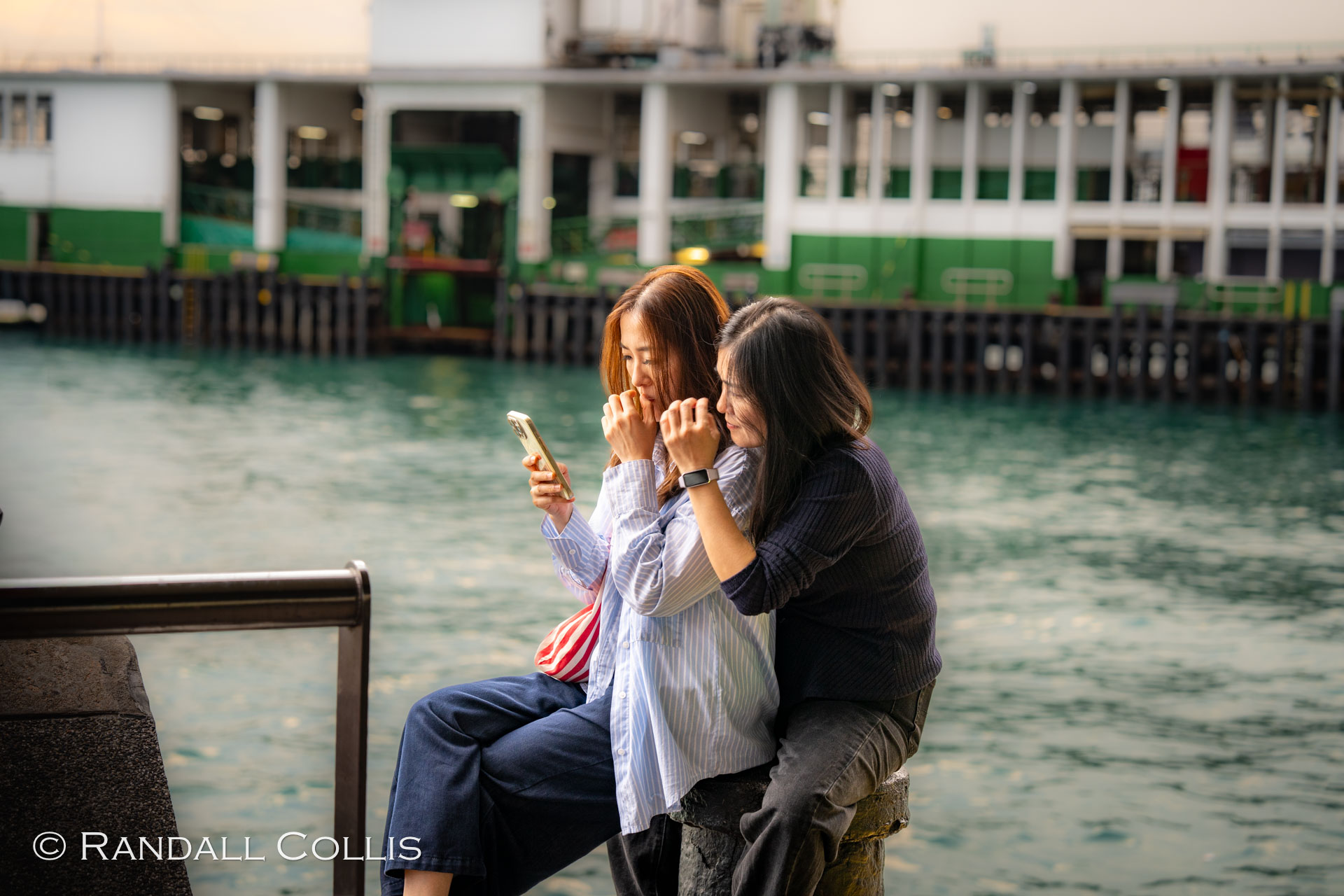
I head for the exit, and before disappearing from the scene, I stop to talk with a couple sitting on a bench outside the venue, collecting their thoughts and debating what mix of flowers they’ll need to start the new year on a lucky note.
For me, it feels like the right ending to the market. For them, I hope it’s a good beginning.
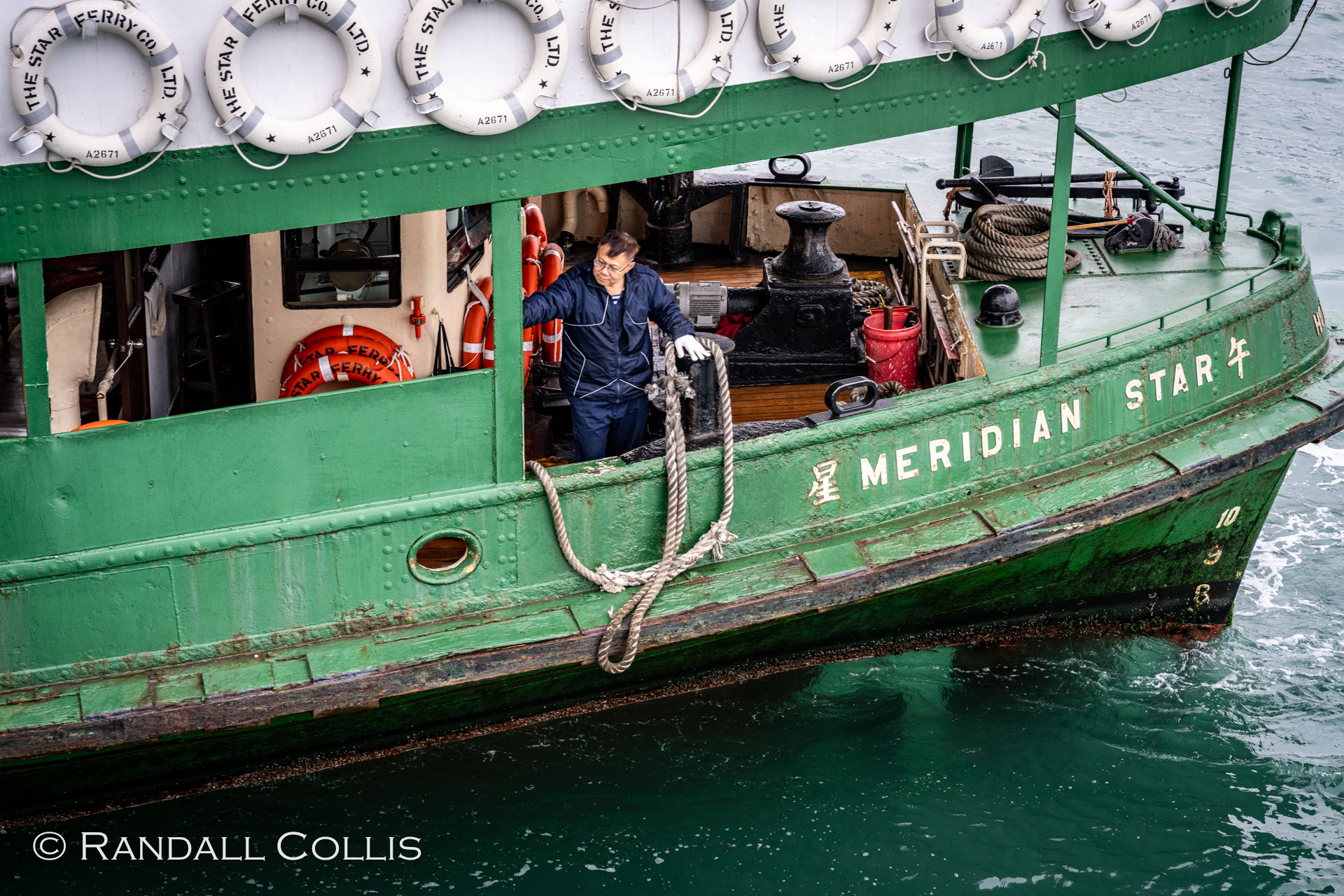
I walk down to the pier, where the Star Ferry waits in its green-and-white colors, unchanged over the decades and holding onto a piece of Hong Kong that has vanished. The humming engines, gangplanks clanging down, shouts of people, and rope men on the pier—all fold into the thick harbor air.
I climb to the upper deck, find a spot against the rail, and suddenly I’m back in my element: space to breathe, to ponder the day, to become entranced with the water. Kerouac found this feeling on highways and boxcars, being carried farther than he planned, but in Hong Kong the road is older—a gentler way to travel where the surface ripples, reflects, and leaves no mark.
I watch the towers of Central glide by in the glistening water, their reflections forming roads of light ahead, and get the feeling that the city is moving, not the boat. Some moments sweep you up—they’re rare treasures, and when they come, all you can do is sit back and let them unfold.
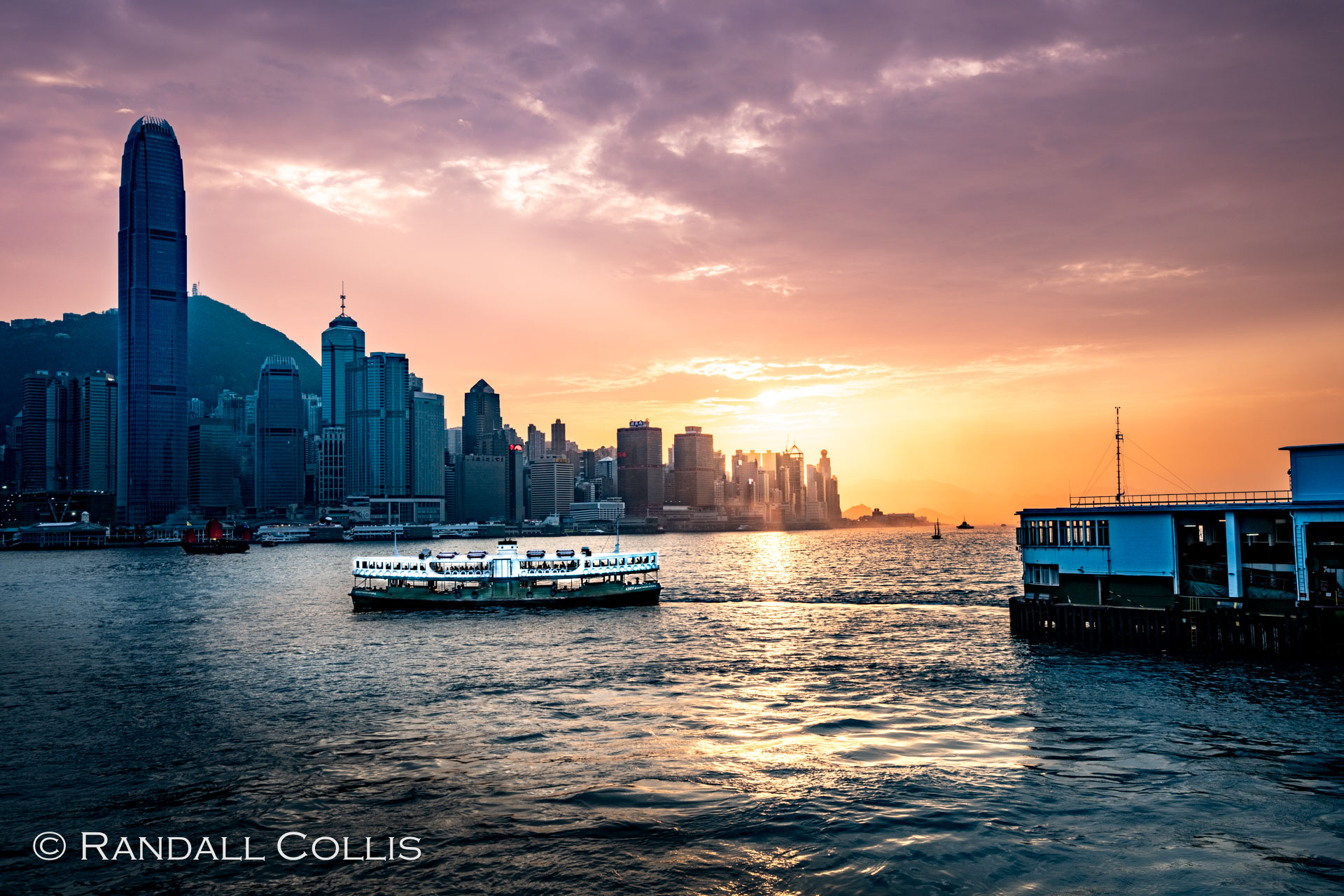
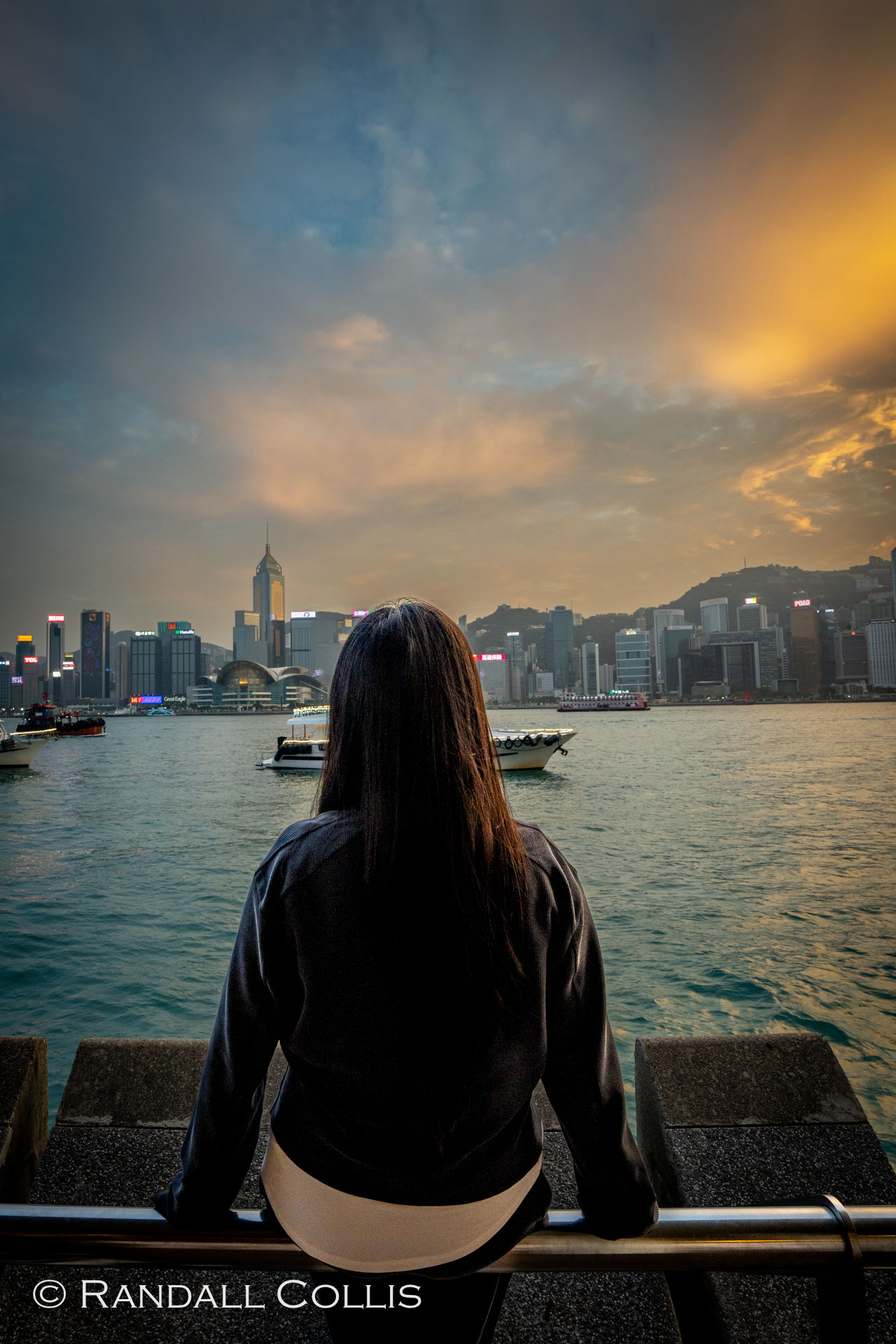
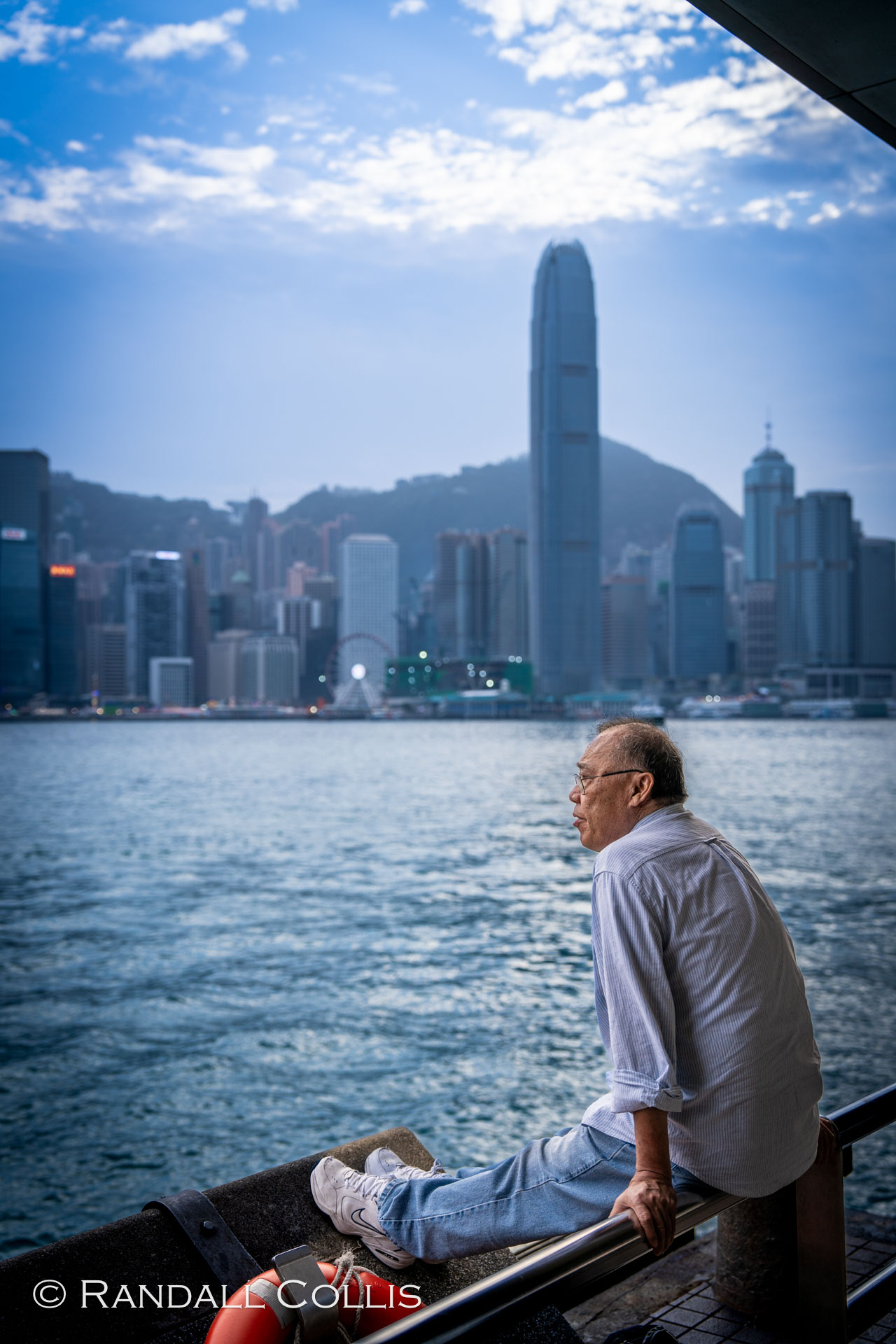
Sitting on the promenade in Tsim Sha Tsui, the beauty of the Hong Kong Island skyline fades to the background as the marine air and fog lift and the Star Ferry is given its opportunity to shine—the quiet heart of passage from the sleek hustle of Hong Kong Island to the raw, crowded bustle of Kowloon.
On the promenade, it becomes bliss: the small relief of being carried. A tide of people flowing into and through Hong Kong, faces and dreams of the past mirrored in the people near me today. A young tourist who eventually becomes a permanent resident. My past and my present moving alongside me on this current of life.
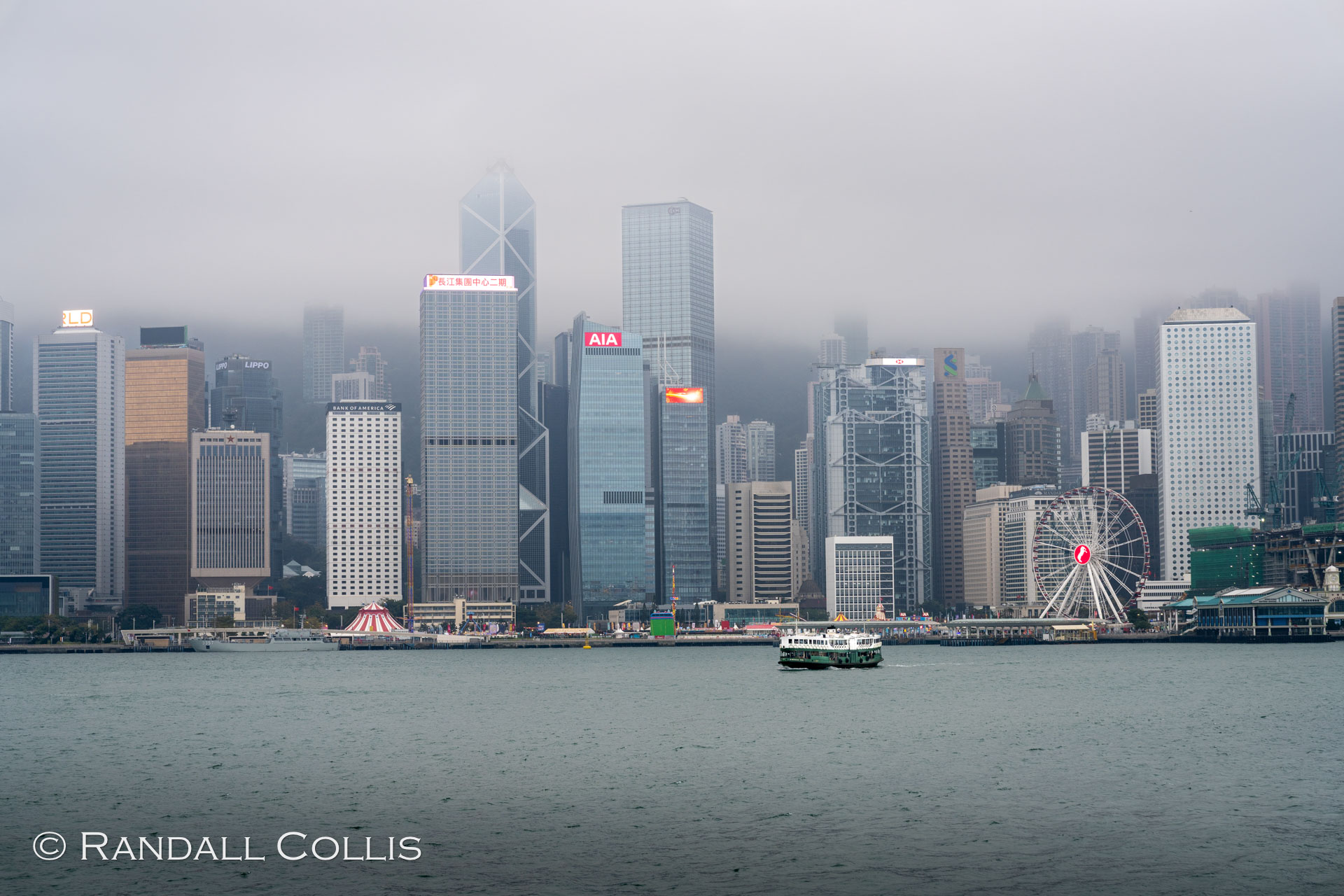
Amid all the celebration, I know too well that once the holiday ends—stalls dismantled, lanterns switched off, flowers tossed into the bin—the Star Ferry will still be churning back and forth with the rise and fall of the tides. Impermanence isn’t an idea here; it’s the timetable on the pier, and you’re either on it or not.
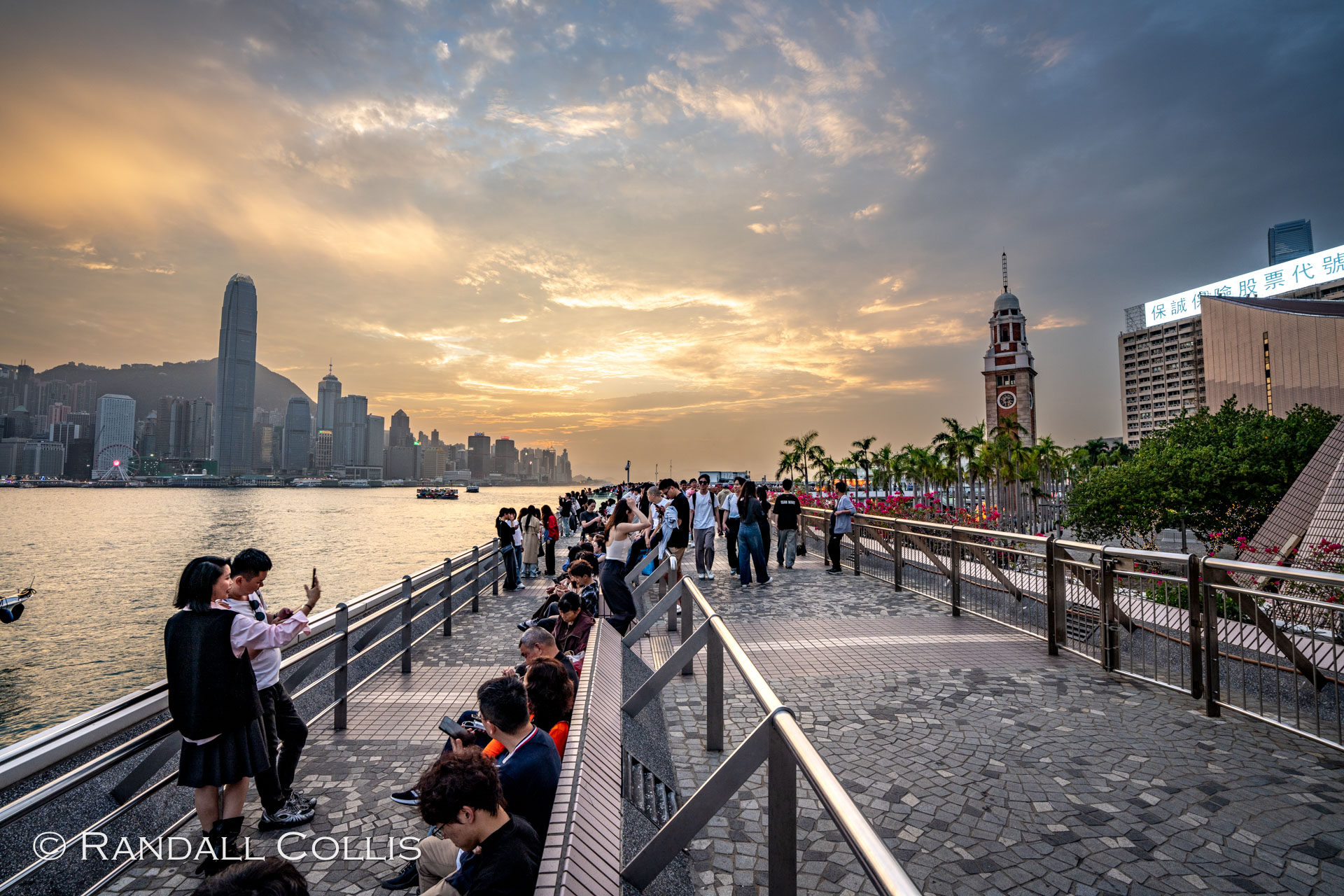
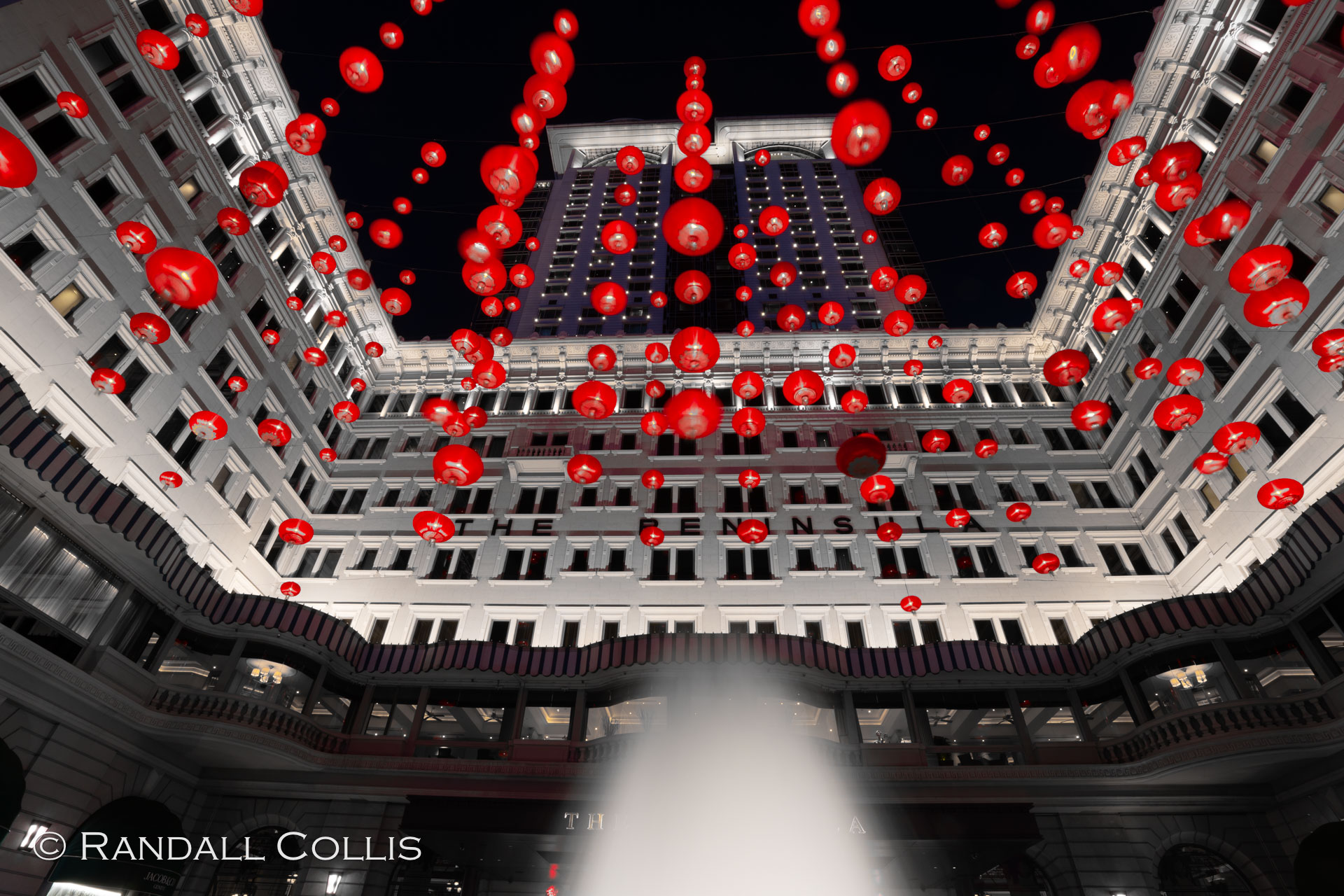
This flow of energy runs through a city awash with traditions I may never understand. That’s one more reason I can call this place home.
Isn’t this how a life should feel? Brushing up against something foreign that ignites curiosity, that makes you wonder what more is out there to experience, to touch, to understand?
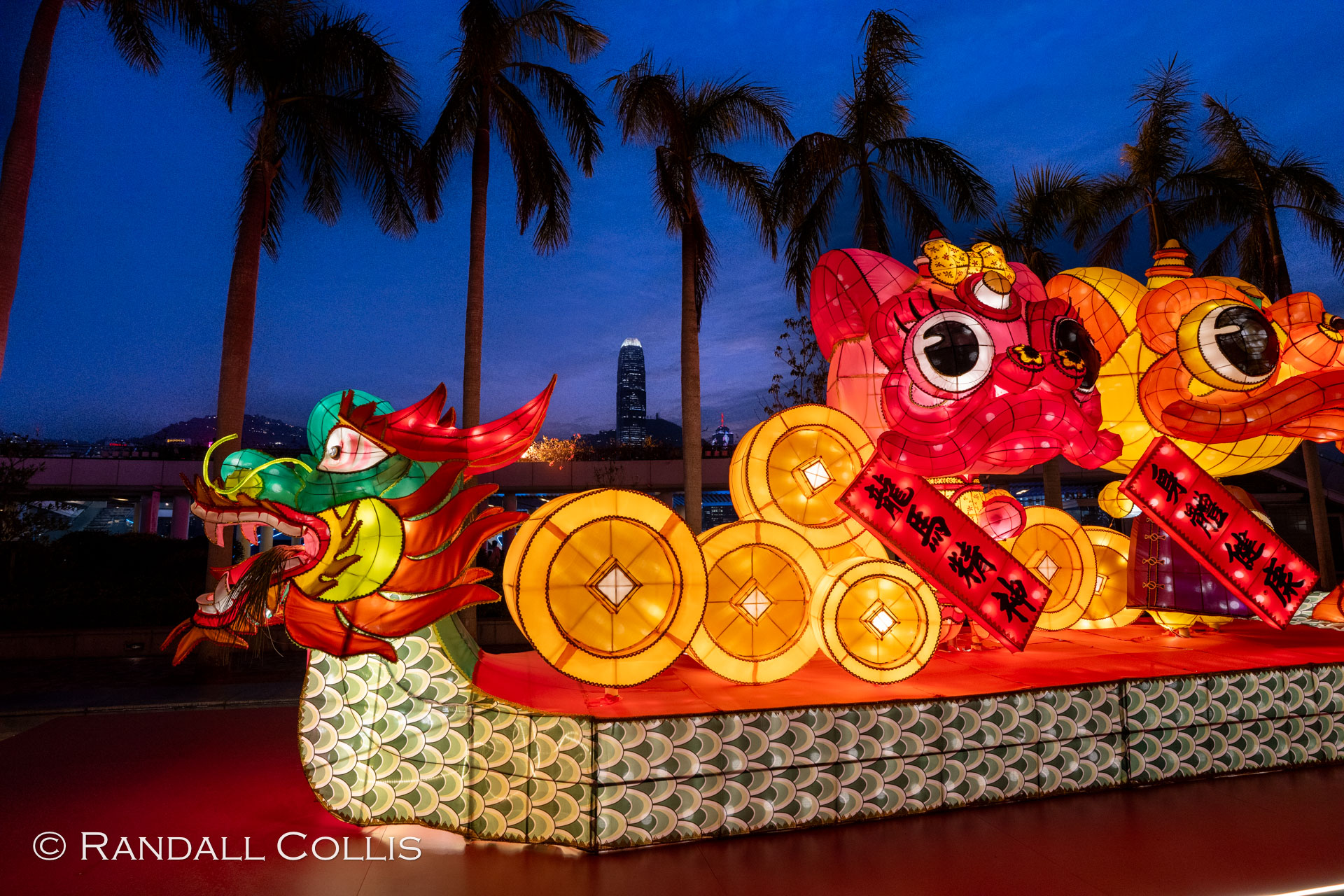
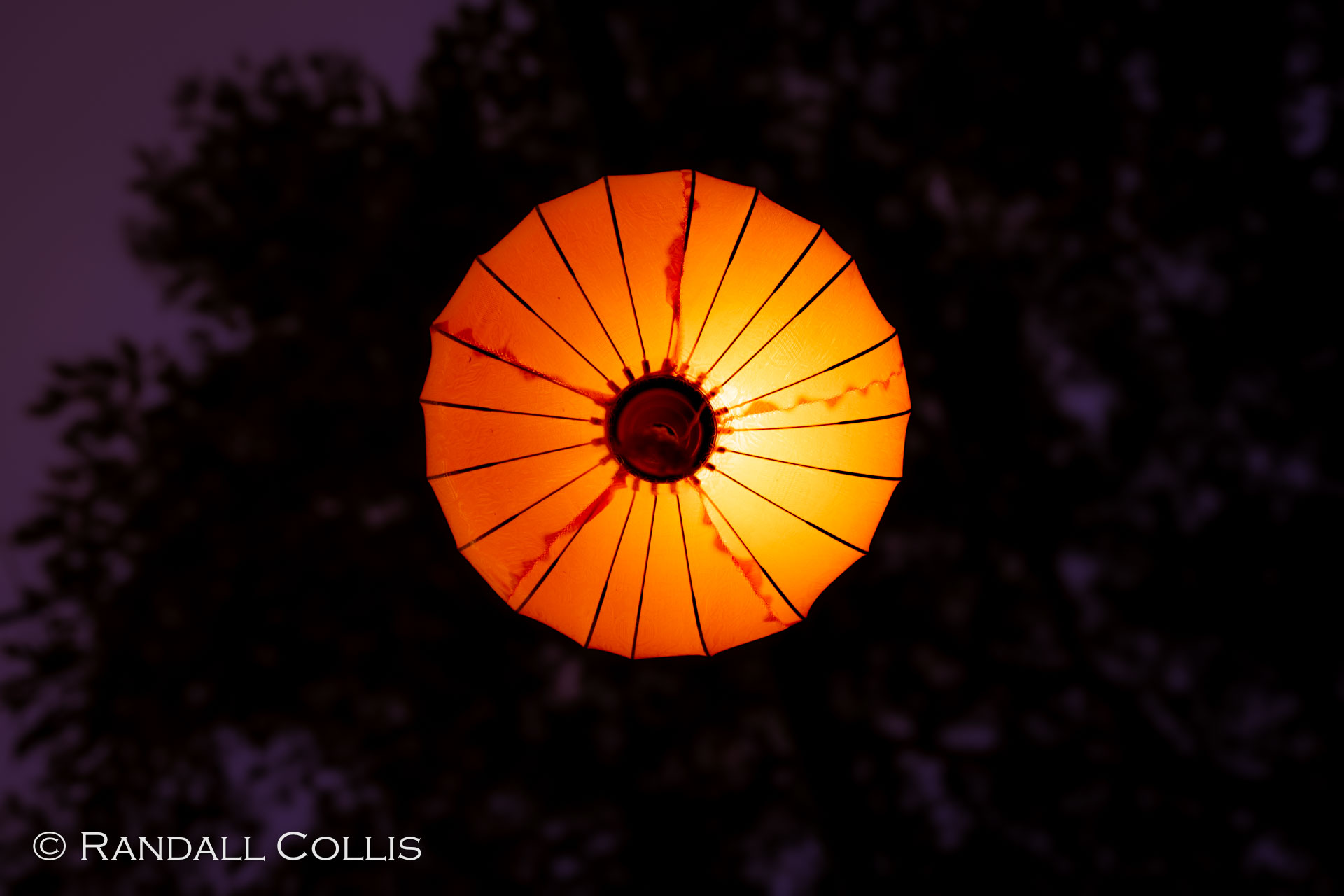
I turn away from the pier and the city, letting my attention settle on the lanterns that will keep glowing through the rest of the season, carrying the city toward Yuan Xiao (元宵节) at the tail end of the holiday.
I allow myself to get lost in the setting. Kids, along with their parents, share a slice of time in these precious hours of bright, ecstatic color—days they’ll reminisce about—before the undertow of knowing: it can’t last. There’s always another stage, another road ahead—ending and beginning so often it almost feels like it never stops.
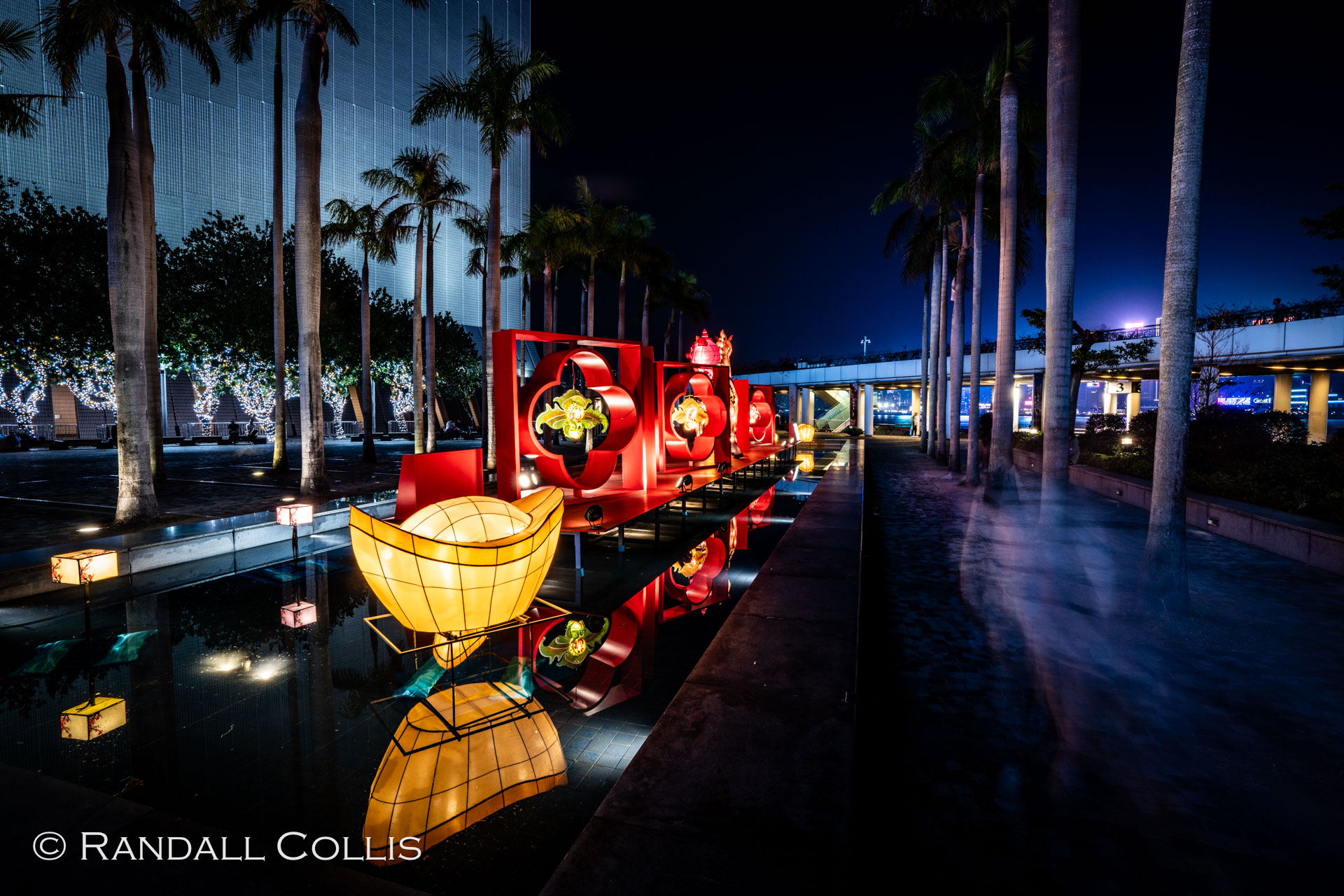
These lanterns draw me in so easily: the ambiance, the artistry, the design. I wonder what their creators think—artists who’ve spent months on a piece of work and, if they are lucky, get to see it shine for a few nights of the year? Months of effort for minutes of recognition. It’s enough.
The colors of Lantern Festivals brighten nights around the world, lanterns standing for hope, for guidance, for the courage to dream during these brief days of celebration. Here, in front of me, their glow is caught in the children’s eyes, reminding me that every lantern burning overhead will soon go dark.
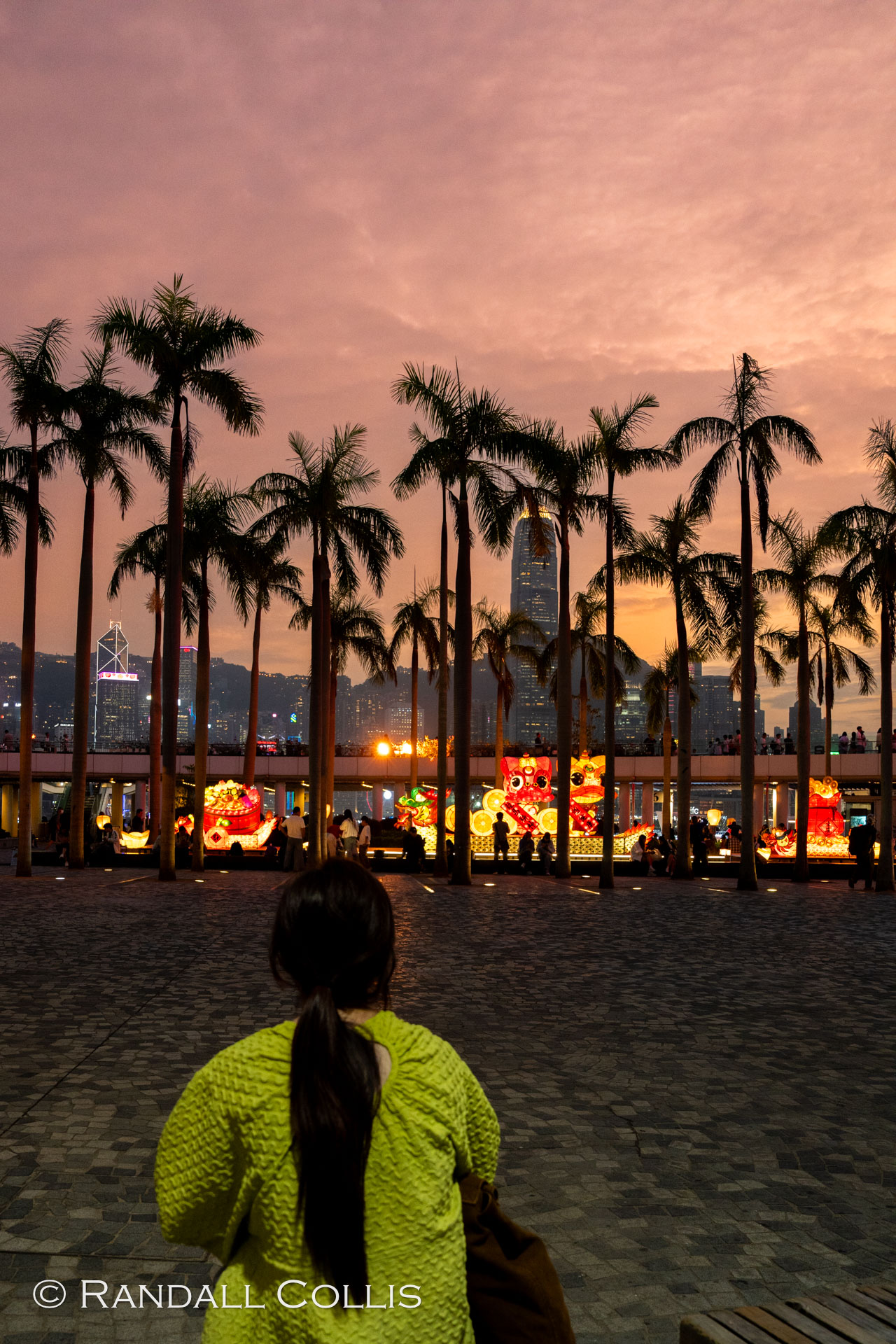
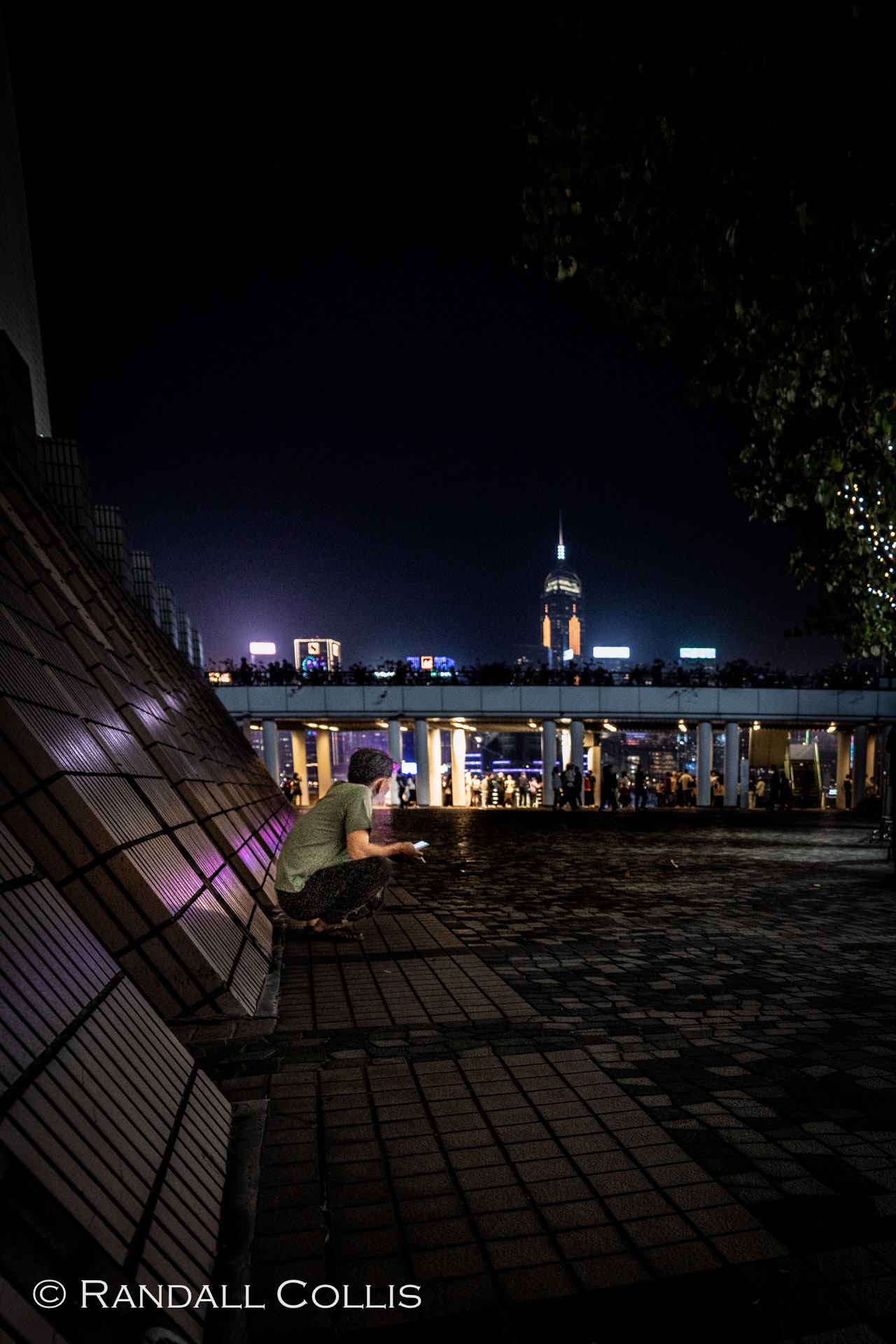
Scenes like this remind me that someone can dream of joy and redemption while still being mired in guilt and worry—someone I recognize in myself and in others.
Still, here I am, along with everyone else under these lights, making wishes.
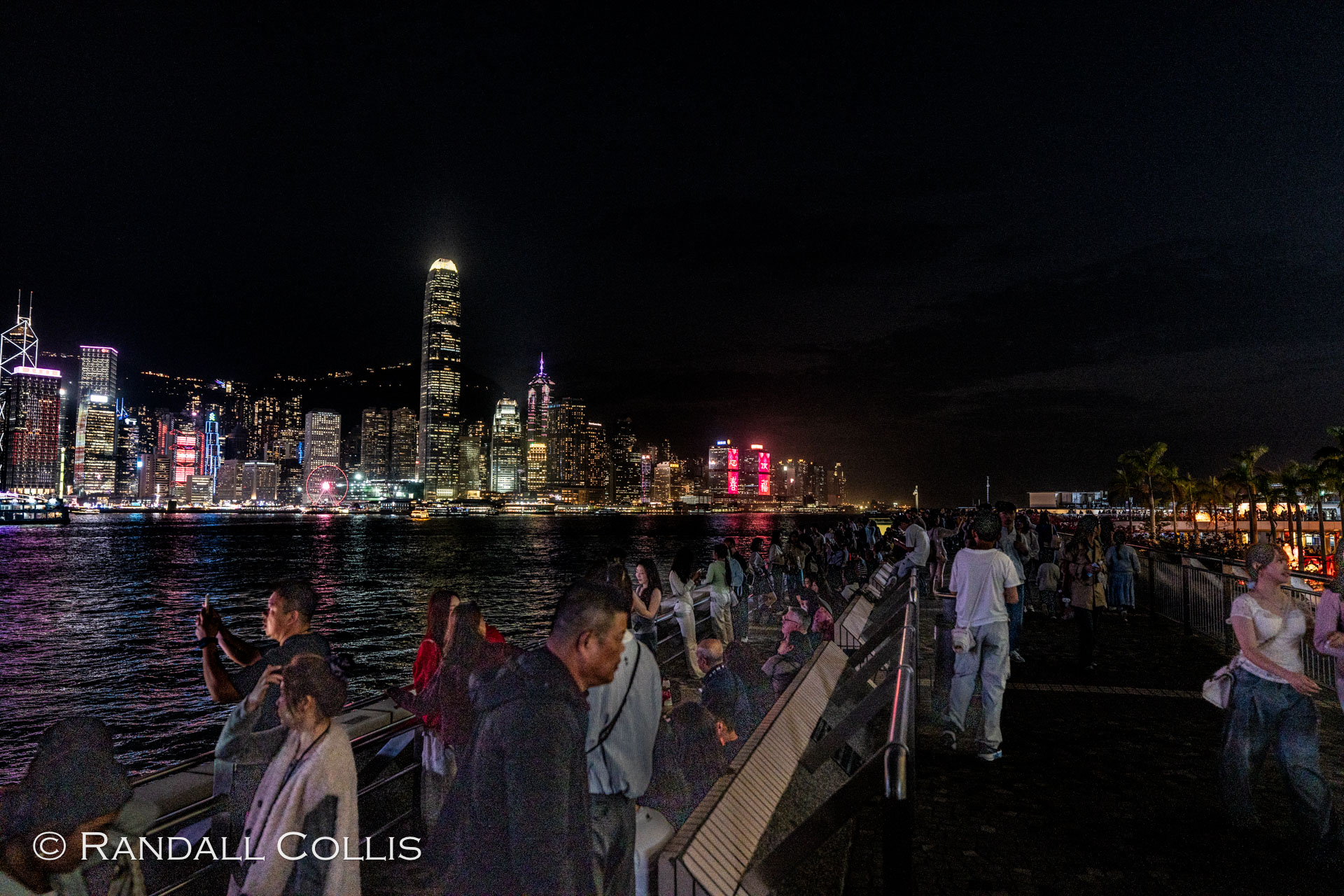
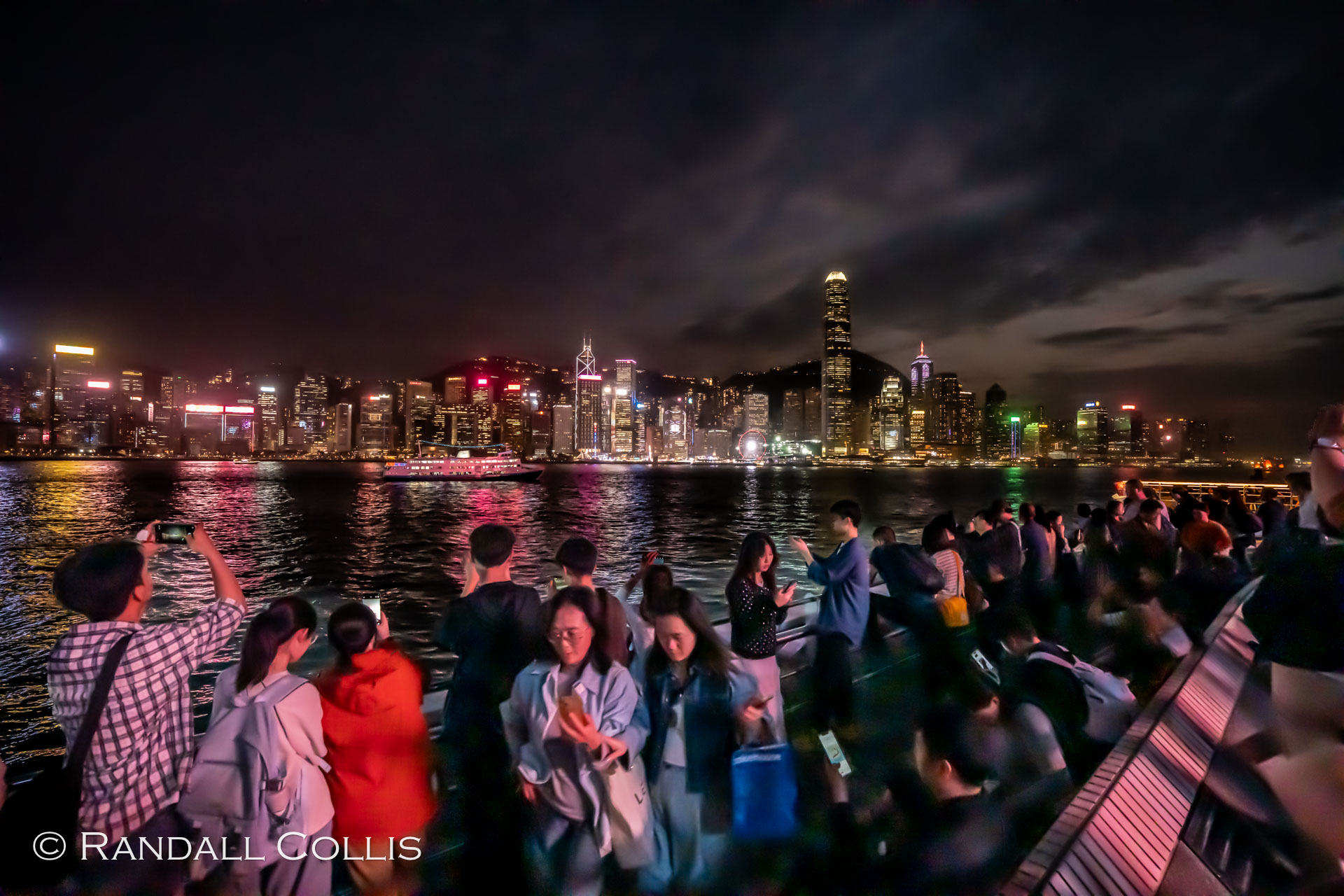
The drifter in me takes over, and I follow it as I walk up to the elevated promenade of the Hong Kong Cultural Centre and take in the view with other souls.
Movement, chatter, half-heard ideas—perfect whispers—while roads of light lie before us. I set my camera down, take a seat, and silently watch this world wash over me.
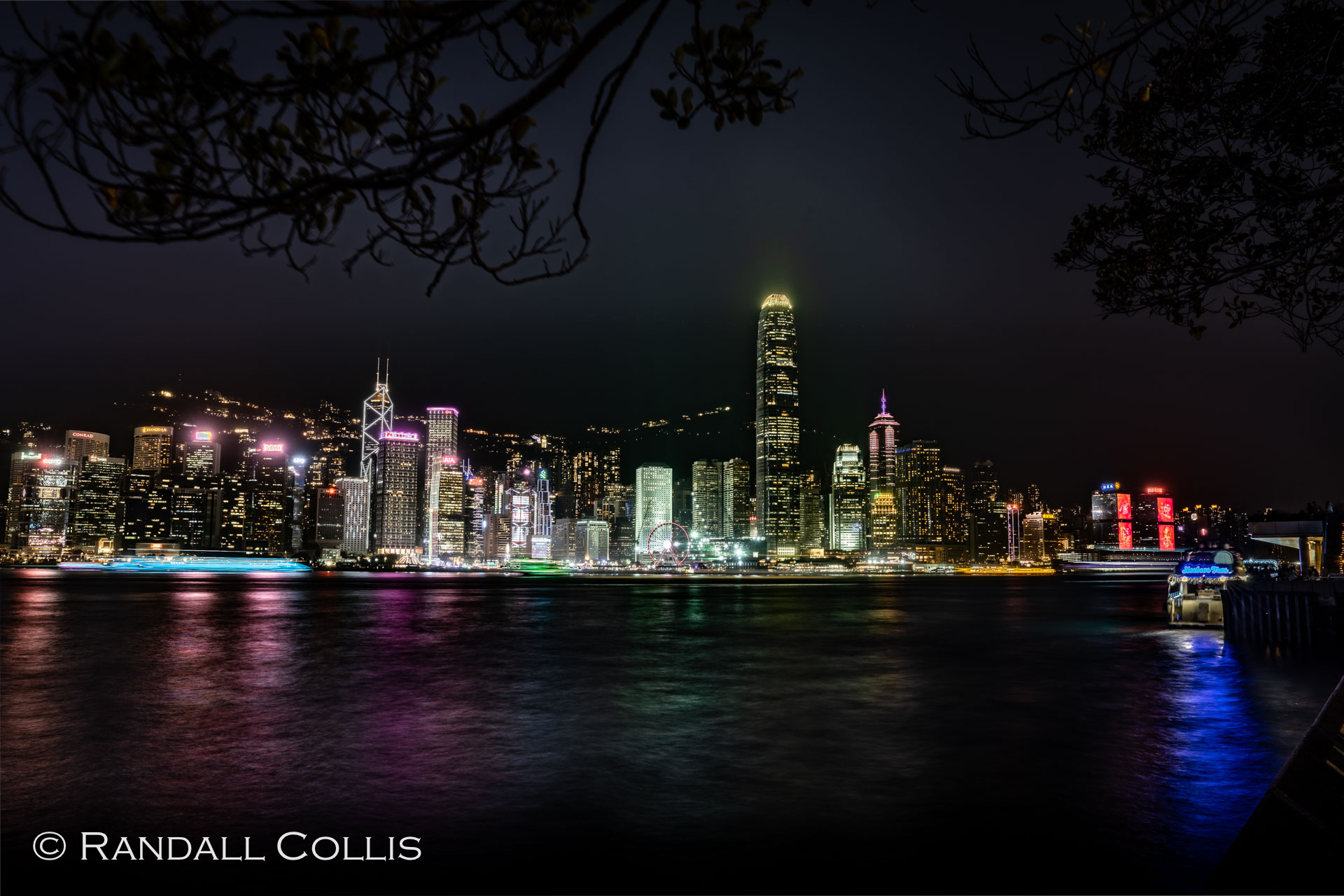
The night grows quiet, and around me is space that didn’t exist a short while ago. I pick up my camera, searching for the perfect shot to sum up the day, but it doesn’t arrive. Instead, when I look at the city, all I see are reflections of myself: the same face I see in the mirror every morning, a little older and, I hope, a little wiser.
The battle-worn traces of a life well-lived remind me that everything I see now—lanterns, markets, even the skyline—will change over time.
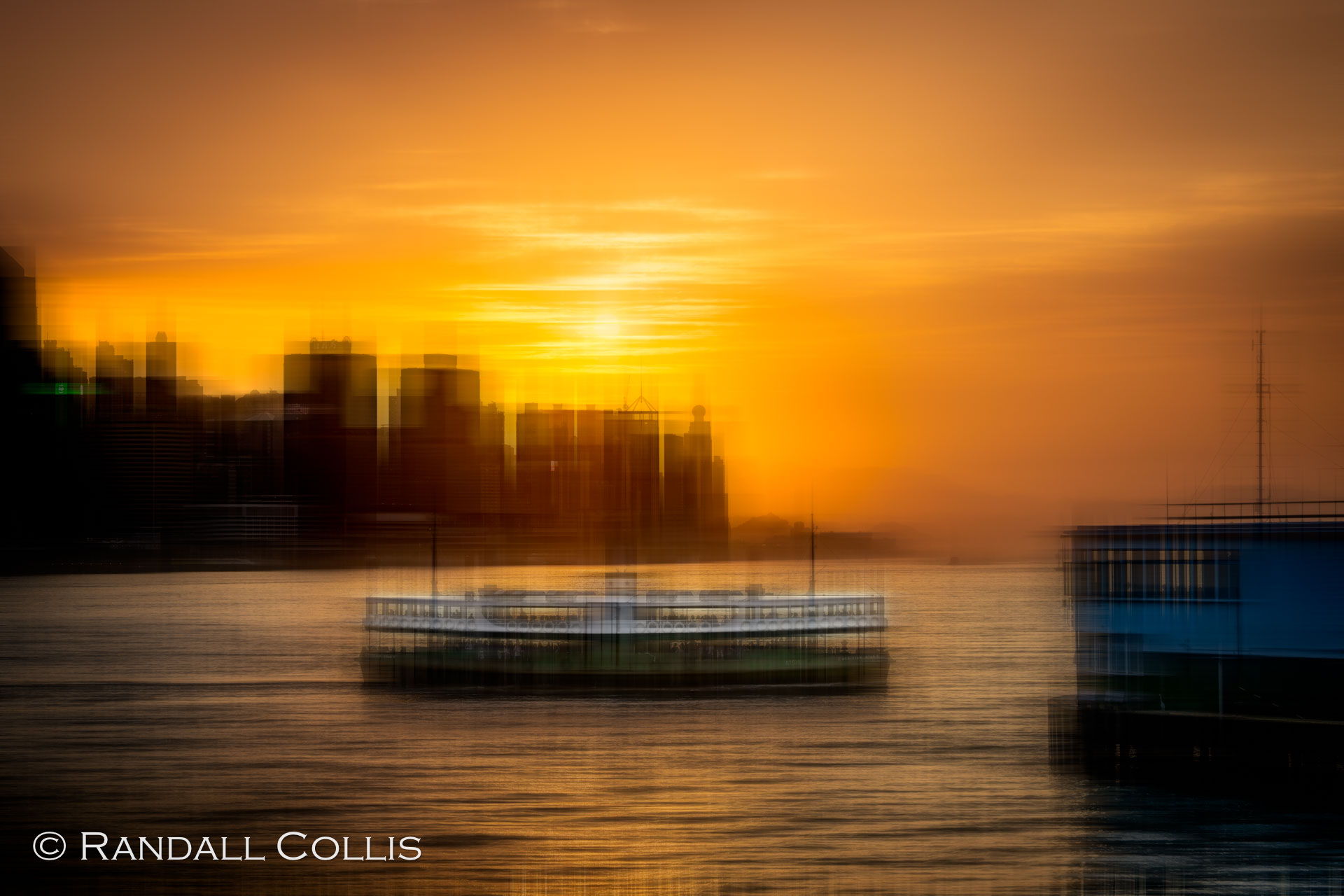
Change is simply the way things are. Hong Kong teaches it in the friction that movement brings, the sense of heat, of being alive. This city draws out that spirit more naturally than anywhere I’ve ever lived. It keeps a soul young, a mind young, even as the years quietly eat away at the body.
A mind and body in motion feed the heart and, with a touch of sadness, are likely the reason I’m always drifting. I can fight it and be miserable, or embrace it and stay on the road until it ends. Maybe it’ll never end, I think—and I smile to myself.
I lower my camera, turn toward the station, and let the city’s current carry me back home through the dark. I’m already wondering what kind of skin I’ll wake up in tomorrow when that dawn light blinds me through the window again, curious to see who the road will ask me to be.


 Global Sojourns: Photography & Philosophy
Leave a reply to Stella, oh, Stella Cancel reply