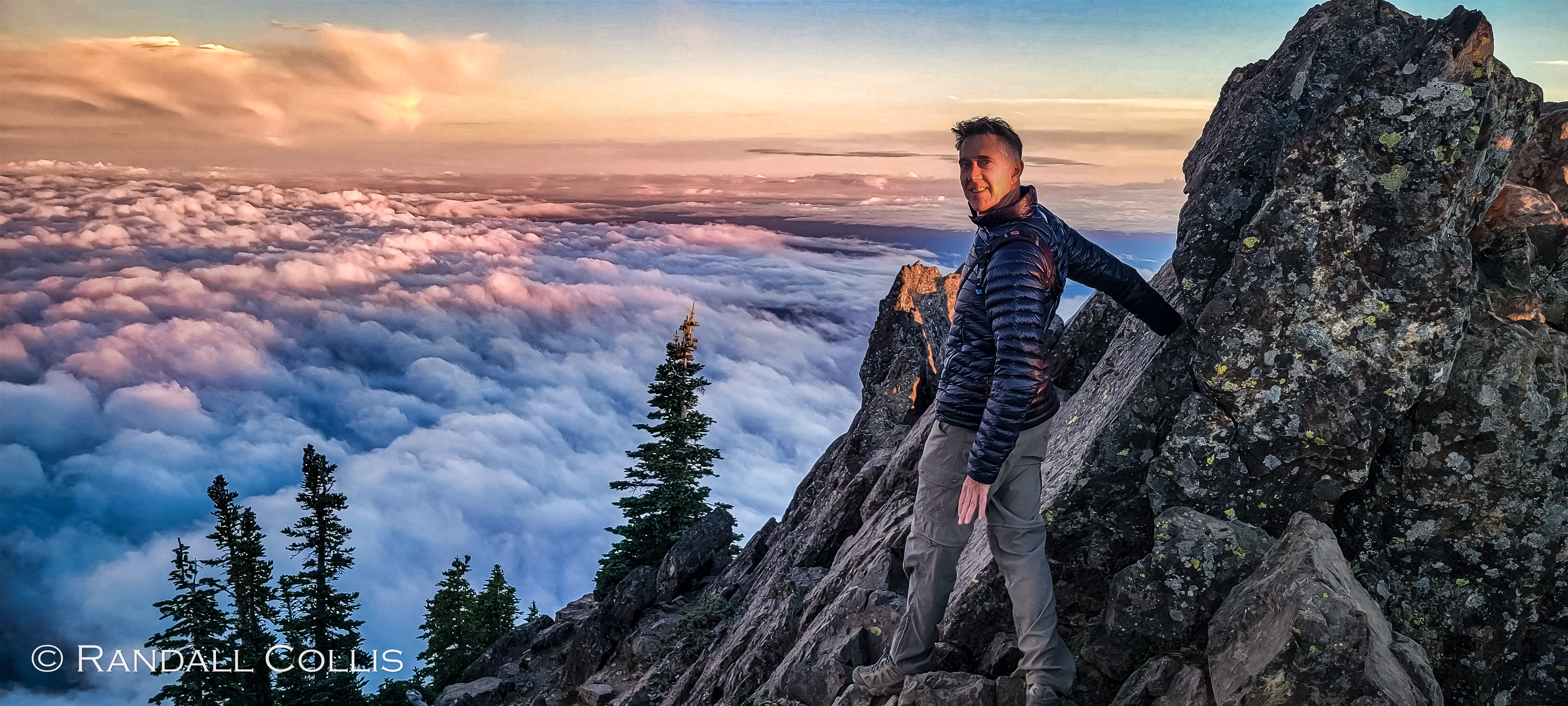

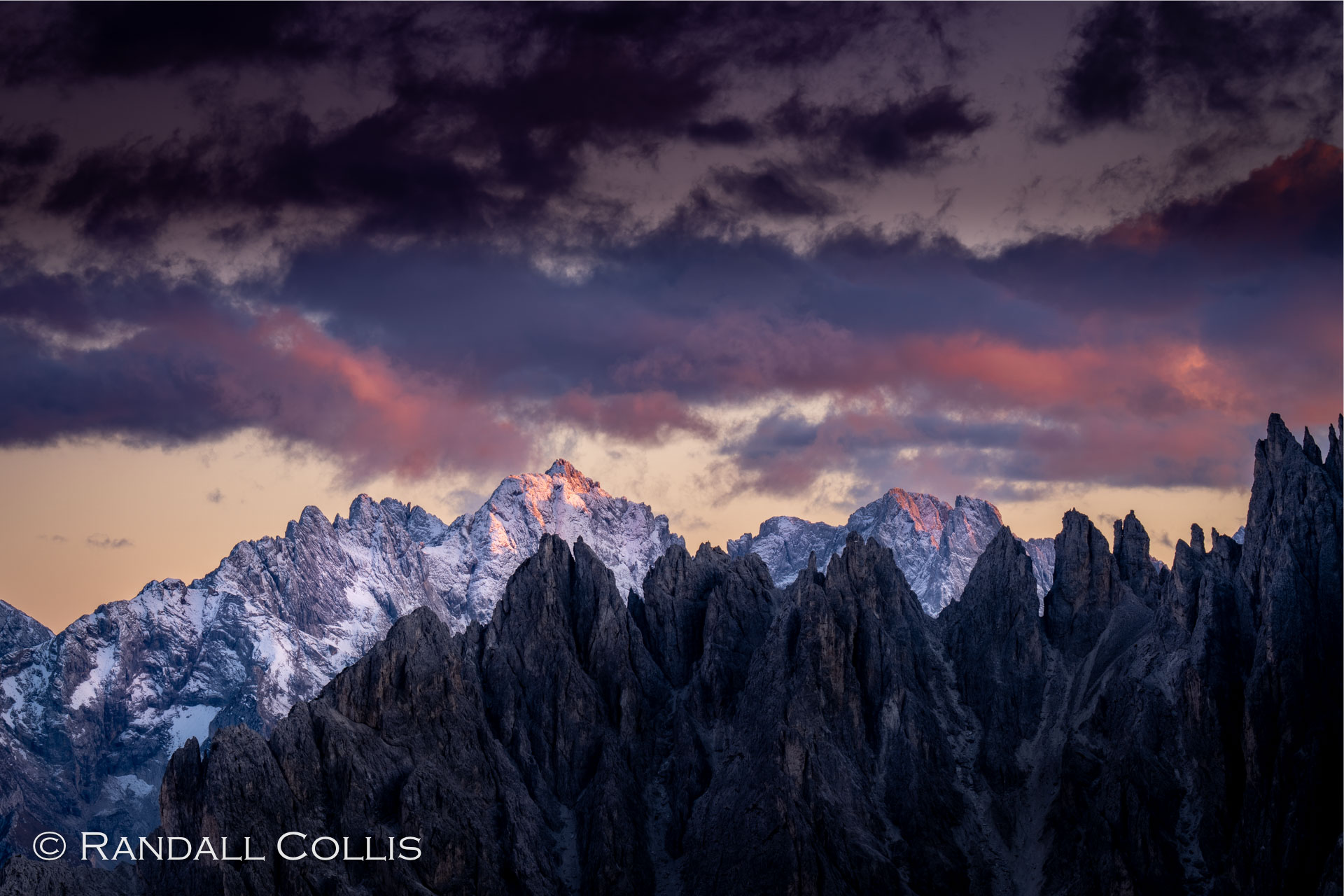
First light hits the crags of Cadini di Misurina, and the sky ignites—not just with beauty, but a hint of revelation. I wake in the Dolomites; Zorba’s words still echo in my mind.
I dreamed of Zorba the Greek. His words cut into my soul, slicing into the life I’ve built on plans and metrics:
“I like you too much not to say it… You’ve got everything except one thing: madness. A man needs a little madness, or else…”
Waiting for him to continue, I asked, “Or else?”
He smiled and said, “He never dares cut the rope and be free.”
– Zorba the Greek, Nikos Kazantzakis, 1946
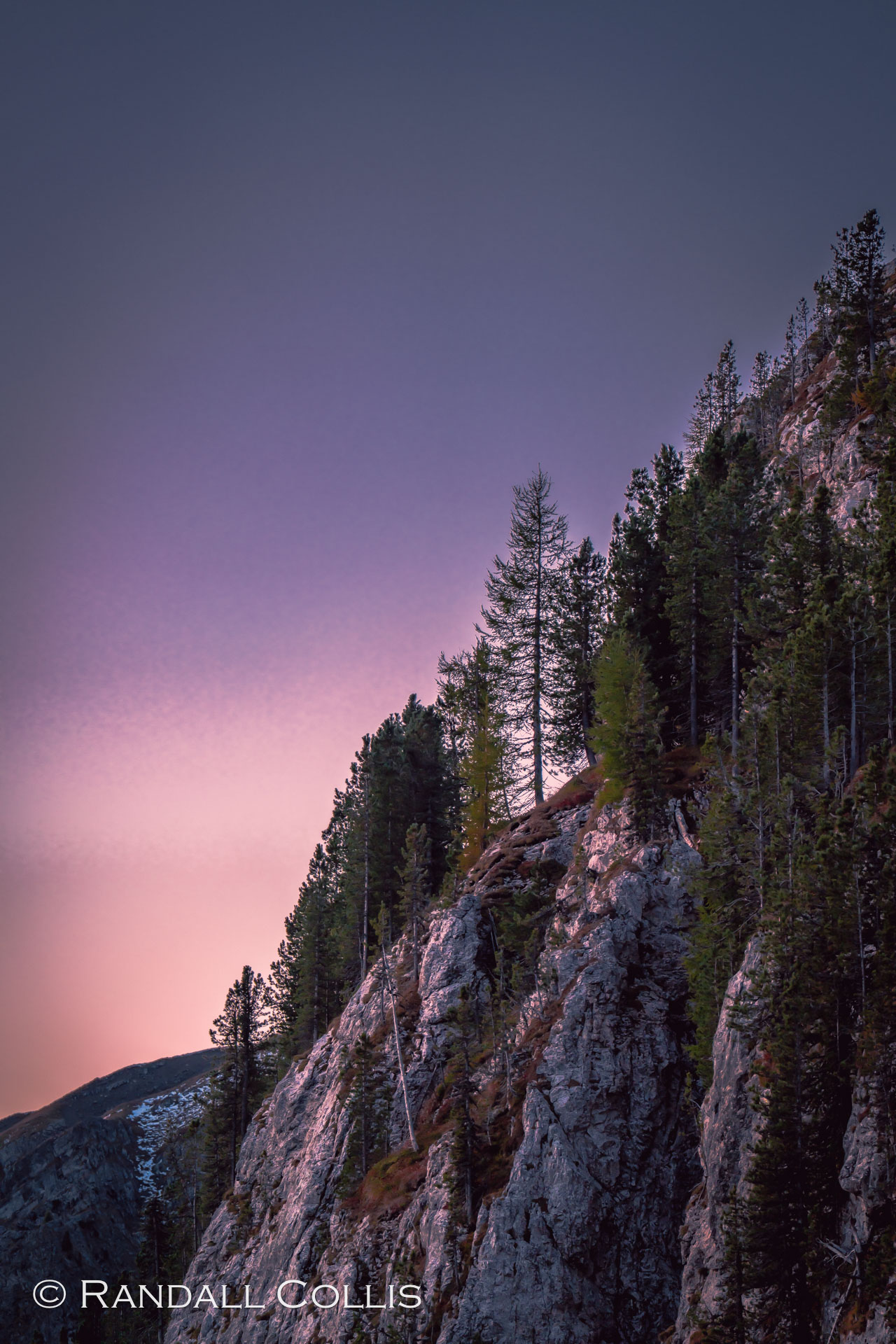
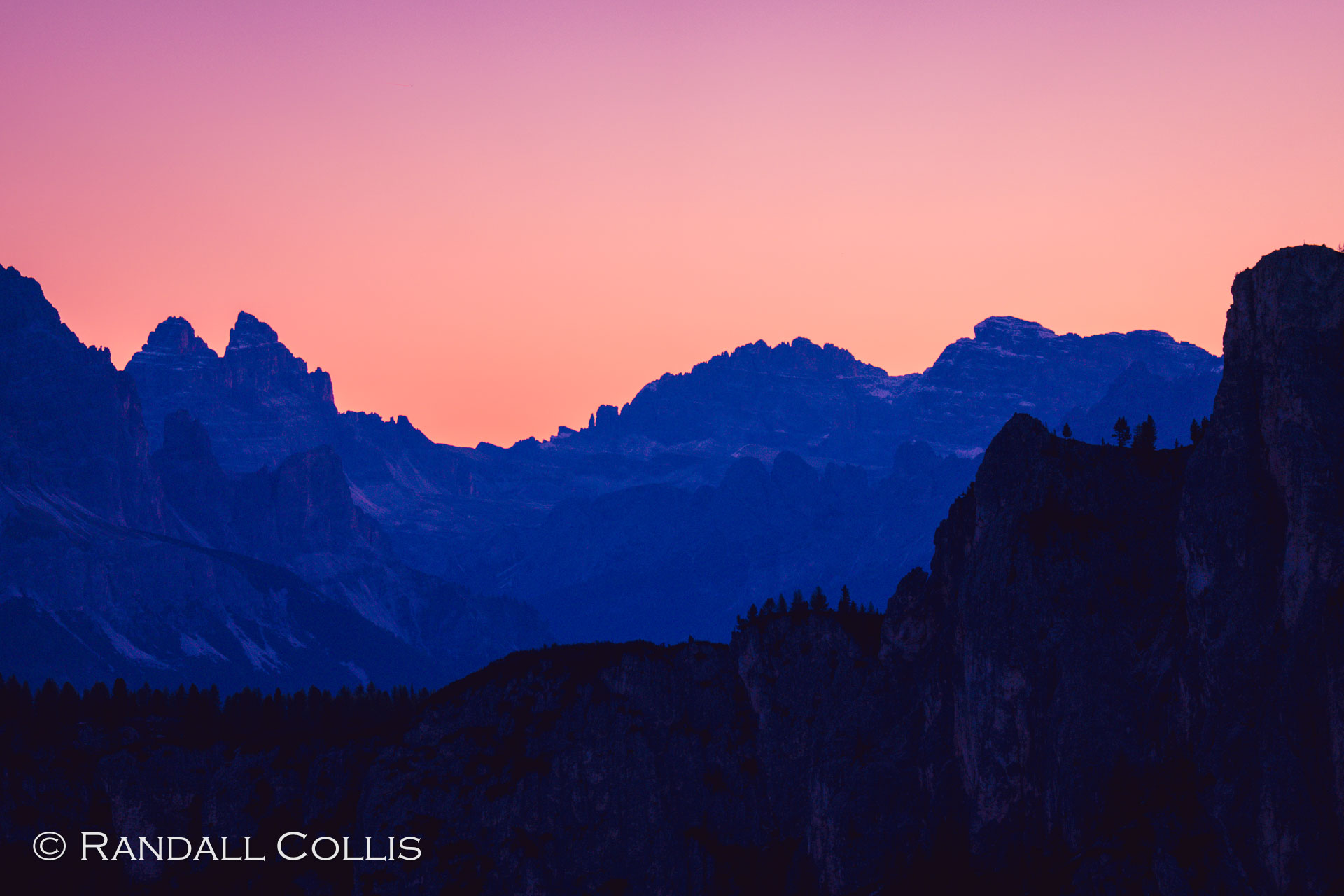
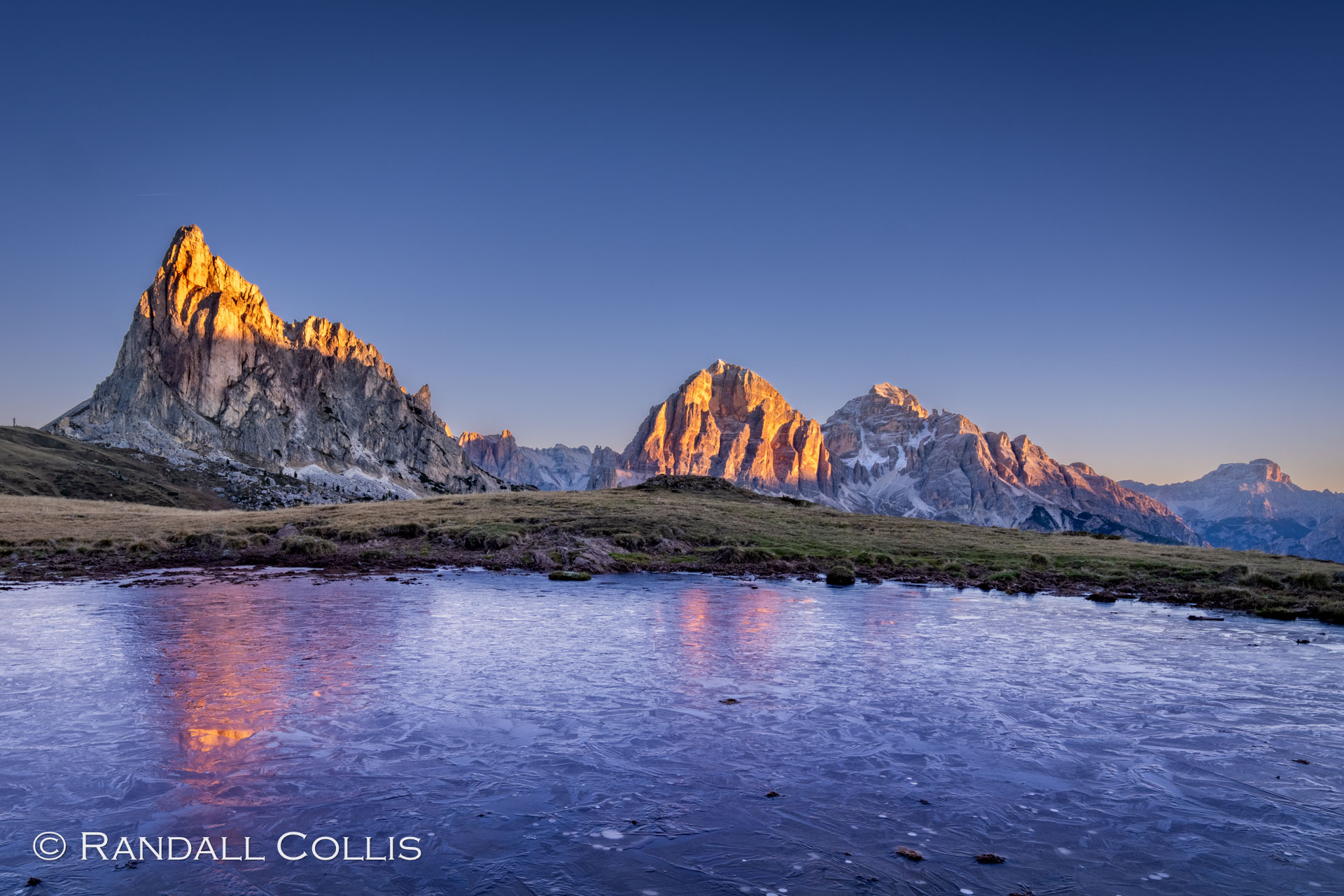
Dawn with Zorba
“Cut the rope and be free…” I think about this as I stand alone in the cold wind. What holds me back? What are my ropes? Overthinking, spreadsheets, and a packed itinerary—all of it work pretending to be freedom.
As the faint light grows, I’m warmed by the first rays of the sun. The charged quality of first light is unmatched, and if I time it right, I can capture some of this magic—tap into something beyond metrics and emails.
From my first step in the Dolomites, camera and a plan in hand, I realized I never walk alone. Between the rifugio huts and the next ridge, my inner philosopher thinks about life, my photographer looks for the best shot, and Zorba, my wild Greek alter ego, keeps telling me: “Put down the lens and feel the wind, boss… the mountains are speaking.”
These are the moments when I feel closest to that power—or at least get a glimpse of it.
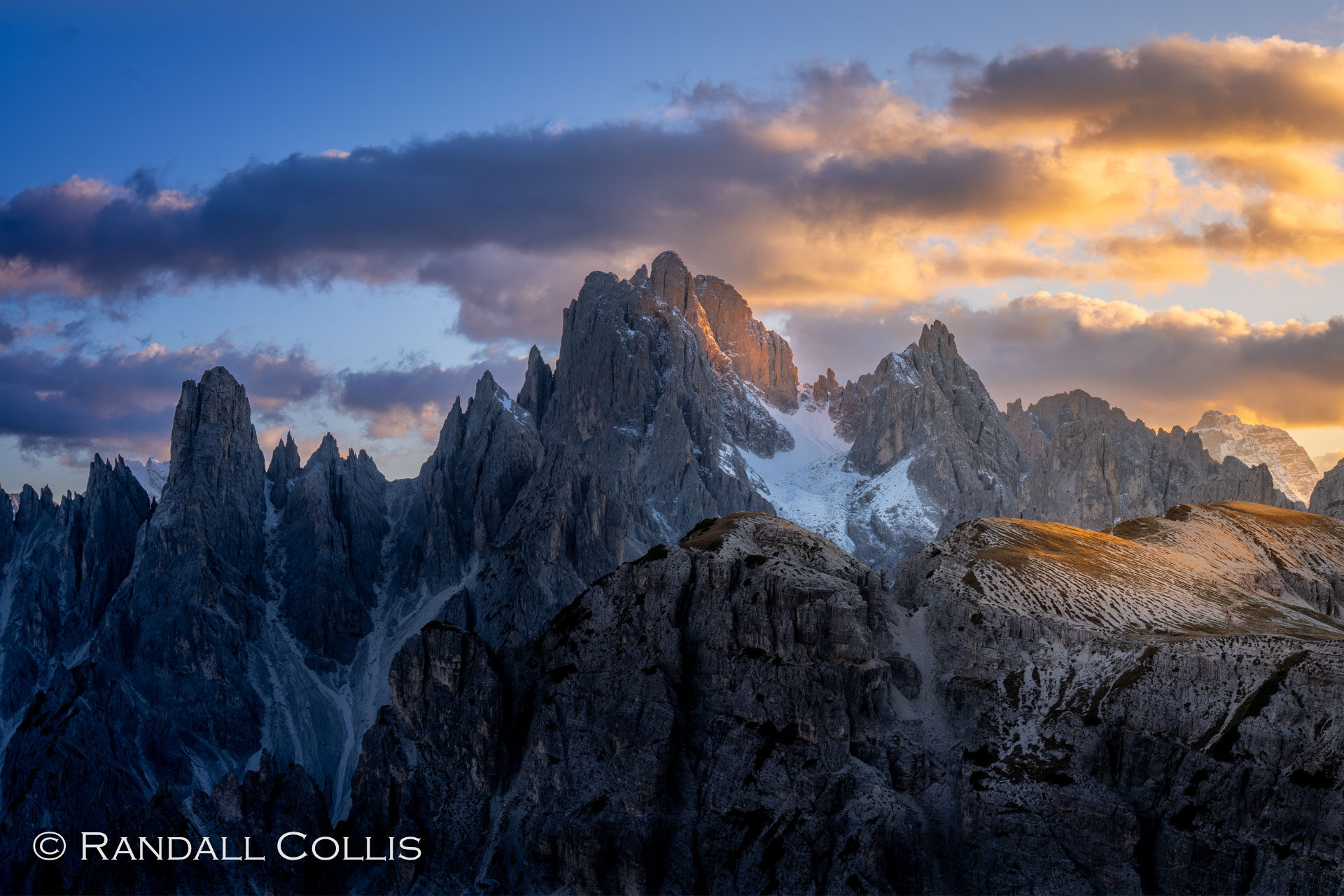
Whether it’s the glow of a spreadsheet or the alpenglow of a mountain, dawn brings a choice: dreams can be tossed aside, buried in daily tasks, or boldly snatched—accepting both the ecstasy and sadness that come with it.
This paradox wrestles daily to define what dawn may bring—what life may bring.
I look down at my backpack, full of my camera gear and plans, then up at the beauty around me. The same struggle looks back at me. Am I ready? I pause, unsure.
Zorba scoffs, naturally unimpressed. “You call this freedom, boss?” He looks at my pack. “How can a free man carry three zooms? Take one lens and one heart; cut your ropes of captivity.”
No chance. Leaving a lens would weigh on me more than the extra load. Wide, mid, and telephoto all matter to me. So I carry them all.
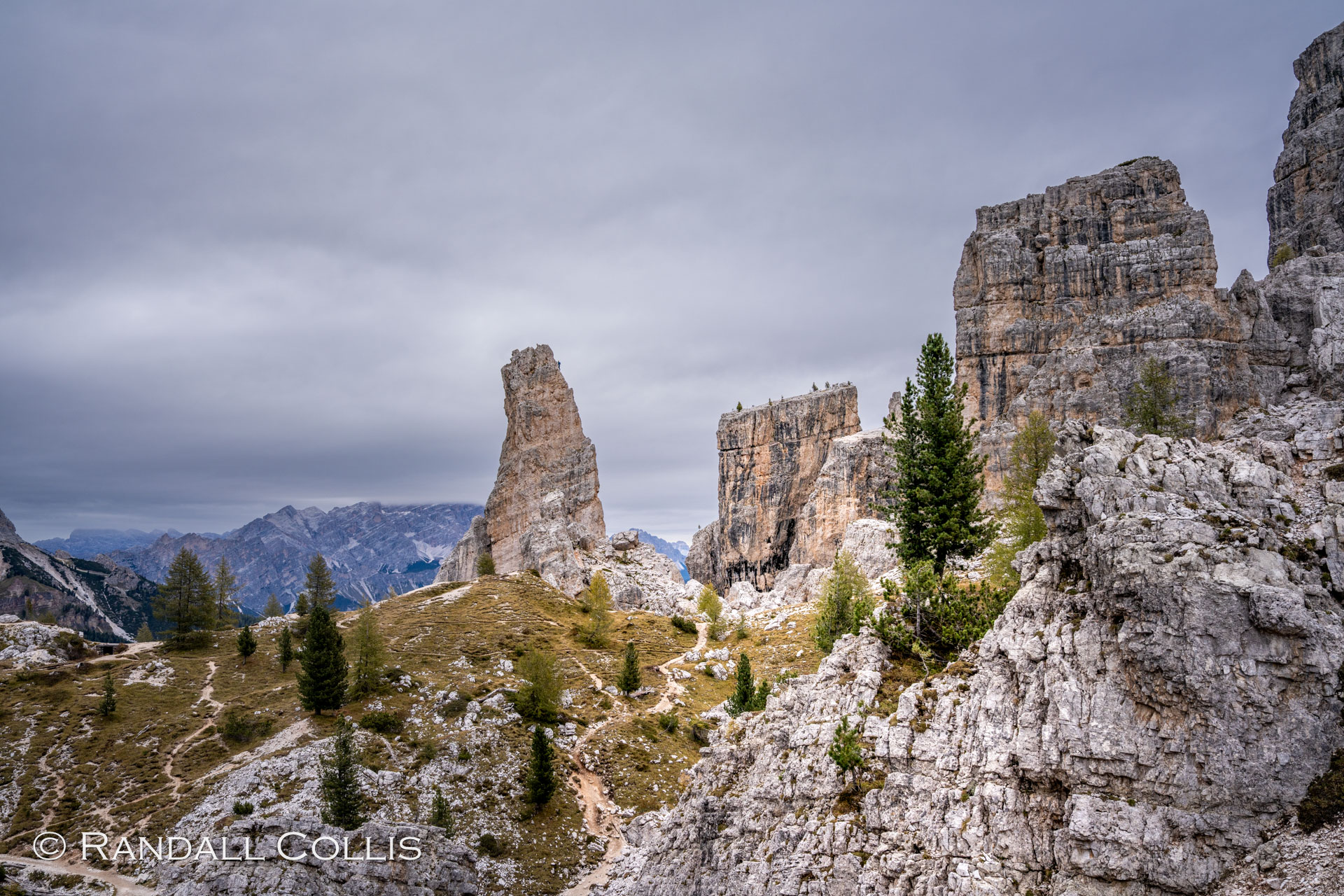
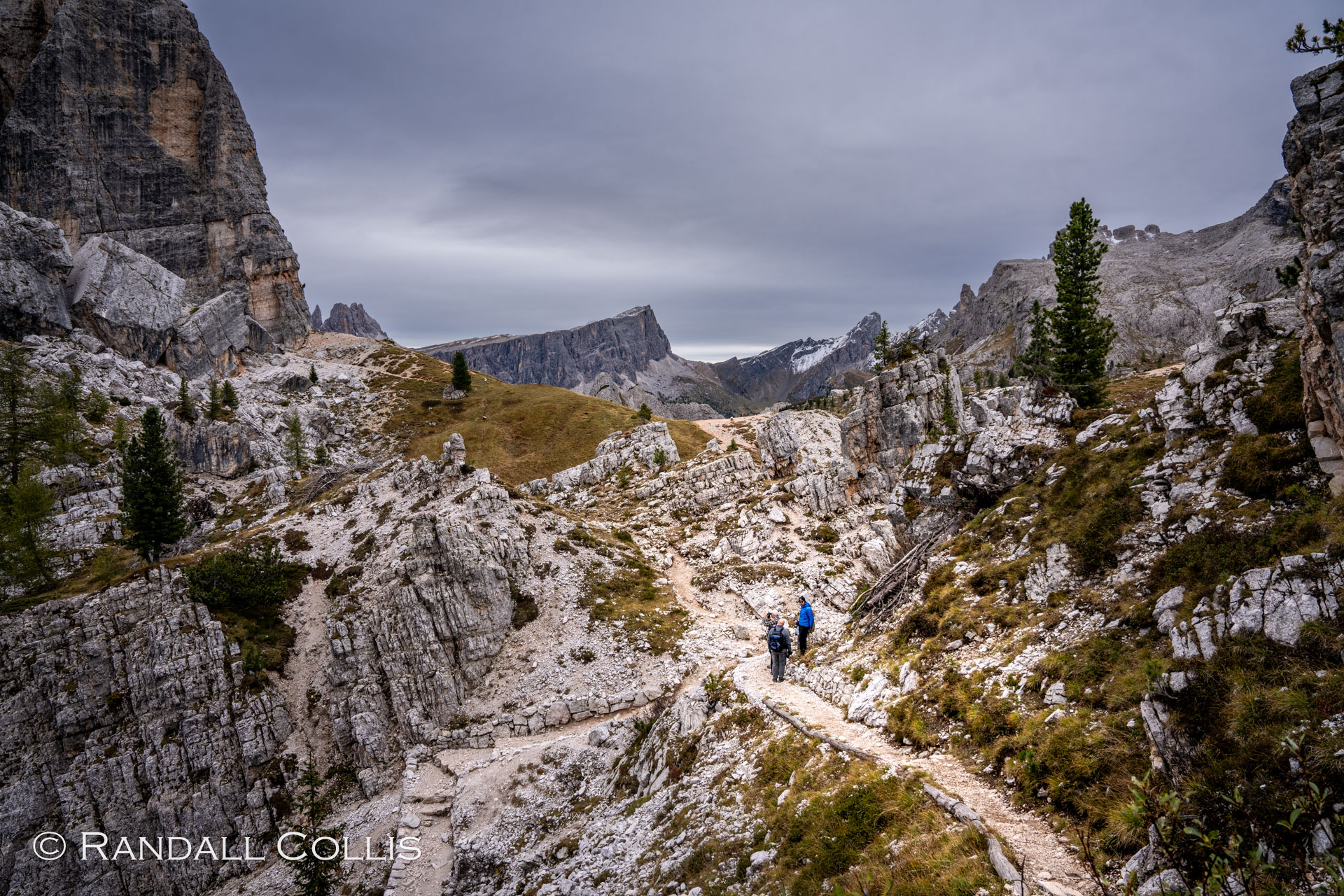
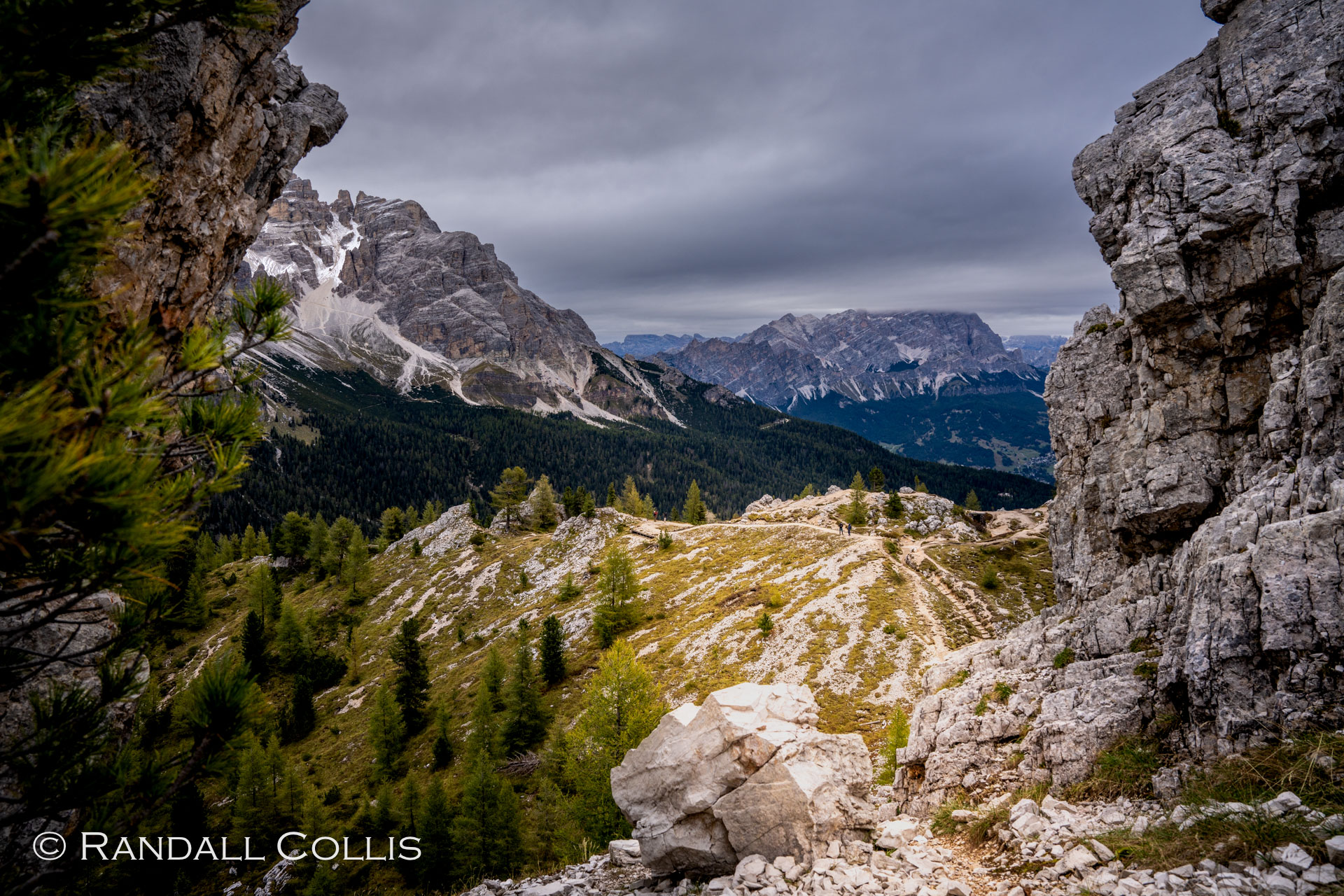
My pack is heavier than I’d like, but I don’t have time to think about it. The days pass quickly here; sheer cliff walls, tough climbs, and shifting light keep me moving.
On the trail, my camera in hand and eyes wide open, I feel both part of the scene yet separate from it—floating above it all, detached. My mind replays Zorba’s words: “A man needs a little madness, or else…”
This trip is my experiment in a little madness: leaving the safe, flat world for challenge and risk, where life finally feels alive—peering over a void, camera in hand, and letting the day guide me, even as I cling to my plans.
Still, I find myself worrying about what holds me back.
“You think too much, boss…” Zorba steps onto the path, pulling me back to the present. We sit in silence—no camera, just a quiet agreement with his words.
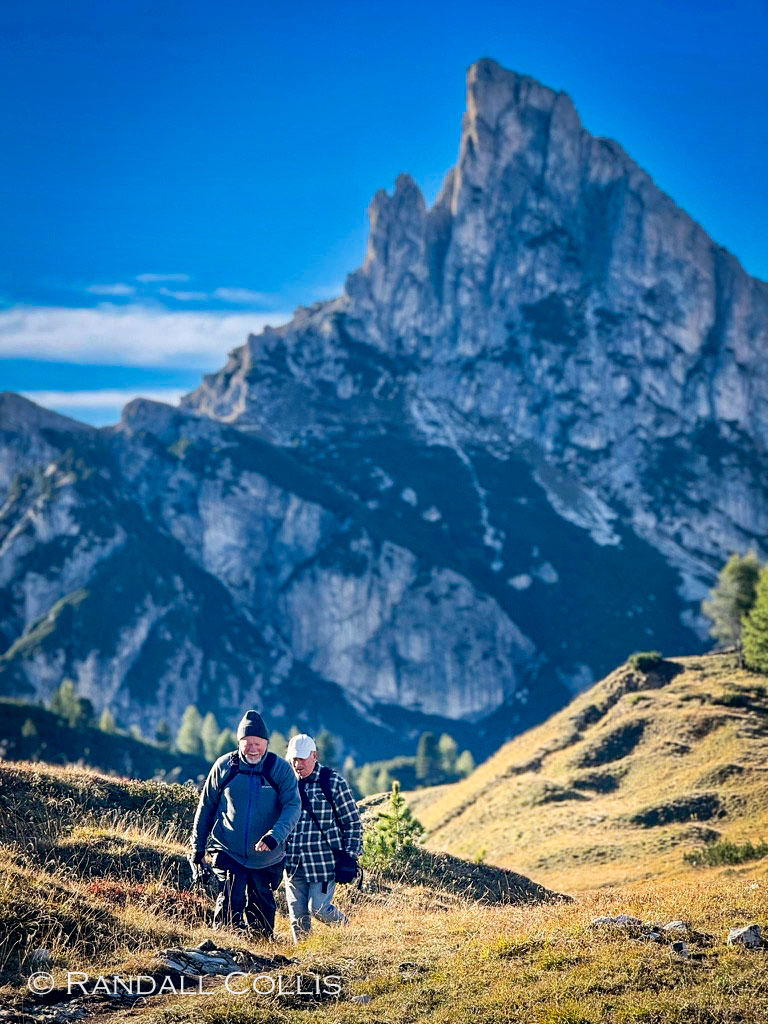
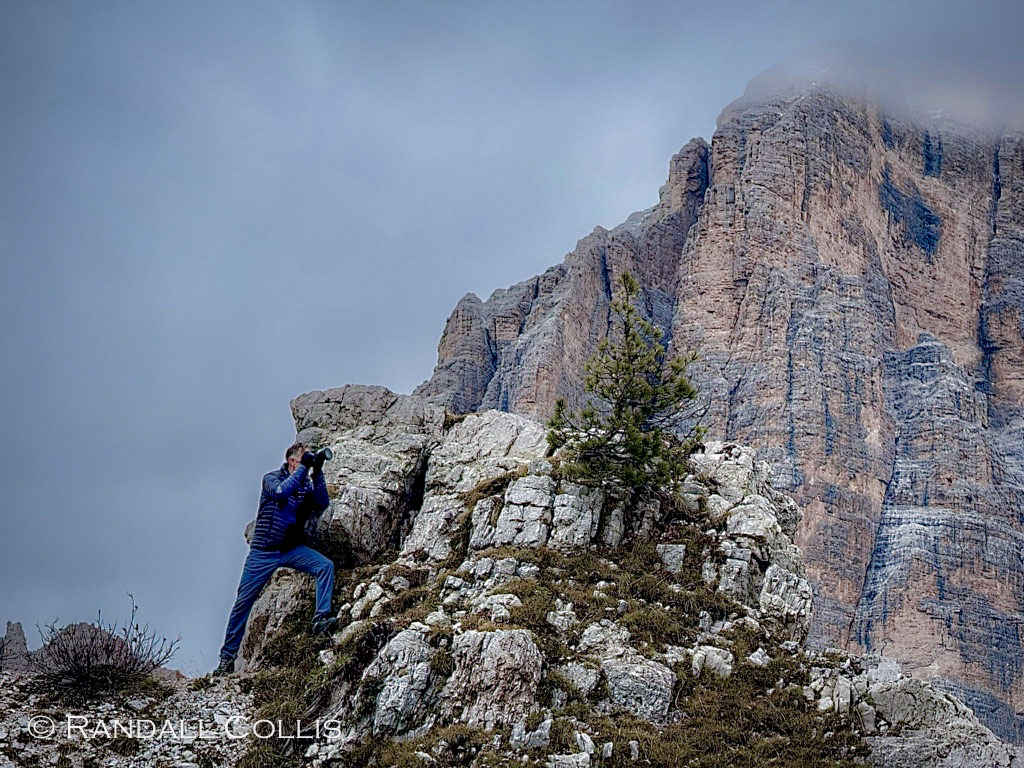
My fear is simple: walking these mountains with my feet, but not with my spirit.
Naturalist Henry David Thoreau says it well, mirroring my own fear:
“I am alarmed when it happens that I have walked a mile into the woods bodily, without getting there in spirit… What business have I in the woods, if I am thinking of something out of the woods?”
– Walking, essay by Henry David Thoreau, May 1862, The Atlantic magazine
His words sting.
Fortunately, hiking with Zorba means being with someone who won’t separate thought from dance, philosophy from sunshine, or freedom from the weight of camera gear.
Zorba doesn’t care about my need to catch the perfect light or shot; he just wants to know my heart is beating hard enough to feel alive. Live the moment first, then frame the shot.
I envy him.
I remember the first steep climb out of the valley, limestone walls rising like frozen waves. He just laughed at my talk of “itinerary” and “objectives.”
“Boss,” he said, “the mountain doesn’t care about your plans. The only thing that matters is whether your soul is awake.”
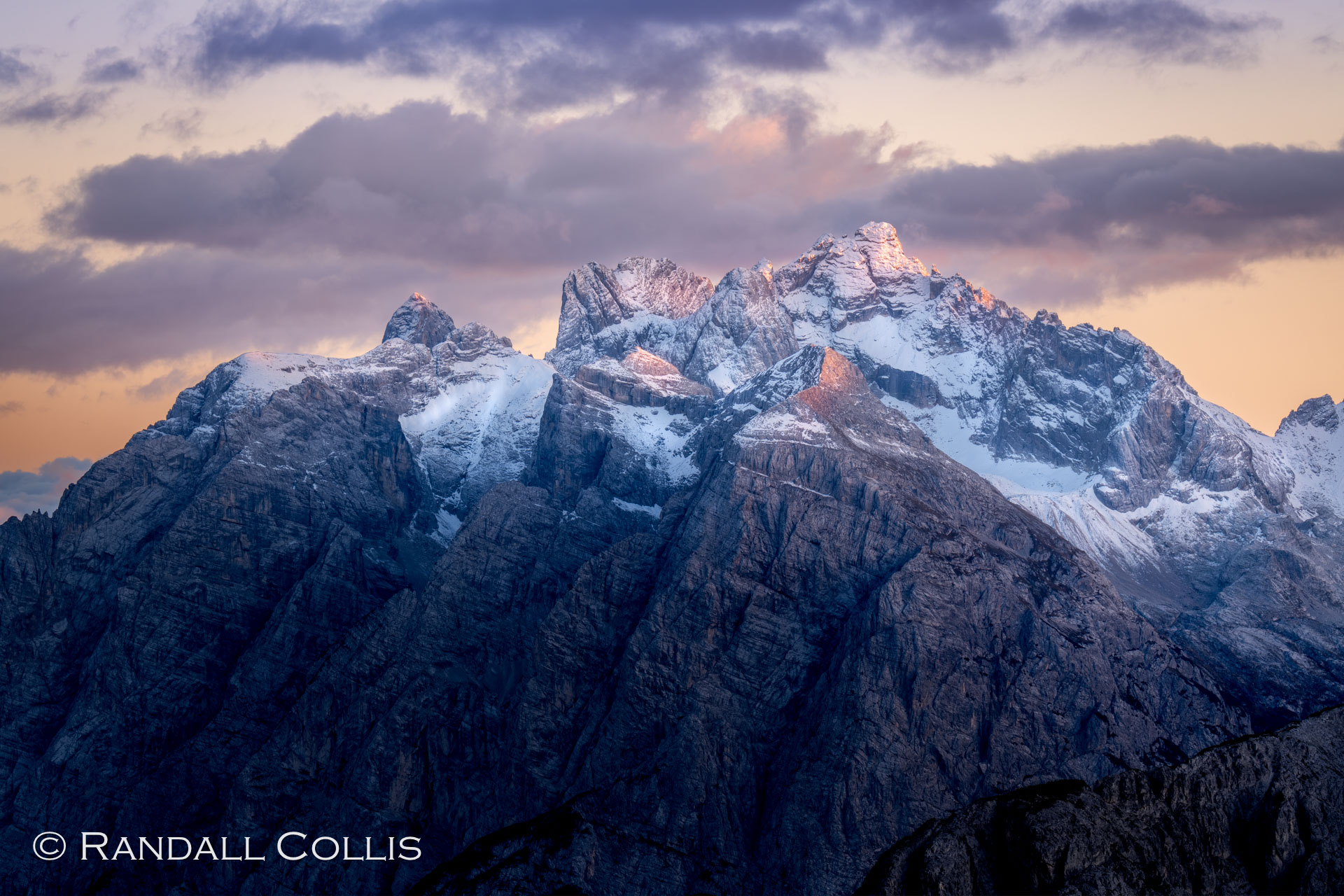
I have to admit, I admire him. My rational and pragmatic side serves me well in daily life, but out here in nature… It’s deadweight.
With my tight schedule, I don’t have much time to slip into the quiet struggle that hiking can bring. The terrain is tougher than I expected, and I’m reminded I’m not 30 anymore. Zorba’s tough love keeps me going, always asking, “What the hell, boss, you already tired of being alive?”
I’m starting to understand that being tired means I haven’t wasted the day. The burn in my legs and sweat on my shirt aren’t obstacles to meaning—they are meaning.
“So why not dance a little on your small piece of time?” I hear Zorba say. “Stop chasing perfection, and just dance, just dance with the moment, my friend…” His laughter makes arguing impossible.
Wisdom. I put down my camera and ignore framing, letting myself learn from this so-called uneducated wanderer—someone wiser than I might ever be. It’s a small step, but the first real cut in the rope, a break from my old habits.
Live Before Framing
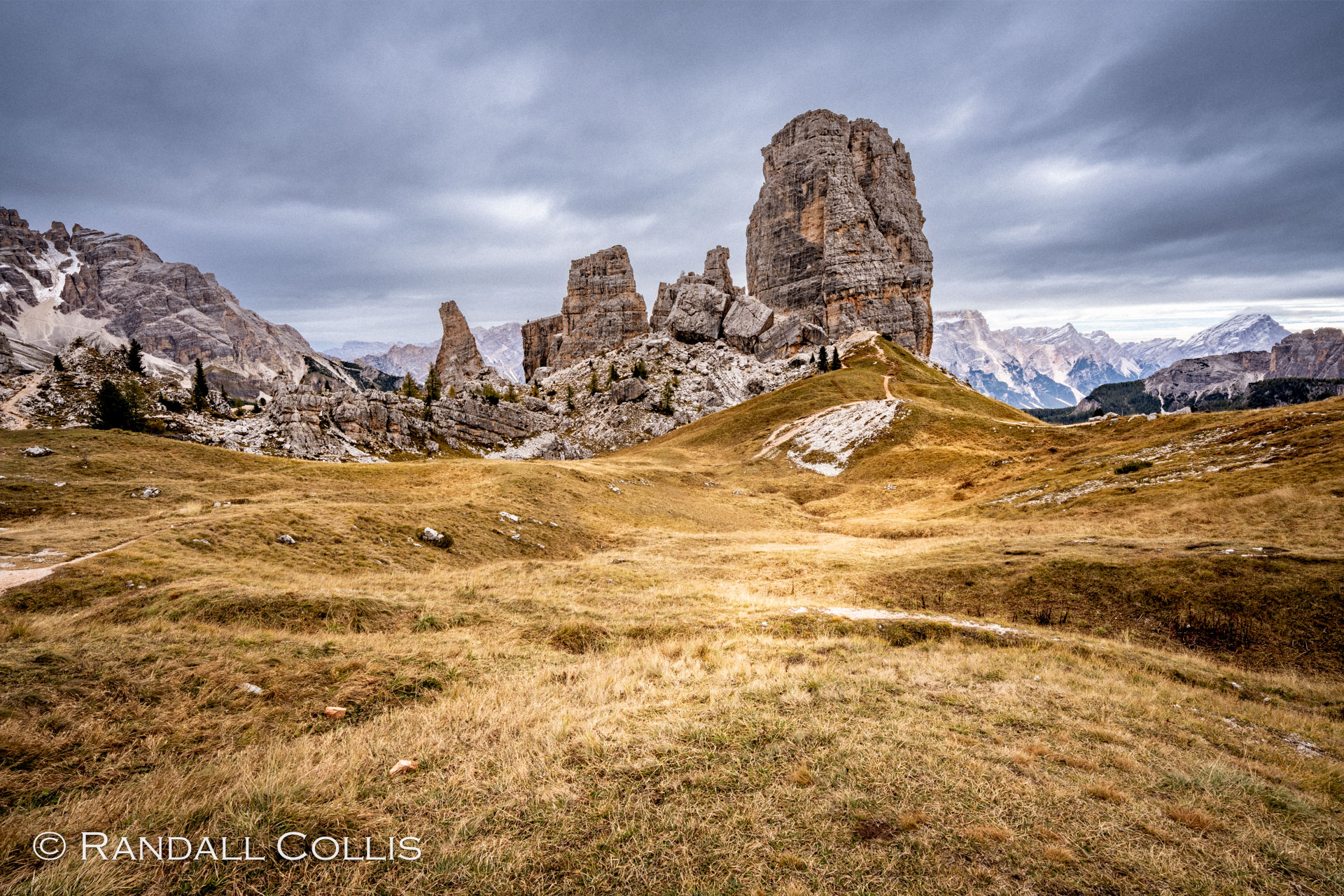
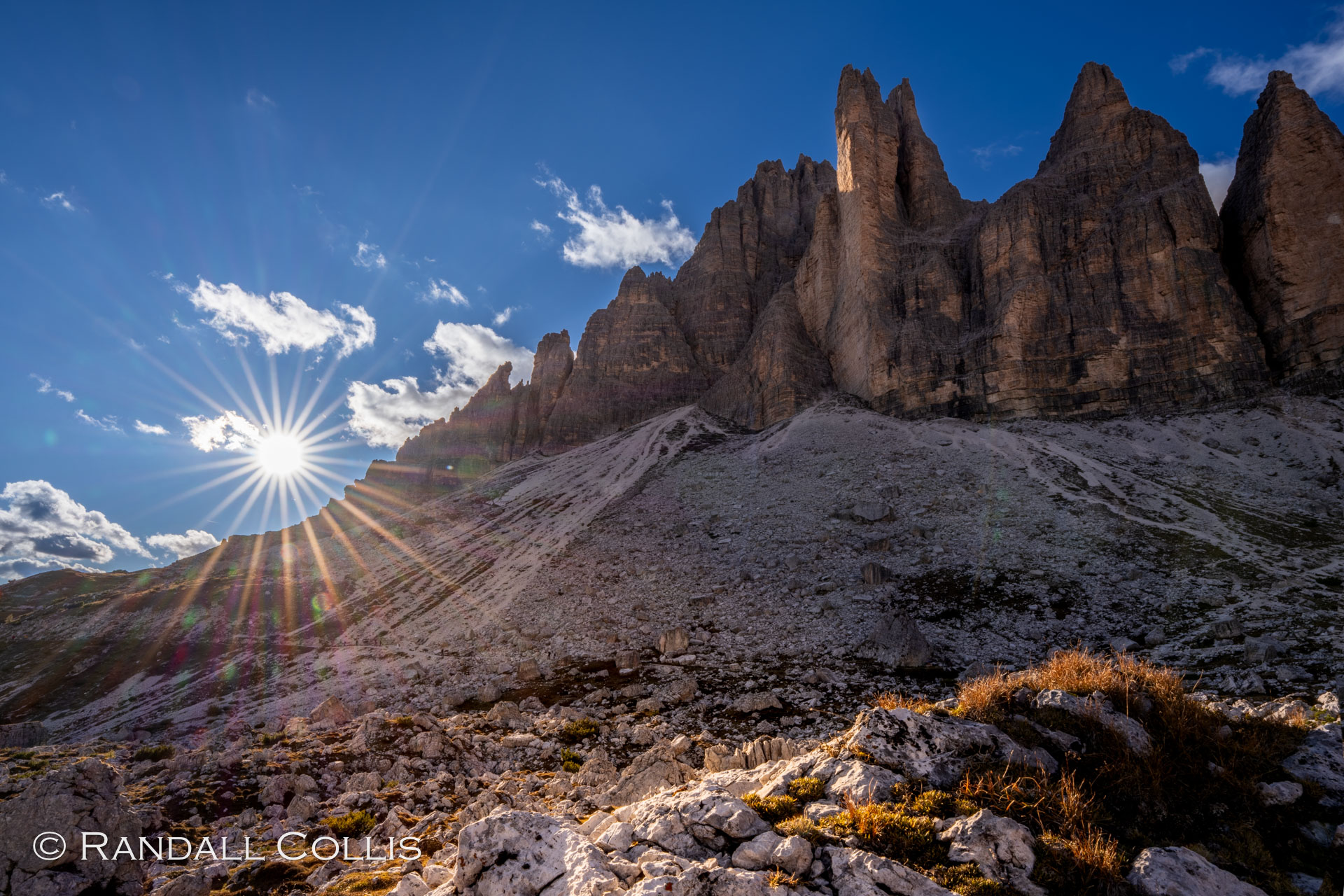
The path around Tre Cime di Lavaredo is steep but firm, the kind of place John Muir would get lost in. As I saunter here, step by step, the world feels more real under my boots. I’m not just looking at the landscape—I’m connecting with it every step and breath.
The view around me is stunning, and the photographer in me starts calculating compositions. A cloud sweeps around the Tre Cime peak, and I instinctively raise my camera to frame the shot.
“Boss, first you live, then you frame,” Zorba puts his hand on my shoulder. “Otherwise, you’re just a tripod with shoes.”
I lower the camera, sit on a boulder, and just watch the scene unfold.
We pause and soak it all in.
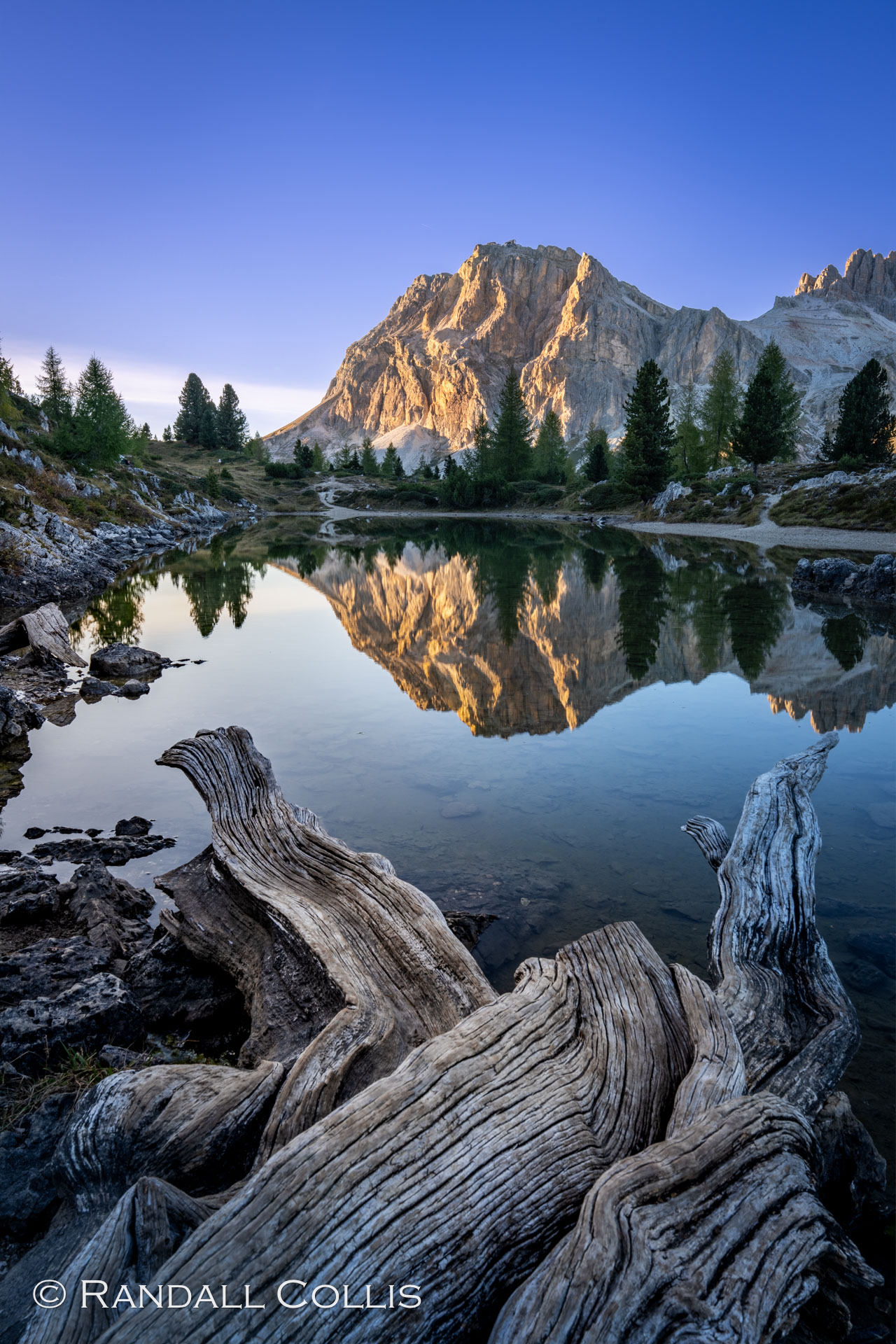
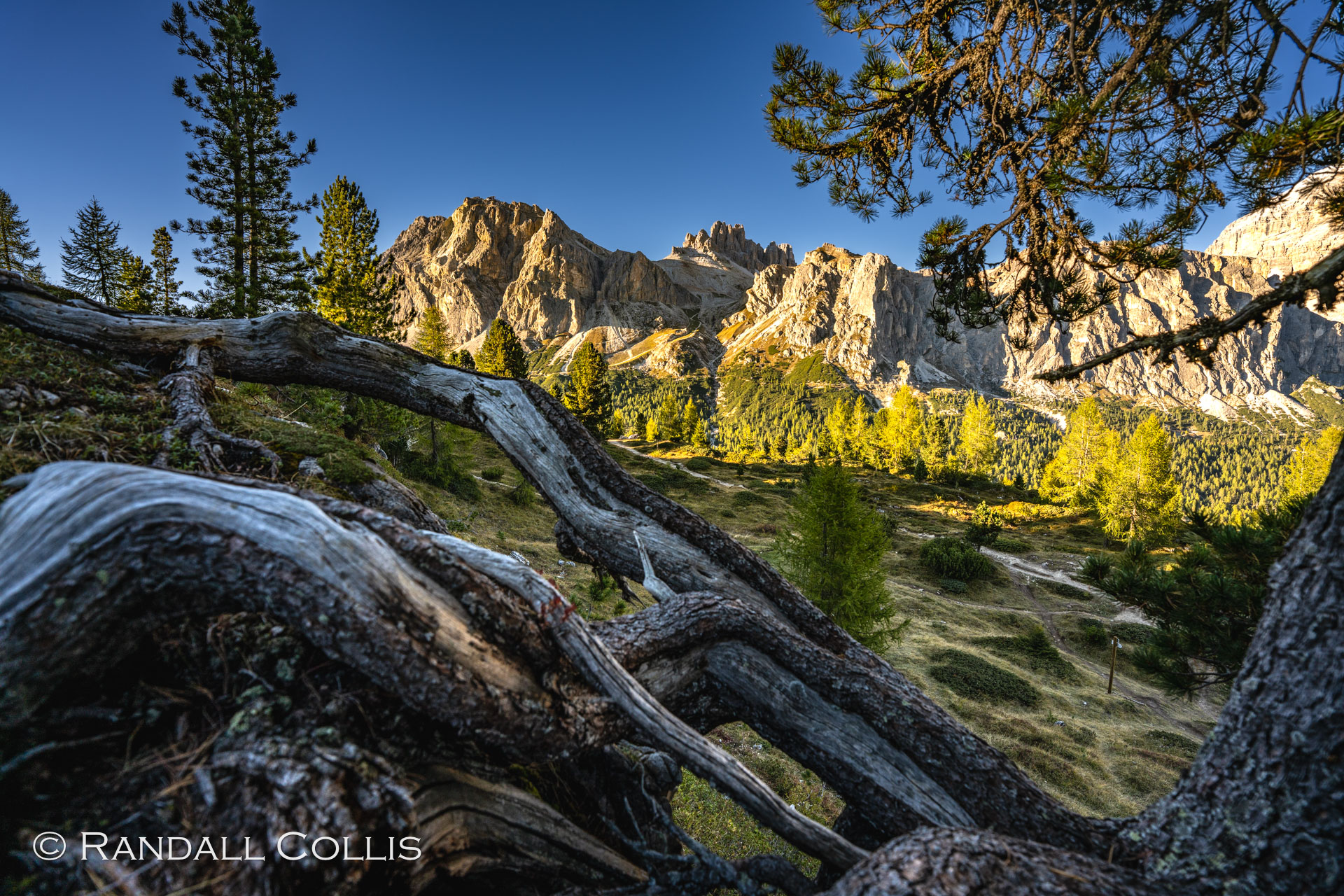
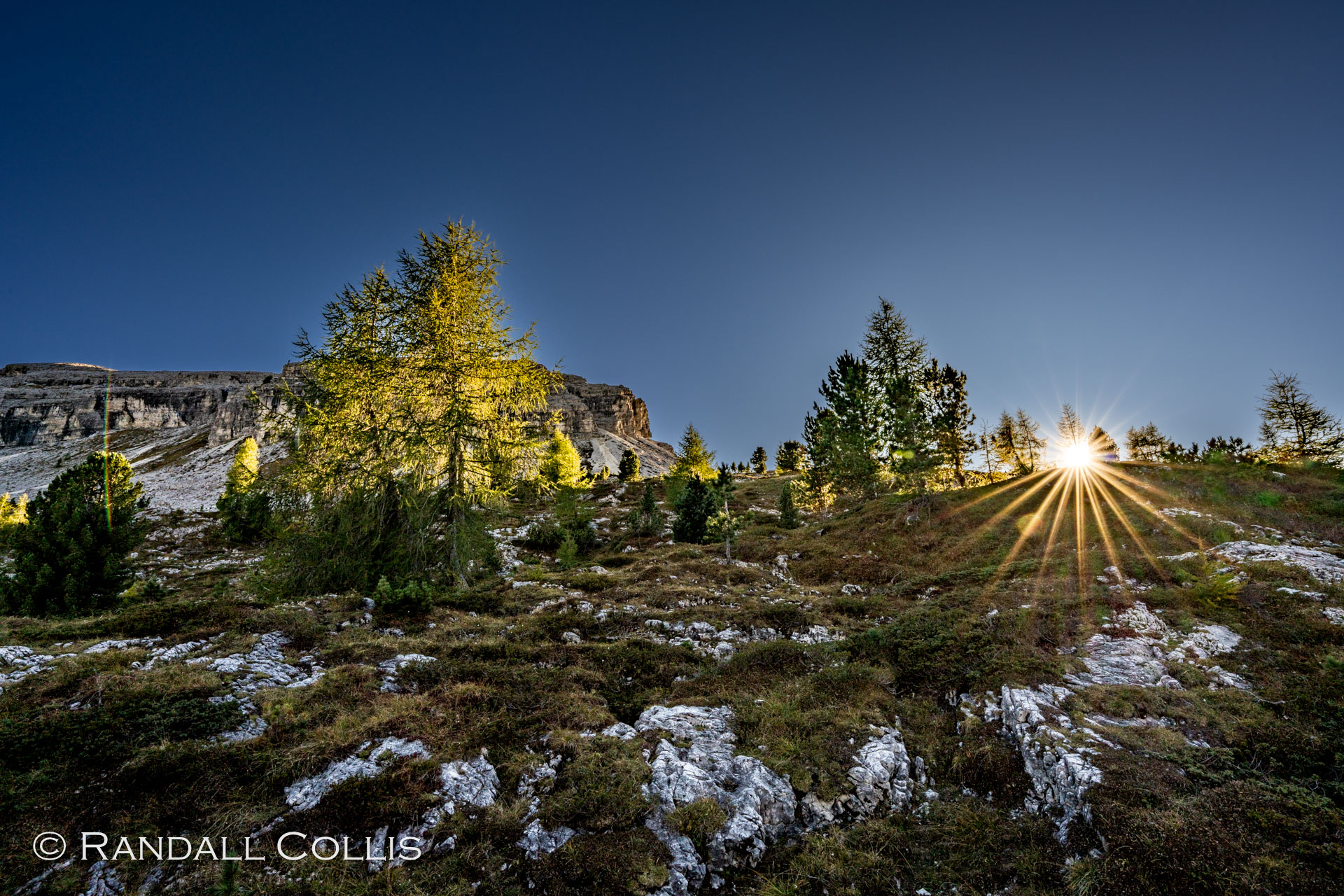
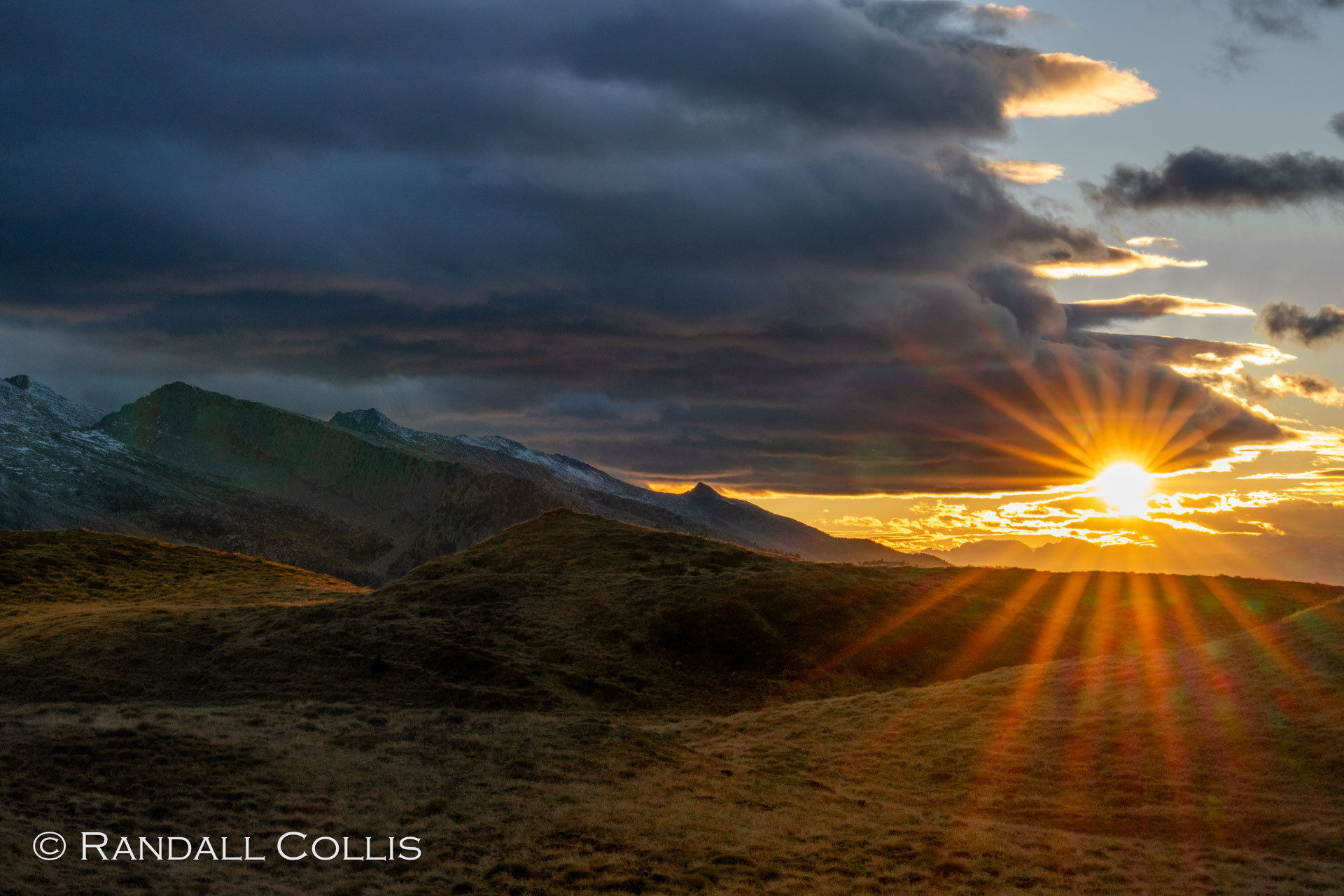
The sunstars I captured earlier at Tre Cime di Lavaredo still inspire me, and I chase a few more at Lago di Limides. Stopping down the lens to pull that burst of light brings the sun to life in a way I can’t resist—even if I know I’m taking too many.
I feel relaxed and lucky—this midday hike is easier and gives me a chance to catch my breath, both physically and mentally. I consider hiking up the hill for another sunstar, but I let it go and take a deep breath, looking out over the water.
My thoughts drift to kicking the rocks on these Italian trails, getting lost in the shimmer and shadows, always searching for the next photo—it seems as if I’m outside these scenes at times.
Then the reminder, photography is just a small piece of being here, as Zorba often, with cheerful cruelty, reminds me, “Boss, are you really here… or only passing through life playing alone with your toys?” His words echo off every cliff in my mind, keeping me focused on each step.
It’s made me realize that one of Zorba’s gifts is his zest for life, his sense that wisdom comes less from books than from lived experience. Immersing the soul in the present moment.
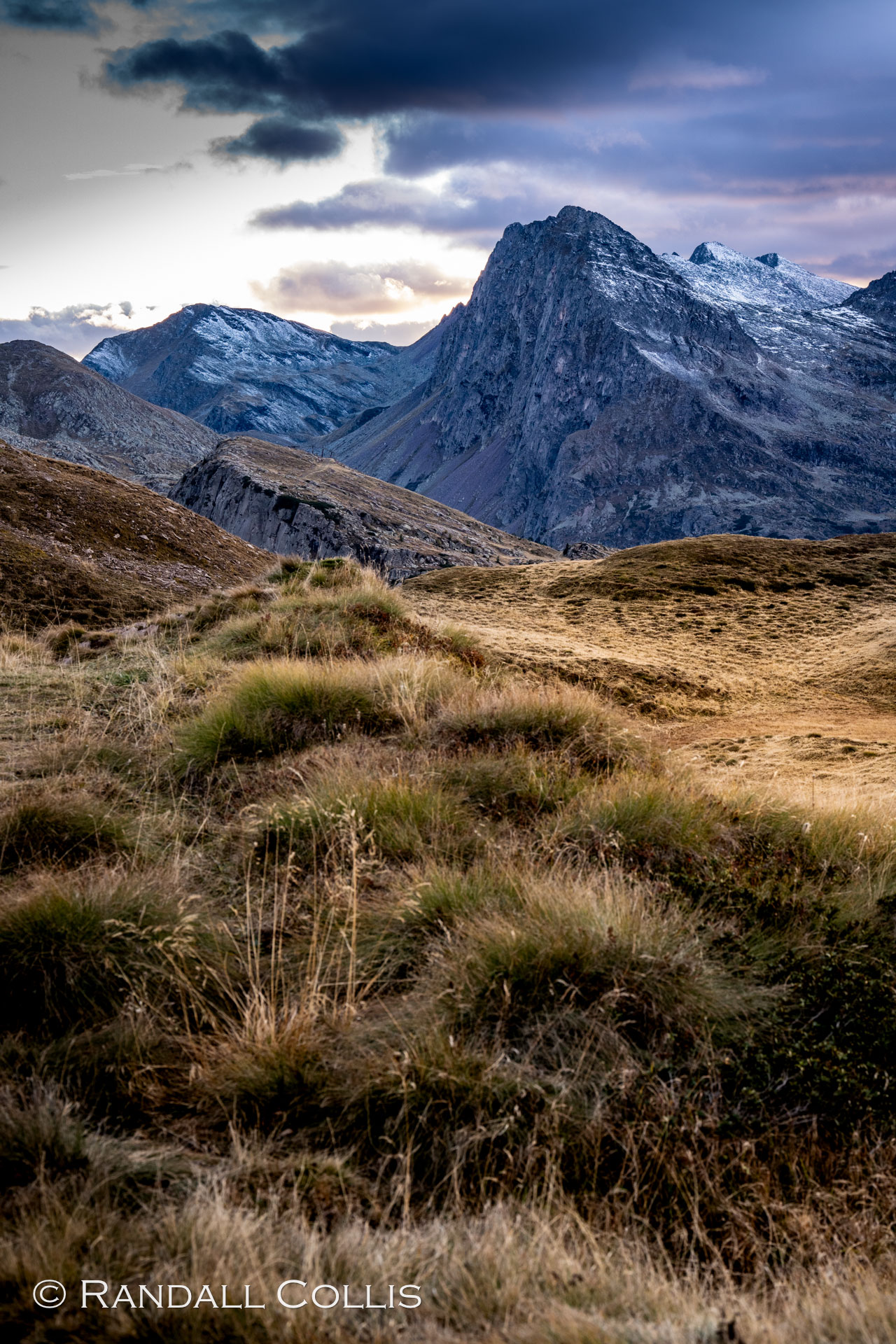
By the lake as evening falls, I lean back and watch the sun dance as it sets, enjoying the quiet in the heart of the Dolomites. Tomorrow, I’ll tackle a steeper climb on Monte Seceda.
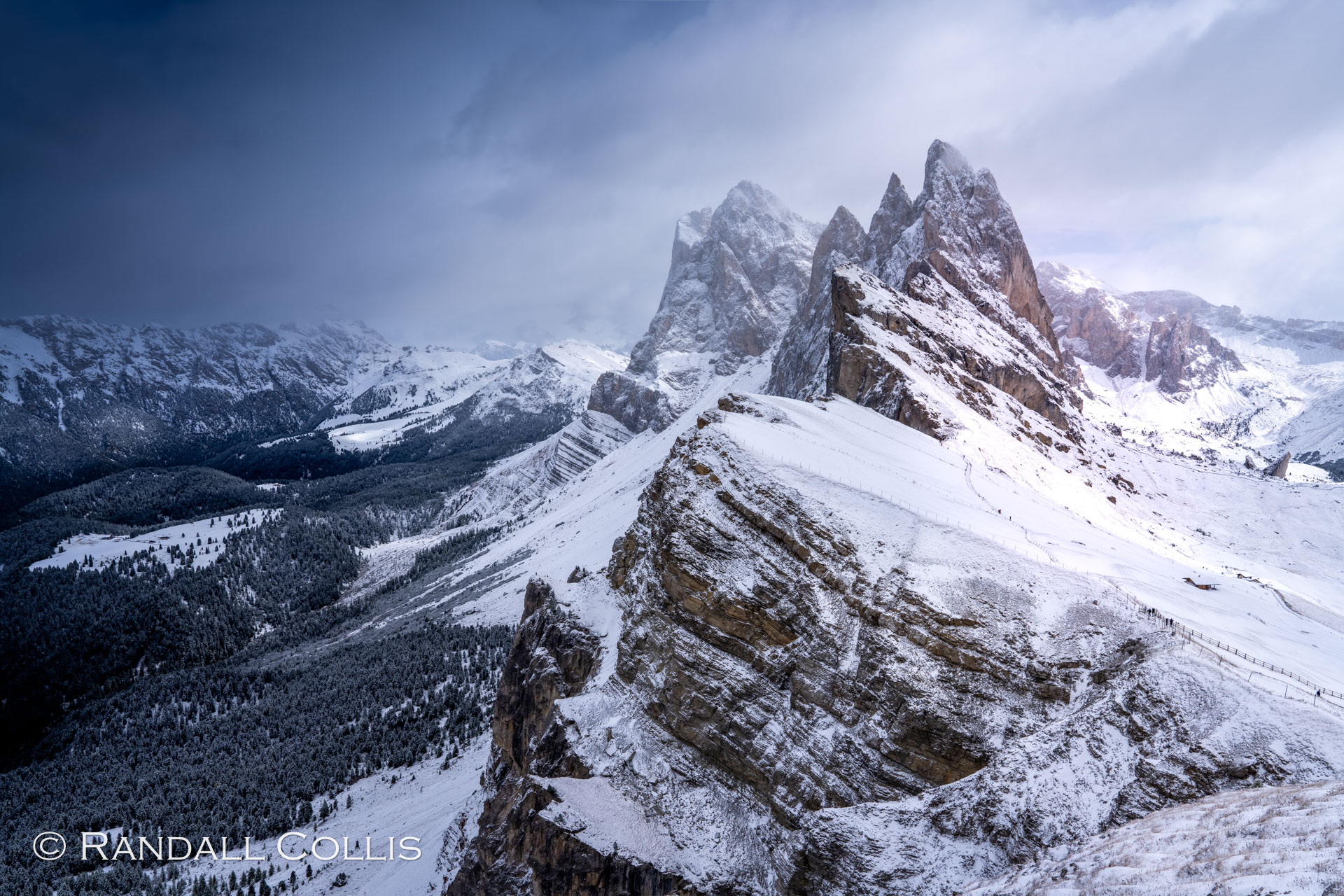
The first significant change in scenery and weather comes as I leave Lago di Limides for the tougher climb up the Seceda ridge—a hike that took longer than expected.
With the sharp views of the valley below and rocks rising high above, Seceda didn’t disappoint.
“To see better, you have to take some risks,” I whisper as I step closer to the edge. I know what shot I want, but I can’t quite frame it. I’m still annoyed about missing the sunrise; my overthinking side won’t let it go, so I keep moving.
I wince as my left leg plunges into a snow-covered hole, twisting my knee. I curse myself and cast the tripod aside. Zorba doesn’t react…
This is when I think I should have just stayed in the rifugio.
“Boss, you missed sunrise. You missed the shot you wanted…” He teases, eyes smiling. “But you’re also missing how life still wants to dance with you…”
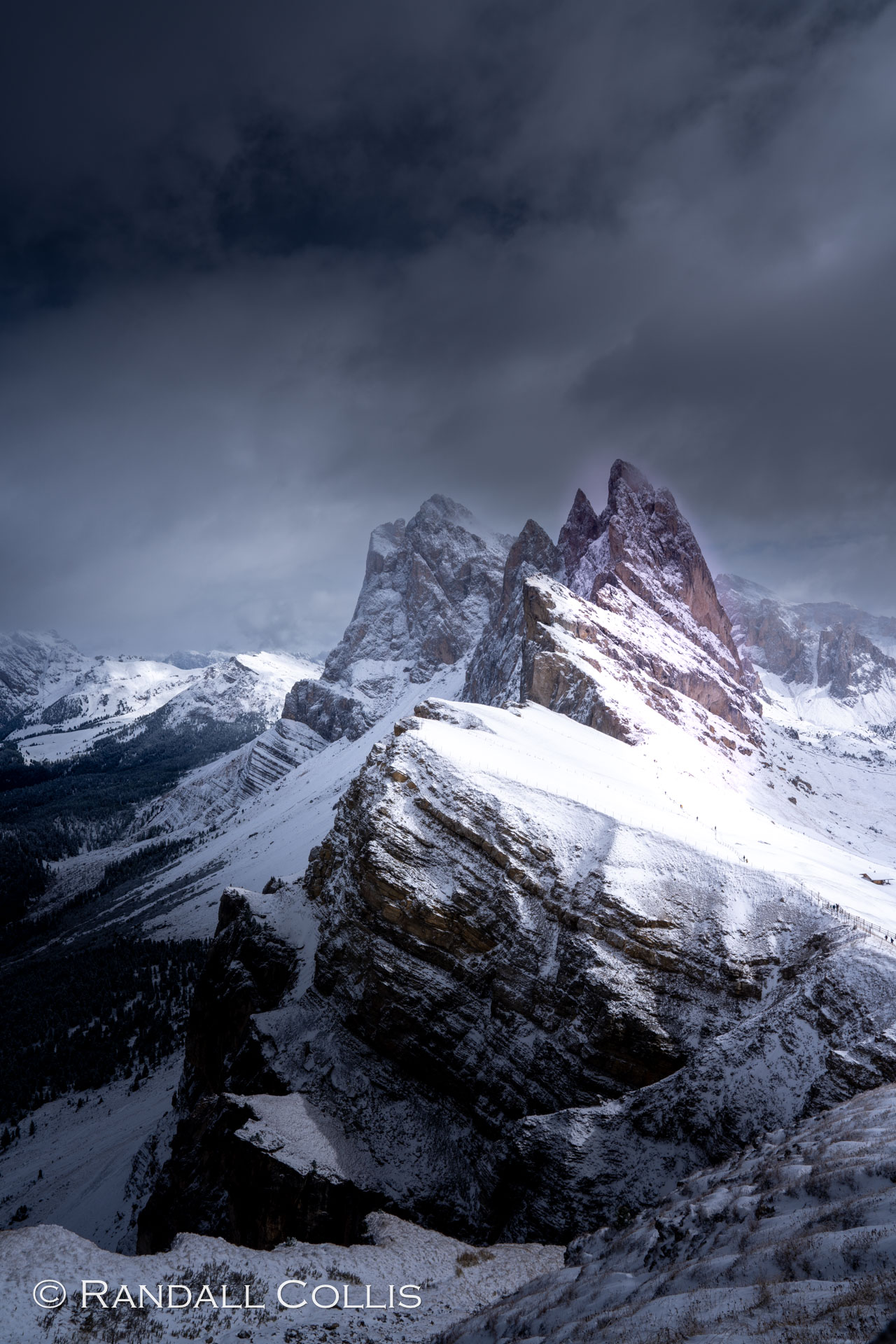
He stands up, twirls in laughter, and opens his arms at the sight of Seceda’s knife-edge peak in front of us.
In my mind, I call him a goof and laugh at myself. This place, right now, is awe-inspiring. I get up, my knee no more sore than usual, and simply live the moment.
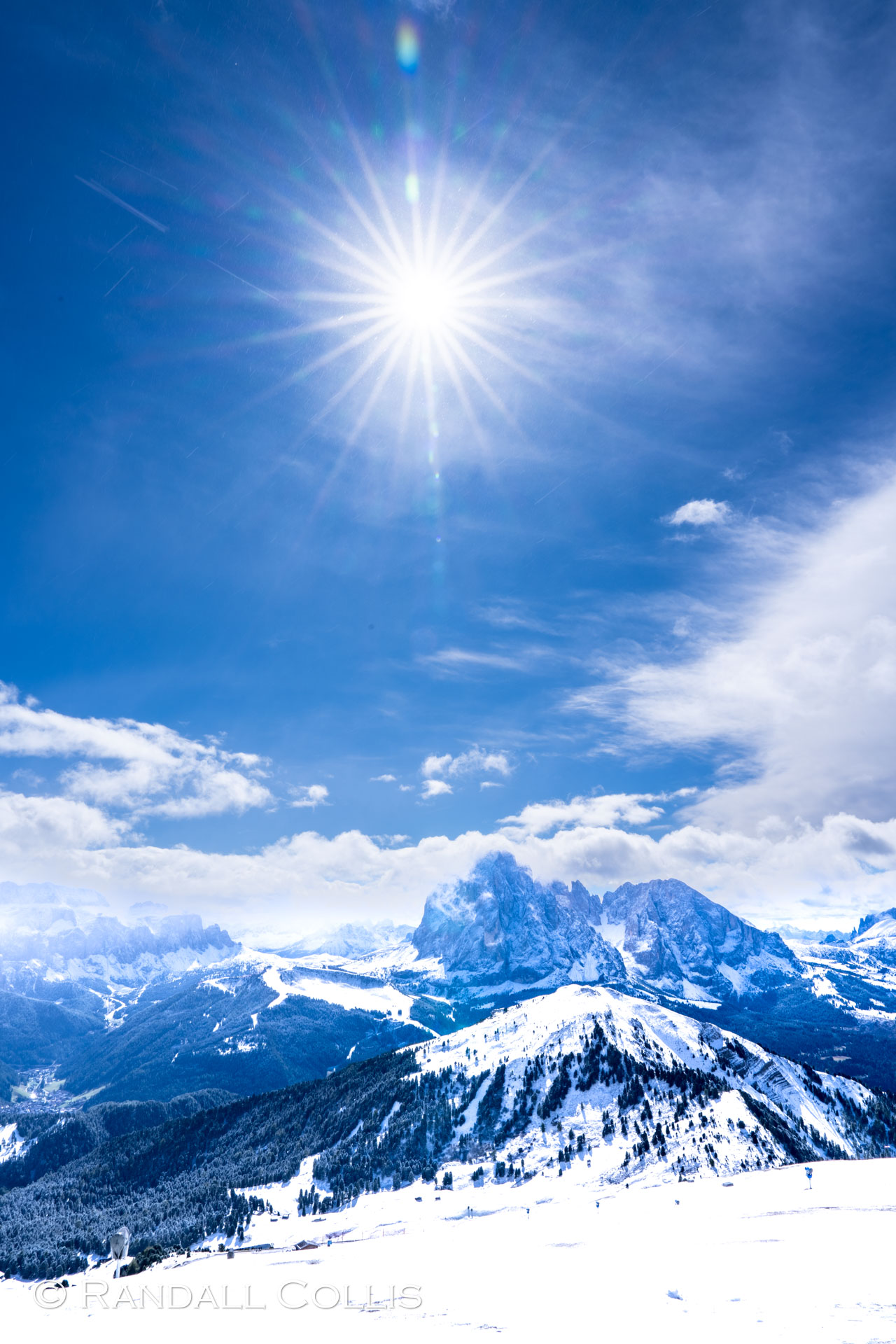
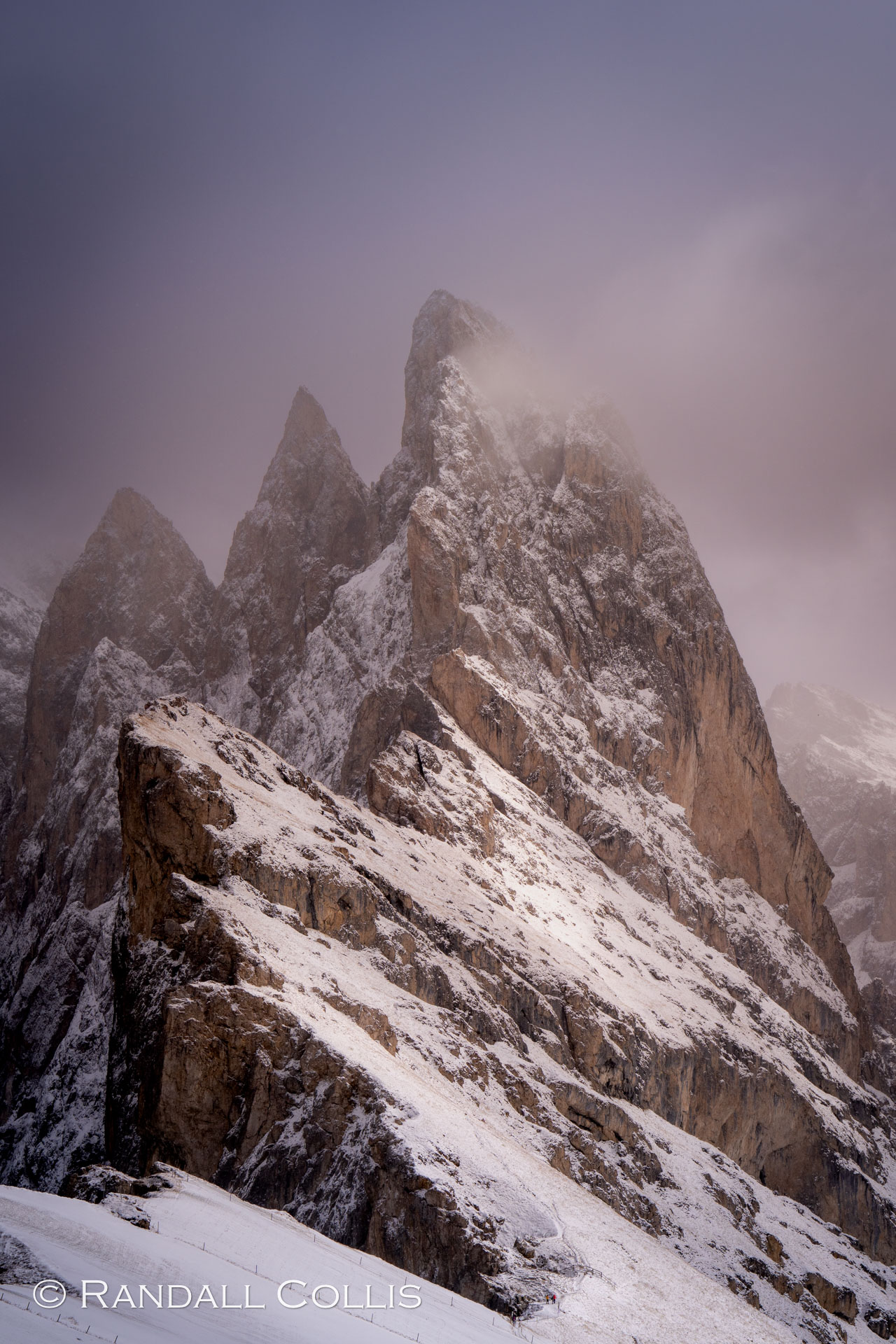
Zorba’s kind of madness is having the courage to live as if death were always near, turning that awareness into song, dance, and risk.
The peaks of Seceda in front of me turn this idea into conviction. The Dolomites invite exactly this kind of madness: climbing exposed routes, facing uncertain weather, or pushing further when logic says to turn back and stay in the rifugio.
This wildness—laughing on a narrow ledge, embracing my exhaustion, throbbing knee and all—is why I’m here. It’s not about being reckless, but about taking risks as an act of trust in life.
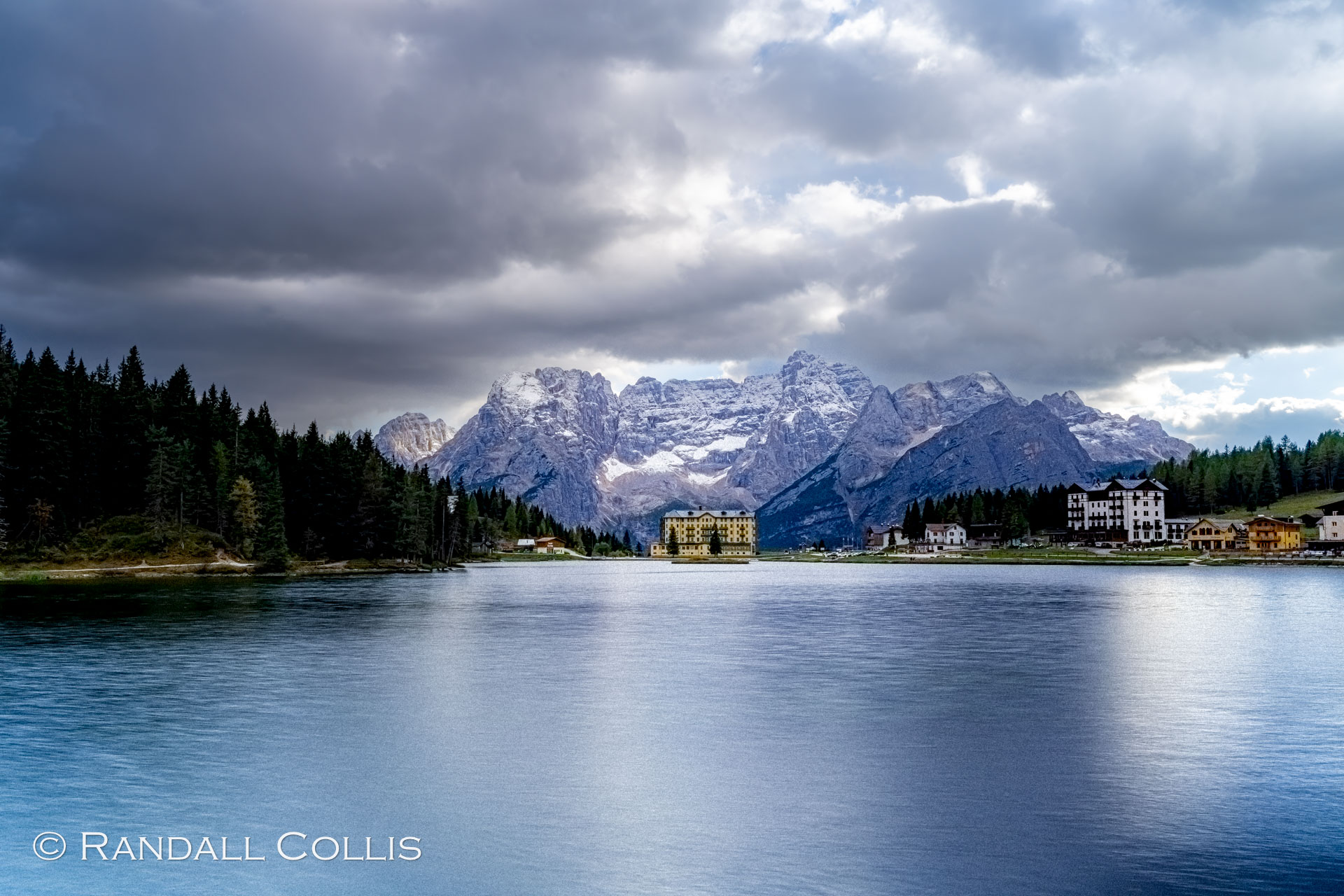
Slowly, I’m starting to get it. Zorba’s freedom is beyond hope or fear. Like a true existentialist, he focuses on the struggle itself. Sometimes, struggle is what lets real art break through.
In the Dolomites, I feel this most when I stop counting the kilometers to the rifugio and fall in sync with the rhythm of my step, breath, and the view.
I stand on the Seceda ledge, lungs burning, and realize there’s no guarantee of a perfect sunrise—just this sky above me.
This rope-free state—captured in the words Nikos Kazantzakis had carved on his tomb in Heraklion, “I hope for nothing, I fear nothing, I am free”—is close to the emptied-out awareness that comes after hours on the trail, when the only task left is to keep moving.
That struggle against gravity, fatigue, and fear is how I slowly carve out a small piece of this mountain as my own.

I smile at the idea of “finding a piece of this mountain and making it my own.” It sounds ridiculous, but I’ve come to understand it’s possible in my mind: the cuts on my hand, the ache in my legs, and these peaks now part of my memory.
There are no extraordinary views without effort, no simple turning of the corner to enjoy a widened horizon. Instead, it takes work—and sometimes risk—to get a little closer to what the heart wants.
That’s what adventure is: a mix of stress and risk, to see what’s beyond the next ridge. Zorba’s laughter in my mind reminds me that anyone can rise above their hardships, even if just for a moment, to see what’s possible.
Hiking the Dolomites, or any mountain, is only worth it if the mountain helps you let go of daily life. For a few days, there’s no need to manage existence. There’s only this moment, with both feet, both hands, and a heart that’s a little wild. I can feel my ropes loosening; feel myself letting go.
Chasing Postcards, Finding Soul
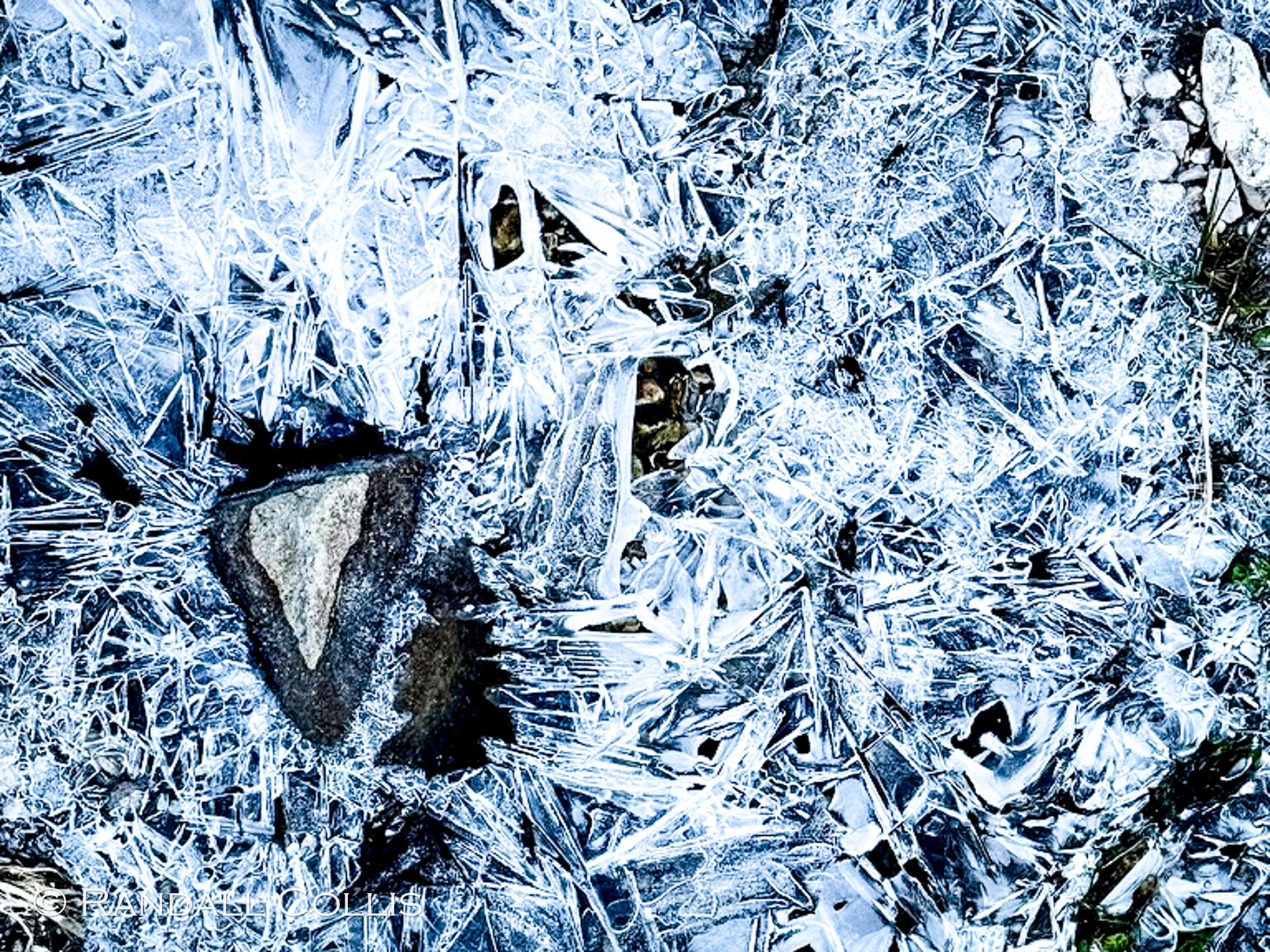
Here in the Dolomites, my mood shifts as fast as the weather. The wind stings my knuckles, reminding me how cold it is this morning. Where’s the joy I felt yesterday on Seceda?
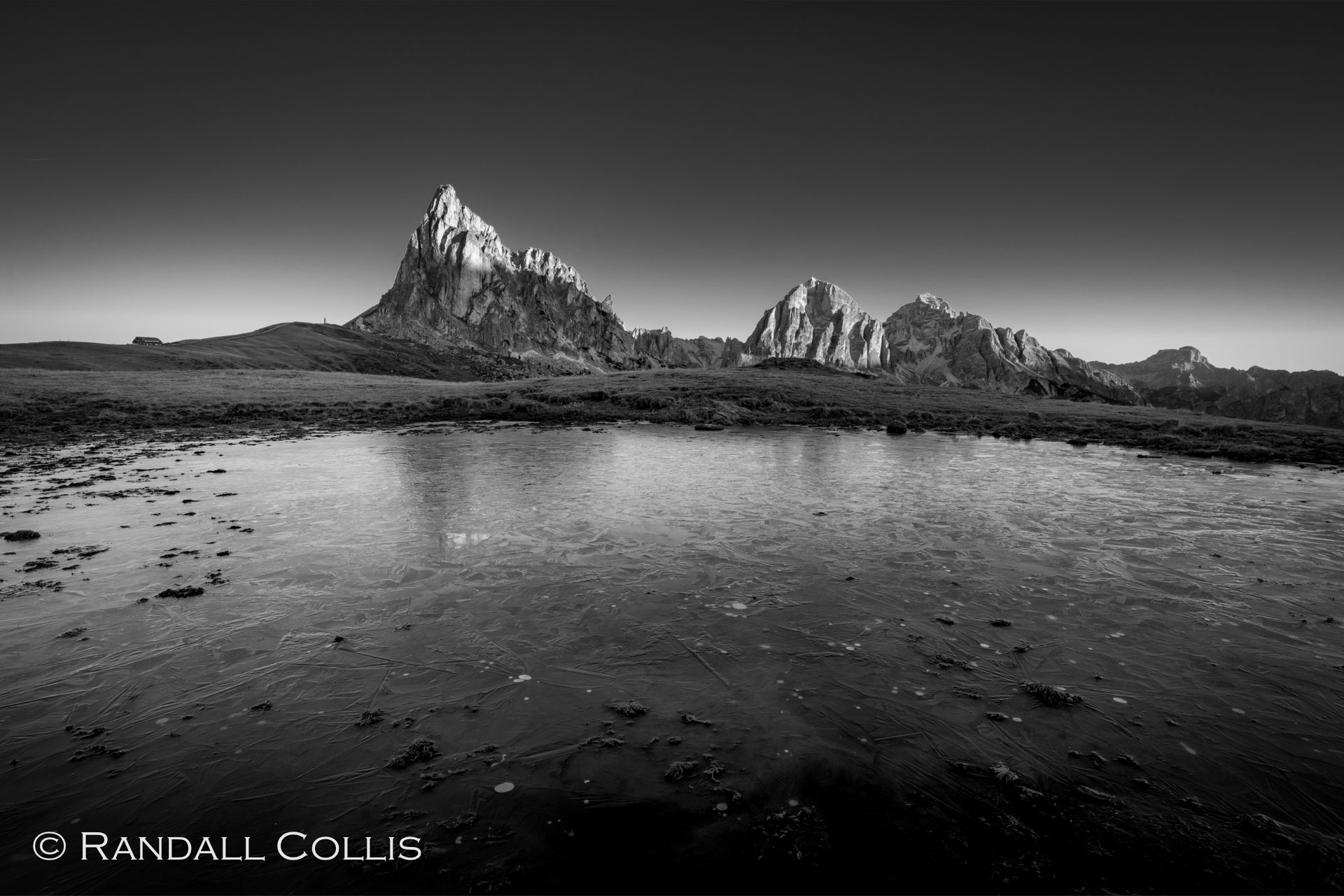
This morning, the freezing wind leaves me deflated. My tripod and camera are set up on the very spot where I’ve seen the perfect pond reflections of Ra Gusela. Today, there’s no such magic in the frame.
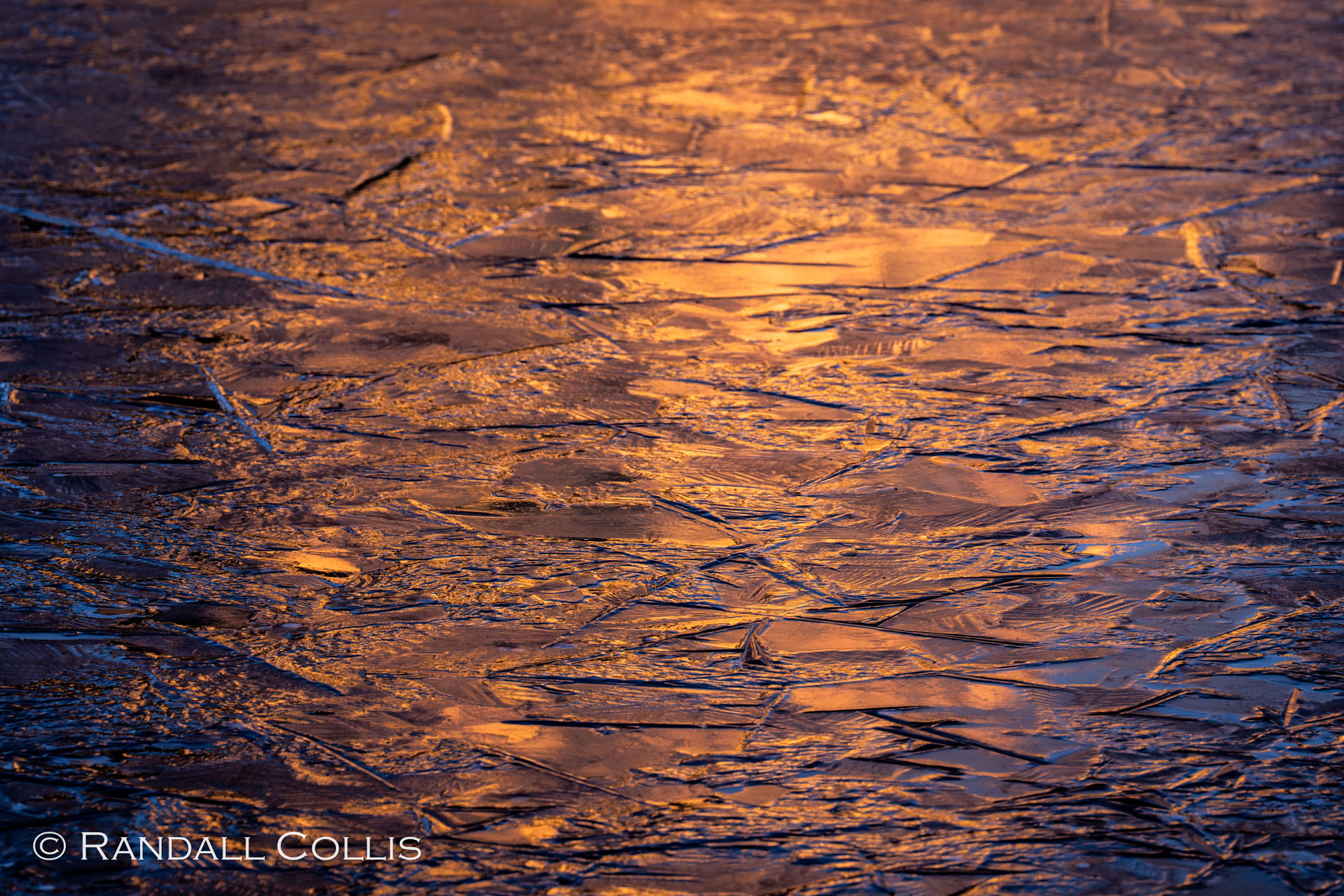
A lack of clouds, a bland sky, and, worse, a frozen pond that steals the perfect reflection of Ra Gusela. No amount of planning can beat nature—or life.
I fall into a familiar fantasy: if everything is set up perfectly, maybe life will be perfect too. The cold sinks into my bones, making my disappointment even stronger.
I let out an audible sigh.
“This camera of yours, boss: is it a tool of control, or an instrument for dancing with light?” The laughter holds warmth that the morning has lacked. “Live first, intellectualize later…”
I shake my head. I came here just for that shot, and I don’t want to hear this, but his words actually make me feel better. I let it go. I mess around with telephoto shots, textures, and silhouettes. The day is what it is, and even if it’s not perfect, I take what I can from it.
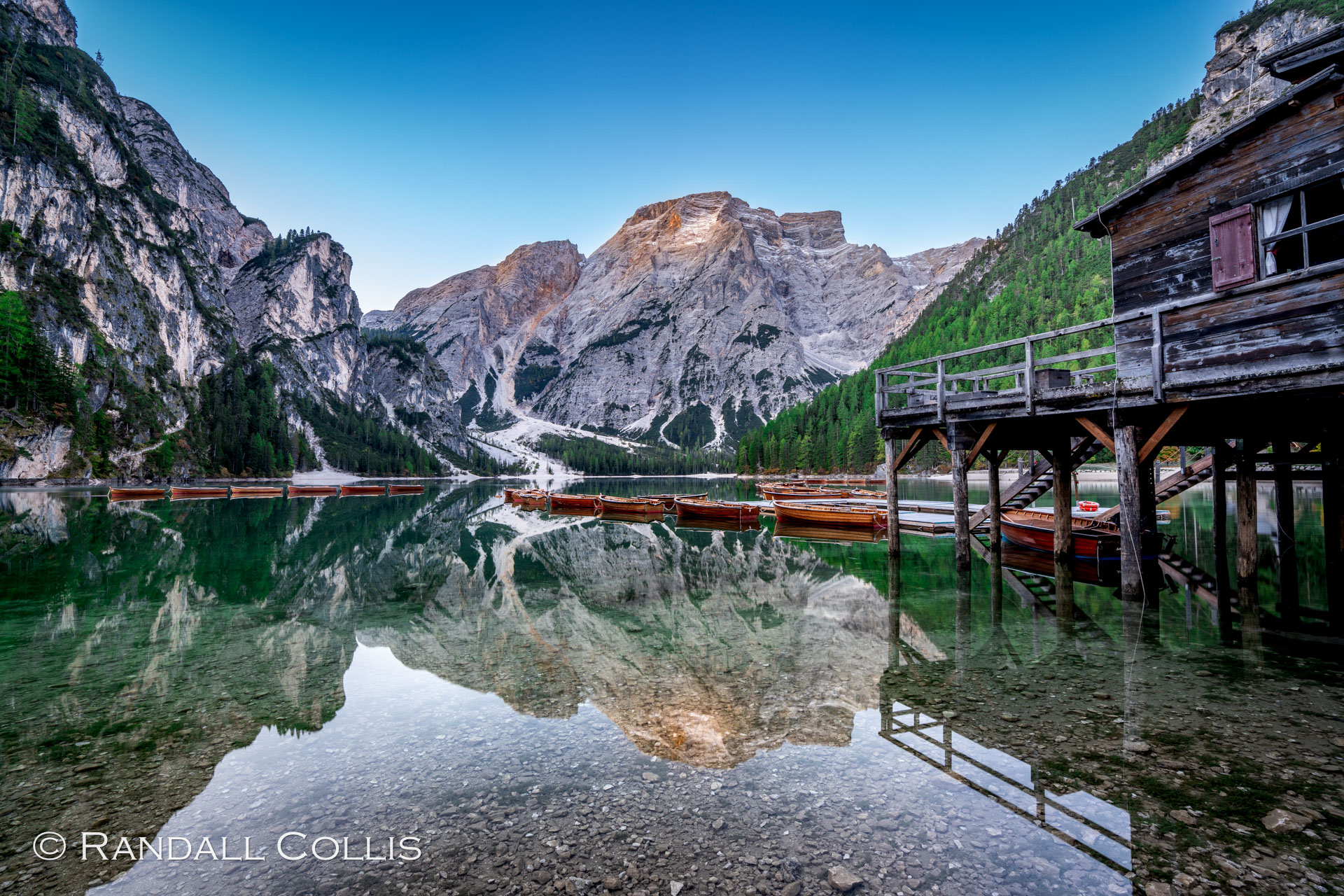
A location you’ve looked forward to for months can disappoint for many reasons, especially the weather, as happened at Ra Gusela. Even though I didn’t get the shot I wanted, it was still fun because I had others to share the cold and wind with me.
This morning at Lago Braies, my expectations were just as low…
“Ah, what is it with all these people…” Zorba raises an eyebrow. “Chasing postcards and Instagram… whose shot is this—Instagram’s or yours?”
Hearing this frustrates me; a flash of anger rises before I notice his amused tone—it fits. The line of tripods and cameras along Lago Braies, all poised to capture one of the area’s most famous shots… snaps me back to reality: I’m here for the same shot.
Yes, it’s a bit messy here, but I’m not surprised. I’m here for the same reason.
The feeling of overwhelm fades as quickly as it came. I take the classic shot—the mountain’s reflection, boats, and cabin all adding to the mood—and feel the tranquility the lake and mountain bring to my soul.
I step away from the row of tripods and wander to see what’s behind the curtain.
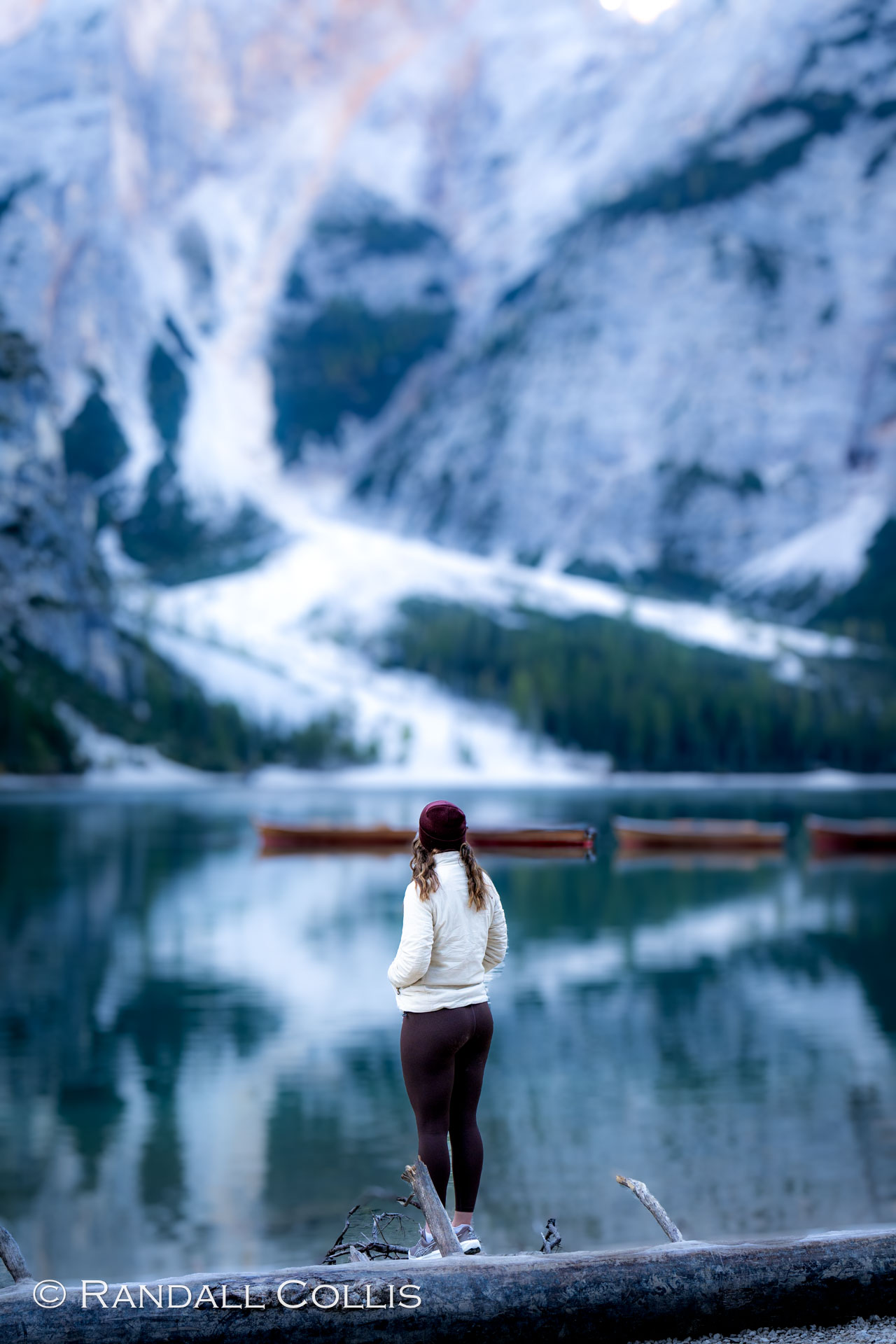

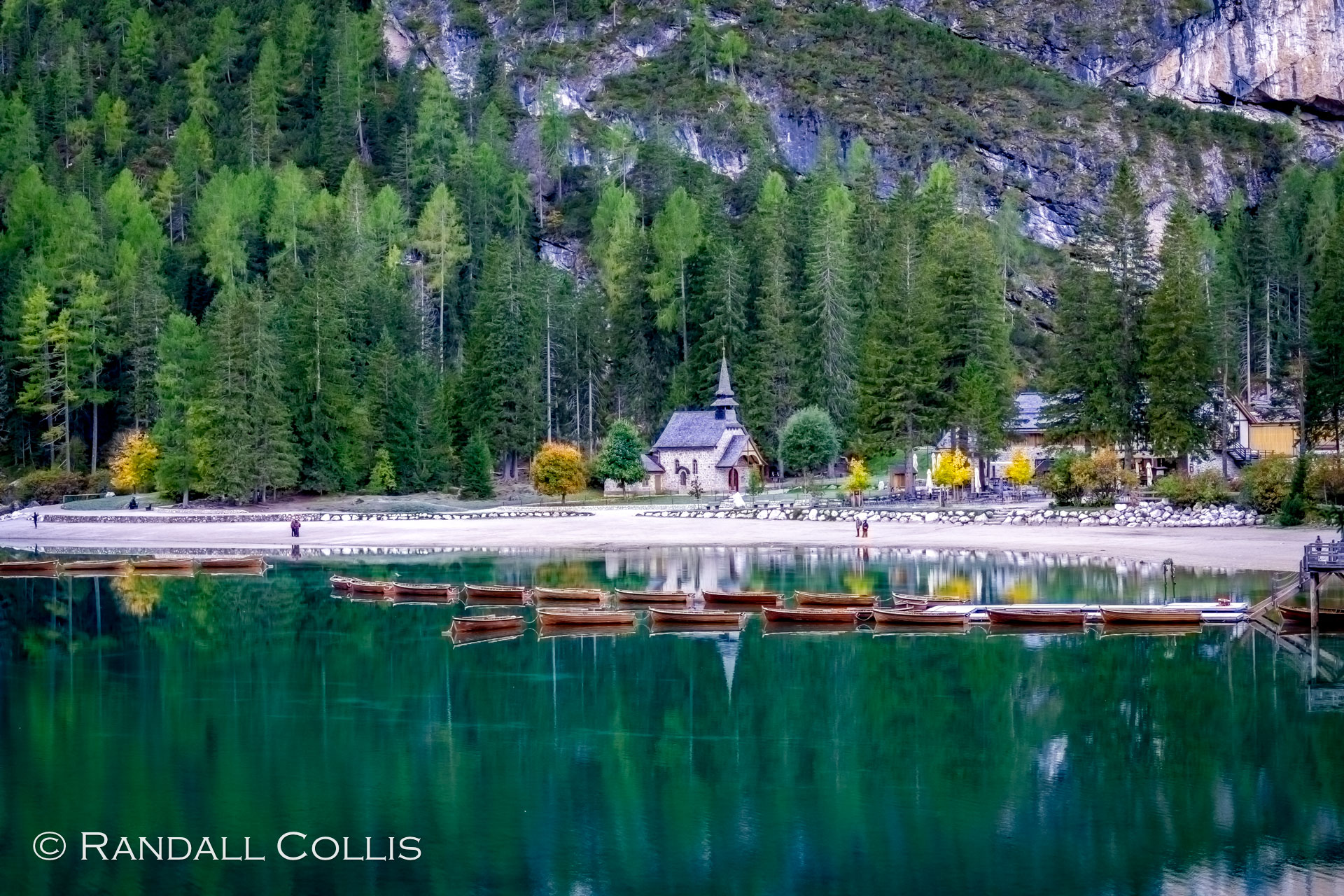
Even in chaos, there’s always a place to find calm. The crowd thins after sunrise, and as if in a well-directed movie, a mystical softness settles over the lake. The quiet moment I sought arrives, and I’m lost in wistful thinking of what could be…
The place silences everything; even with strangers nearby, I’m alone—only the lake, mountains, and forests speak.
I try to capture my feelings in a single shot—hoping to catch a bit of that soul—then put the camera down.
“You feel it too, boss. I’m proud of you…” Zorba sits next to me, holding a newly found walking stick. He spins it quickly in his hand, laughs, and shares another of his timeless quotes:
“Everything seems to have a soul—wood, stones, the wine we drink, and the earth we tread on. Everything, boss, absolutely everything!”
– Zorba the Greek, Nikos Kazantzakis, 1946
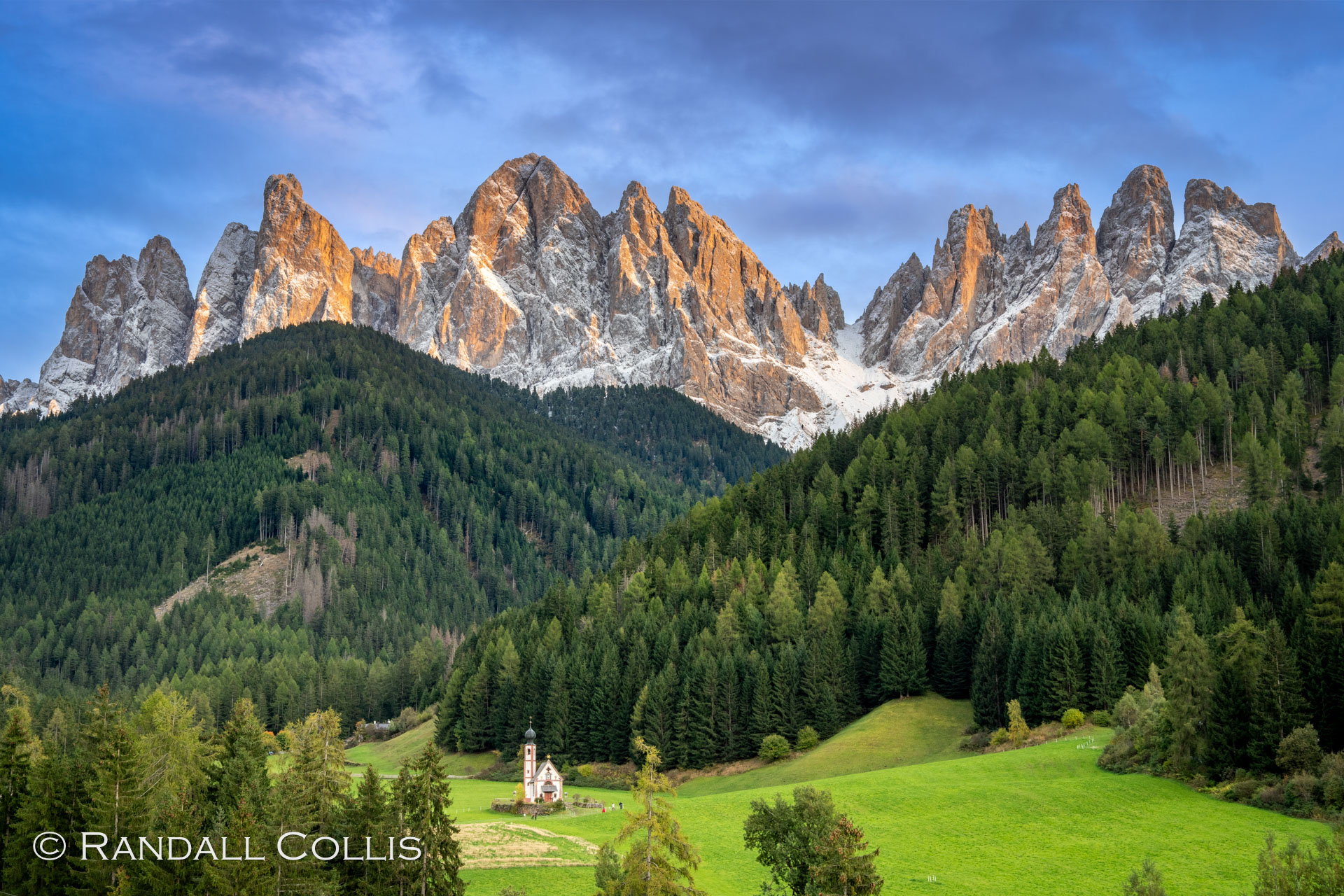
“Everything seems to have a soul…” I think about these words now, and how important it is to notice the soul in the world around us.
Time twists perception as the hours, days, months, and years pass. I think about the past few months of work—the overwhelming load demanding more time than I had—and my choice to jettison the pressure and plan this ten-day trek in the Dolomites.
The younger me would have never dared such a move, and now here I am. My thoughts drift back to the tiny Baroque chapel, San Giovanni in Ranui, in front of me. My rope is frayed down to one thin strand of itinerary still masquerading as freedom.
The peaks stand firm as the light begins to fade, and here we are: a philosopher, a camera, and a barefoot Greek who exists only in my head, reminding me that the real image isn’t on the sensor but in the way the heart learns to say “yes” to the world.
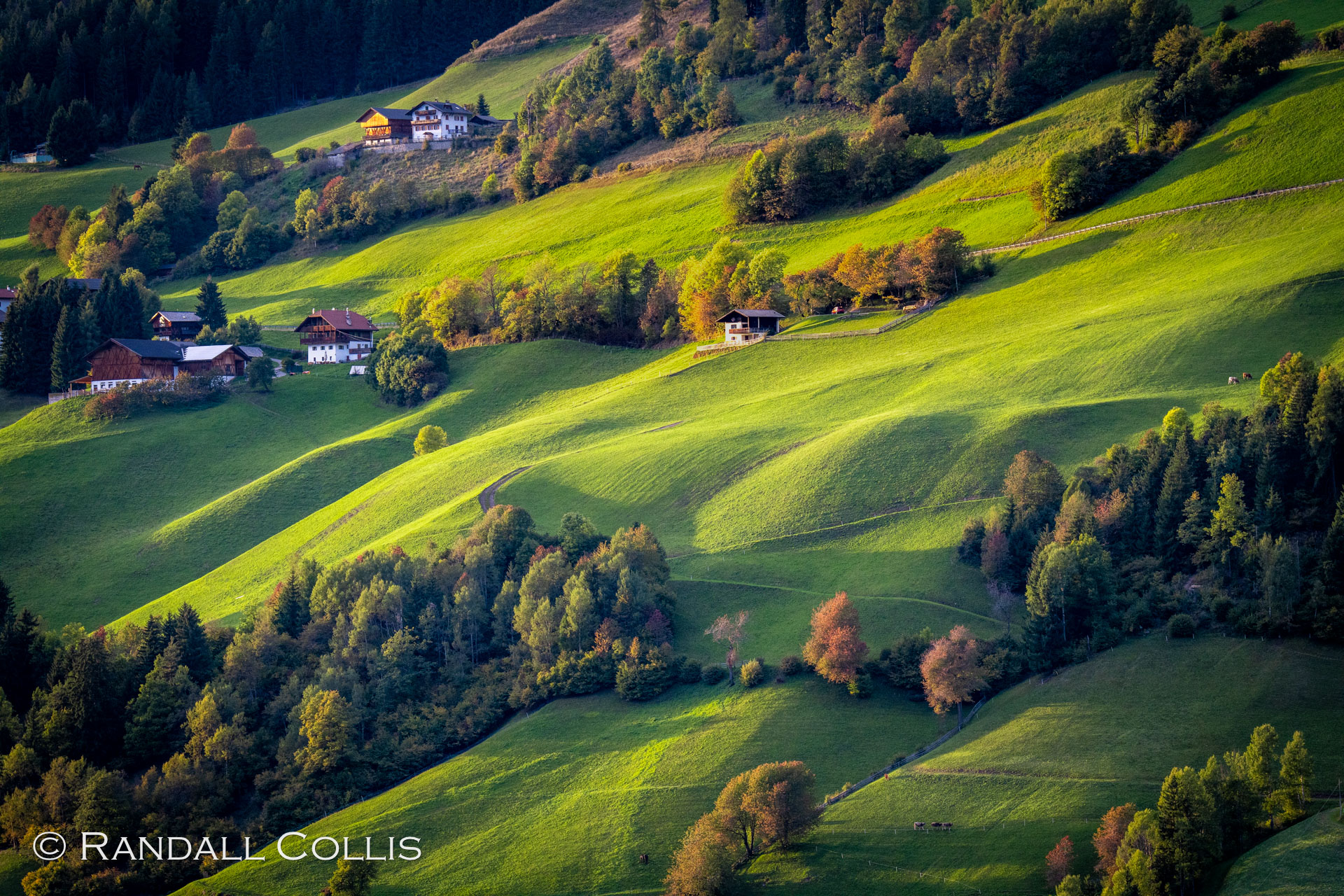
Sometimes, it’s enough to listen to the voices in your head, but there are times when you need to follow what they say. The Dolomites reach for the sky, unconcerned, and I’m here to decide whether to understand life, photograph it, or dance it.
This is the balance we all hold inside: chasing the reckless passion of life, even as we try to fit it into a world that wants order and logic. That quiet push-and-pull is its own kind of absurdity.
“…there is only one life for all men…there is no other…all that can be enjoyed must be enjoyed here.”
– Zorba the Greek, Nikos Kazantzakis, 1946
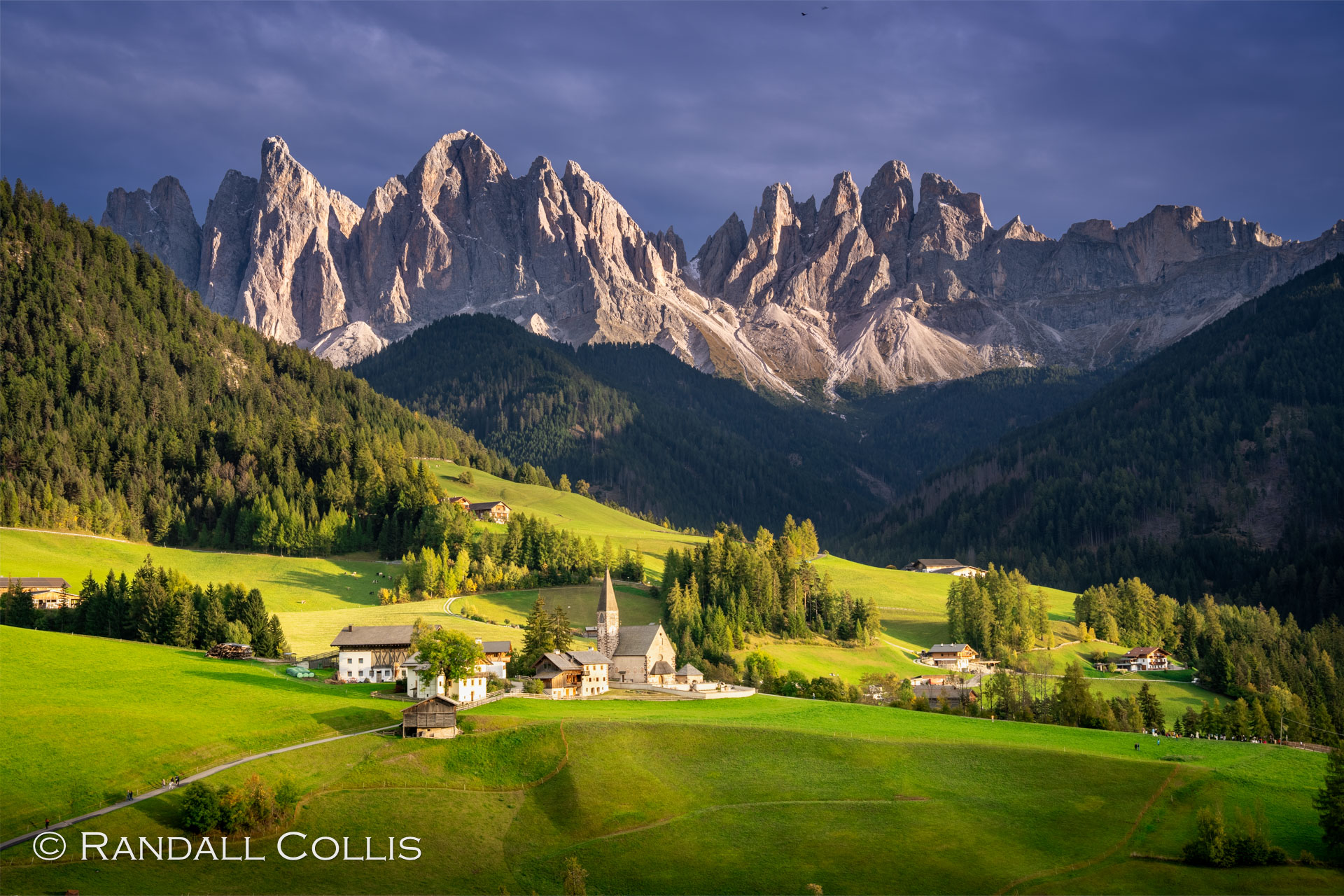
“These scenes are too perfect, boss, like a dream you can’t live in,” Zorba whispers, our eyes taking it in.
“Yeah,” I say, stepping back. “The Val di Funes and the St. Magdalena Church… so peaceful and beautiful.” I put my camera down. I’ve never stopped chasing images before, afraid they’d vanish forever. But I’ve changed.
“Images can fool us into believing the world is tidy and perfect, but it’s the mud, the ice underfoot, and the cold that make it real.” I laugh, “That’s especially true here.”
“Ah, Boss… are you saying you’d be happy to do all of this again without your camera? Just stand and appreciate nature and beauty for what it is?” Zorba chuckles as he nudges me. Instinctively, I wish to fire back, but after all our time together, a reply is unnecessary.
He knows the answer.
Nostalgia, Freedom, and the Last Dance
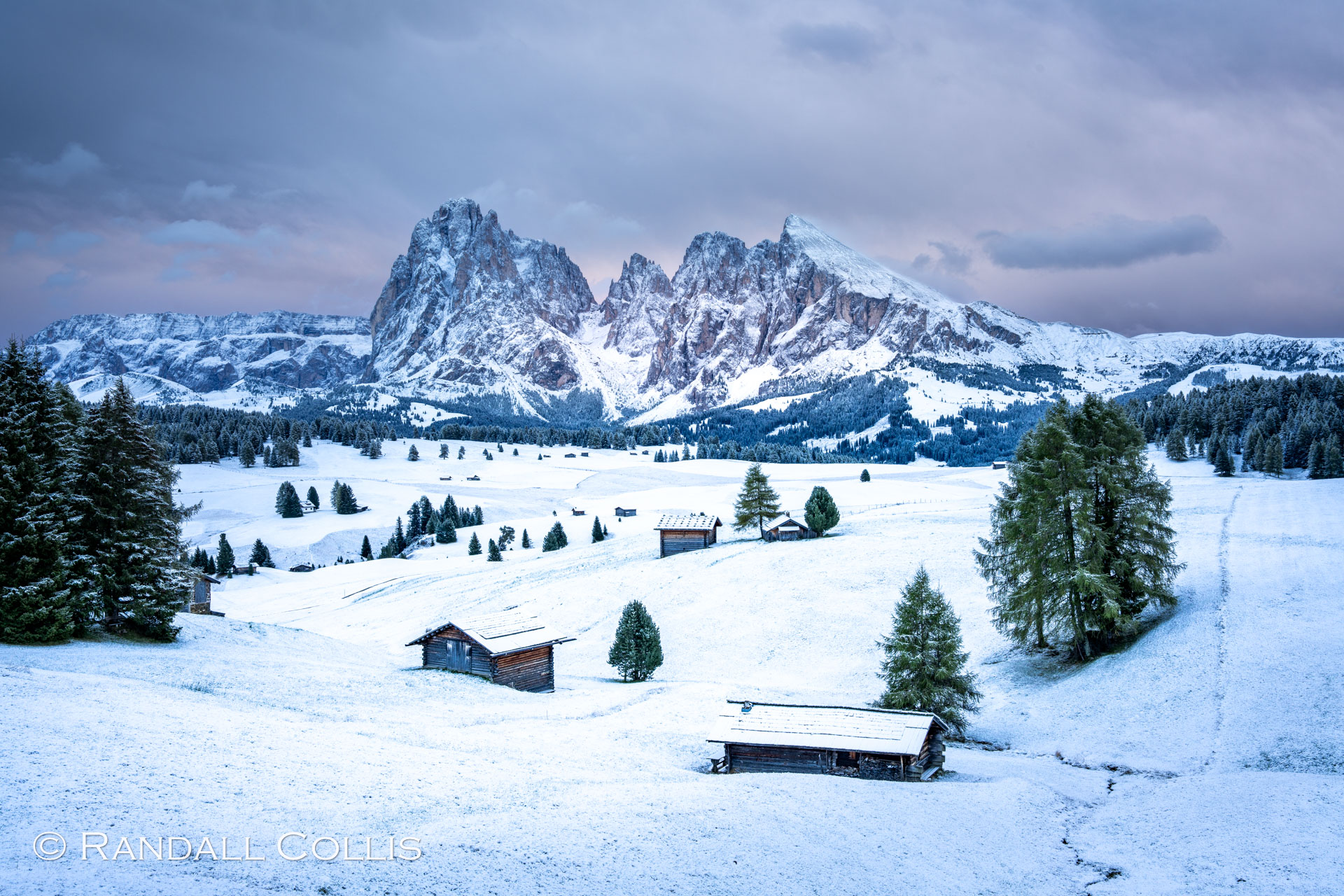
With the most strenuous hikes behind me, my soul is more relaxed. I feel fresh and alive, even on another cold morning. The sharp, icy breeze can’t bring me down.
No longer just a tripod with shoes, I stand still in the cold, listening, at ease with the scene. Chasing images can wait.
On the Alpe di Siusi, the scene around me evokes nostalgia. I can’t quite place it, but I dive into the past: snow-swept valley, simple cabins tucked into their own dreams, me standing on the periphery of a scene I’ll likely never see again. Where does this feeling come from?
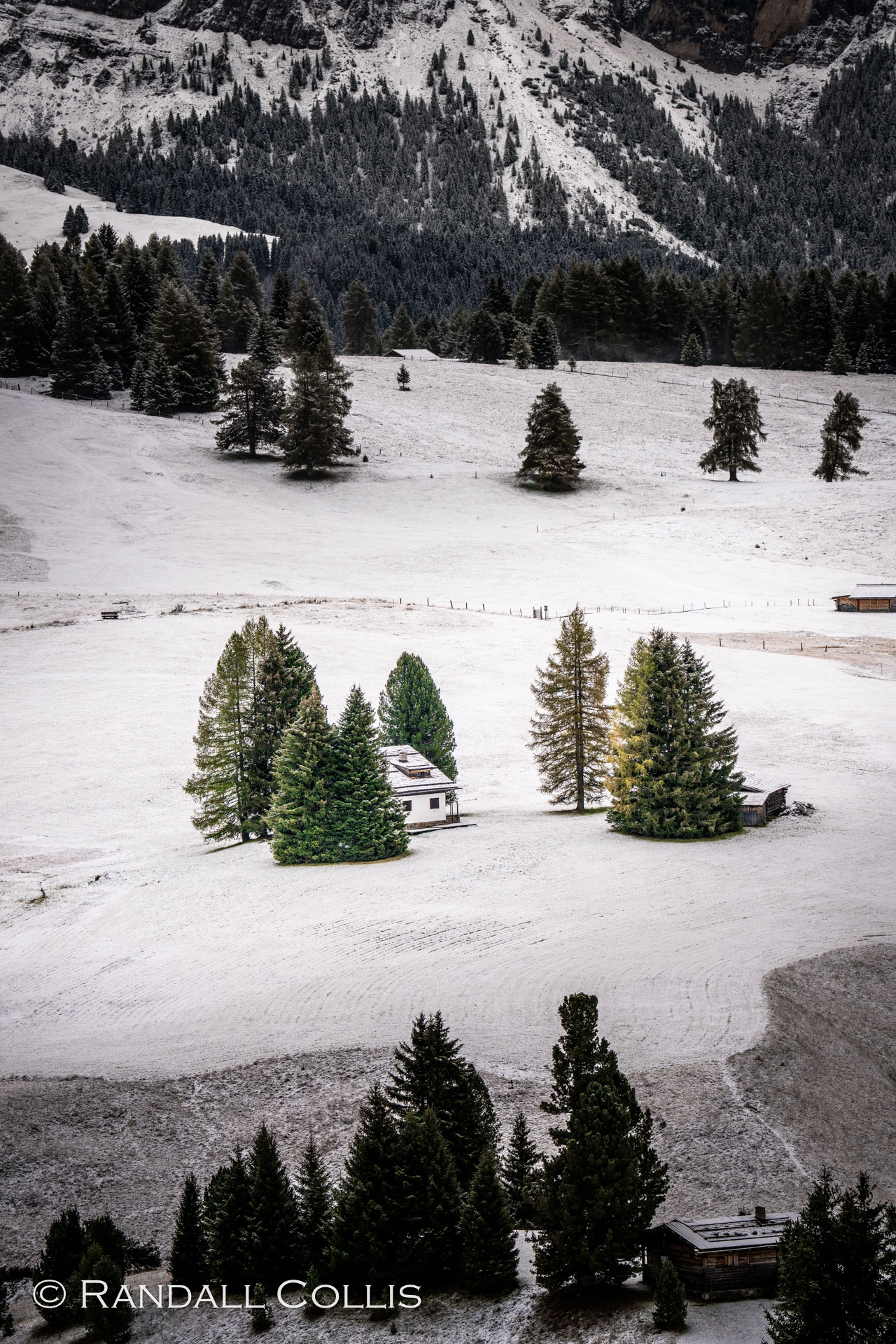
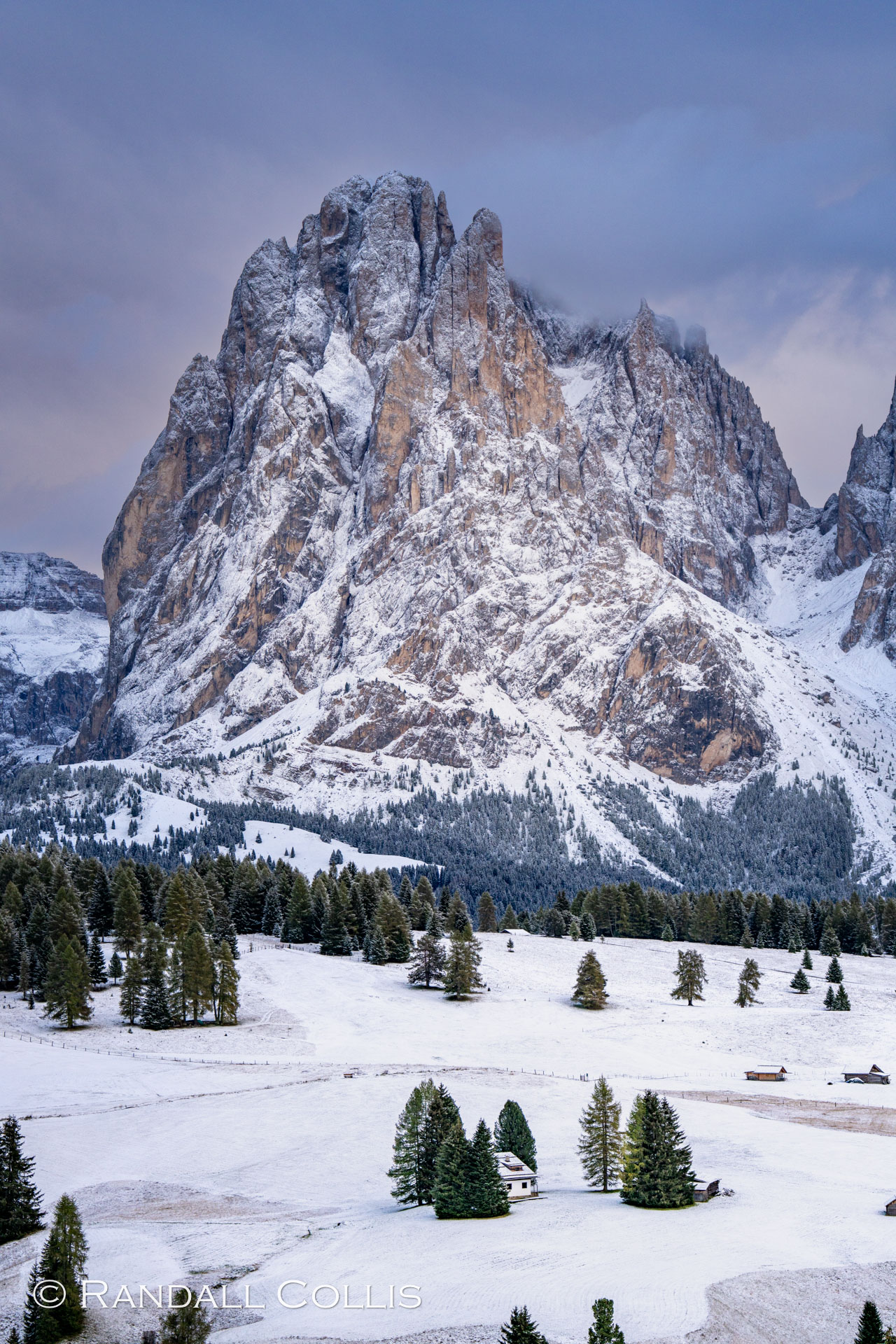
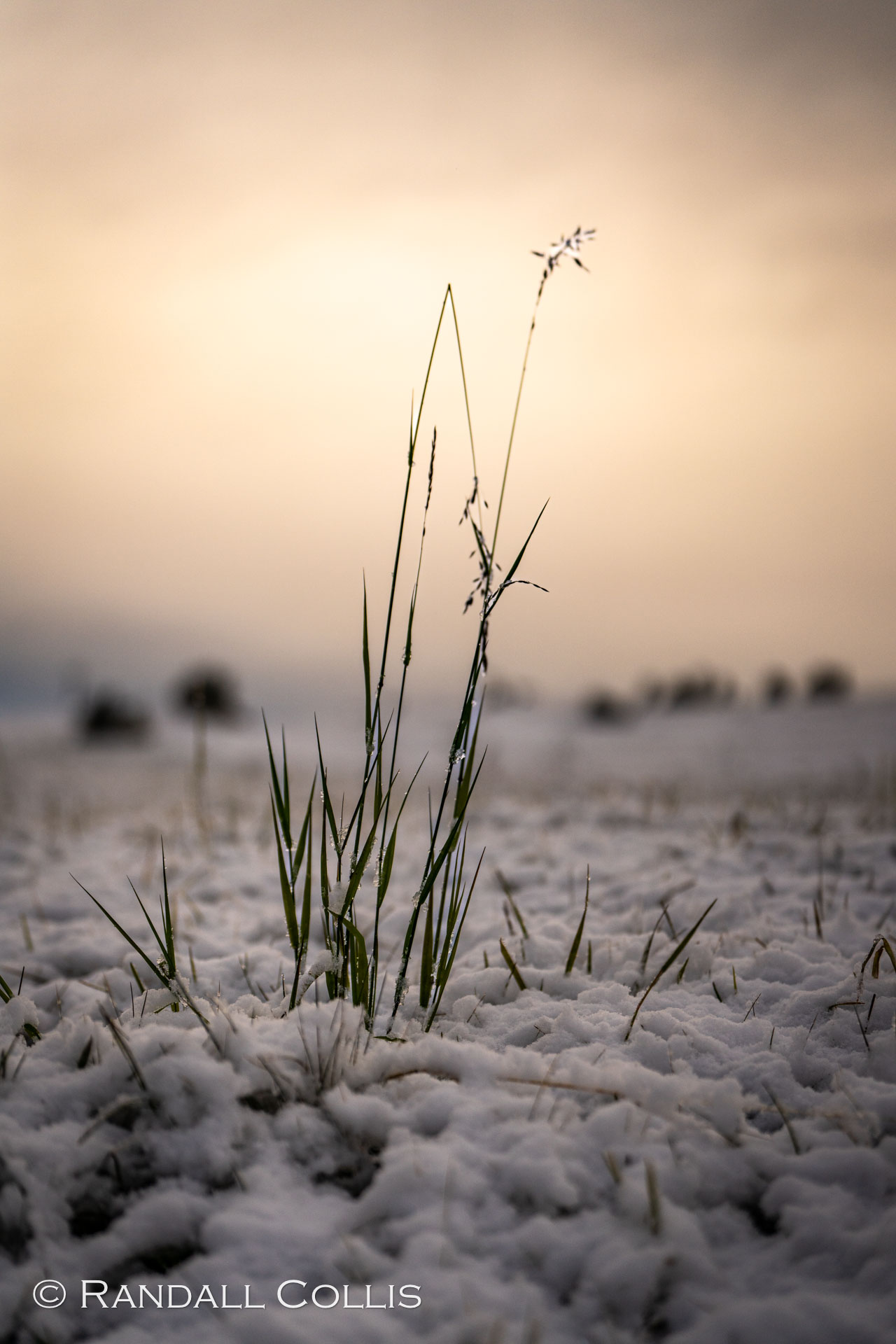
“Careful, boss, nostalgia is sweet wine poisoned by memories,” Zorba warns with a touch of melancholy.
My light laughter breaks the spell. Isn’t this the truth?
Every recollection underscores that a moment exists only in the past, reshaped by longing rather than fact. Nostalgia becomes both balm and wound, memory’s way of whispering that beauty is fleeting.
The touch of melancholy still moves me, but ironically, it’s enlightening. My camera is poised for a few more images, but my love for the scene takes precedence, and I let it overwhelm me.
We let the light on the fields below the Sassolungo and Sassopiatto Mountains speak for the rest of the morning. I’m walking on air.
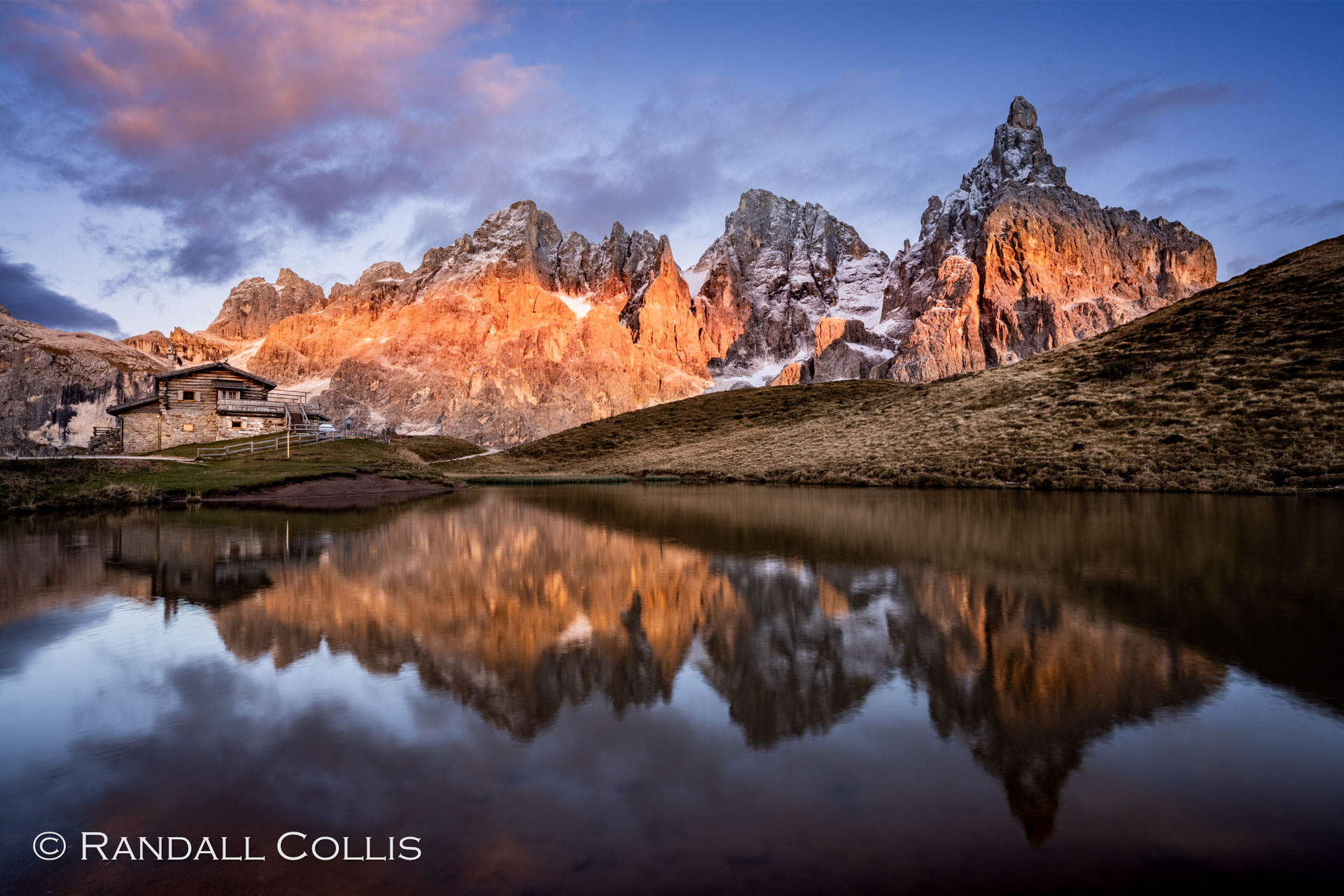
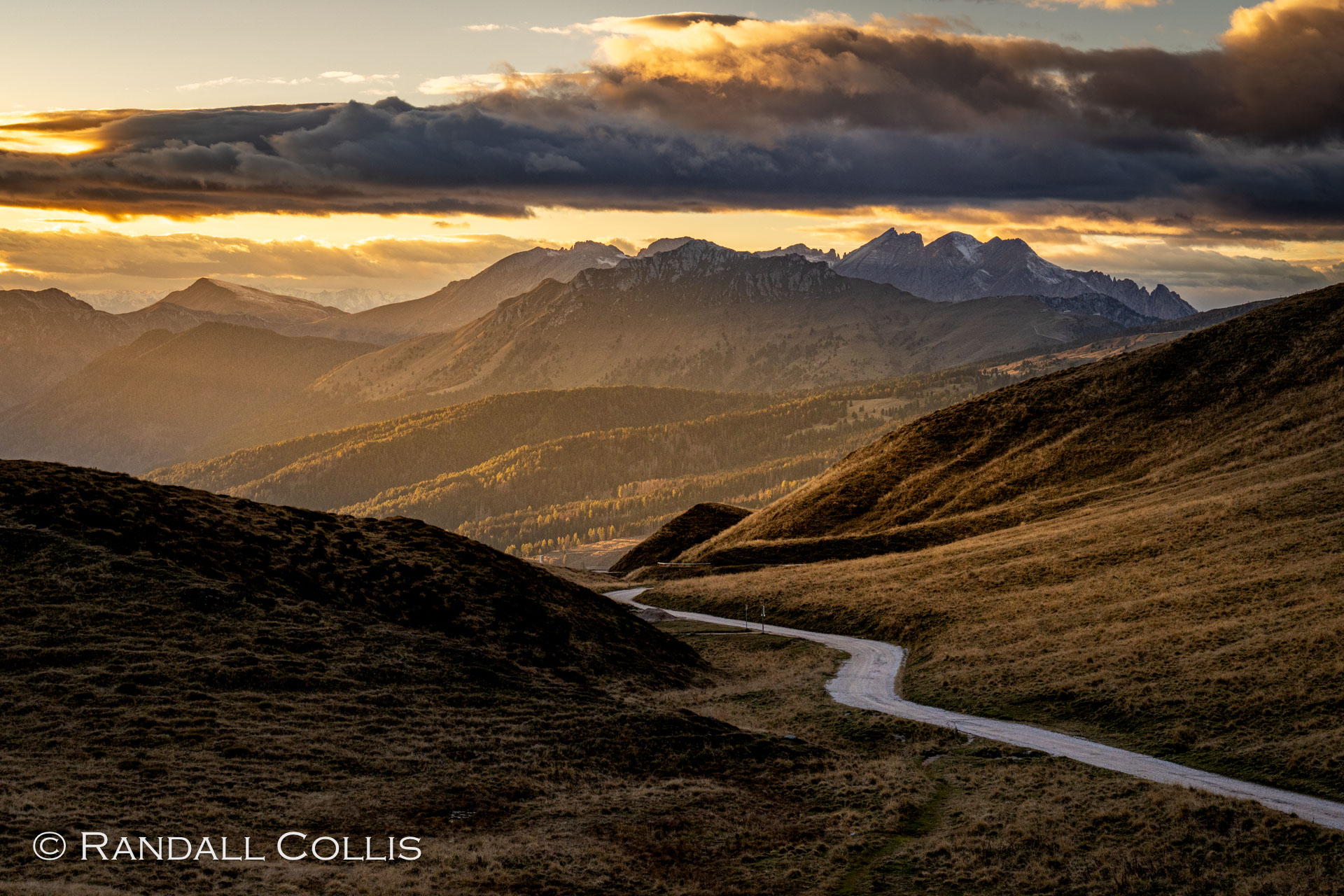
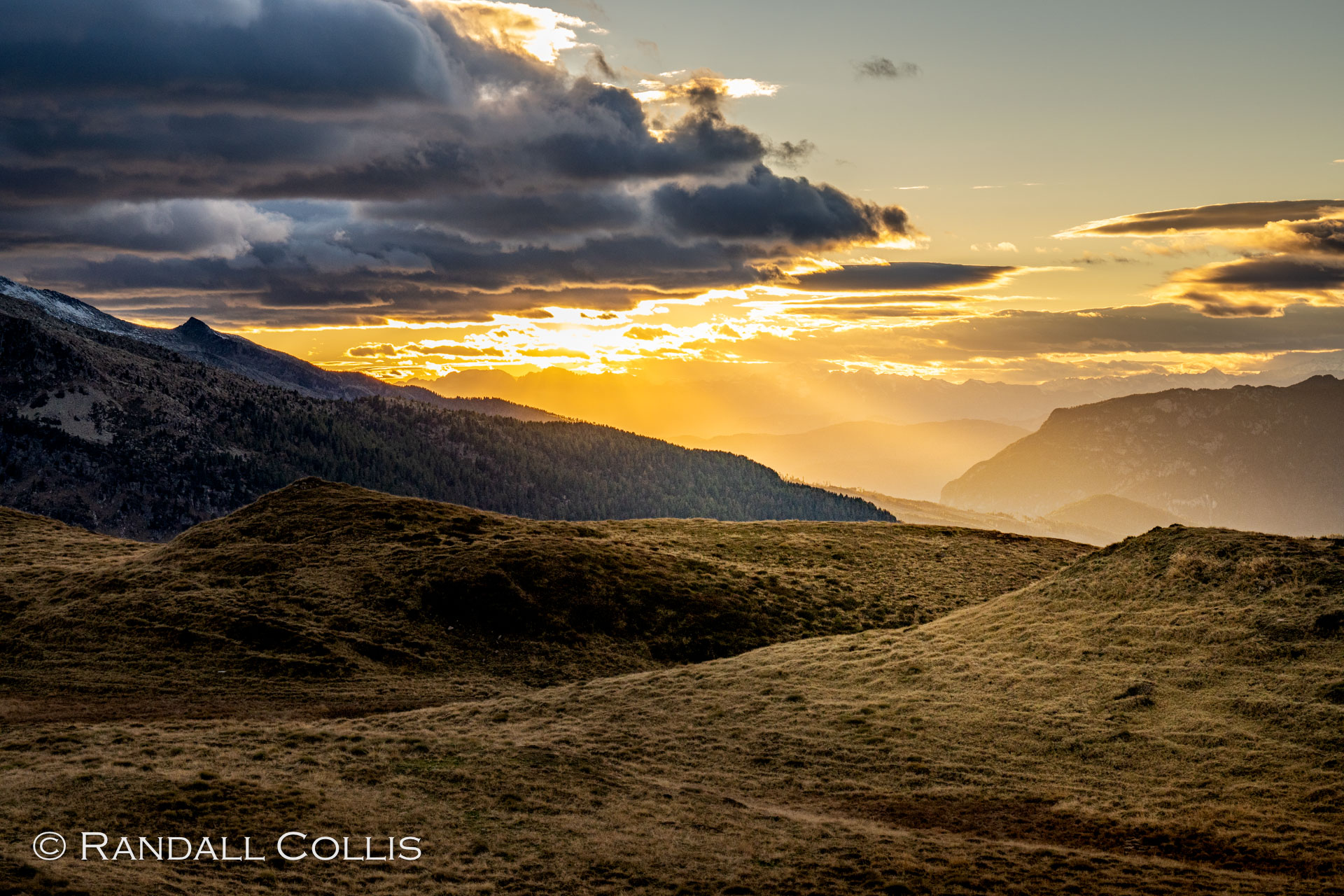
The setting sun deepens the feeling that my days in the Dolomites are coming to an end. Here in the saddle above Passo Rolle, the alpine hut Baita Segantini sets the scene at the base of the Pale di San Martino Mountains—one of the most serene Dolomite vistas. After capturing the mountains’ reflection in the small lake, I sit down and take it all in.
As soft rays fall on the autumn pasture below the peaks, Zorba astutely surveys what’s before us, “If your heart doesn’t ache here, change hearts…”
Aching muscles and tired bones melt into the soft grass. I pull out some cheese and bread, along with a bottle of Italian wine, to celebrate the final evening of hiking and photography. The area’s peacefulness mirrors the calm in my soul, a richness earned over the past few days.
I look at him; my pack feels lighter than it did when I started.
I finally admit, “You were right. One lens would’ve sufficed…”
He roars with laughter, picks up the wine bottle, and dances along the shore.
Leaving here with a full heart is more than I expected. I turn to Zorba to thank him for everything I’ve learned, but I think he already knows.
I watch him get up and walk toward the road. Just as I fear I’ll never see him again, he turns, smiles even brighter, and winks, “We’ll meet again, boss.” He lifts his hand and turns away.
“Zorba…” I call, a little embarrassed, knowing there’s still something left to learn from him. I ask with a smile, “Teach me to dance? Will you?”
A shared dance in the Dolomites: I smile as I drive away. Nostalgia will return to claim these days, but Zorba would insist the only honest tribute is to live them fully while they are here.
I reflect on the extreme shifts in weather and landscapes as I worked my way through this cathedral of nature, and on the shifts in my own mind that brought a new, clearer view of the world ahead.
Zorba has come to represent what feels most human to me—the willingness to risk, to be ridiculous, to dance despite the struggles.
“I had never seen such a friendly accord between a man and the universe.”
– The narrator in Zorba the Greek, Nikos Kazantzakis, 1946
On the long drive home, my worries haven’t disappeared; they’re just quieter now, riding in the backseat as I move forward with a little more freedom.


 Global Sojourns: Photography & Philosophy
Leave a reply to sandyroybessandbugzy Cancel reply