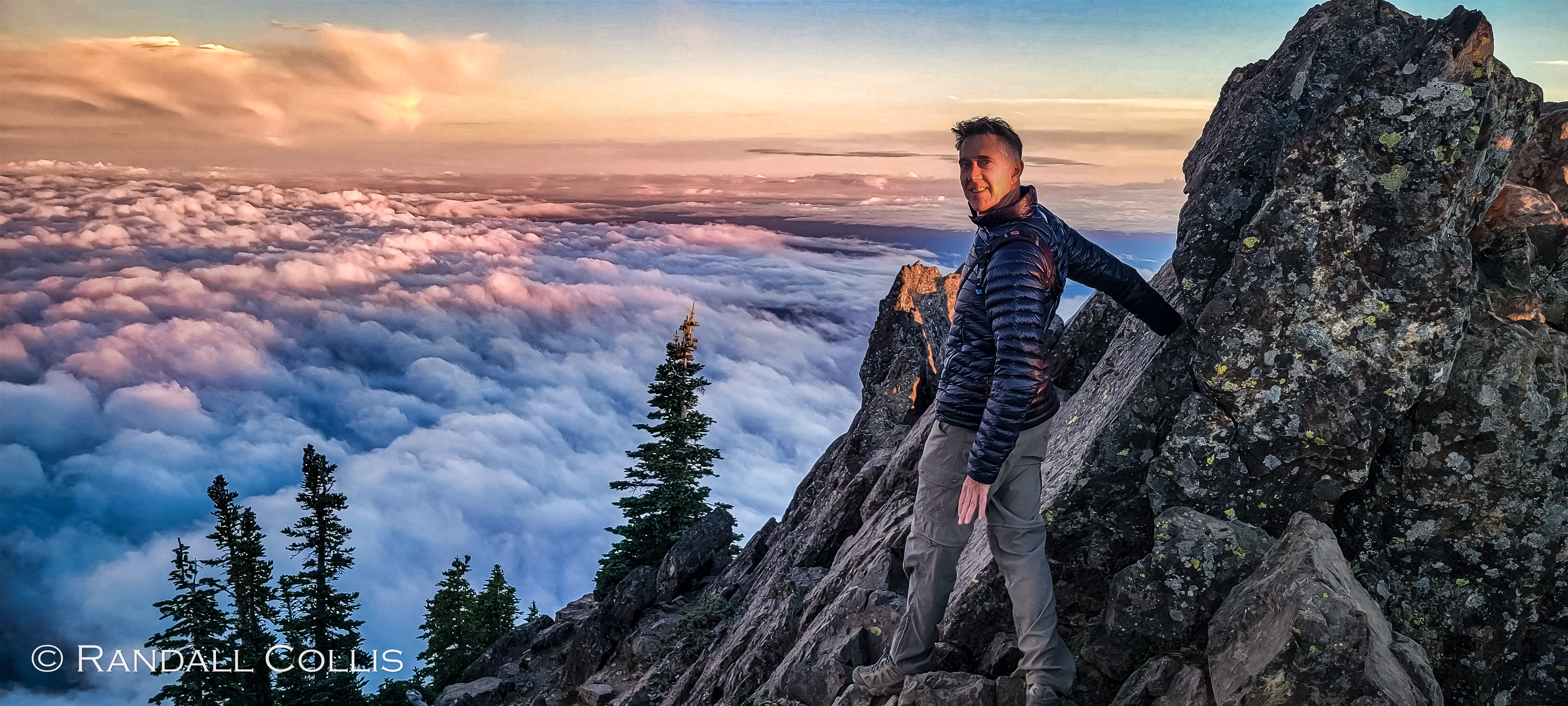


A midsummer fog accentuates the light ripples on the water, and peacefulness seeps into my mind. Within its wake, morning solitude. I wrap myself around the moment, grappling with the lifelong question of meaning: will anything I do leave a ripple in life?
My thoughts drift slowly, tracing love’s path—from the warmth of family, to the steadiness of friends, to the fierce fire of youthful passion. The awe of it all, chasing dreams and chasing experience.
Not a moment I’d change, for as a moth to a flame, life is all about taking risks, even if the pain of failure breaks you.
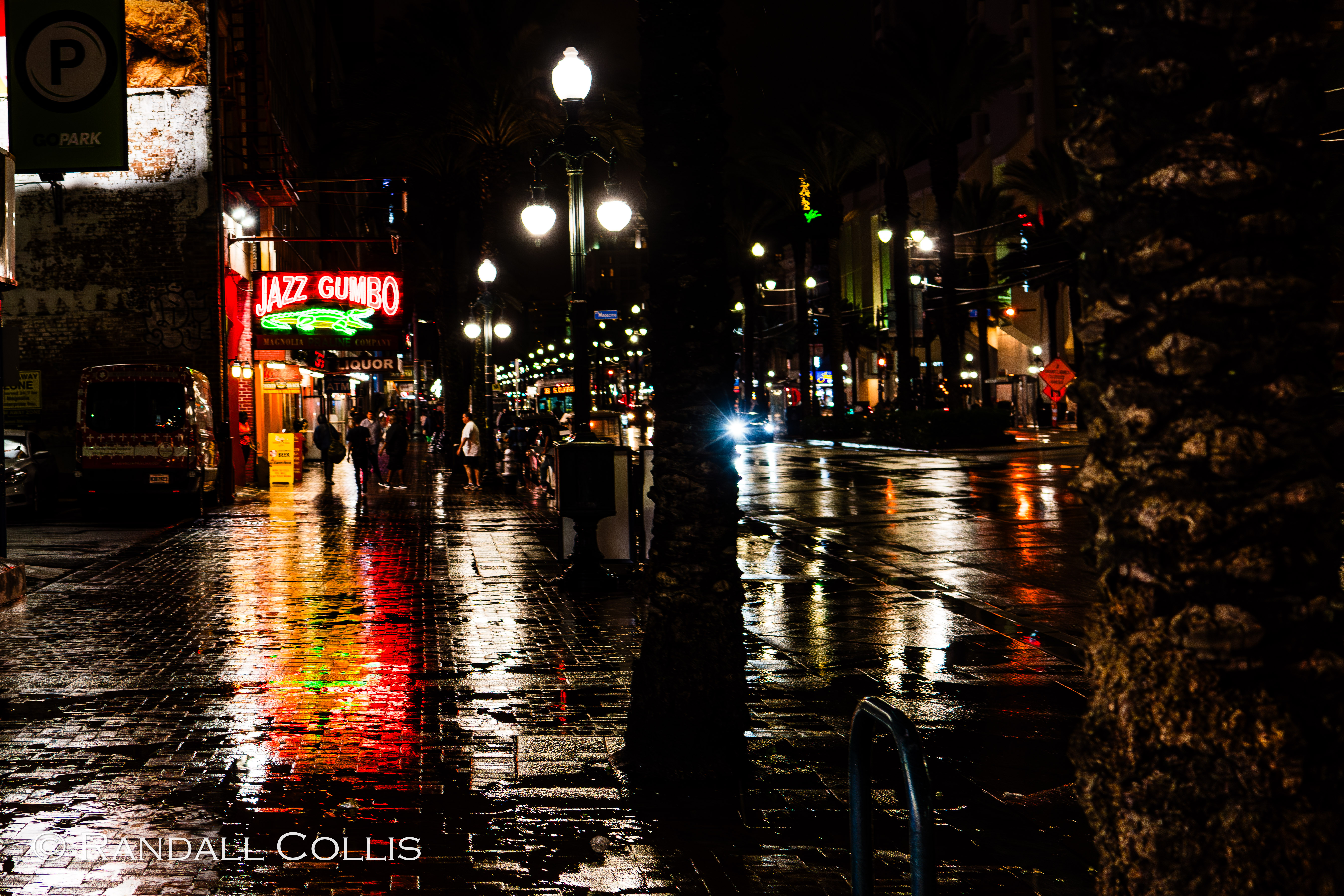


My nights are filled with a whirlpool of endless dreams — fascination with what lies ahead, and what I can become. And it’s always the same, the elusive touch of an answer caresses, only to vanish when I awake.
Awakening in life is akin to rising into the madness of a storm. Brushing ever-so-close to meaning… it seems trite to give an answer, but there is a lot of truth to be found in one four-letter word: love.

The wind picks up and whispers to me: beauty. If there is a word where dreams begin, this would be it.
Love is beauty. The scents and scenes of the wisdom of nature, the strokes needed to create a piece of art, and, as a young man, the incredible bite of desire for the physical beauty of another. The embrace of love, with the wind moving through me, is the best feeling on Earth.

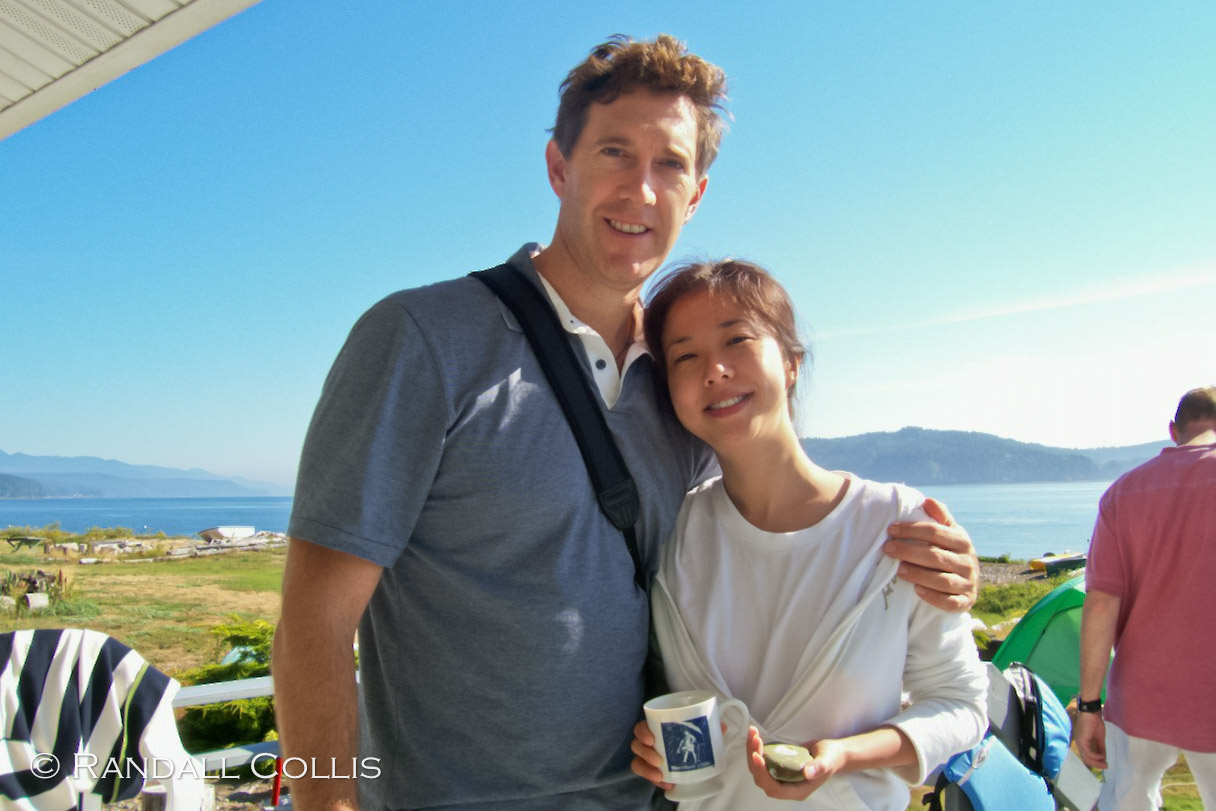
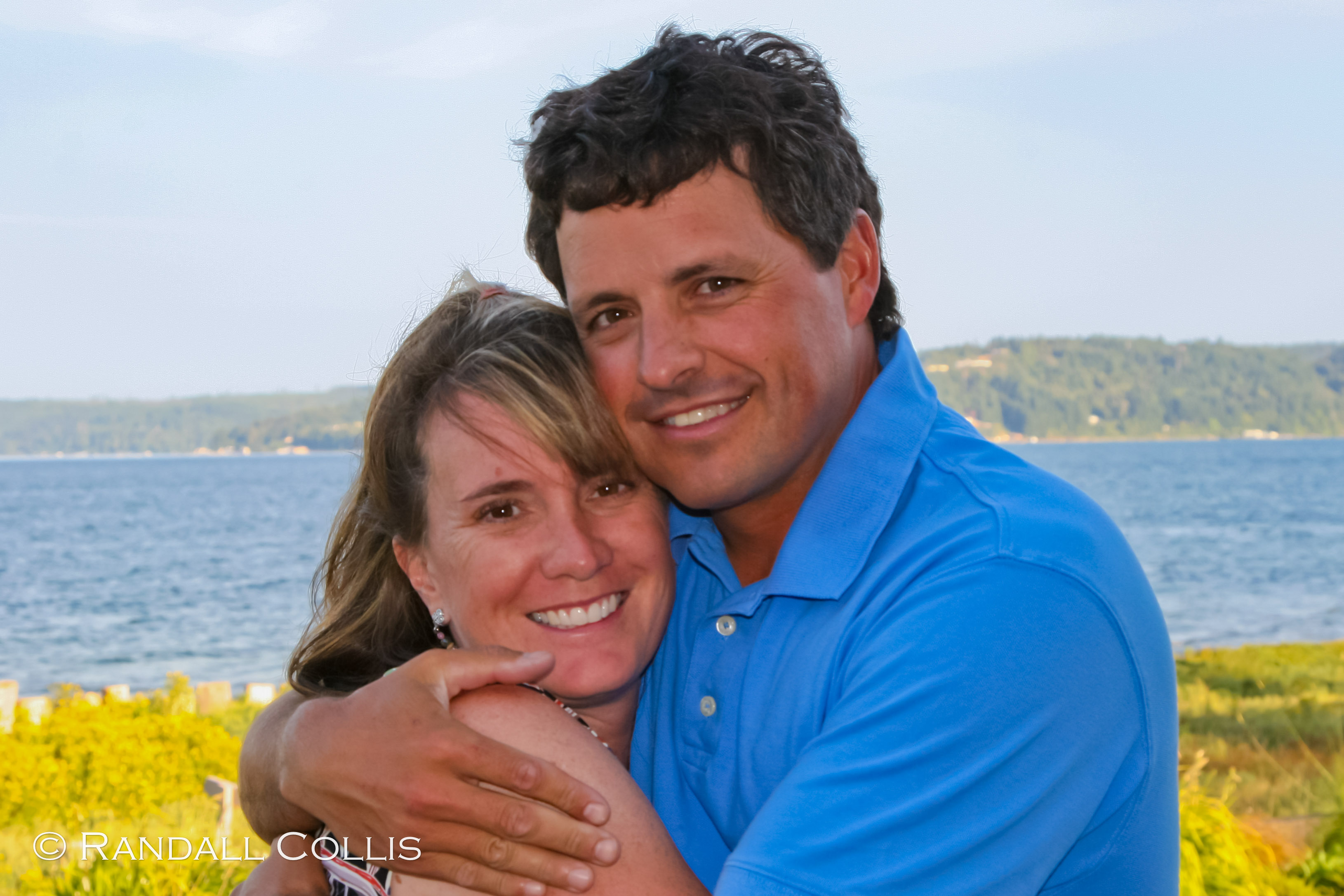
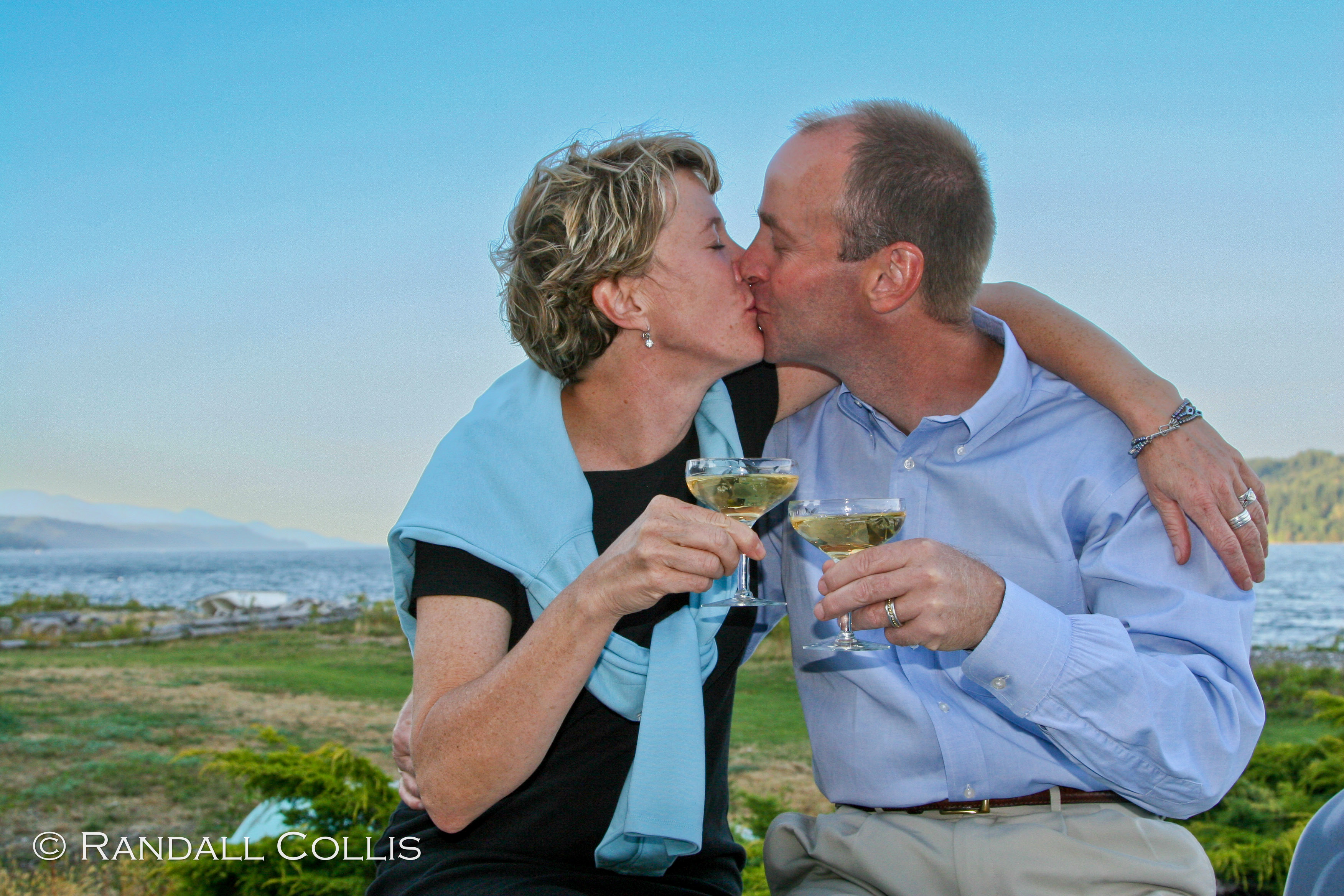
My peaceful solitude is disrupted… “Well, what is this thing called love?” Her voice is a song for my spirit. Sitting there, drinking her Longjing tea (龙井茶), my heart is carried along with the cadence of her words.
I put aside one of the more enlightening philosophy books I’ve read, Plato’s Symposium, and wonder: should I play Queen’s rendition of “Crazy Little Thing Called Love” and call it done?
I look at my watch and decide I have the day to kill, so I proceed to dive into the deep end…

Defining love, so many paths from where to start:
- The love of family
- The love among friends
- The altruistic love of life
While defining any of the above would work, for me, at the very foundation is passionate love: eros. Like the beginning of time, this is where it begins — in chaos, forged in pressure, fire, and flame, and if we are lucky enough, it evolves into something more profound: beauty, truth, and wisdom.

“This volatile piece of love is like the birth of the cosmos; everything starts from the Big Bang, and through pain and struggle, love ripples out and creates meaning in life.”
“Eros, especially in our youth, makes the world go. Spinning wildly until it’s out of control and splashes into the sun.” The twinge of memories now brings laughter, versus the frustration felt in the past.




“Wow… how romantic? No wonder you’re sitting here alone with your book.” Her slight grin mocks. “Is this the romantic in you breaking free?” She leans back, and I can’t help but return her smile.
I remember our first kiss—a kiss of possibilities. Irrational, sparkling, transforming every day into something beyond my control. Even today, when meeting her eyes, I feel the world shift on its axis, a bit lost.
“So we begin with lust and evolve into something else… ?!?” She laughs.


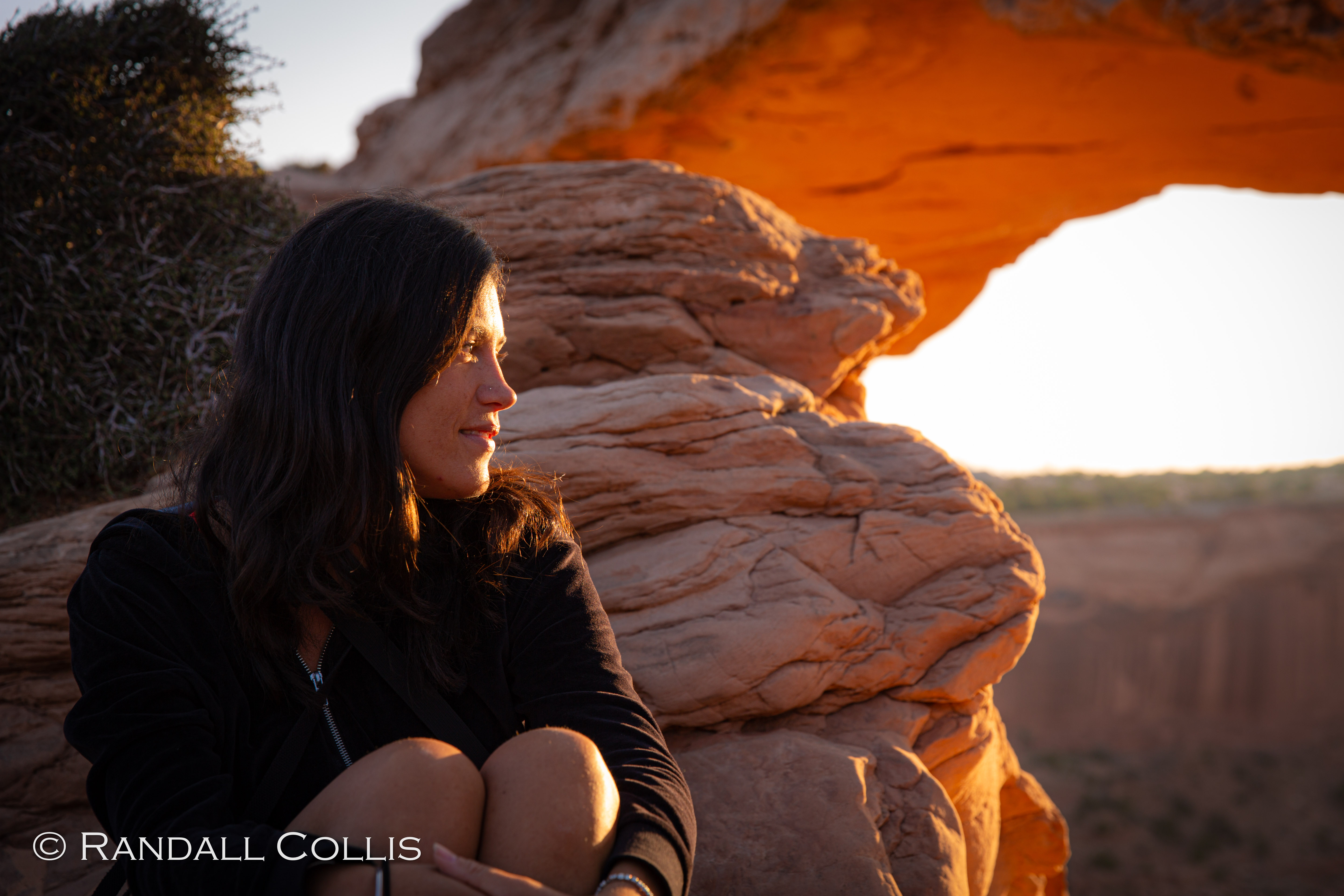
“Lust holds something special within youthful love… those glorious, golden mornings – the time of day when the beauty of the world wakes.” I think back to those rays of light; every day a dream, and the world holds nothing but mystery. A silent glance. A gleam in her eyes. A touch of a promise that can ignite the soul.
“Eros is a time when we can revel in foolish moments, where love brings those tickles of possibilities. Pursue, pursue, pursue, and then smile and cry when failure arrives.” And I think to myself, it’s through mistakes and discovery that every connection reveals its worth, guiding us forward.
“Incredible, you speak like a typical caveman. So all love is to you, is this wild ride through life?” She asks, unimpressed with my definition so far. The glimmer in her eye holds back her smile as she pokes me.

“Nah, it’s just the start. Perhaps the best part of love is leaving the turmoil of eros behind.” I quip back to her.
The transformation from eros into a deeper love is anything but easy.
Physical beauty inevitably loses its lustre, as the heart clamours for more… to dive into the mystery beyond the physical. To see where it may all lead.
Of course, things rarely go as planned: anger, accusations, and an idealized image of beauty become warped as the picture-perfect life transforms itself into something unexpected. And this is when the wildfire gets out of control.
“Please tell me more…” she brushes her hair back, still unmoved by my explanation, and I can’t help but chuckle at her expression; it’s one I’ve seen many times before.
“Love first draws us to physical beauty, but at some point, this is no longer enough; we also look for beauty in the soul.”



The importance of evolution. Of growing. Of maturing.
Sex and passion no longer play the starring role, but we also can’t ignore the fact that it’s this initial animal instinct that gets us on the ladder of love in the first place.
“And for you…?” She asks, her tone now one of interest.
“Eros is the motivating force, a curiosity, but beyond that, it’s more the pursuit of knowledge. The reason and wisdom behind it.” I stop and collect my thoughts. “Meaning. Exploring life to find meaning.”

If there is one thing I am sure of, it’s the attraction of moving towards the unknown; a beauty I do not possess — the wisdom found in nature and those around us. Where a natural, calmer curiosity takes over the soul.
“Maturity?” She laughs again. “This is something I never expected from you.”
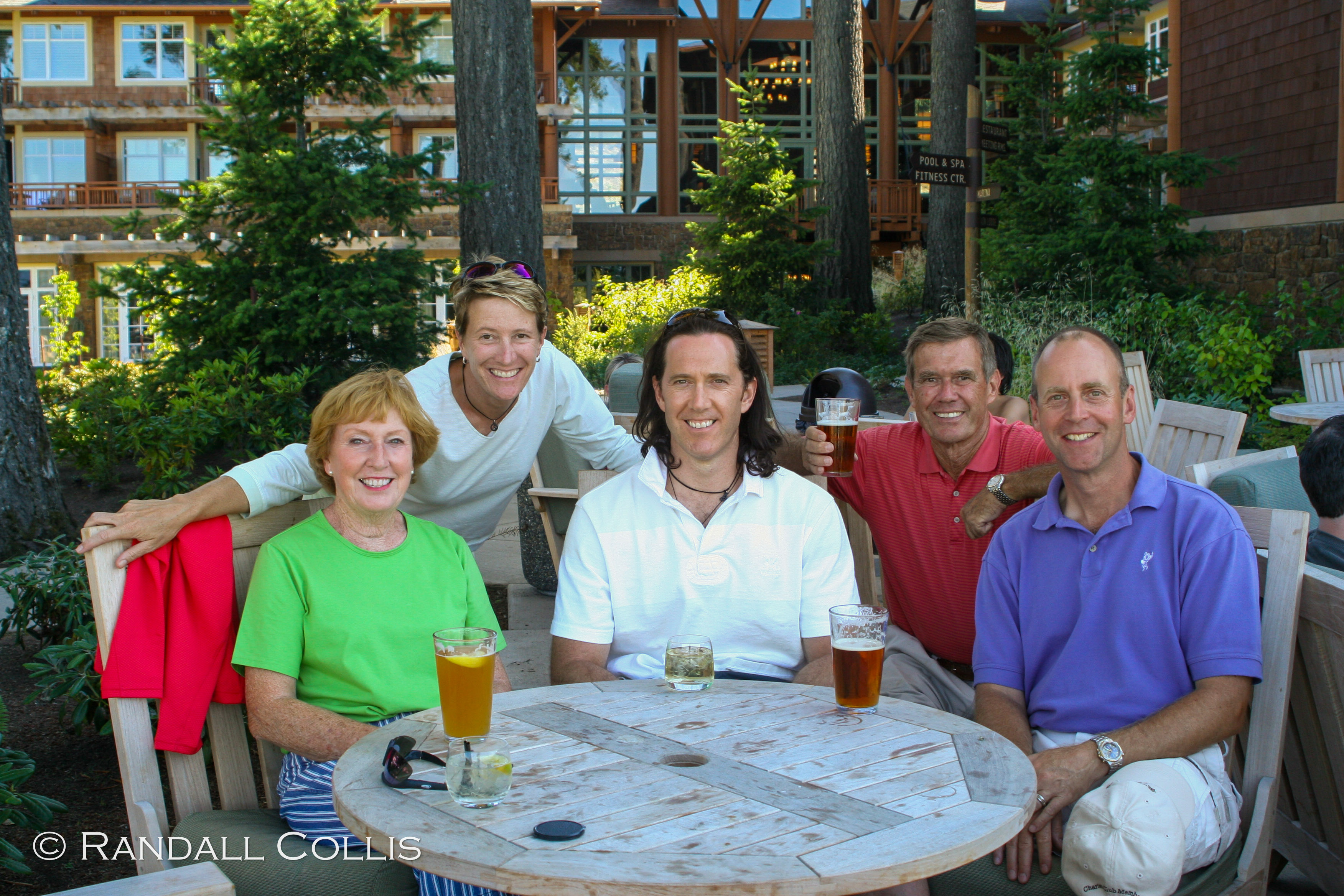
Her laughter only ends when she manages to say, “Now, the sad part for a philosopher like you. Didn’t Nietzsche point out that the only significant philosopher who ever married was Socrates?” She closes her eyes, “Once again, you’re doomed.”
Fitting. Nietzsche did humorously write in one of his works:
“A married philosopher belongs in a comedy, that’s my principle. And Socrates, the exception, the malicious Socrates, it appears, got married ironically to demonstrate this very principle.”
— Friedrich Nietzsche, On the Genealogy of Morals, 1887
With laughter dying down, she sighs, “You belong in a comedy, trotting along collecting experiences, trying to find this mythical mountaintop of wisdom…”

“Yeah, I’m out trying to chase down my other-half,” I say in jest. Love does push us to seek some understanding within ourselves, but there’s not a single, particular individual, a soulmate, so to speak, to complete anyone.
To become complete is our responsibility. It’s within us, and what we search for is someone to share it with.
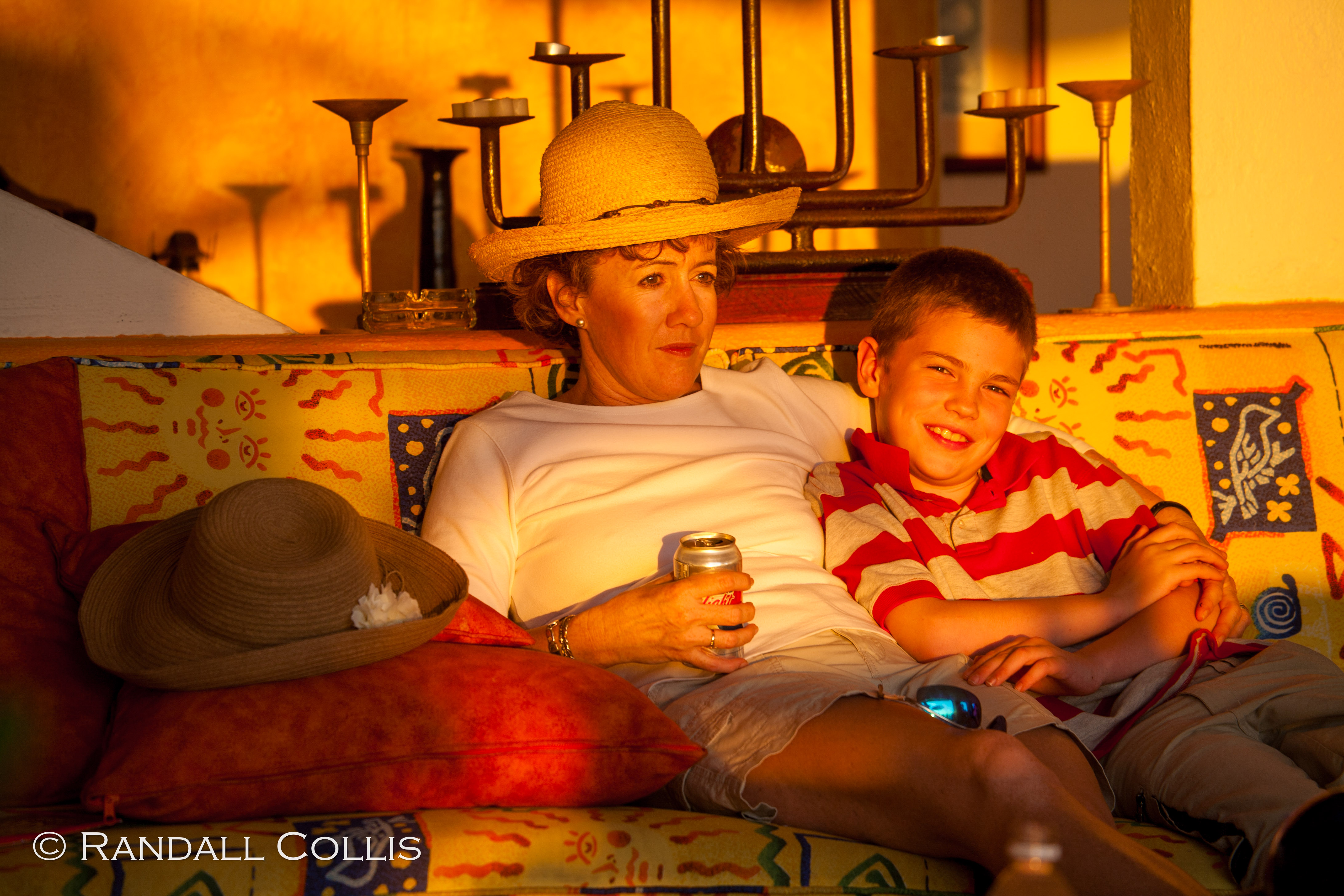
My foray into Existentialism began with Nietzsche, followed by Jean-Paul Sartre, a well-known existentialist. It was his better half, Simone de Beauvoir, who touched on the danger of believing in a soulmate.
She wrote something that has stuck with me for decades. Paraphrasing her:
When we believe another soul, or a love, will complete us, we risk losing ourselves in that love, erasing ourselves as independent beings.
— Simone de Beauvoir, paraphrased from The Second Sex, 1949


Beauvoir defined authentic love as being a partnership, based on “reciprocal recognition of two freedoms.” Placing too much faith in finding “the one” or a “soulmate” shifts the responsibility of happiness from you to another, risking the freedom and growth authentic love requires.
To step out from the passion of eros, where we wish to control love (and our lovers), and recognize each other’s independence, gives freedom to pursue other interests outside of the relationship. It’s challenging, and for younger people, almost impossible. However, when such recognition does take place, it’s magical.
“So is love a path for self-improvement?”
“Wow, I’ve never thought of this before, but yeah, I suppose it is.” Why have I never considered this before? I’m not sure, but coming to such a realization at this age is embarrassing.
Thinking about it, this is what philosophers I admire most insist upon in one form or another. Love is the essential driving force, pushing the soul toward self-improvement. To hone a sense of virtue. Constantly seeking the philosophical wisdom threaded in the “sea of universes” spread throughout the world.


“Developing a few valued friendships throughout a lifetime.” She is at ease with her words, “Along with your family, you do this well. It’s poetic, and clashing as we did so much when we were young, I think we didn’t recognize the value of this.” She gives me one of those looks that makes my heart skip a beat, as she did so many years ago.
She adds, “Could we ever be so close again, true friendship, after everything we went through in the past?” And she turns towards the water stretched in front of us.

A Nietzsche quote comes to the tip of my tongue, and I can’t disagree:
“It is not a lack of love, but a lack of friendship that makes unhappy marriages.”
— Nietzsche, Beyond Good and Evil, 1886
We’ve had our issues, but the love never left. “True friendship can always be rekindled from love…” With a smile of understanding, I take a quick, final drink of my coffee, and we get up to walk along Elliott Bay.


“You know, it’s quite a job starting to love somebody. You have to have energy, generosity, blindness. There is even a moment, in the very beginning, when you have to jump across a precipice: if you think about it, you don’t do it.”
— Jean Paul Sartre, Nausea (1938)
The morning has shifted into noon, and I think about Sartre’s idea of jumping across a precipice… and all the times I’ve failed to clear it. Reflecting on such moments, two philosophers come to mind that shake me a bit in terms of love: Schopenhauer and Nietzsche. They touch on the bitterness love can bring, something almost everyone has experienced on some level.

Schopenhauer and Nietzsche are unique to me, as they not only preached about this bitterness but also seemed to live it as well. Wallowing in their sorrows. I wonder if I should mention this to her, and decide it’s best to keep quiet on this part.
Schopenhauer wrote about how romantic love can be the most significant force in human life, yet is also the cause of extreme difficulties, and to paraphrase from his works:
Love is strong enough to drive many people to death, and more to the asylum…
— paraphrased from Schopenhauer’s The World as Will and Representation, 1818
Believing that the idea of love is nothing more than an illusion.
Fascinating. Debilitating.

I return to the Sartre quote, “… when you have to jump across a precipice: if you think about it, you don’t do it.” And I can add, “But when you do, what a thrill it is…”
“This is eros in a nutshell – a jolt of lightning in life that creates those uncontrolled fires of passion.” I think back to the hours I spent creating pieces of art for her, hours of perfecting a love letter across oceans, with the thought to ‘suck out all the marrow from life’ with her. Even today, this thought is electric.

Obsessive and desire-driven love, from which eros is born, ultimately can become toxic if not tamed. I would guess this destructive behavior is why so many marriages, partnerships, and relationships break apart.
“However, eros is a piece of life never to be missed, even if it leaves you with a heartache you’ll never recover from,” I mumble at the end.

“How do you reconcile this irrational passion of eros with the love of family, friends, and others you have mentioned?” She flips through some photos of family and friends.
“I think it’s all in the process of finding wonder in the character of those you love: family, friends, and acquaintances who impact you deeply in life.” My mind thinks back on those who have left an imprint on my soul.

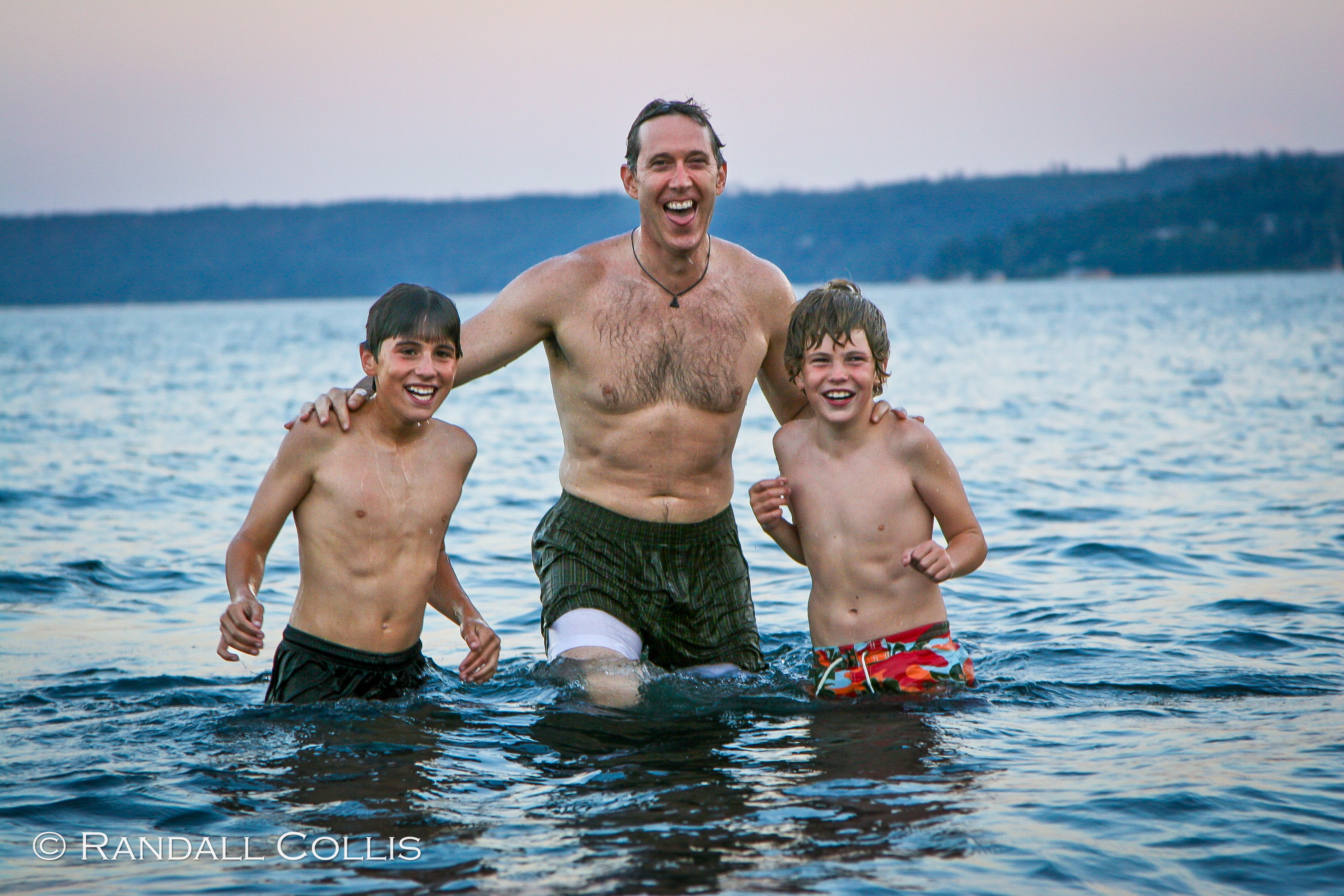
I continue. “What we do and how we respond when finding such people, if we are so lucky, is where we can transcend into a higher state of love, capturing more of the meaning of life. You can’t help but contemplate what inspires a beautiful soul… and those around you contemplate the same about you.”
It is inspiring. A group of people (friends and family), united by an inquisitive nature, who end up subconsciously pushing each other to higher levels of humanity.


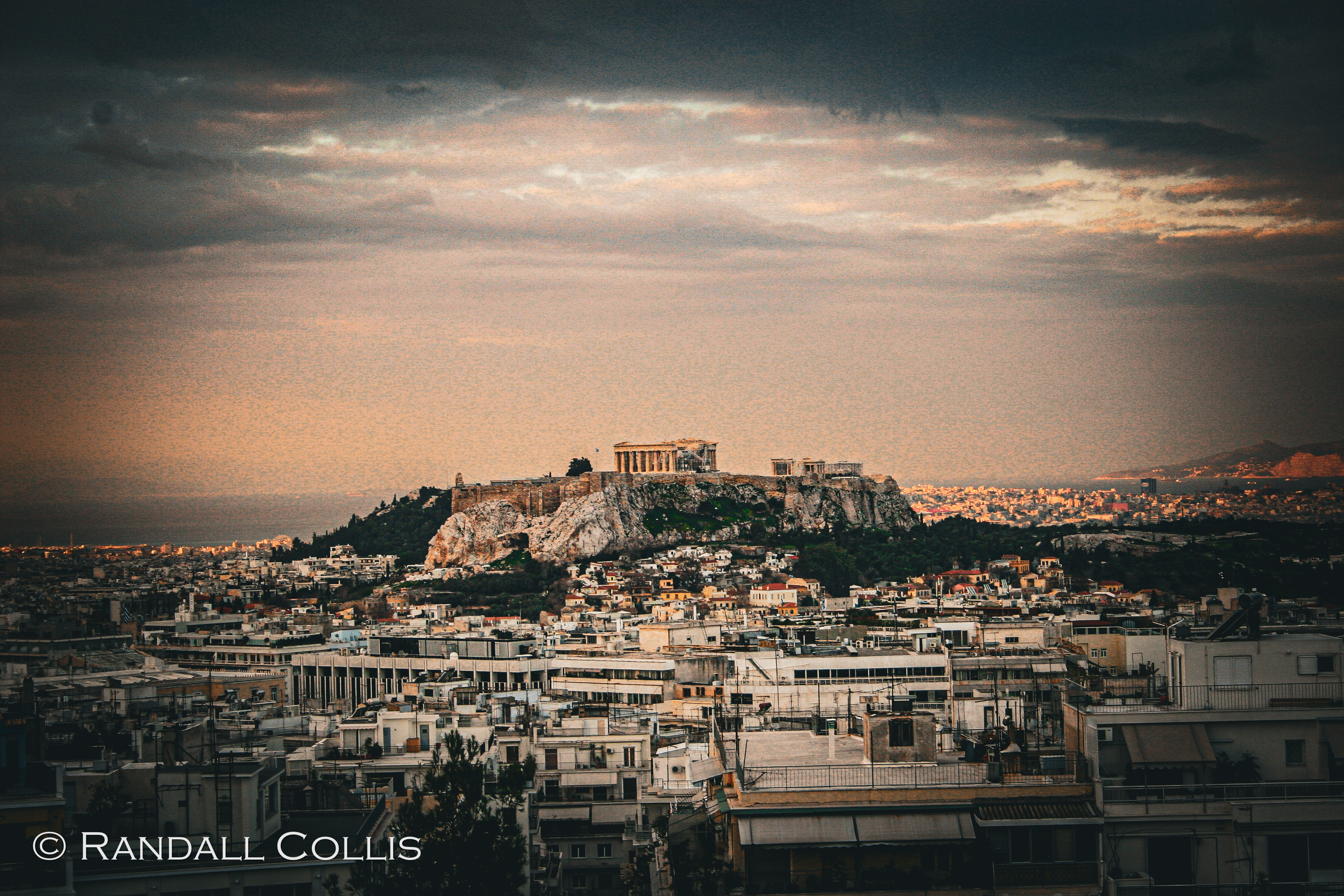
The Greeks, from so long ago, understood this: the intricate and essential role love plays in human life. Plato’s ladder of love, beginning from the romantic/passionate eros to the selfless altruistic love, as well as Aristotle’s belief in self-love. A series of evolutions.
The more a person cares about growth, the more motivated they are to better themselves (self-love) and the more capable they become to help others do the same. This beautiful cycle of inspiration is how we flourish.
This is how self-love distinguishes itself from selfishness.
Aristotle’s concept of self-love, doing what is best for oneself, sheds light on the value of love and beauty, not just in having great friends and family, but in sharing and finding meaning together.
The trust and loyalty, finding ways to excel, relationships where the sum of the parts outweighs the sum of each part individually. It creates a universe within yourself and others, and by building bridges and sharing wisdom, you continue to move forward.

“So from all this you have talked about, besides it being a little overwhelming, you still have this stoic quality you picked up from your days dreaming of being a Pendleton Cowboy…” She flips on my old cowboy hat and adds, “How does all this fit within your philosophical theory?”
I cannot help but smile, because my forays into love, especially the eros portion of it, are anything but stoic. Stoics keep emotions in check, while I tend to wear my emotions on my sleeve.
“Seneca, the great Roman philosopher, wrote about love, and it baffled me as a kid in my 20s.” As a young kid, I couldn’t see his critical tone as being aimed at me.

I admire Seneca’s work, and while he spoke more harshly towards romantics, avoiding eros if possible, he did see passionate love as beautiful for those deserving of it, with the added caveat that when it happens, “It should be cherished because its duration is always uncertain.”
“Si vis amari, ama” ~ [If you wish to be loved, love!]
— Seneca, Epistulae Morales ad Lucilium (Moral Letters to Lucilius), written around 62–65 AD
This quote from Seneca flows through all areas of love. It’s a two-way street — respect and love from others can only begin if you have those qualities yourself.

She sighs. I’m unsure whether it’s exhaustion or misunderstandings. “And for us, these days when you’re half a world away, it’s crazy how time pushes us forward so quickly… and also pushes us away?” With a wistful gaze, she adds, “So much happens, and here we are… this crazy little thing called love.”
True love never leaves; it holds strong as a lifelong friendship. It keeps our spirits high, whether one is loved near or in memory. It holds a sentiment attributed to Seneca, although not found in his writing: “For those whom true love has held, it will go on holding.”



The description of love from a Stoic’s perspective is illuminating – it captures the type of love that defines profound friendships, and above all, for me, family.
There is a sense of altruism within the family, unconditional, even if at times accompanied by high-strung emotions. Families, like friends, have different interests and personalities. On more than one occasion, I’ve had friends say comically, when talking about family gatherings, “Family is like fish – after a few days, it begins to stink.”
This summarizes well a universal experience of the challenges of maintaining harmony in close quarters with anyone over time.

Yet, family is where it all begins for many, and for me, it’s the highest level of love. It’s instinctual. And I was lucky enough to have this love lead me to believe in a higher, altruistic form of love.
No matter how I screw up, how I fail, there’s always a soft pillow waiting for me at home, and everything is OK… along with the same old jokes, old clothes, and old books to pick up and relive a life.
Of the pieces of love I’ve outlined here today —eros, friendship, family, and altruism— they together form the meaning of life. Each holds a unique role.


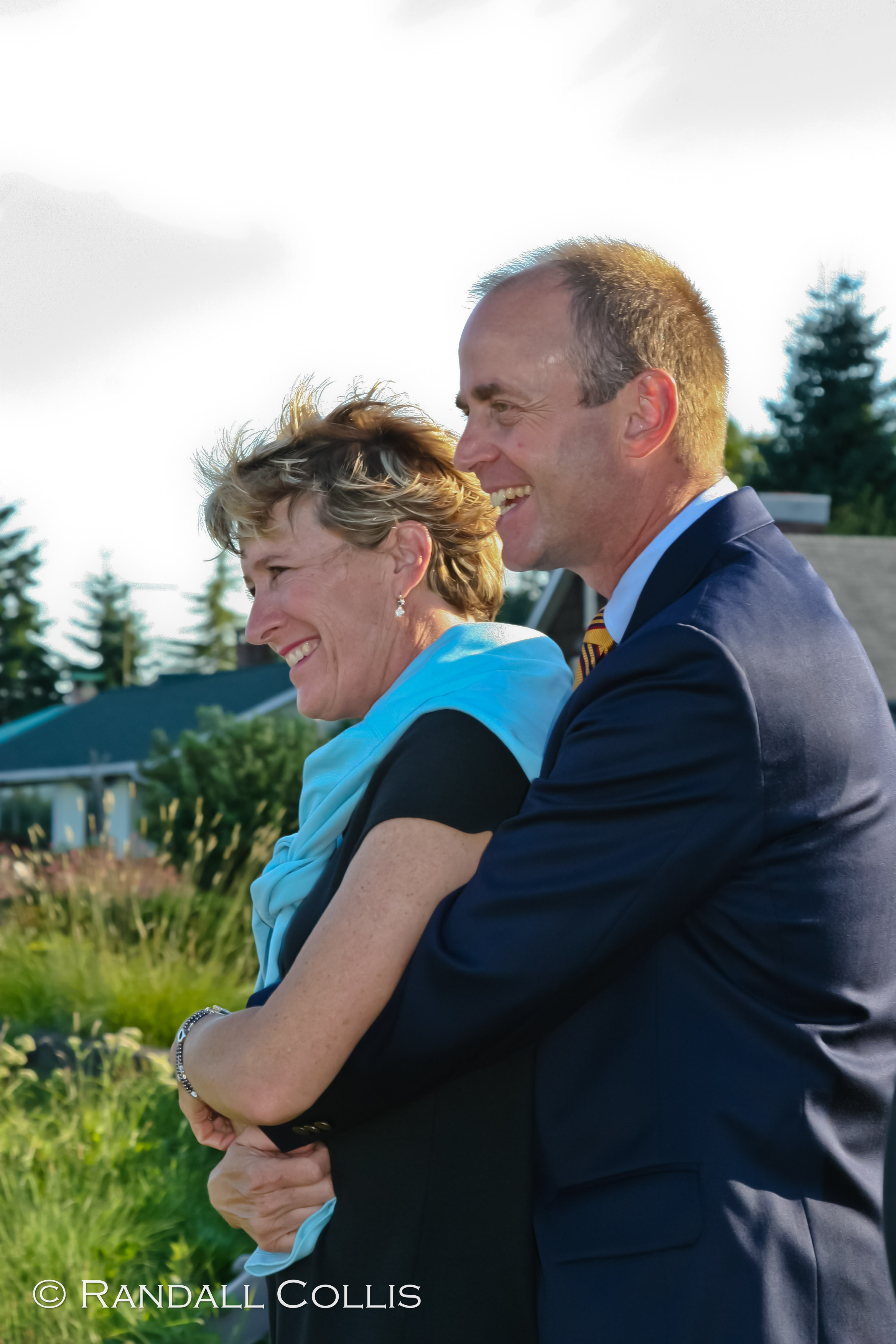
“Hmmm, for as long as I’ve known you, it’s easy to see that love within your family dominates,” she leans into me with understanding. “I bet if you ask others which part of love plays the biggest role in their lives, the answers would be all over the place.”
“This is the amazing thing in life, everyone’s so different, and finding the right balance is what it’s all about.” Our hug still holds electricity, and the chasm between us fills, and two flames, separated over the years, merge once again to become one.
Embrace the chaos… create the ripples of life.

I smile as she fades into the winds of my dreams, along with the words that define life and the tapestry we weave together: Love. Kindness. Wisdom.
Wisdom gained searching for truth, failing more times than succeeding, but ultimately creating a tapestry from the ripples we make.
🎶 …And in the end
The love you take
Is equal to the love you make … 🎶— The Beatles, The End, Abbey Road, 1969


 Global Sojourns: Photography & Philosophy
Leave a reply to Bama Cancel reply