
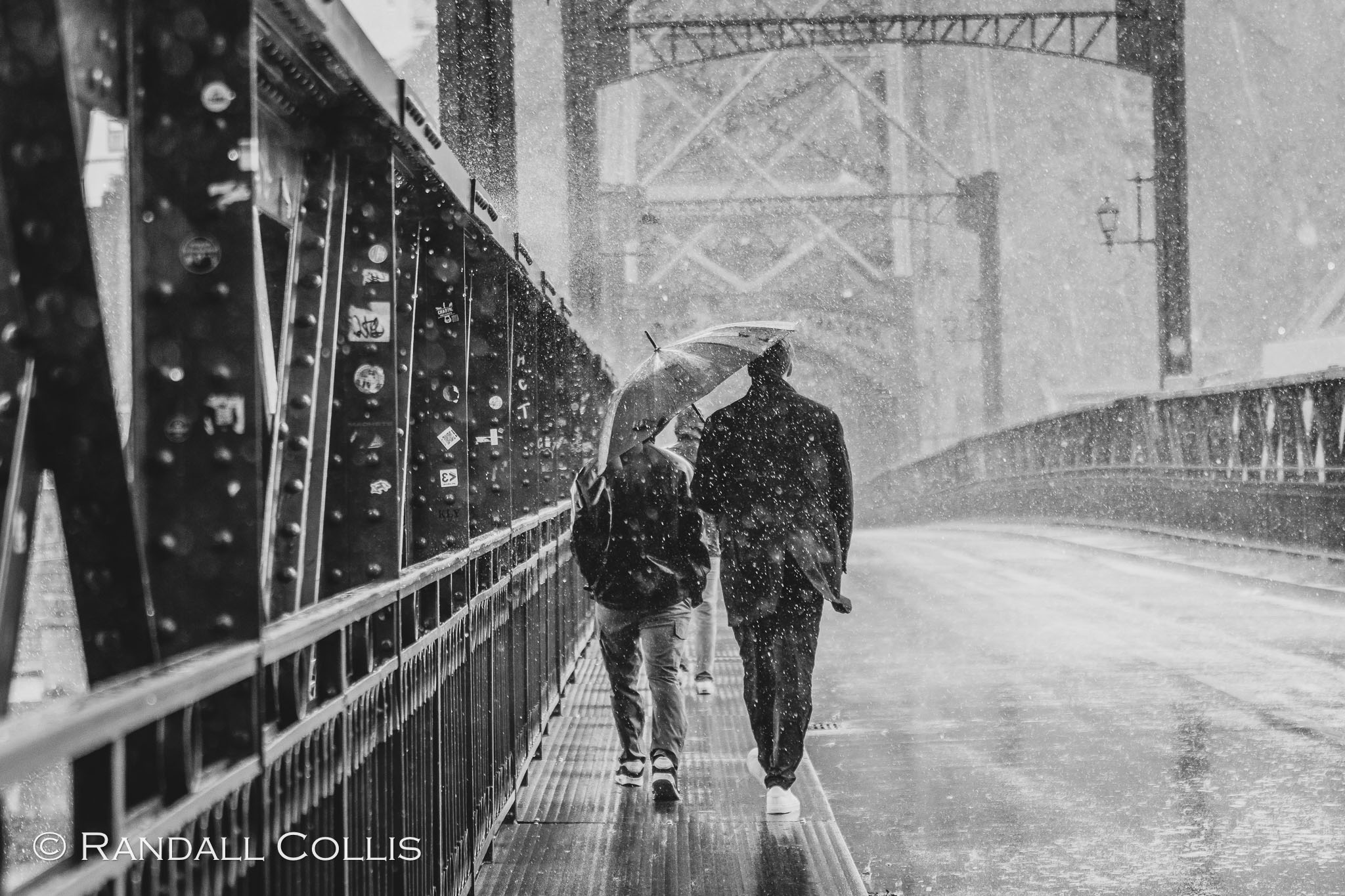
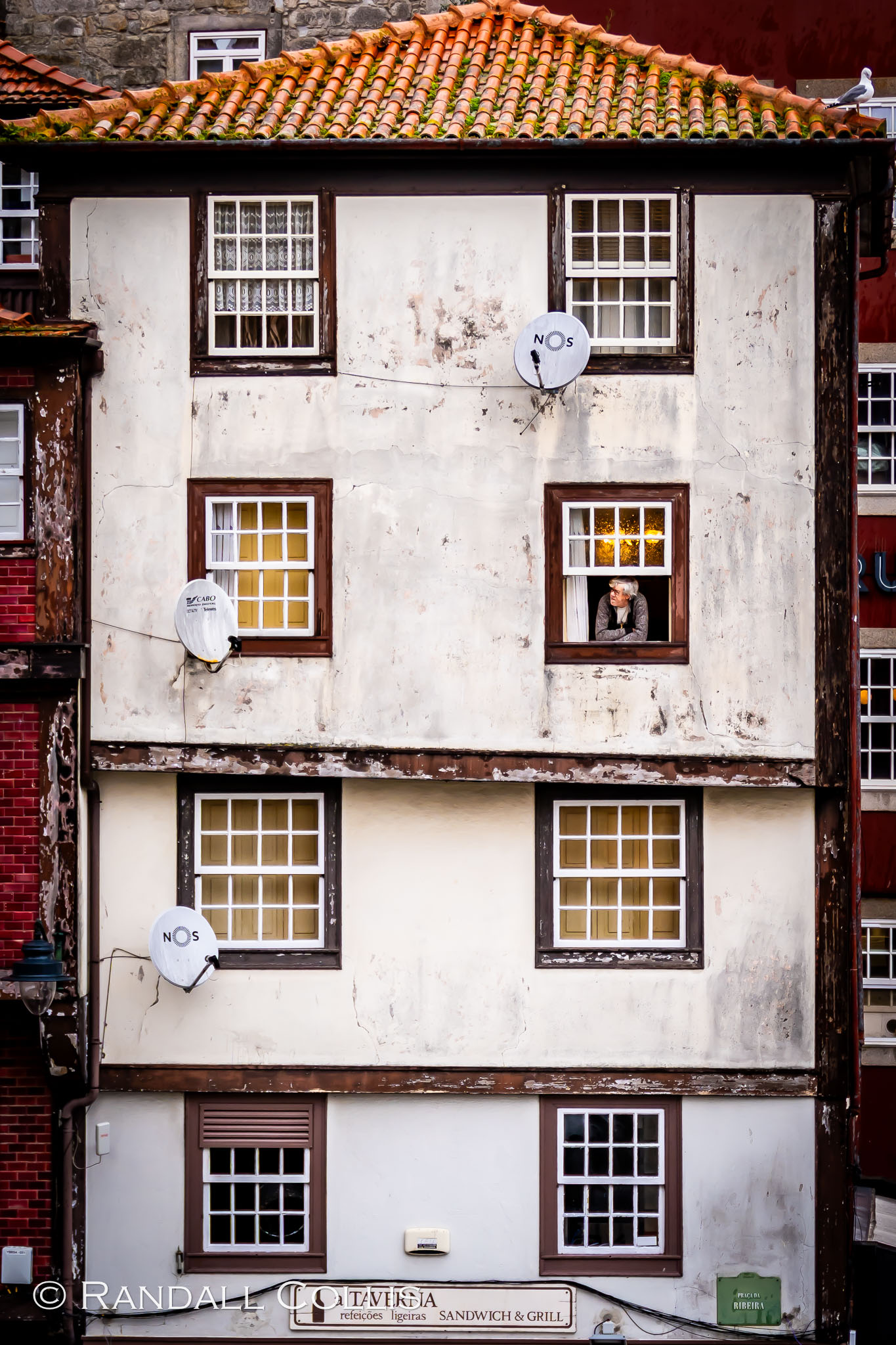
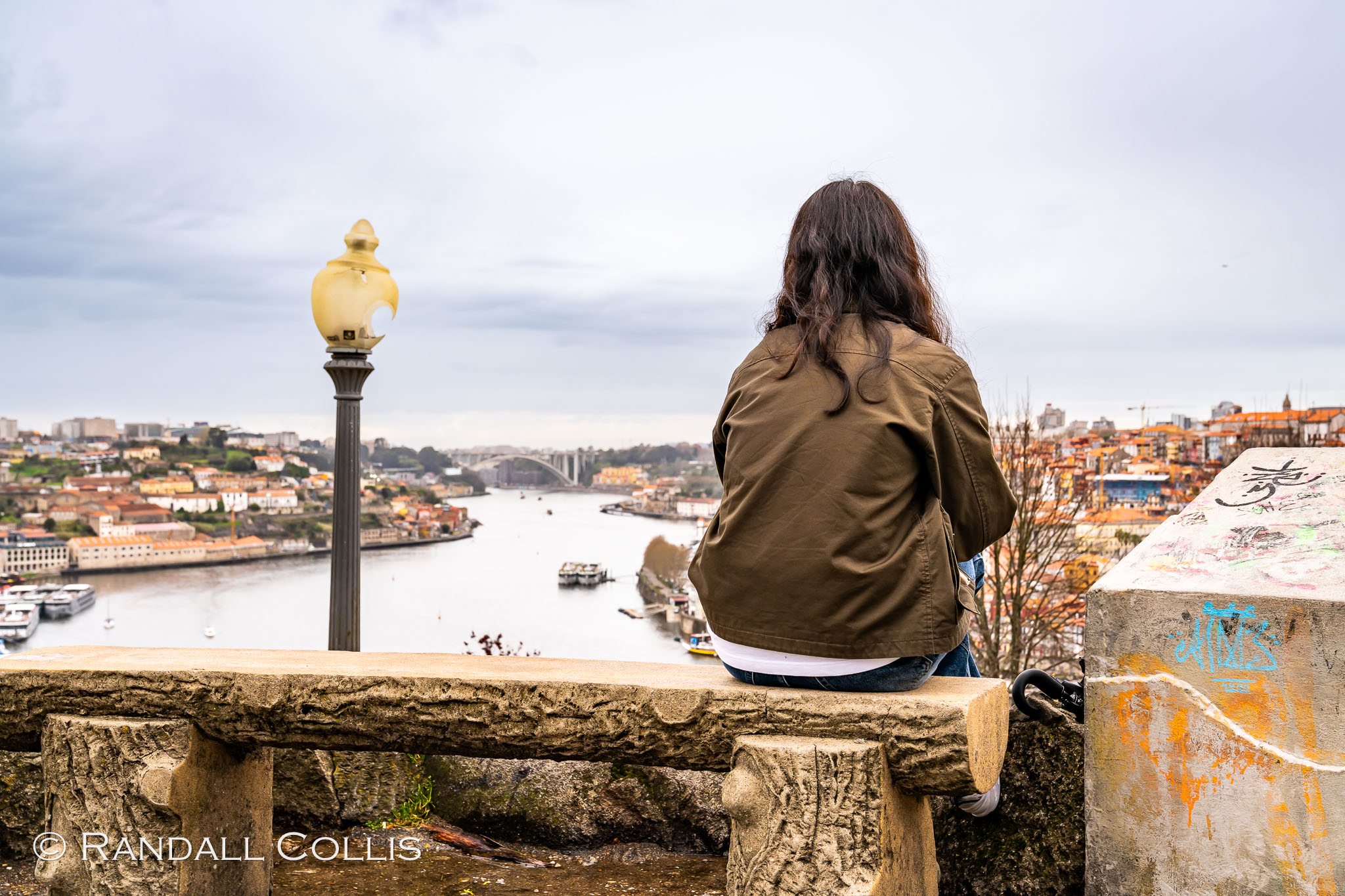
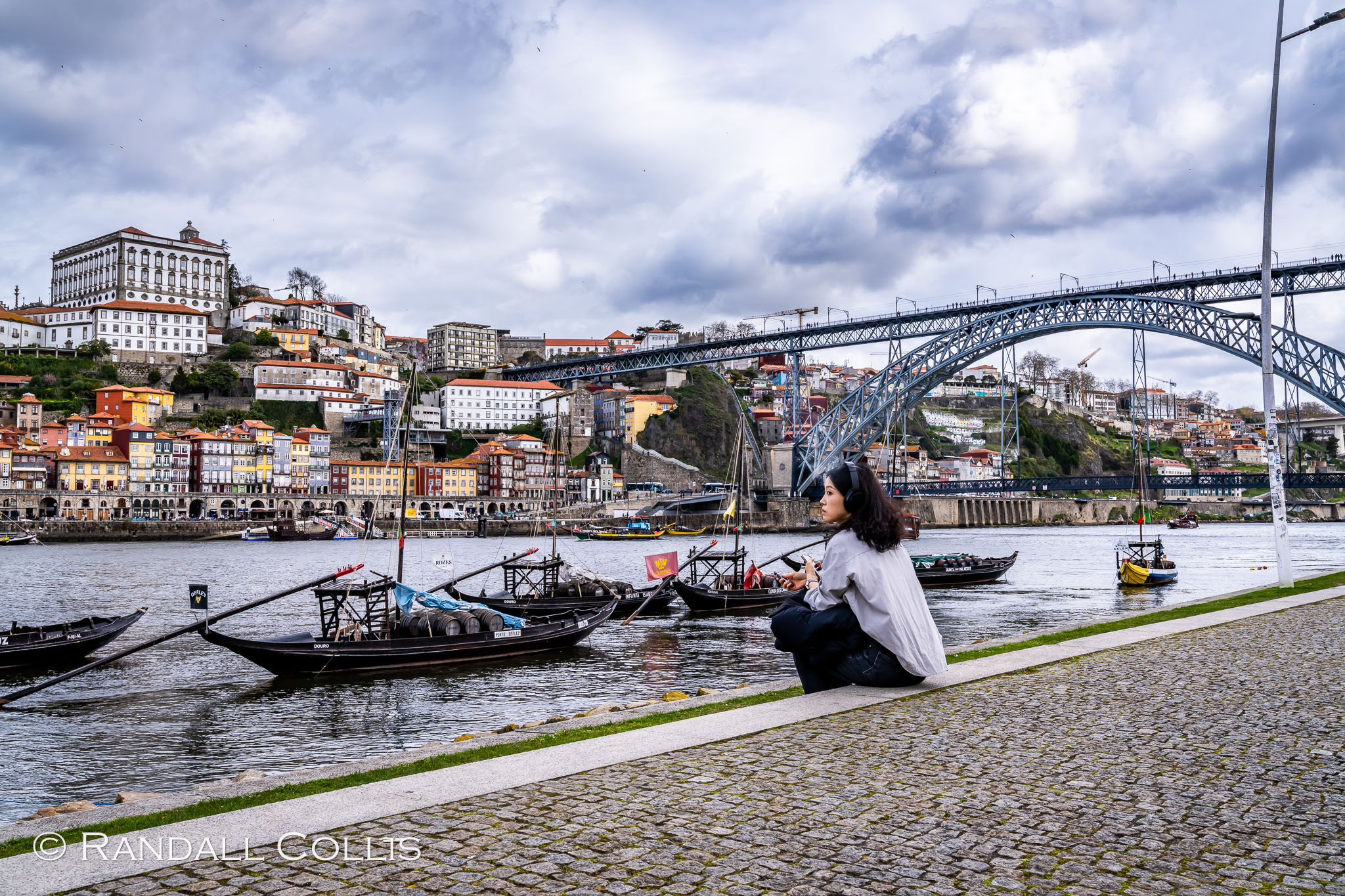
I feel the chill in the room. I watch from my window as the wind whips through the morning, sweeping down the Douro River, whistling through the city, and through the lives and souls of those rushing along the riverbank. The pounding rhythm of the rain creates a macabre symphony, fitting for the controlled madness spreading across the globe.
The sound echoes throughout my room – yet even with the terrible weather, the old town of Porto comes alive outside. The tranquility of my room contrasts with the rage swirling outside. I’m safe from this mess.
Or am I?
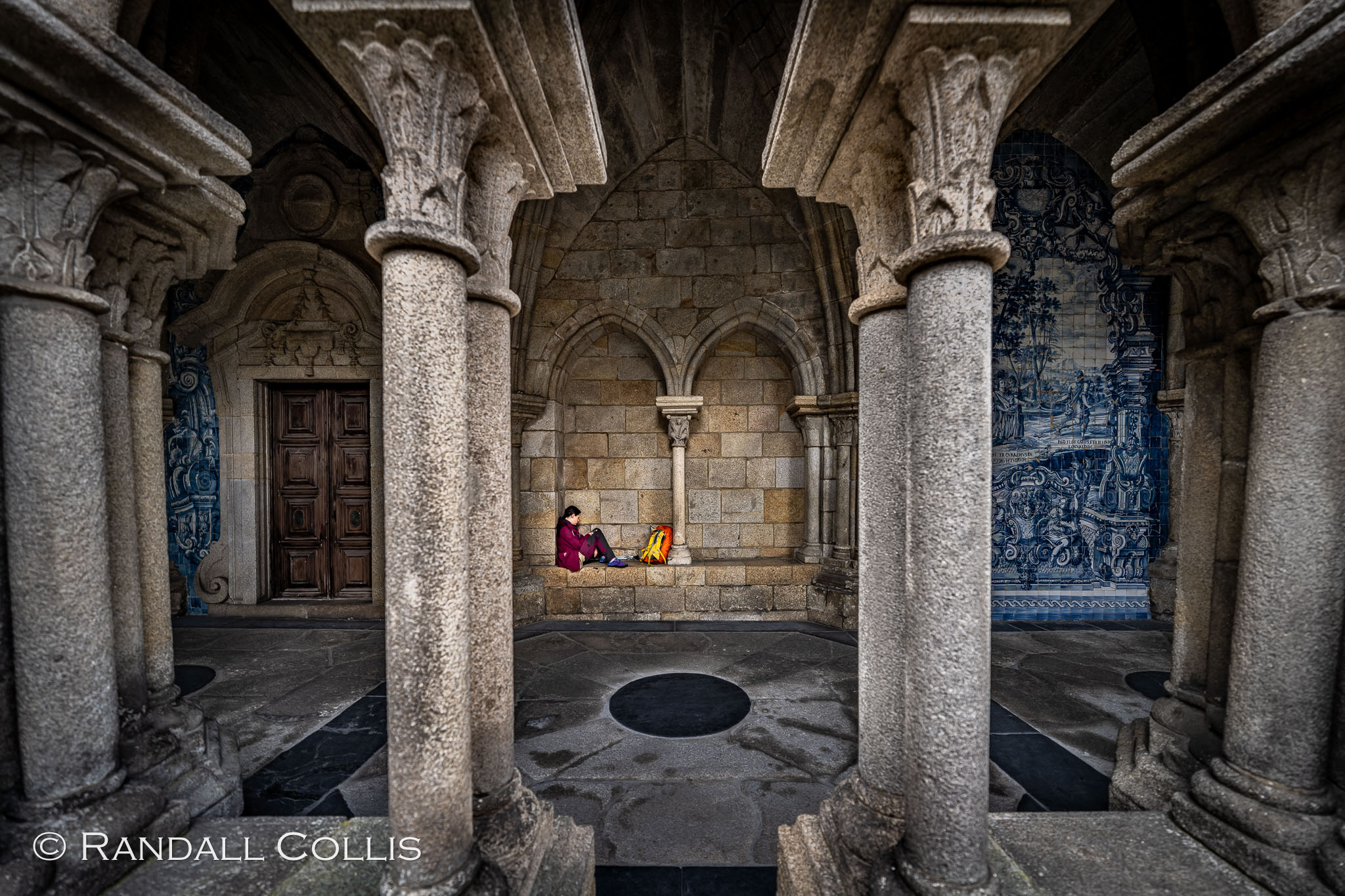
Tucked away, hidden from the chaos outside, I’m like many others, at ease with staying in touch with the reality via the phone in my hands. Viewing the roller-coaster of the world, unattached. Part of me finds the contradictory stories of social media entertaining, ill-fitting facts, and more blah, blah, blah from the left, followed by blah, blah, blah from the right.
Twitter and memes flood me with “friends” I’ve never heard of, a personalized algorithm feeding me news to match my interests… and my fury. Algorithms, I terrifyingly wonder, may know me better than I know myself.
And I am continually fed, even though I’m way past satiation.
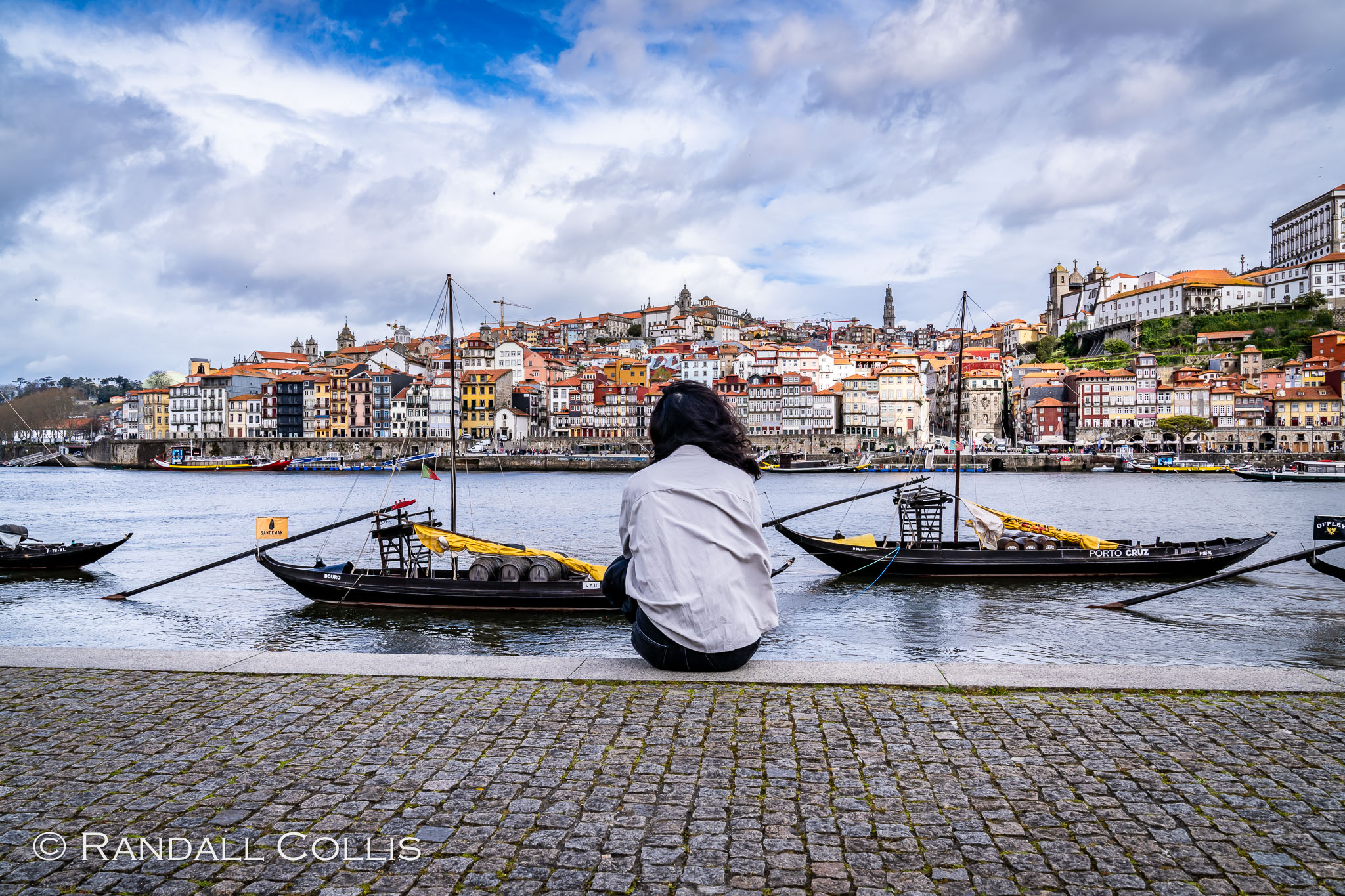
“The world is doomed…” she cries, slapping me out of my social media stupor. Reaching out for my lukewarm coffee, she puts down her book, The Origins of Totalitarianism, by Hannah Arendt, and laughs.
“Hiding away, you are pathetic, as we all are…” she casts a half-smile. “Isolated souls, lost amid resentment, growing ever more cynical of our world.” Her sparkling eyes hint at a speck of truth within the humor of her words.
I feel I’m about to learn something, and I smile back, answering, “How so?”

I’ve learned enough to understand that globally, we (society in general) have become disillusioned with our world. Through business travel, meetings, and the general vibe of the blue-collar people I work with, a heavy cloud is pushing away our reasoning.
A disturbing feeling – a situation that rivals the times of Stalin’s Russia and Hitler’s Germany in the 1900s. Dictators who took advantage of societal divisiveness and political rot to consolidate power and bring destruction.
Historically, such times arrived when people stopped thinking critically: loneliness and disenchantment made us empty corpses, ready to be filled with whatever great promise, no matter how outrageous the lies, so we could feel better—feel like we belong.
She pours me a fresh cup of coffee and sits across from me.
“It starts with loneliness: since the early 2000s, it has become a global epidemic. We feel alienated and desperate, and one thing we can turn to is our best friends, the faceless souls of Twitter and chatrooms. Algorithms that bring specific memes and opinions to groom our thinking.”
“You’ve always said before that isolation is a good thing – a place for us to grow?” I interrupt, curious as to where she is going.
“Isolation is terrific. It is what I love about you—your need to be alone fires you up and gets you back into society with new thoughts and ideas.” She pats my knee as if consoling a 12-year-old. I laugh a bit inside, as I do act like one more than I should.
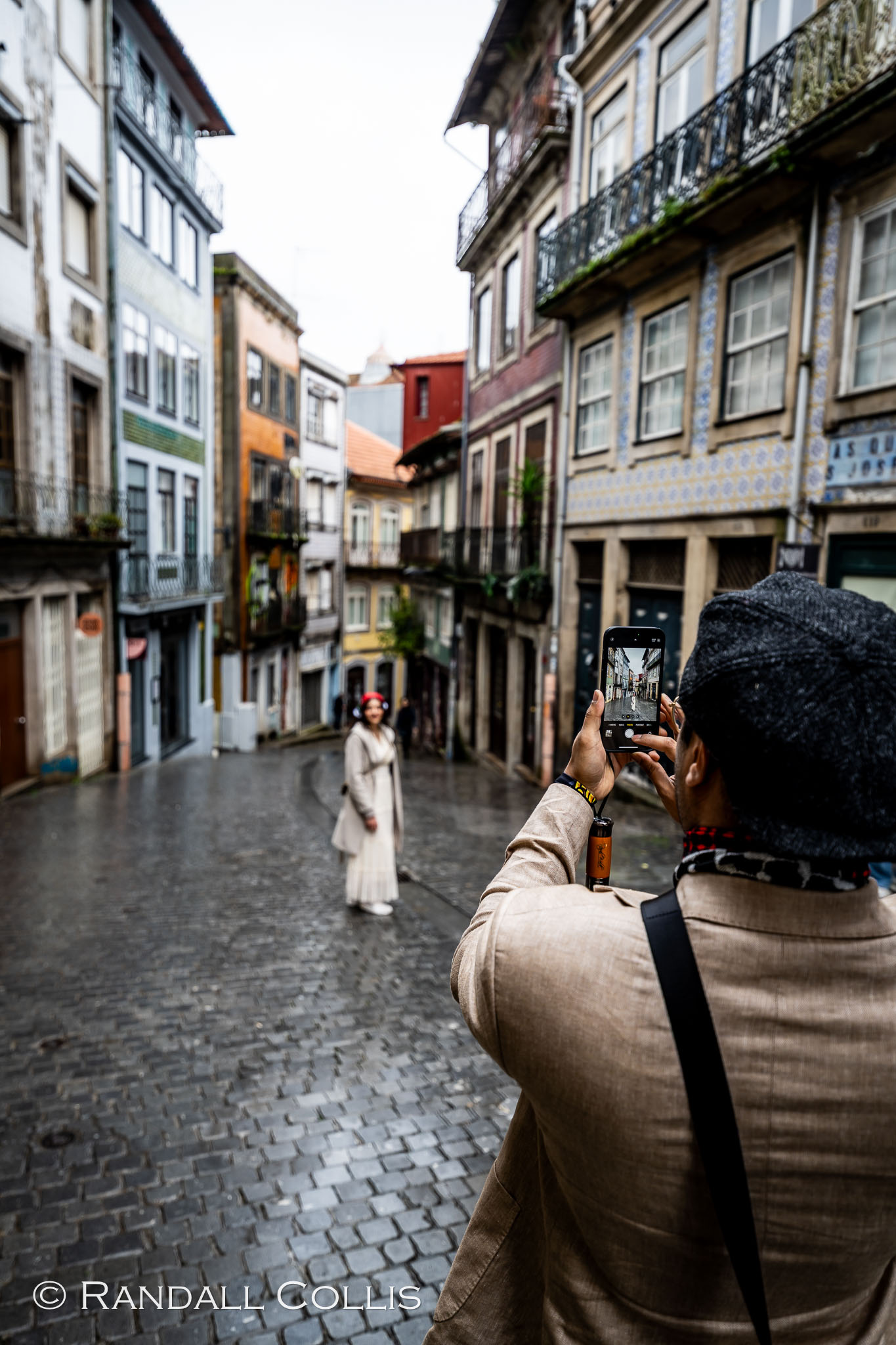
“These days, pondering thoughts in isolation is passé. We no longer choose to waste time thinking; instead, we have replaced it with social media, where it’s easier to share our skepticism and anger.” Her calm, hazel eyes do not waver – behind them, experience.
Her family has lived through such times before in Eastern Ukraine and the endless political drama of Putin’s Russian aggression. “The problem is, at the personal level, there is no longer a debate among others in the community… we now simply attach ourselves to an online group and take what others say as an undivided truth.”
Understandable, as I think in the back of everyone’s mind, we know communities within social media further enhance the ease of insipid thought.
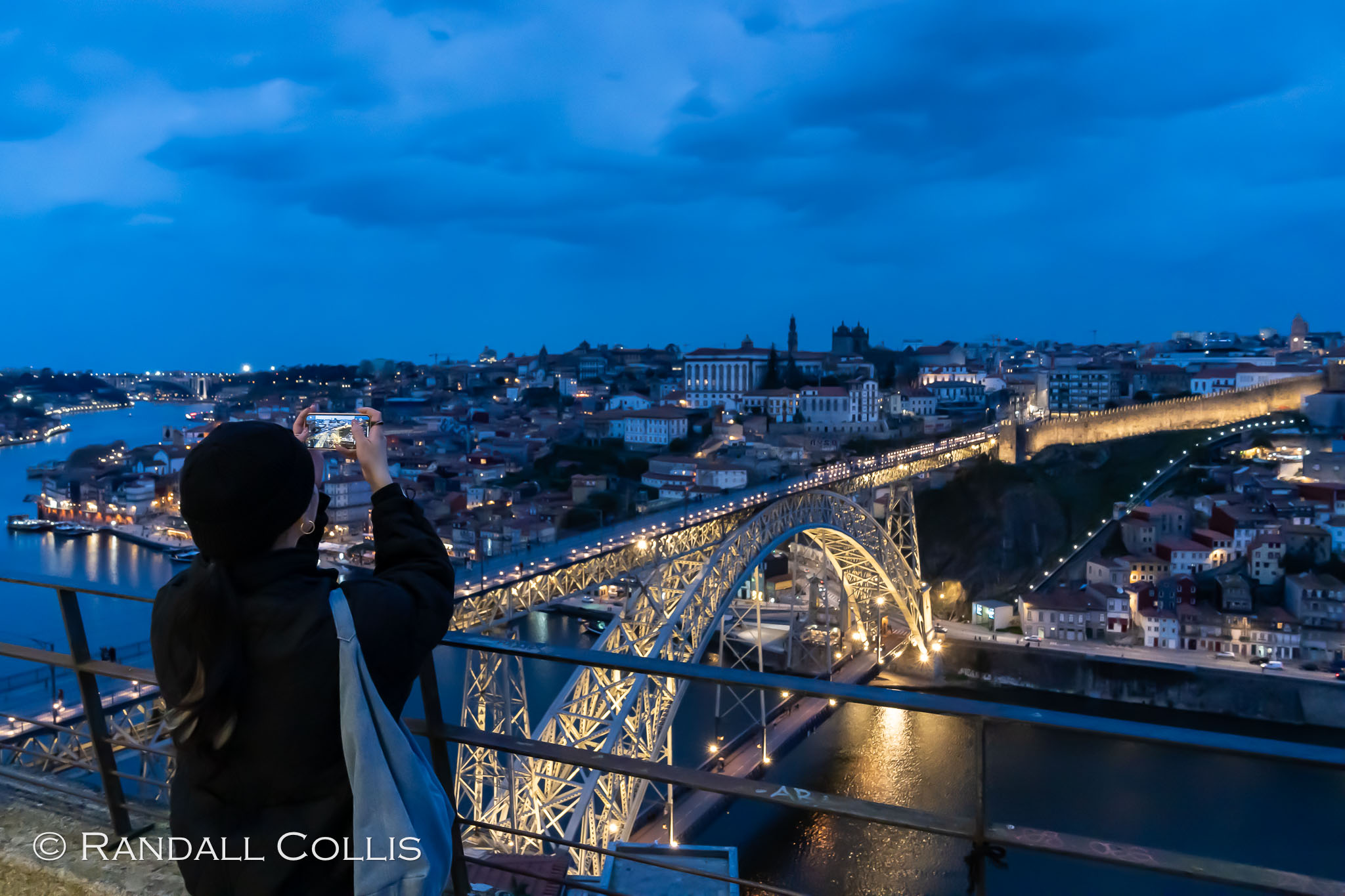
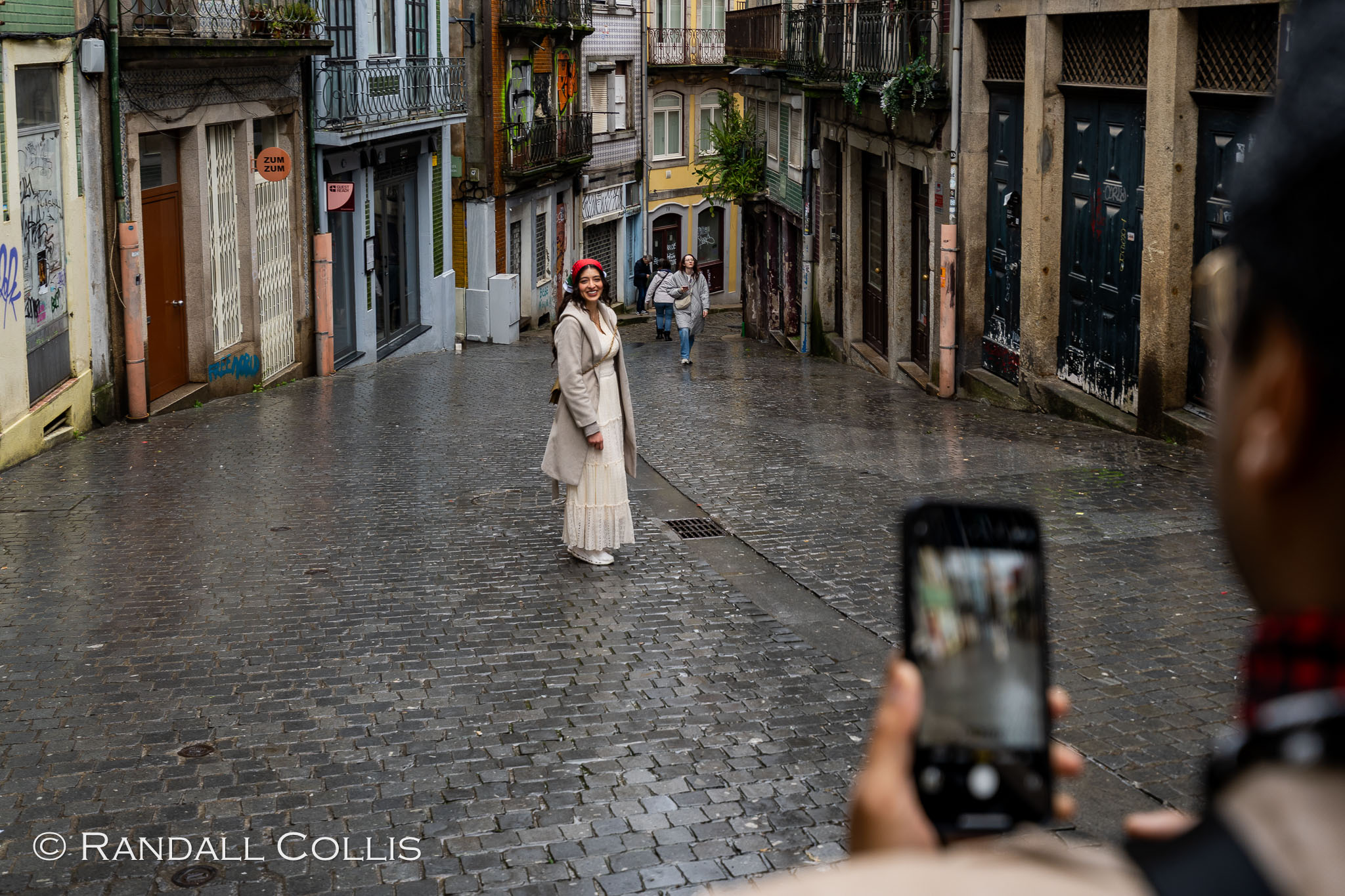
Media-led discussions are molded to our tastes; the mighty algorithms create an environment where we do not have to think. Research is unnecessary because the “facts” are delivered to us immediately. Sound-bites and sharp critiques against an imaginary, common enemy unite new friends in laughter… while distrust grows and divides us in hatred.
Unlike the past, these “enemies” are now not only foreign countries and cultures but also neighbors next door.
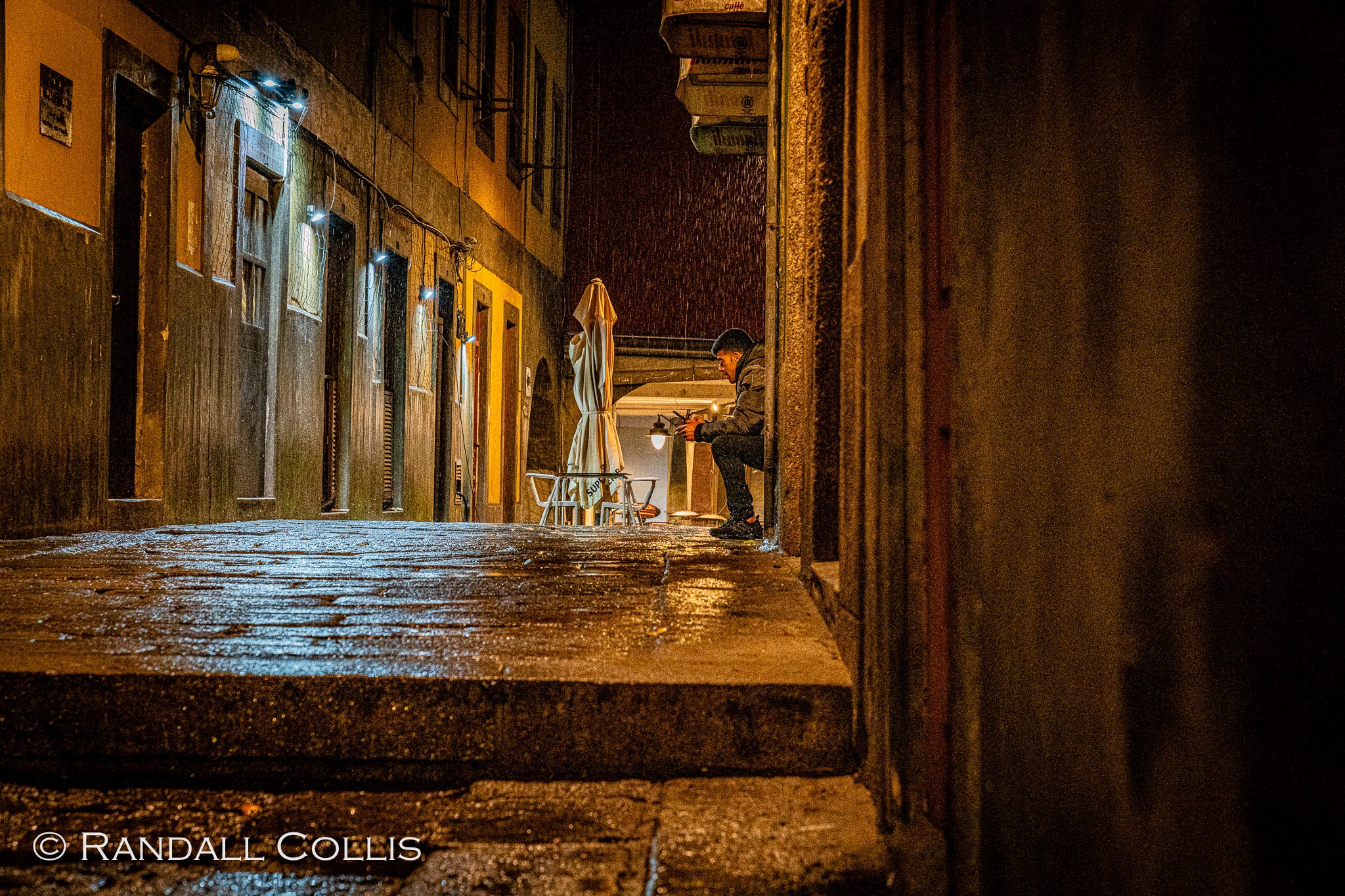
From my time in Czechia, such stories are familiar—a theme the Soviets followed to ensure thought was controlled throughout the population: from elementary school onwards, a propaganda machine operated by the powerful elites designed to ‘enlighten’ the public.
Today’s modern world holds similarities, the media being used like a scalpel to foment unrest and mob mentality. An invaluable political tool, as time has proven over and over. Is there a nation in the world that is not battling such issues?
Today, it’s the evil tendrils of Putin’s propaganda machine wrapping themselves around the globe and, frighteningly, into the minds of global leaders.
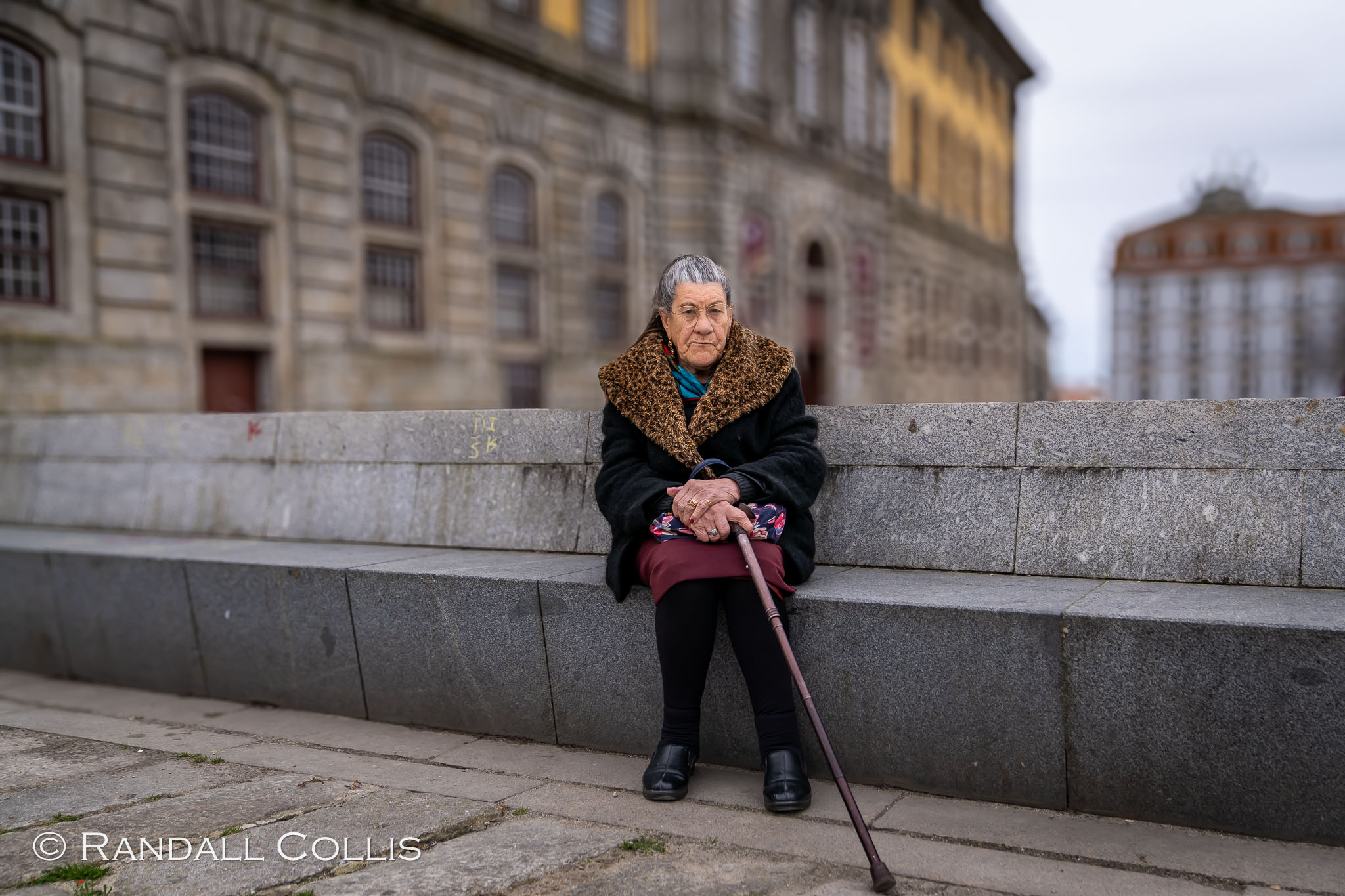
“Well, crap…” my numbed senses unenthusiastically mutters, looking at her, hoping she can make it alright, just like any other 12-year-old would expect. “How can we deal with this? Make things better?!?” I add, unsuccessfully trying to mask the panic in my voice.
“Yeah… no easy answer here. Tearing apart the fabric of society is a tried and true practice of autocratic regimes. Regular programming for Putin, borrowed from Hitler and Stalin. Experts at manipulation, and rampant in politics today.” Stifling emotion, she continues her personal story of how her family broke apart due to inflamed political and patriotic rhetoric, inciting hostility towards people who once held only love for each other.
I listen, numb. Her words struggle to sink in.
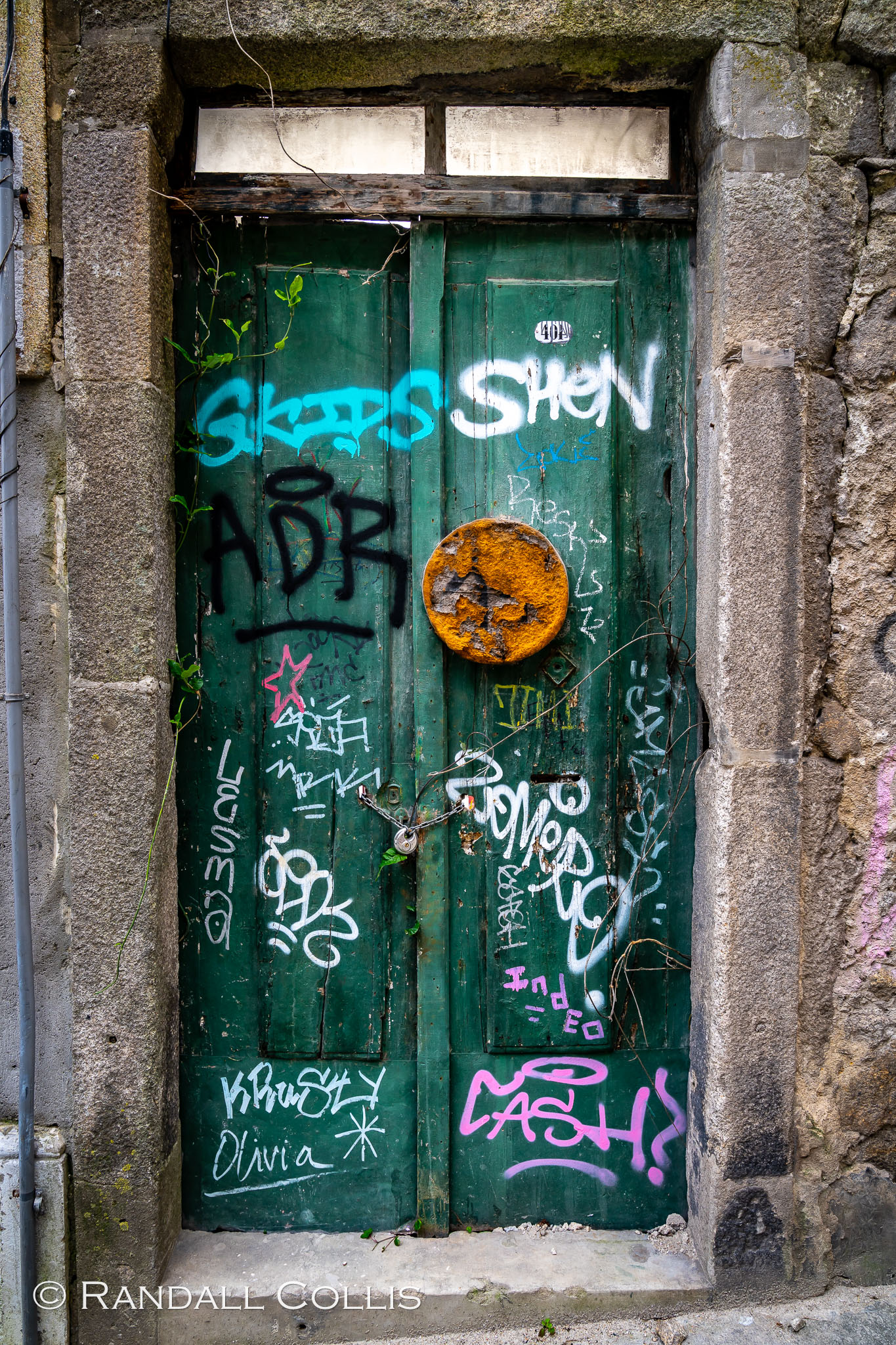
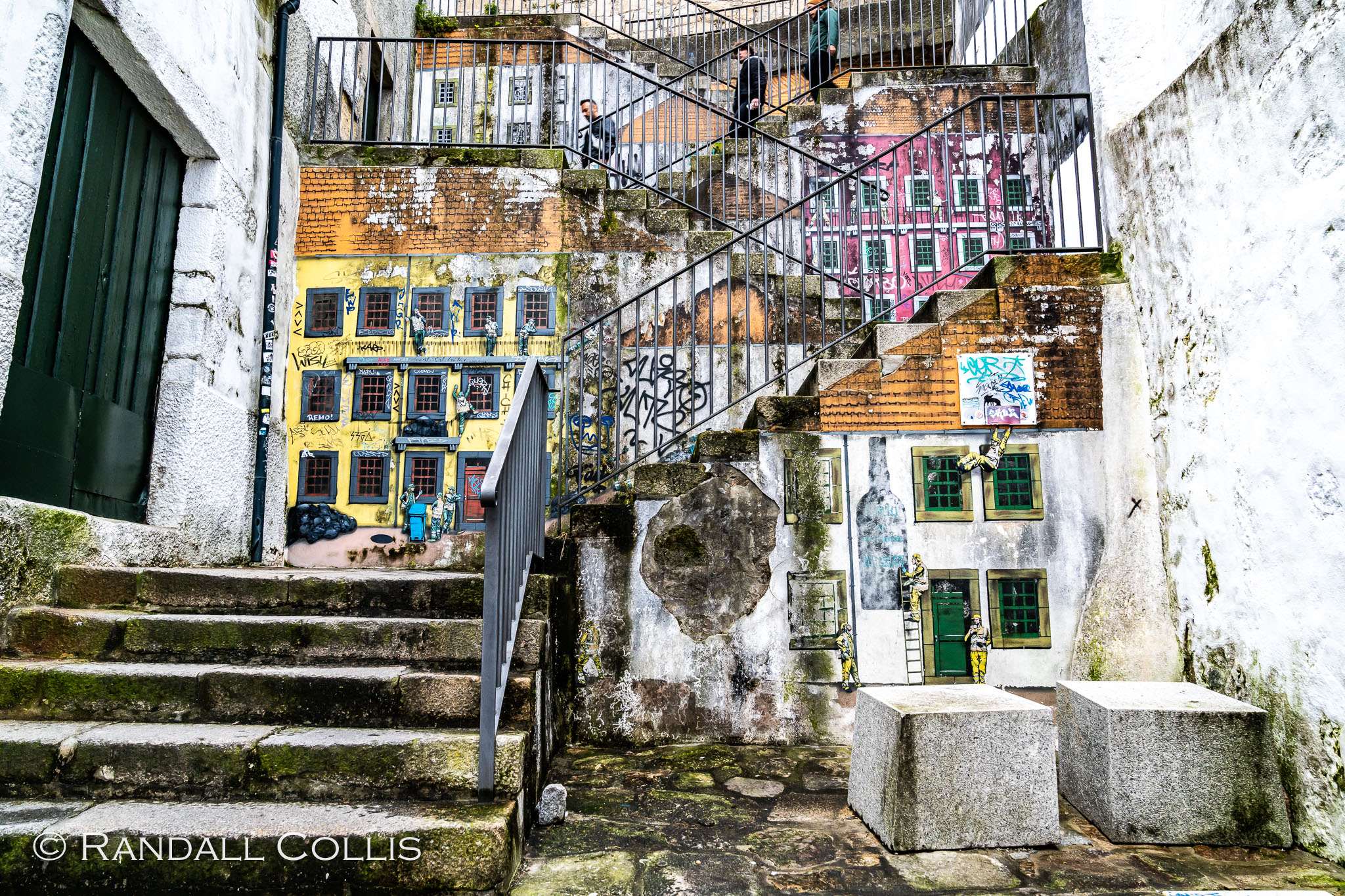

I am numb. People are not stupid…
“People are not stupid but become distrustful, and totalitarianism works through cynicism.” Her words repeat in my mind. The Nazi and Communist regimes perfected this. People no longer take the time to sit alone with their ideas and judge for themselves; they stop thinking and turn to suspicion.
Thinking is essential, pondering the differences between the “what ifs” and the “what is” and putting together a plan of action. It’s how we evolve. Our alone time gives us space to understand reality, but if all we have left is cynicism, people jump to conclusions within their social group and run with only a fragment of an idea.
As most freedom-loving people understand, thinking is democratic. We first dialogue with ourselves and then with others, and from there, we take action.

People are at their best when they take from their experiences and thoughts and interact.
It’s like the separate universes everyone holds in their mind. We walk around the street lost in thought, and through this isolation, we understand ourselves, which makes it easier to understand others. Personal development and individuality at its finest.
I’ve written about this before: we all live in different universes within our minds, and in a sense, we all live in different realities, but we are close enough to engage in the reality outside our minds. This is the beauty—the crossover of isolation and social connection. We learn, we gain experience, and we grow.

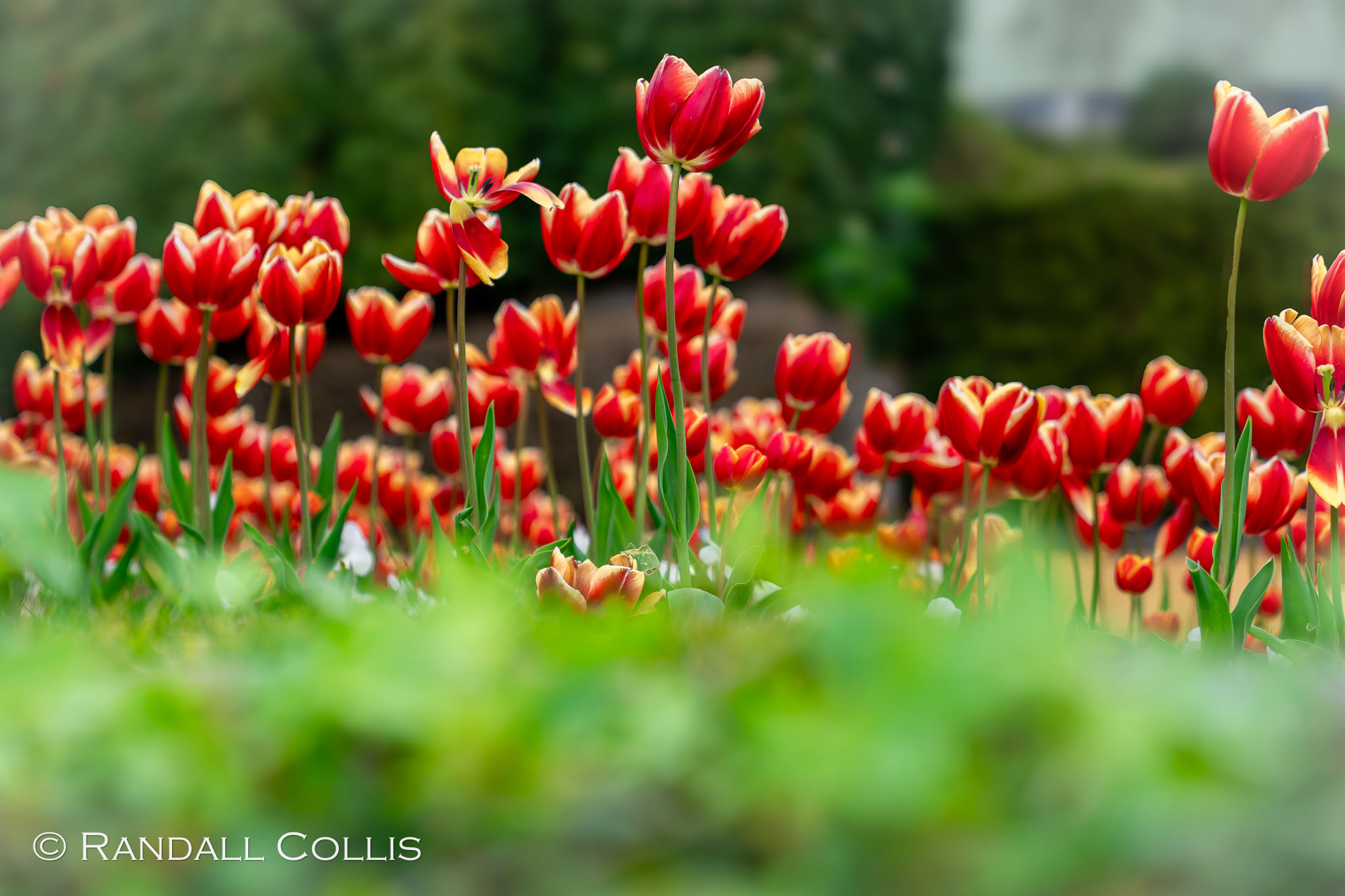
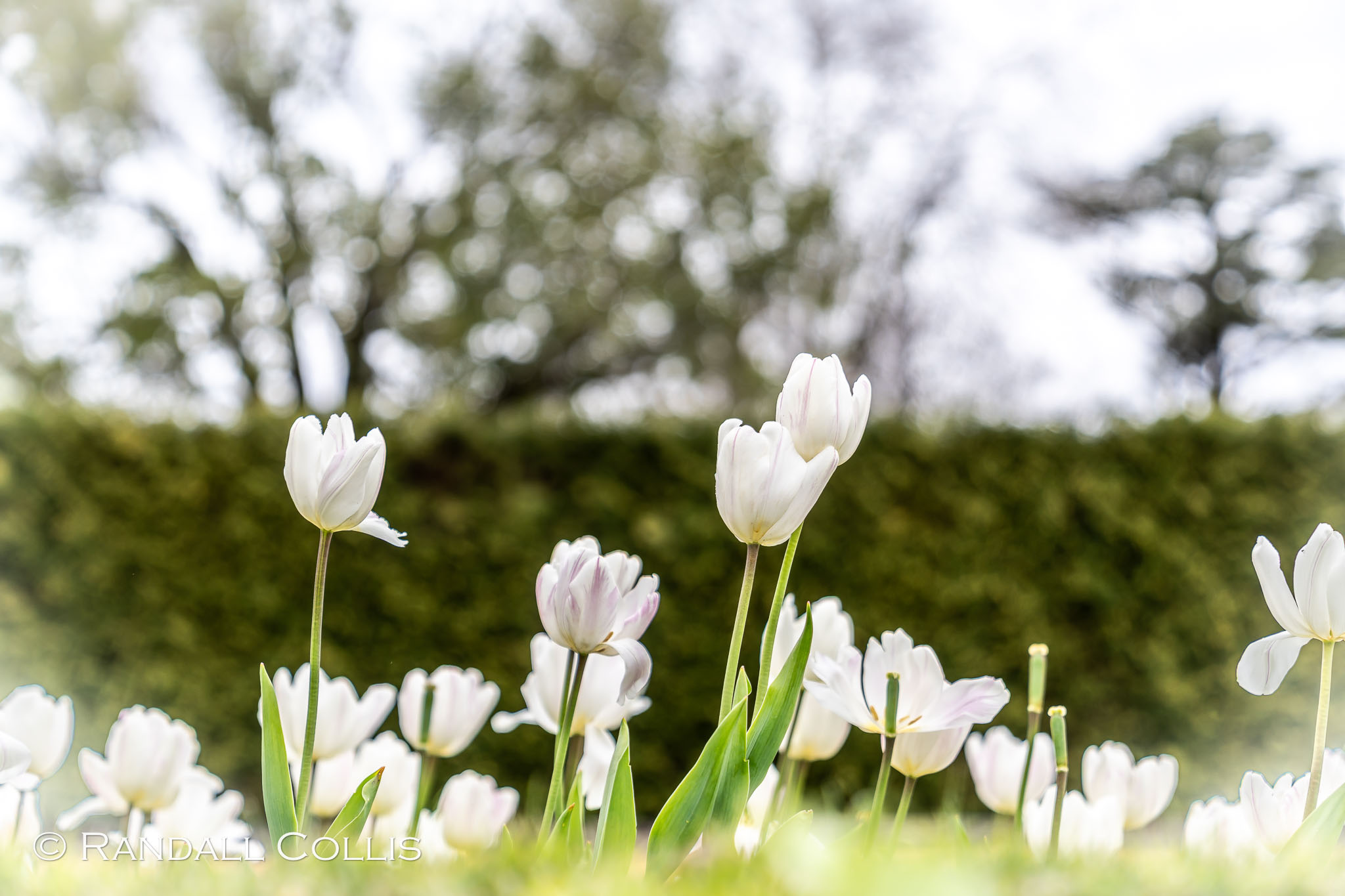
If we remove this crossover, this social interaction and connection, there is a paradigm shift. Social media assumes the role of community and social connection. The algorithms of elite powers, explicitly designed to feed us what they are interested in us hearing, take over, and we are left with a one-sided stream of thought.
Today, the universe within the mind is ceasing to function as it should.
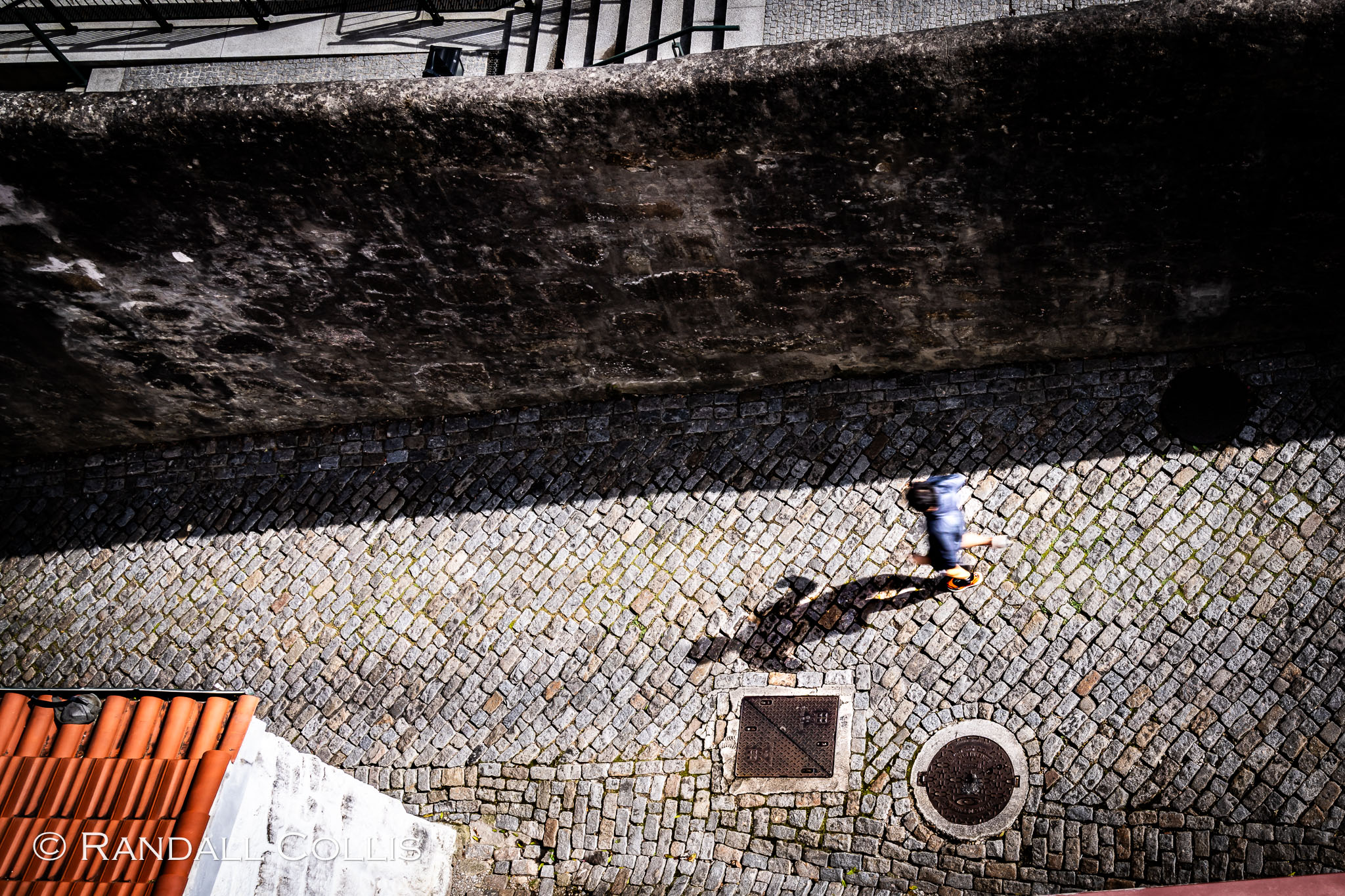
Chasing shadows – the terror of this unwanted paradigm shift. A change in how we relate and communicate churns ceaselessly in my mind.
“The ability to push their lies, warping minds of a new world order, turning us into the cogs of the machine that will do their evil dirty work without a clue we are being manipulated… until it is too late.” A lone tear breaks through her stoic persona, and she releases one of the saddest sighs I’ve ever heard. “This is the horror of swimming in re-tweets and unoriginal thought – similarly as was done in Russia and Ukraine, laying the path for evil deeds.”
I’ve lost my appetite. Leaning back in my chair, I try to think of something to lighten the mood, but I’m lost. Her simple explanation. Simple logic. I look back into her eyes and glumly reply, “We’re doomed…”
The banality of evil, a term coined by the German-born American philosopher and theorist Hannah Arendt, which I heard decades ago, brings me to a new understanding today.
The idea of people getting so wrapped up in propaganda and a sense of doing what they are programmed to do, rooted in living from paycheck to paycheck, disconnected from society, and just making it through the day so they can provide a good life for themselves and those around them, is at the heart of my fear.
Evil deeds are committed not because we, the mass of ordinary people, believe in evil but because an idea, purely evil in origin, is manipulated by a political regime and whitewashed to a point where such thoughts are not questioned. Nazi Germany serves as the prime example, where the greatest evil was not what the Nazis did, but rather what people did not do by passively following orders.
This is roughly Arendt’s definition of the banality of evil…
The Russian regime slaughtering Ukrainians is happening because of the deeply rooted propaganda of Putin, a modern-day example of the banality of evil.
We have long passed the tipping point… and when a government rooted in freedom, democracy, and free-thinking/free speech switches sides in the middle of a war, from Ukraine to Vladimir Putin, it’s time to panic.
Once the individual ceases to think, they follow the crowd and accept what comes their way, like all their comrades. The most dangerous evil is one that’s seen as trivial.
My coffee is cold. I’ve been silent. She too. Lost in thought, perhaps despair… or perhaps in the resolution that we all need to wake up.
The voice of this silence belongs to the incredible Hannah Arendt. Her words float above us, whispering in the void:
“The sad truth is that most evil is done by people who never make up their minds to be good or evil.”
― Hannah Arendt, The Life of the Mind
Here we are, a picture-perfect world… but amid all the Instagram smiles and the “Living the best life…” mantras, this world is far from perfect and is sliding towards mayhem.
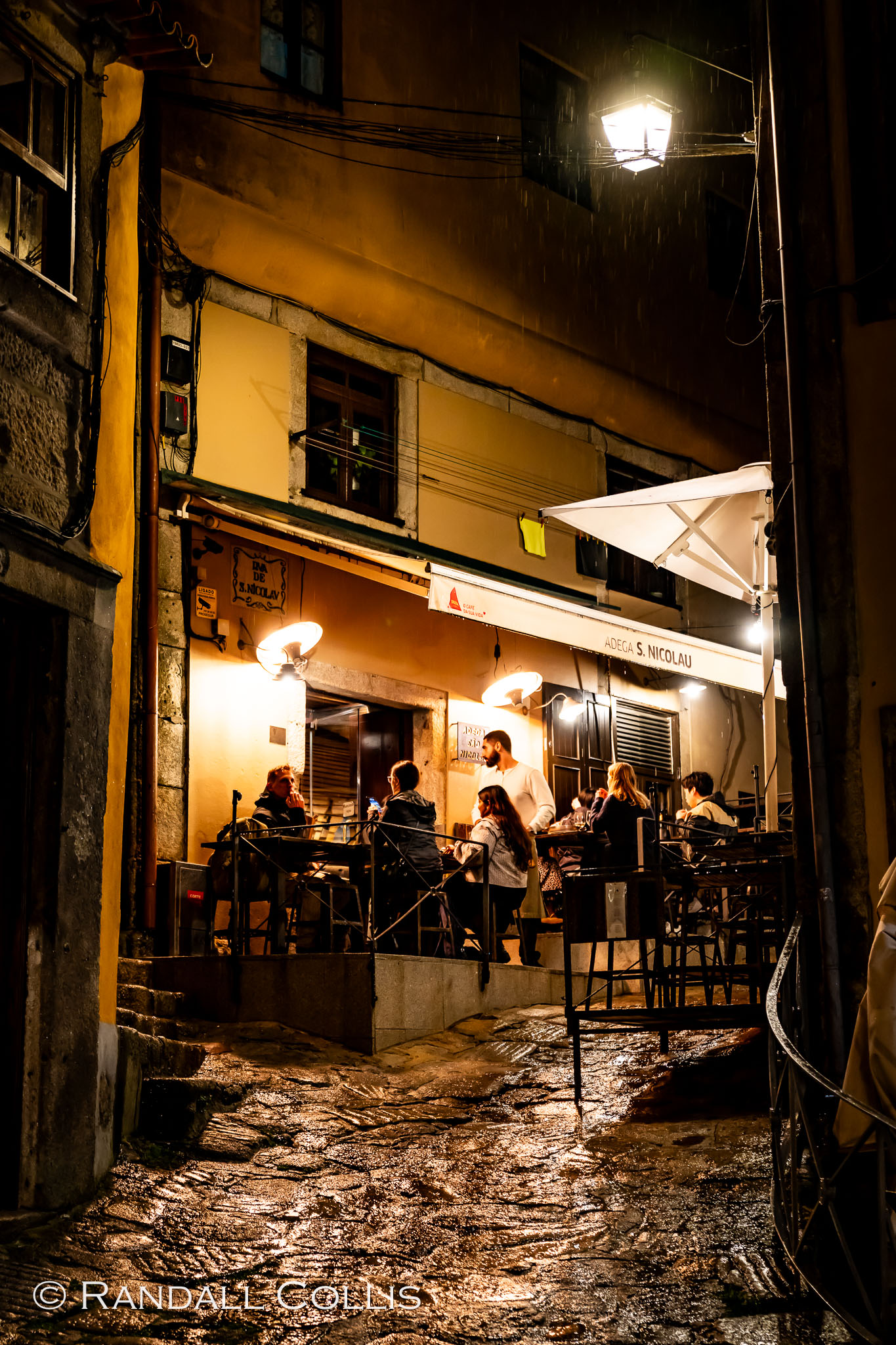
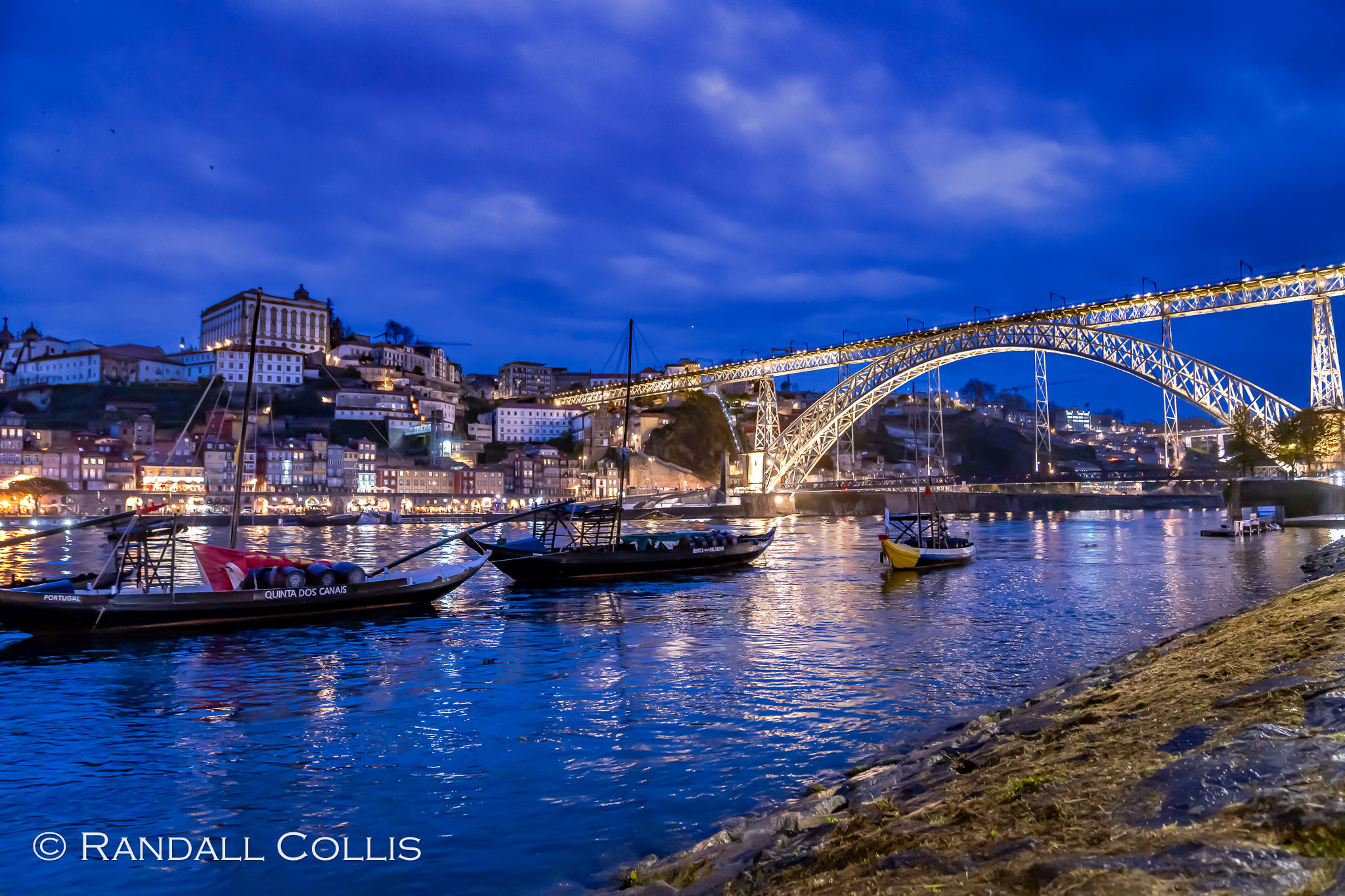
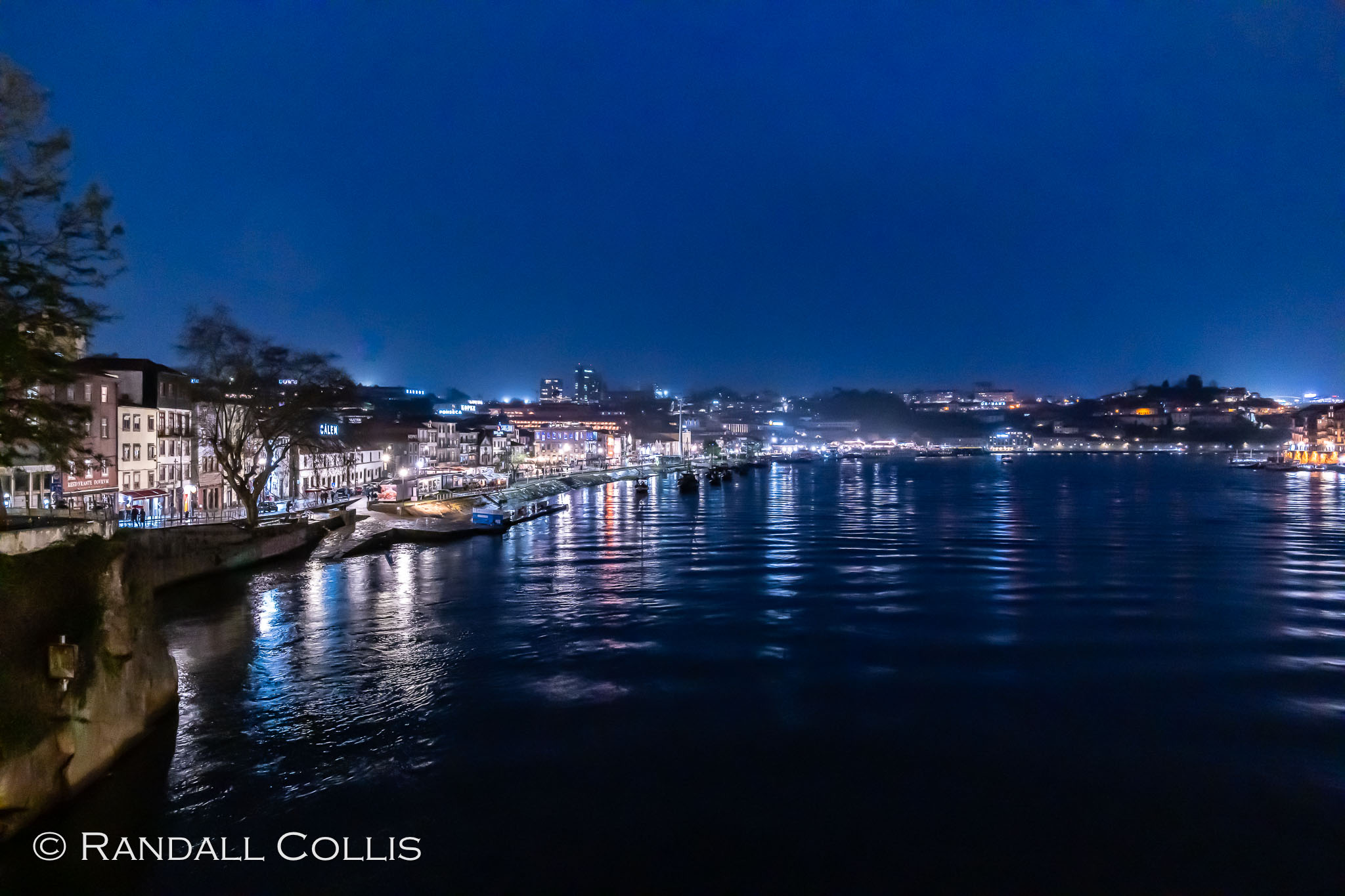
On a night stroll, I reflect on the discussion earlier this morning. A sequence of thought that struck me and I’ve been unable to get out of my mind: “The problem is, when you become lonely – there are no friendly voices to help fill the void where there should be friendly voices… from family, lovers, friends. Instead, the friendly voice to fill this void comes from propaganda. Drivel which clouds the mind… and this isn’t good.”
Aware that those voices filling the void often may not come from the far-left or the far-right but from one source of propaganda: a Putin stooge set to create divisiveness.
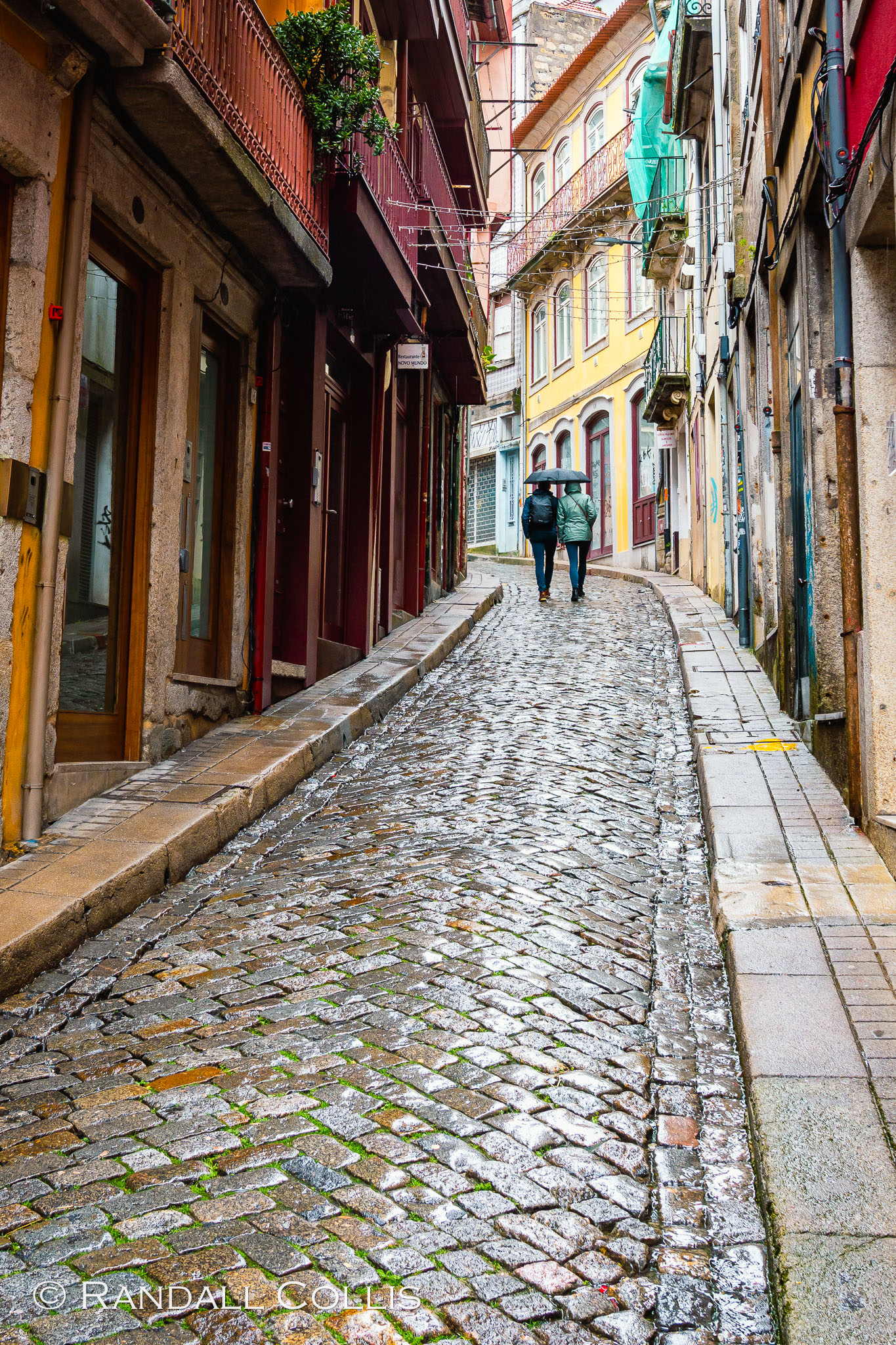
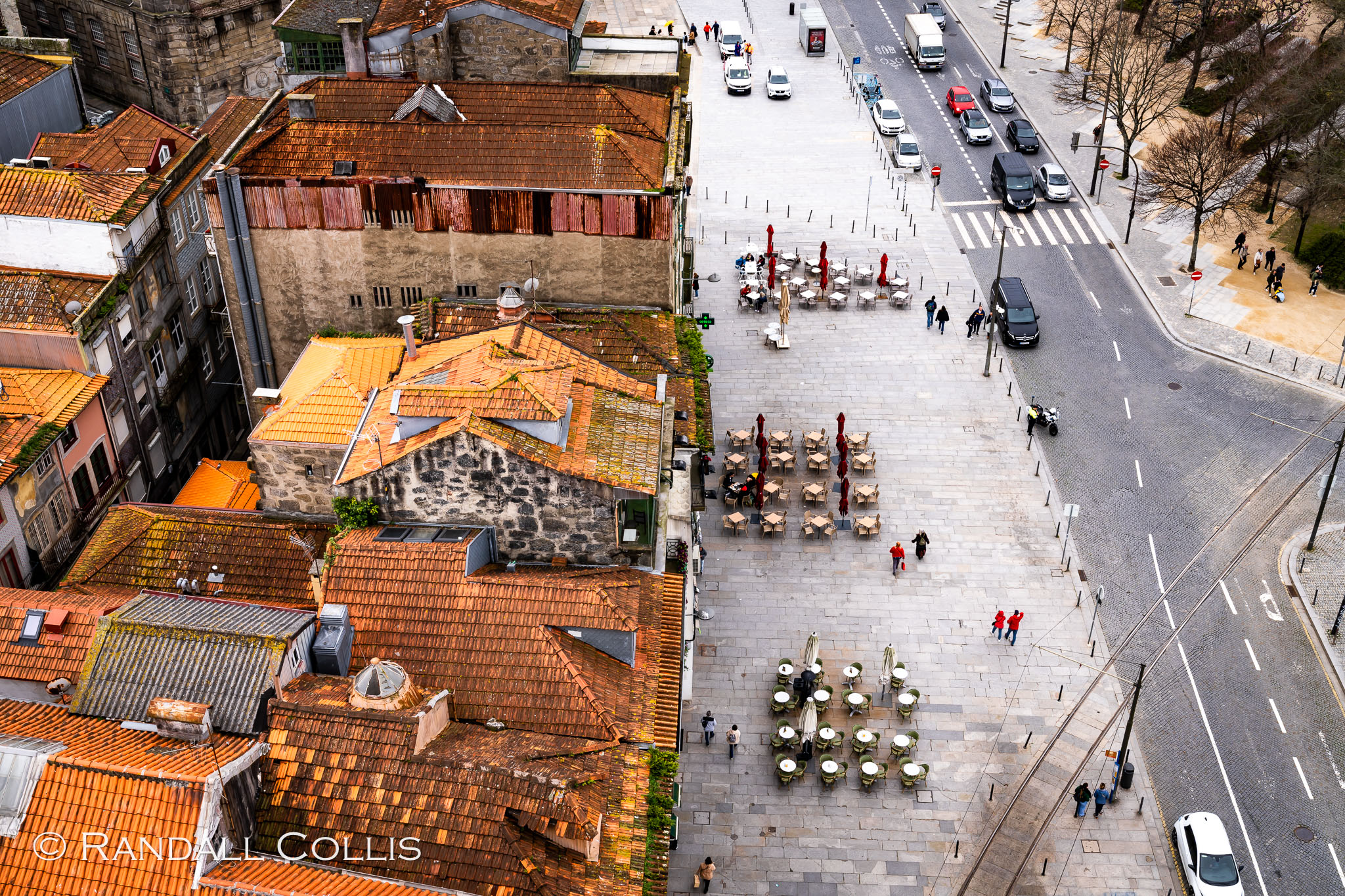
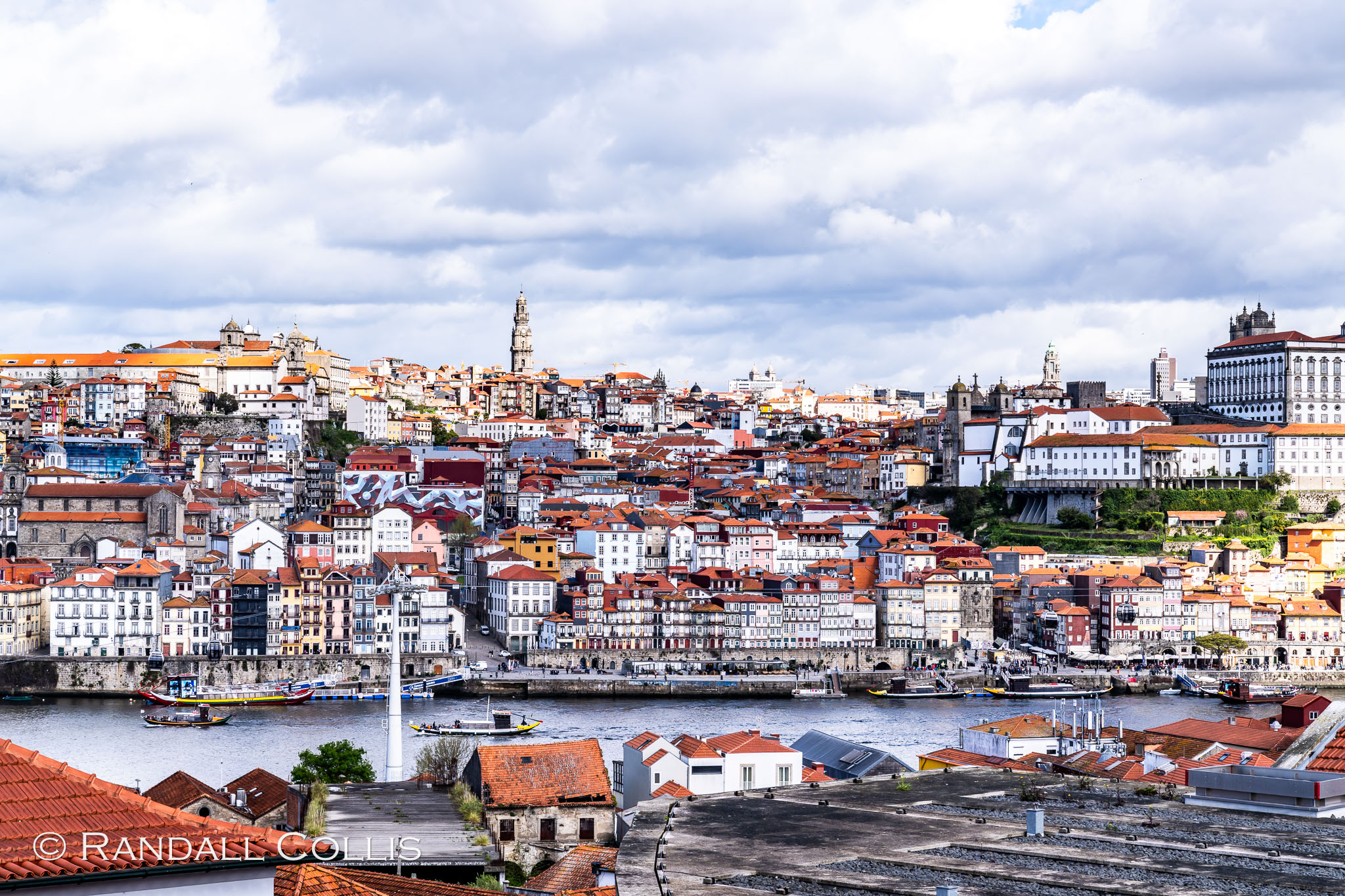
Fortunately, with a free mind and free will, we are still strong enough to wake up and think—to change the course we are now treading.
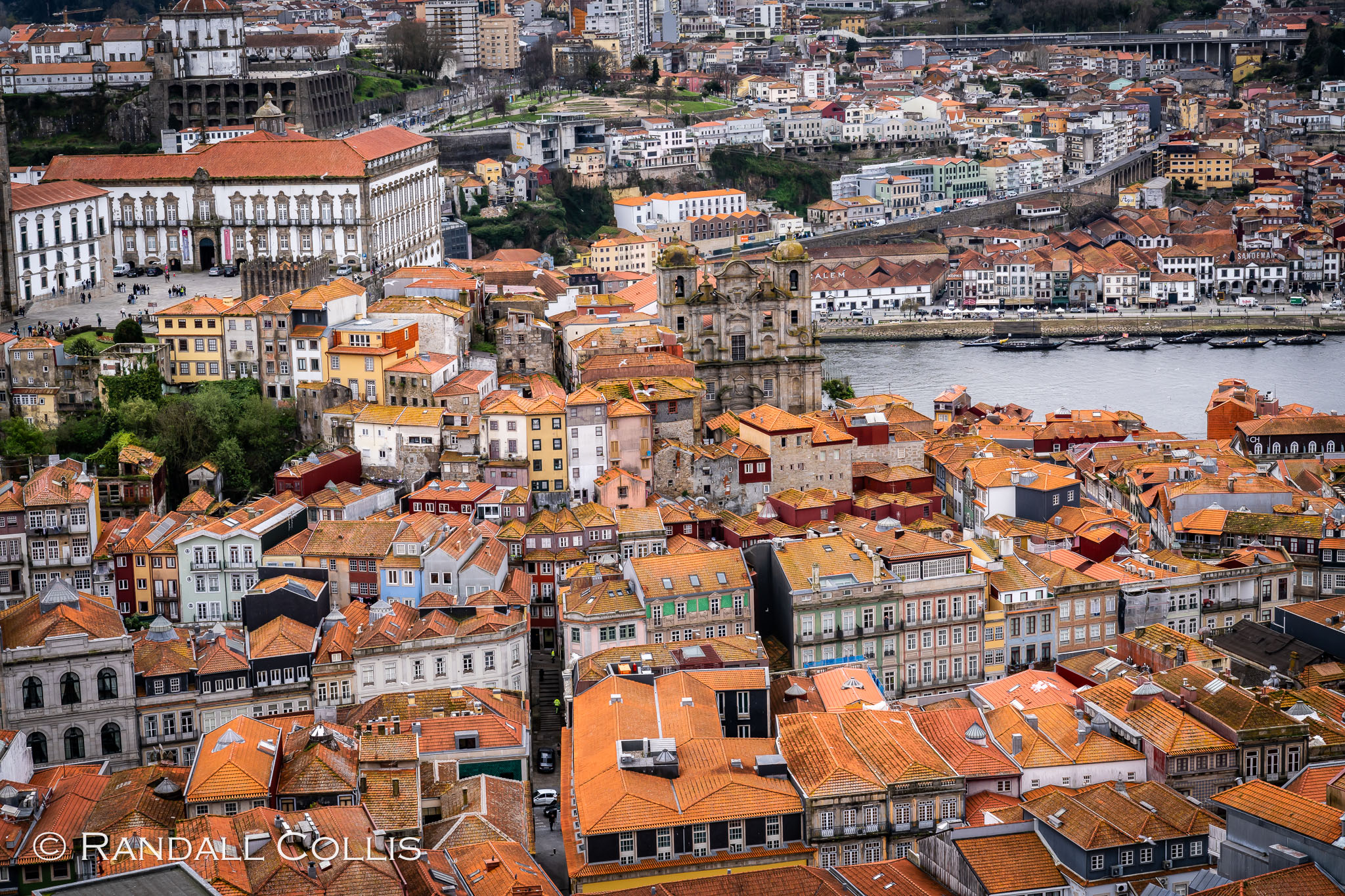
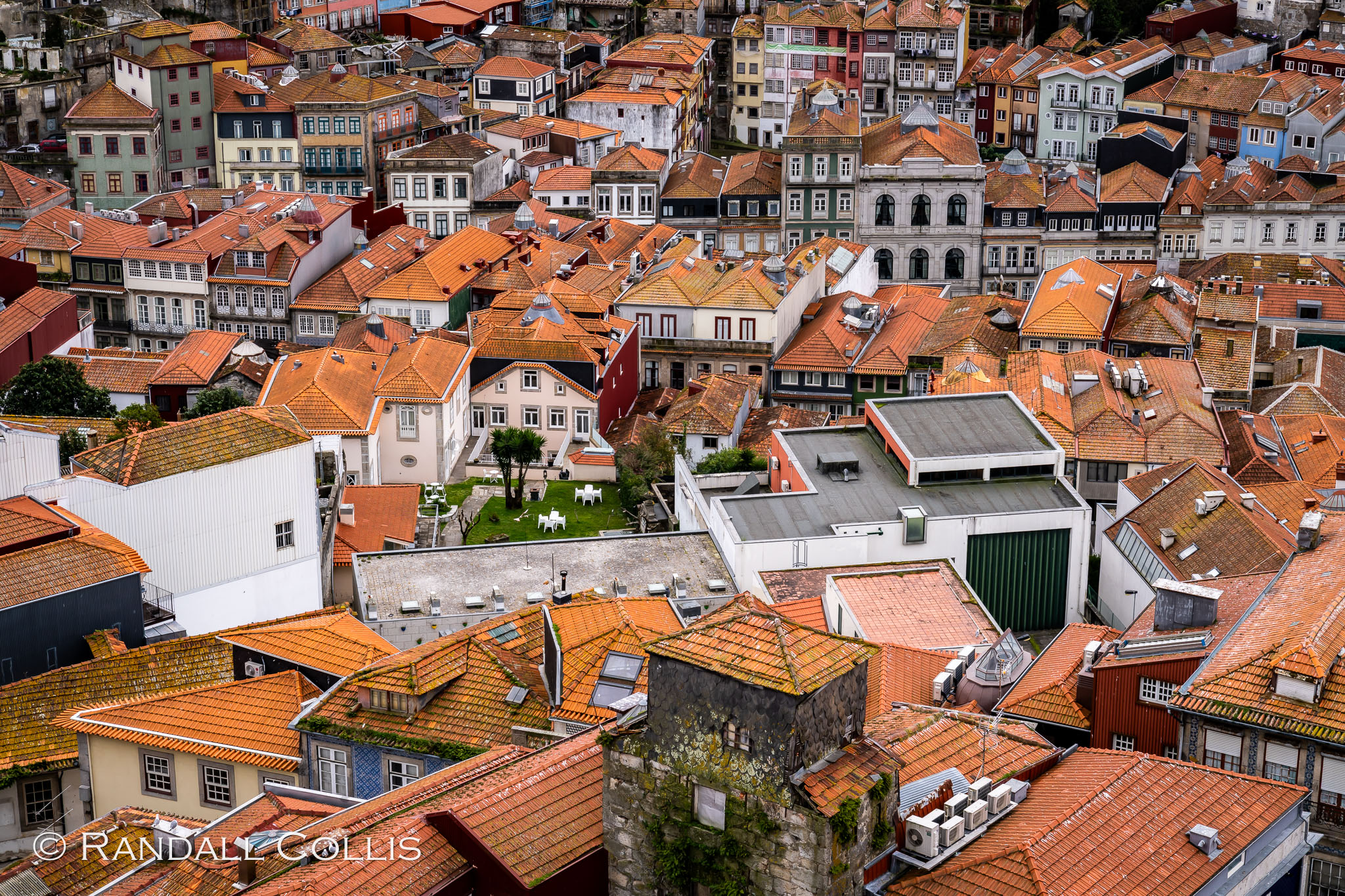
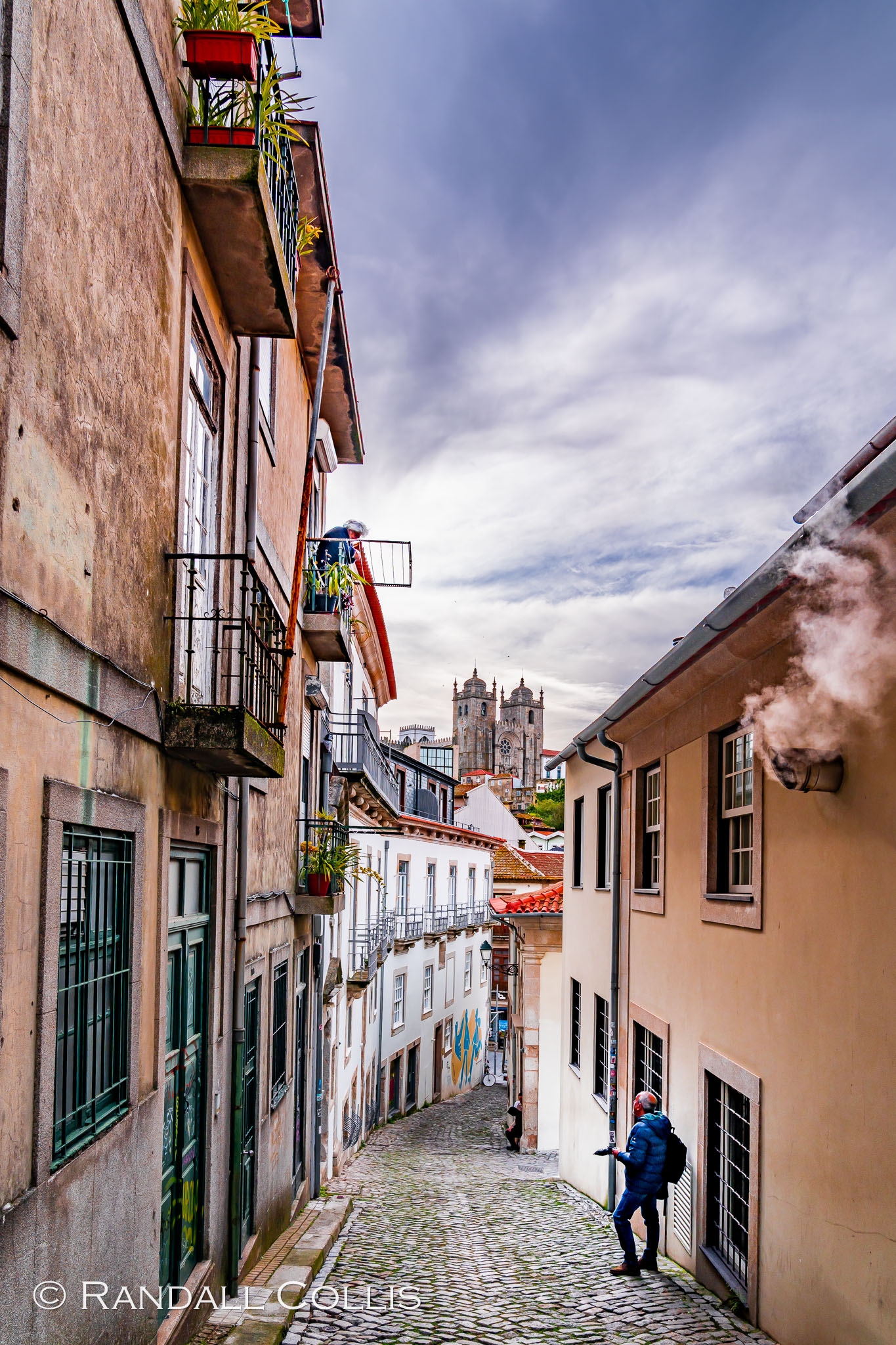
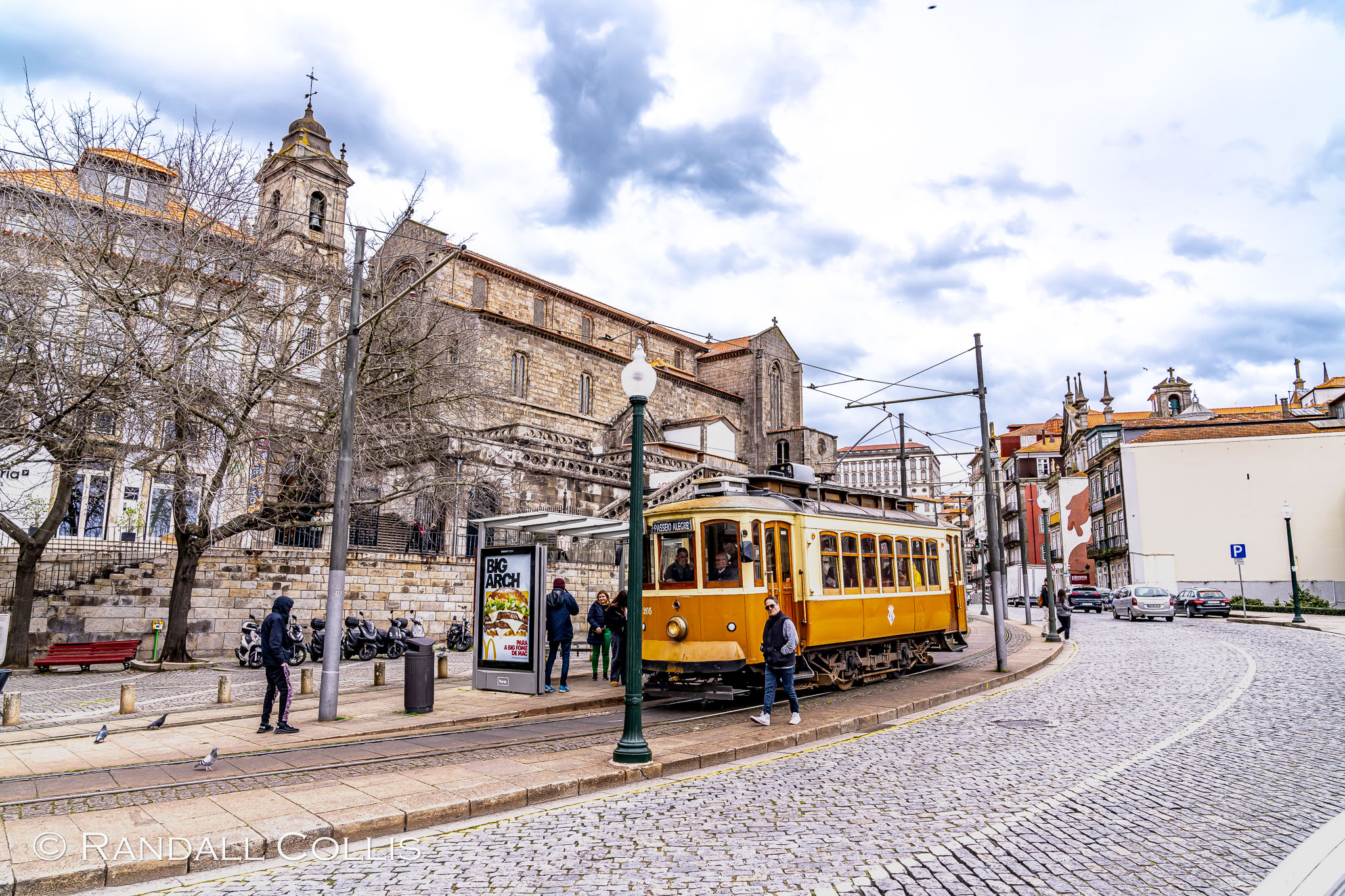
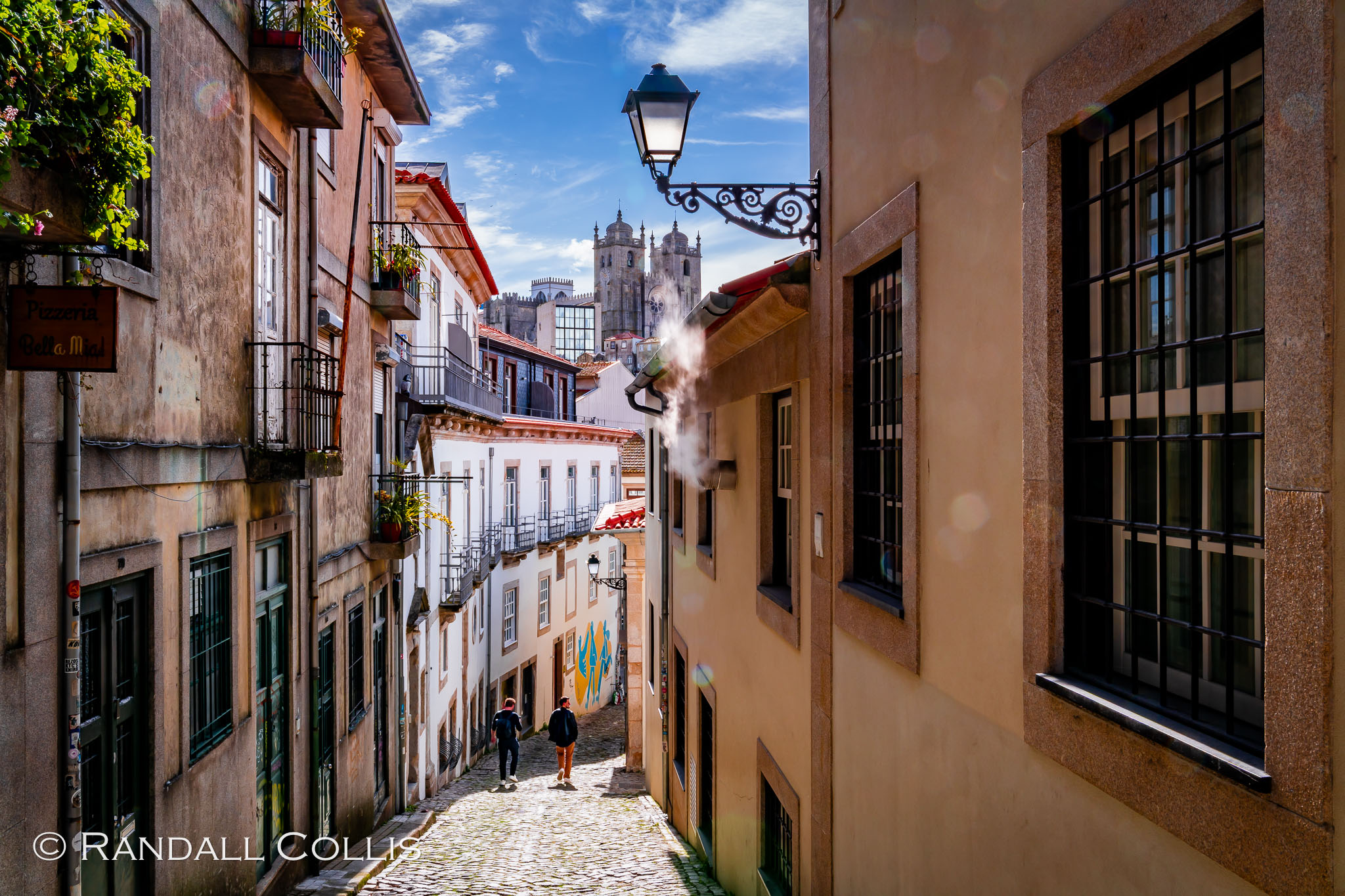
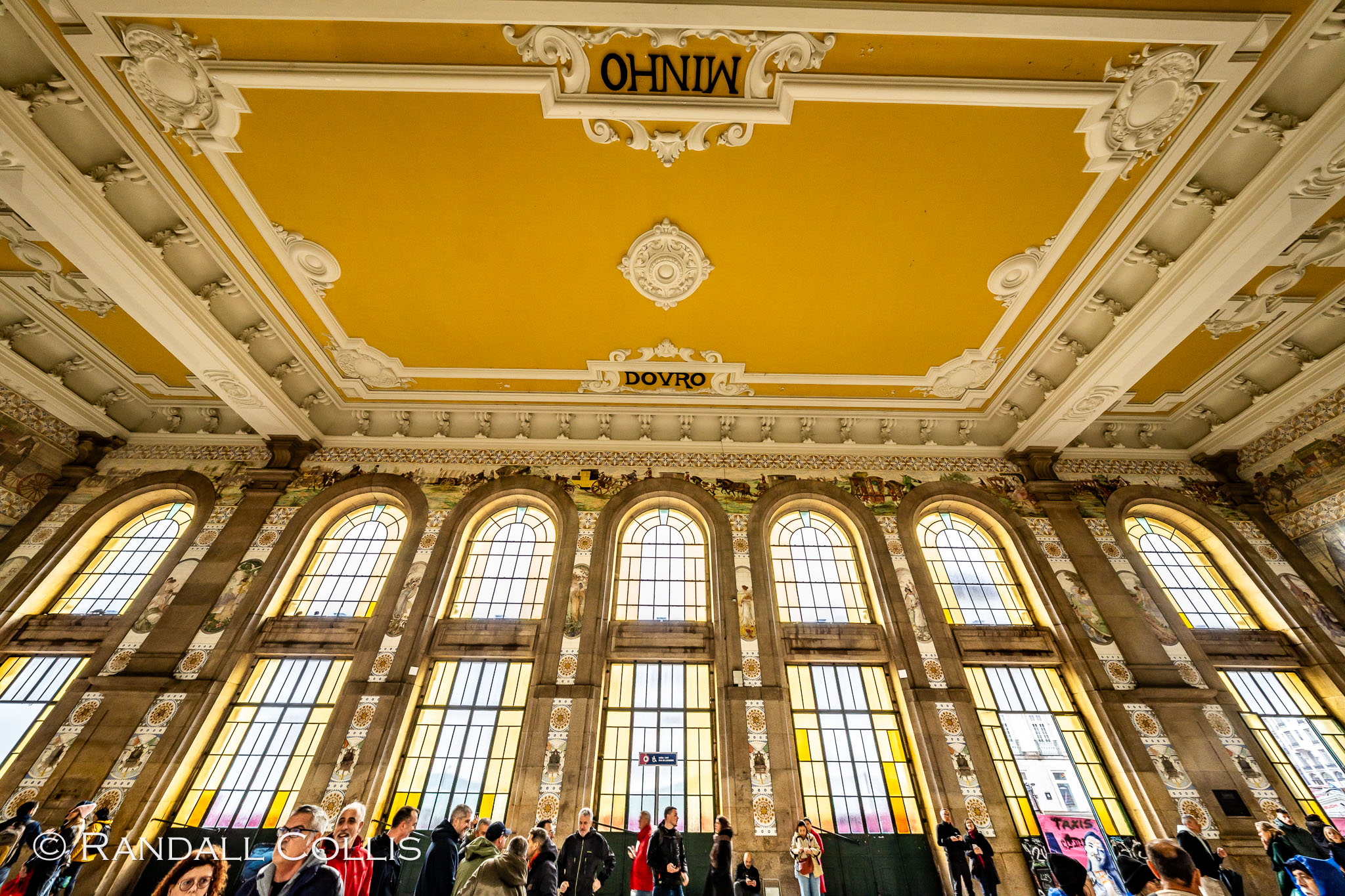
Walking through the streets of Porto, I am struck by the locals’ immediate warmth and easy-going spirit. The mood is uplifting. Even among other tourists, we have all let our guard down, enjoying the smiles and humor the day brings. It’s a sharing of spirit I’ve missed. No judgments, just acceptance. A feeling that’s becoming rarer around the world. A sense of community.
Arendt often wrote about this clear and present danger—our tendency to accept and adopt judgments without thinking. This is how evil’s banality flourishes and gradually emerges as the new normal.
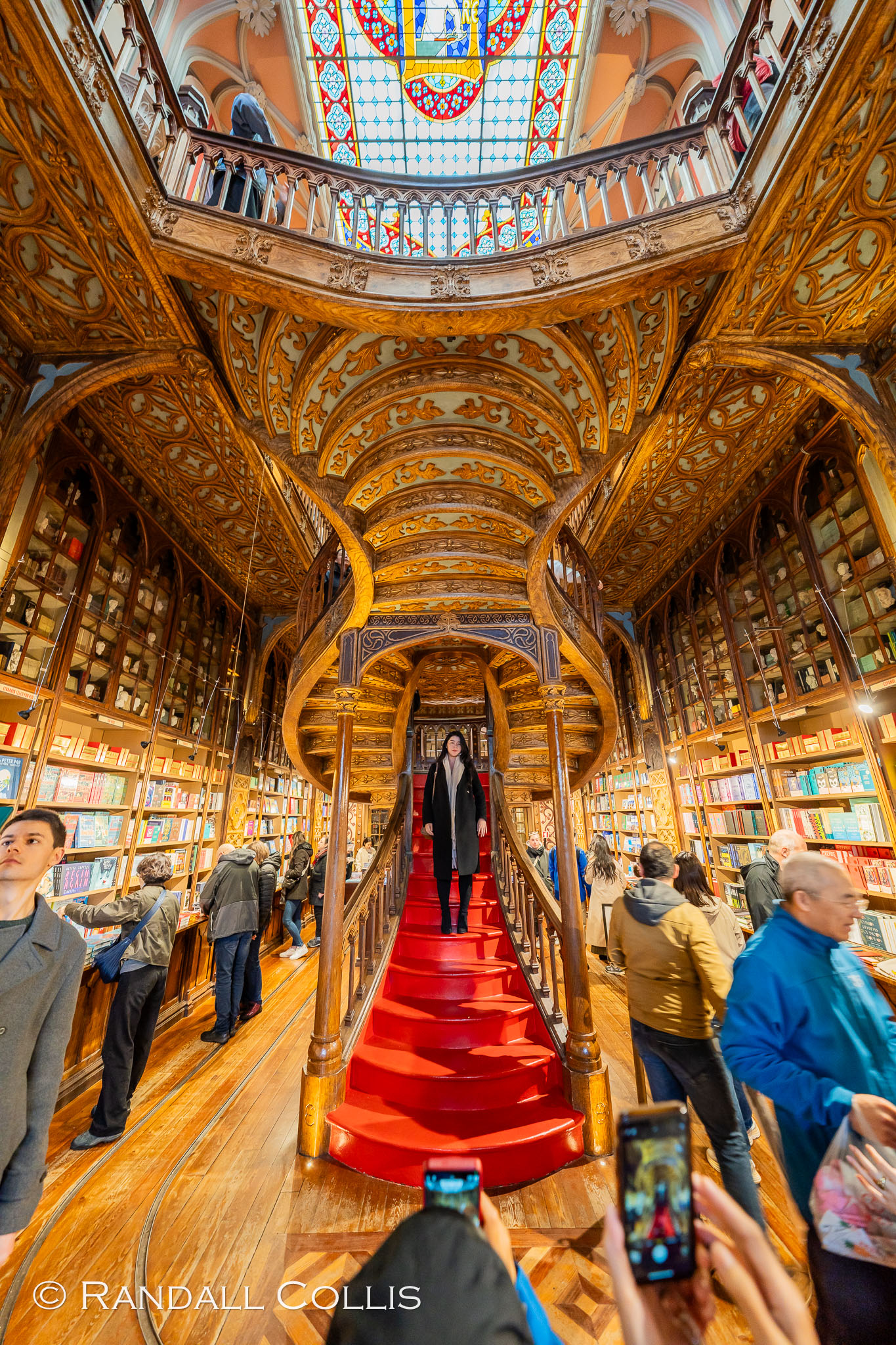
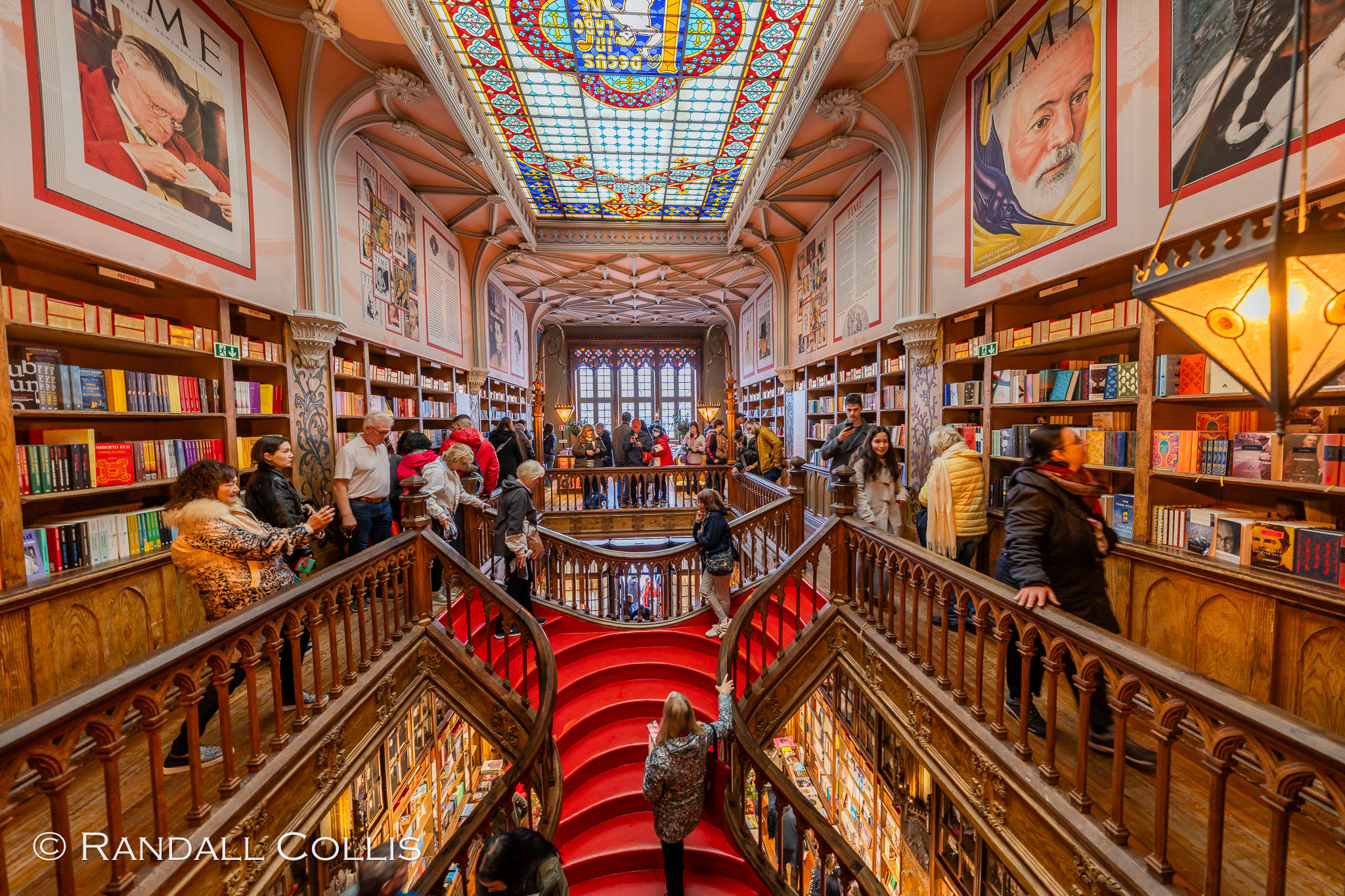
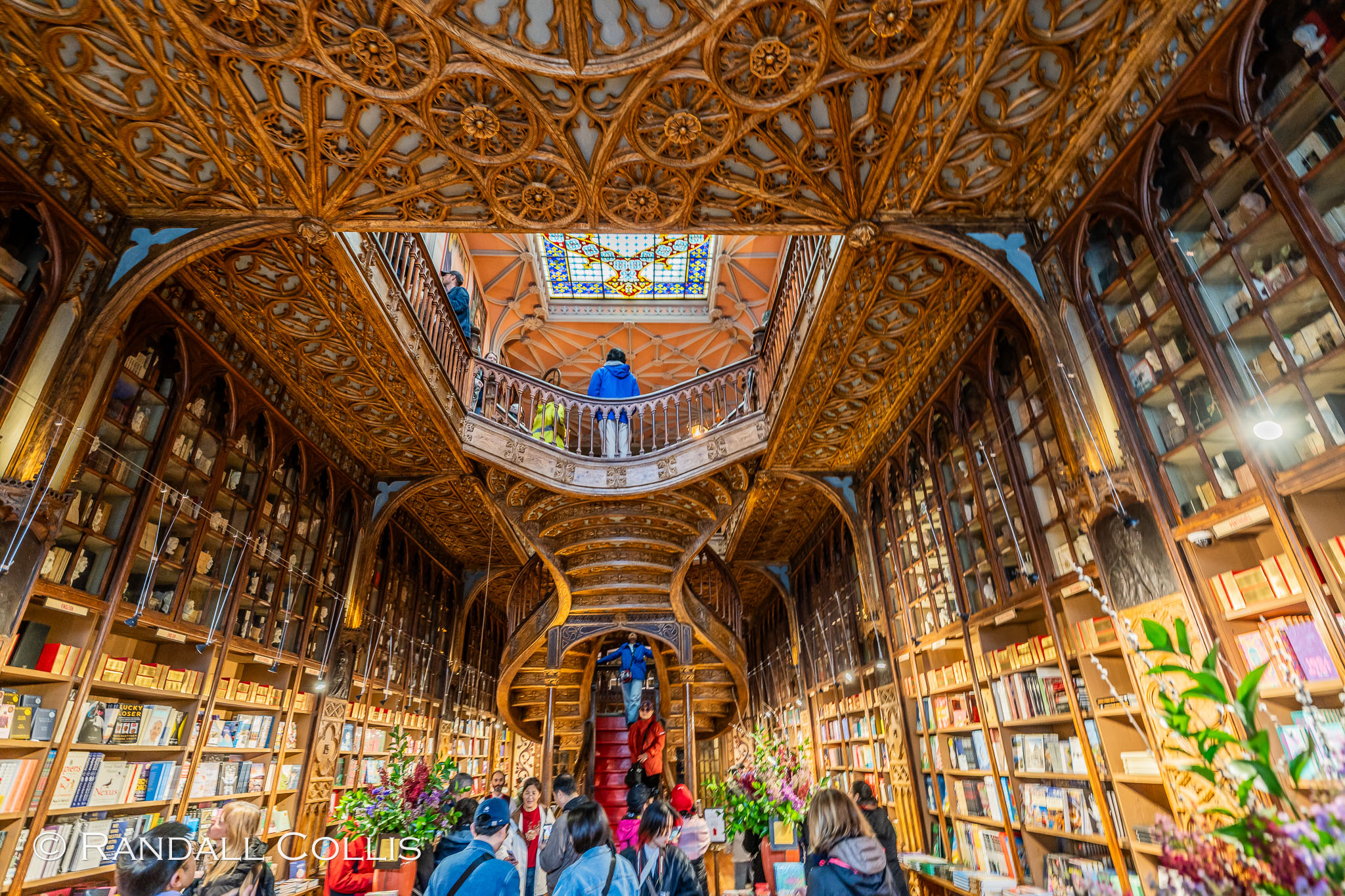
With Arendt on my mind, I meander through one of the more interesting bookstores I’ve ever visited (Livraria Lello). I read the words of a Romanian-born American writer, Elie Weisel, on display.
“The opposite of love is not hate, it’s indifference. The opposite of art is not ugliness, it’s indifference. The opposite of faith is not heresy, it’s indifference. And the opposite of life is not death, it’s indifference.”
~ U.S. News and World Report 27 October 1986
It reminds me of his speech in December 1986 upon receiving the Nobel Peace Prize. His wise words still ring true today: “Take sides. Neutrality helps the oppressor, never the victim. Silence encourages the tormentor, never the tormented.”

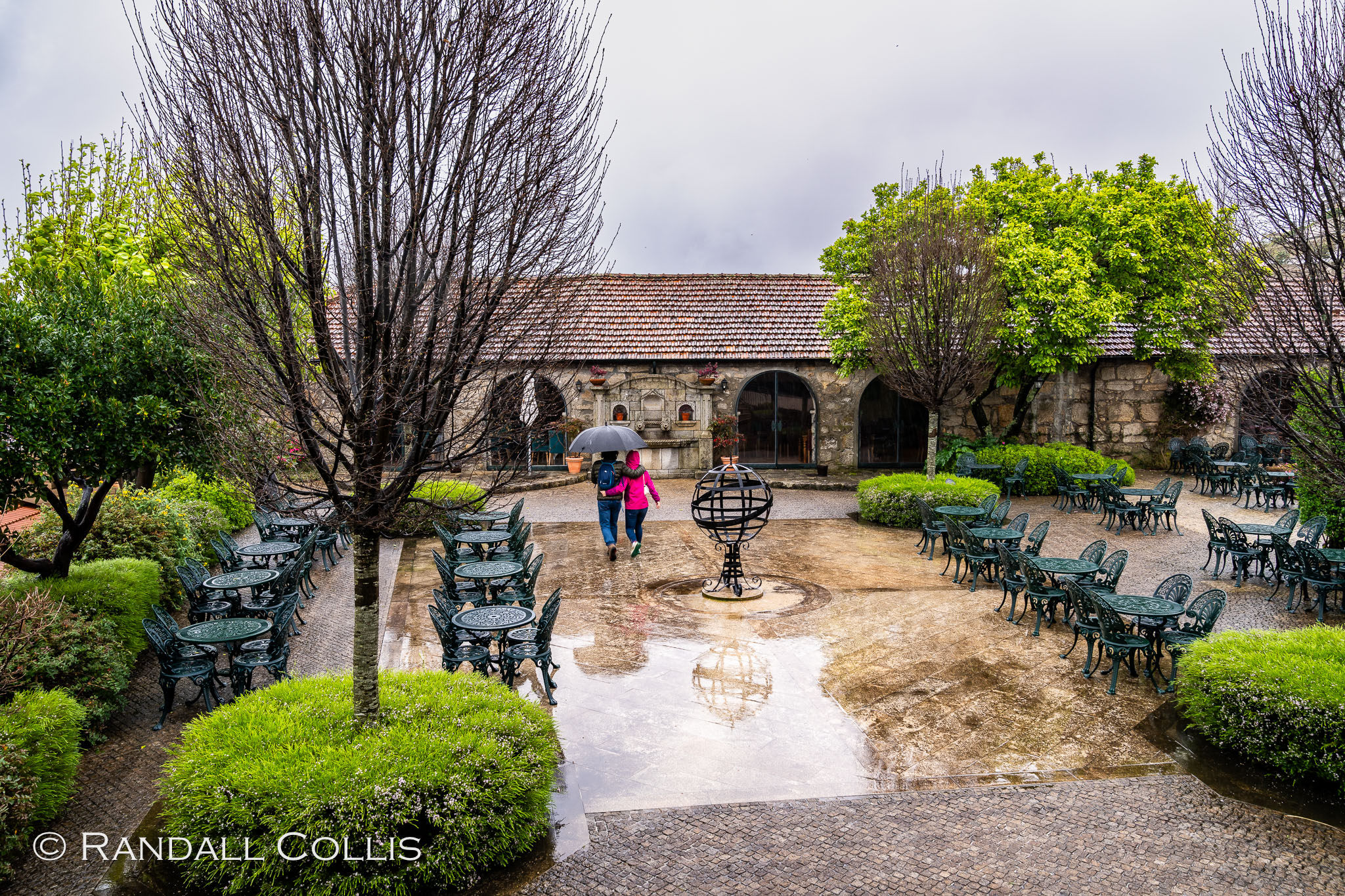
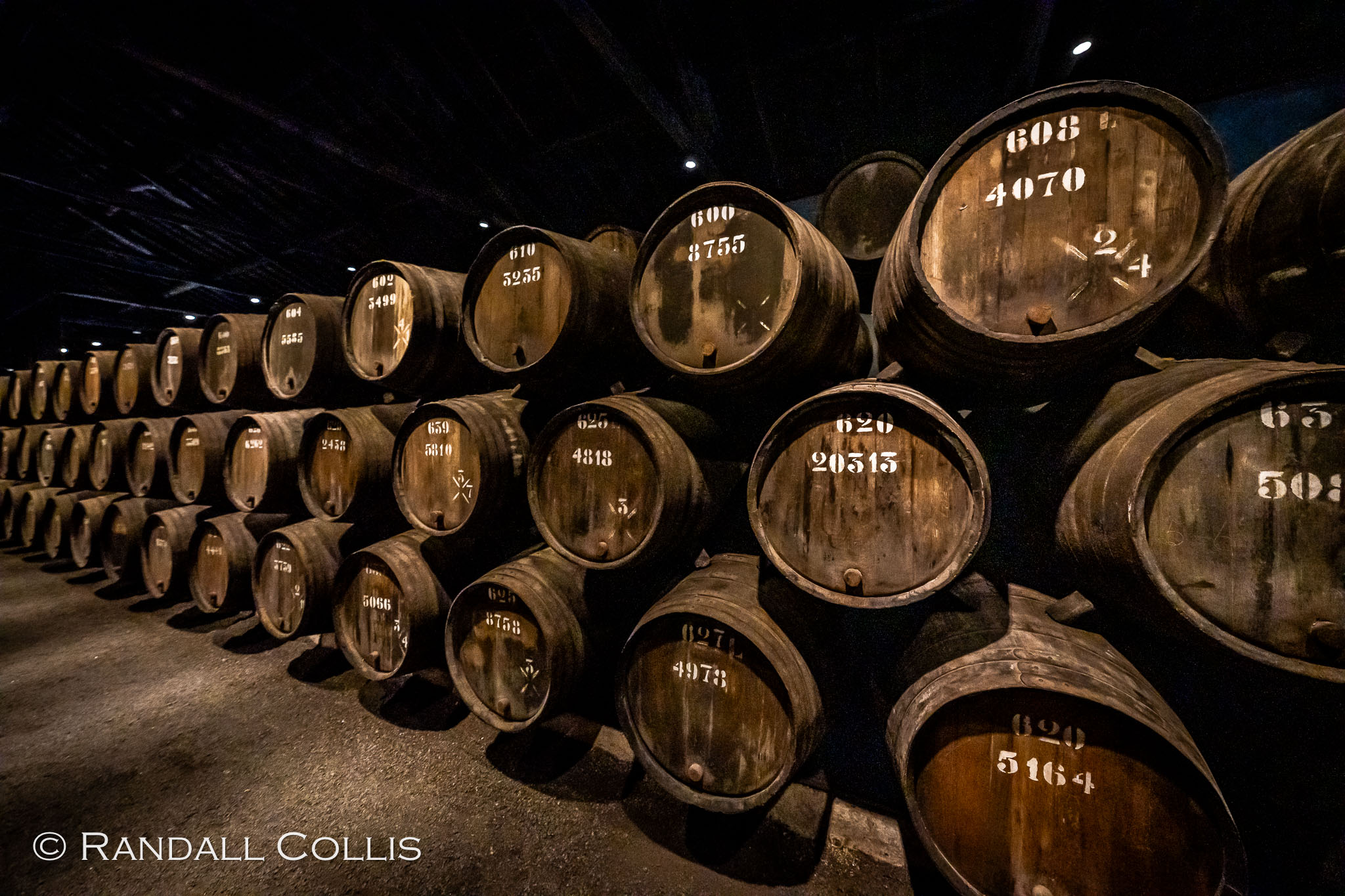
Speak an honest truth. Be sympathetic. Be courageous. Think. Lessons I’ve learned during my sojourn here in Porto.
Back in my room, a glass of Taylor’s Vintage Port in hand and the latest world news reverberating around the town, I confirm that the banality of evil is alive and well in the 21st Century.
On a large scale, Putin’s aggressive invasion of Ukraine by Russia, as well as another world leader’s open threats on neighboring countries. On a small scale, the deportation of Kilmar Abrego-Garcia under the Alien Enemies Act of 1798, where people at the U.S. immigration “mindlessly following orders” make a deadly deportation mistake.
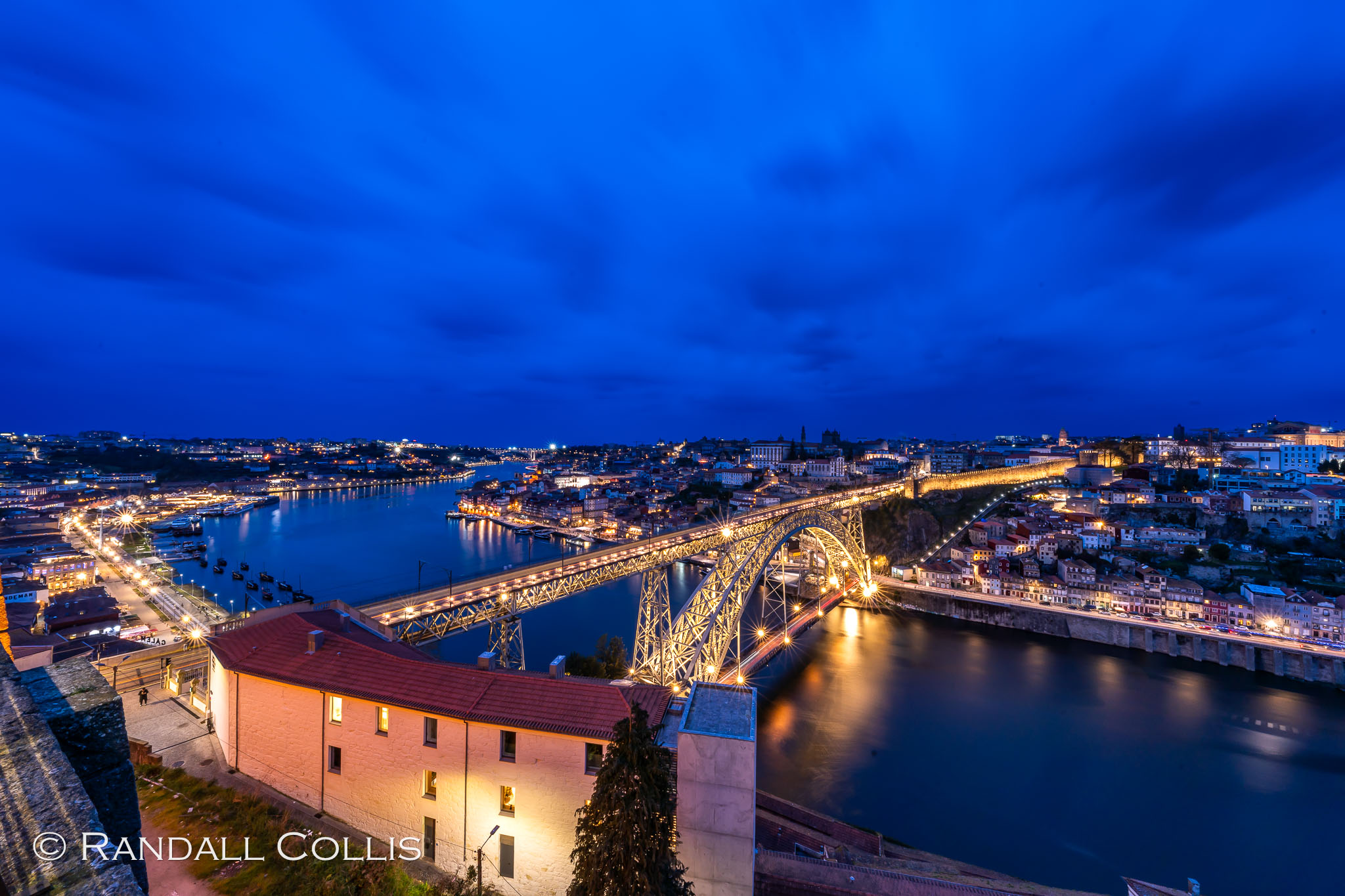

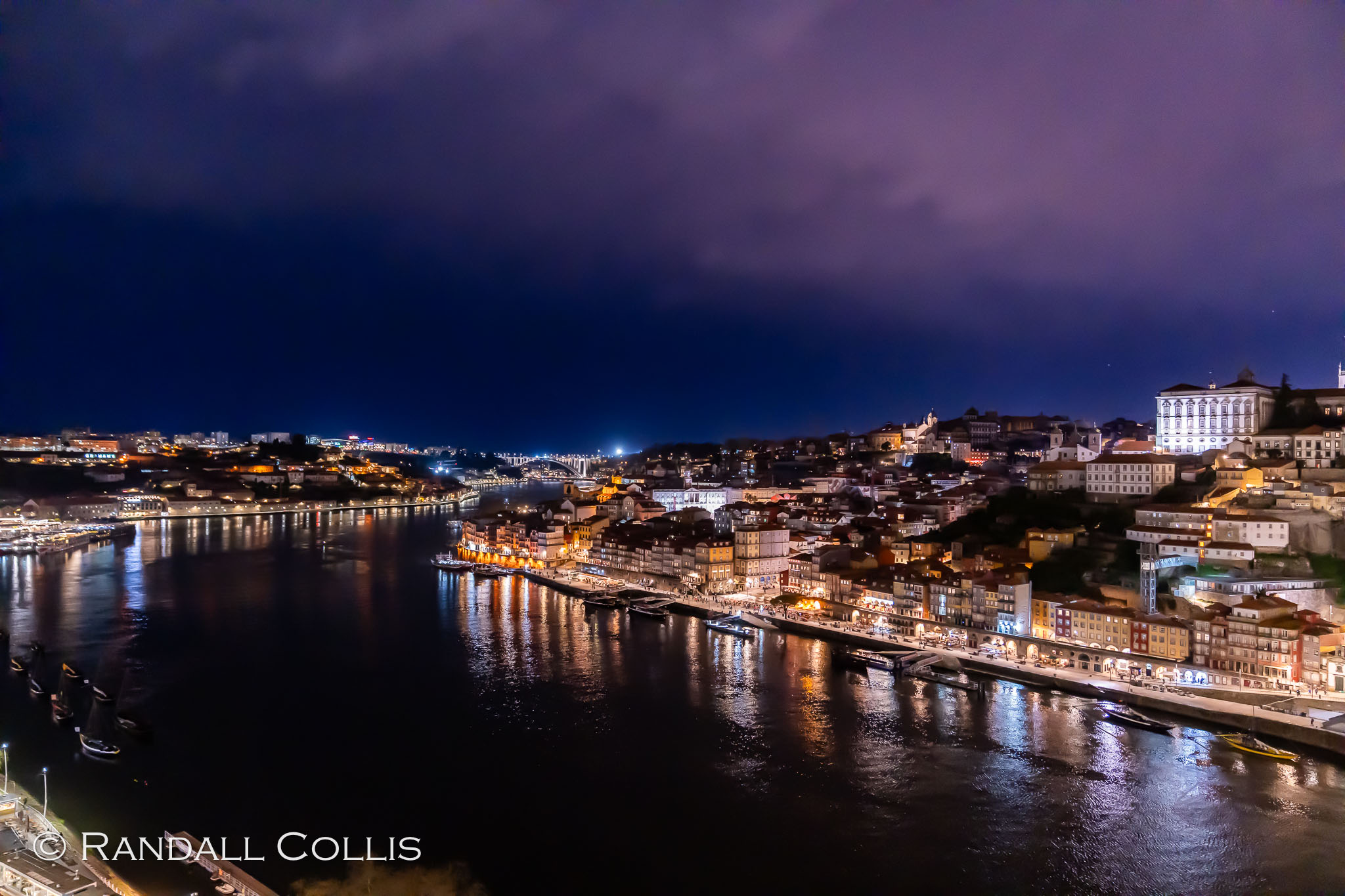
Podcast icon Joe Rogan responded powerfully and simply to the U.S. administration’s statement that it has no interest in returning Abrego-Garcia: “It’s horrific. It’s horrific…” and most of the world agrees.
Yet, not all is lost. The words of three Americans have shined this past week, epitomizing the critical thinking we need to move away from the banality of evil and inspire optimism.
- Joe Rogan: “Measure twice, cut once.”
- The late John Lewis: “Get in good trouble, necessary trouble.”
- Corey Booker: “Let’s get in good trouble.”
Yes, while we may be subject to the influences of power, we can also be the spark of resistance—bullies are insecure and back down when people stand up in defiance.
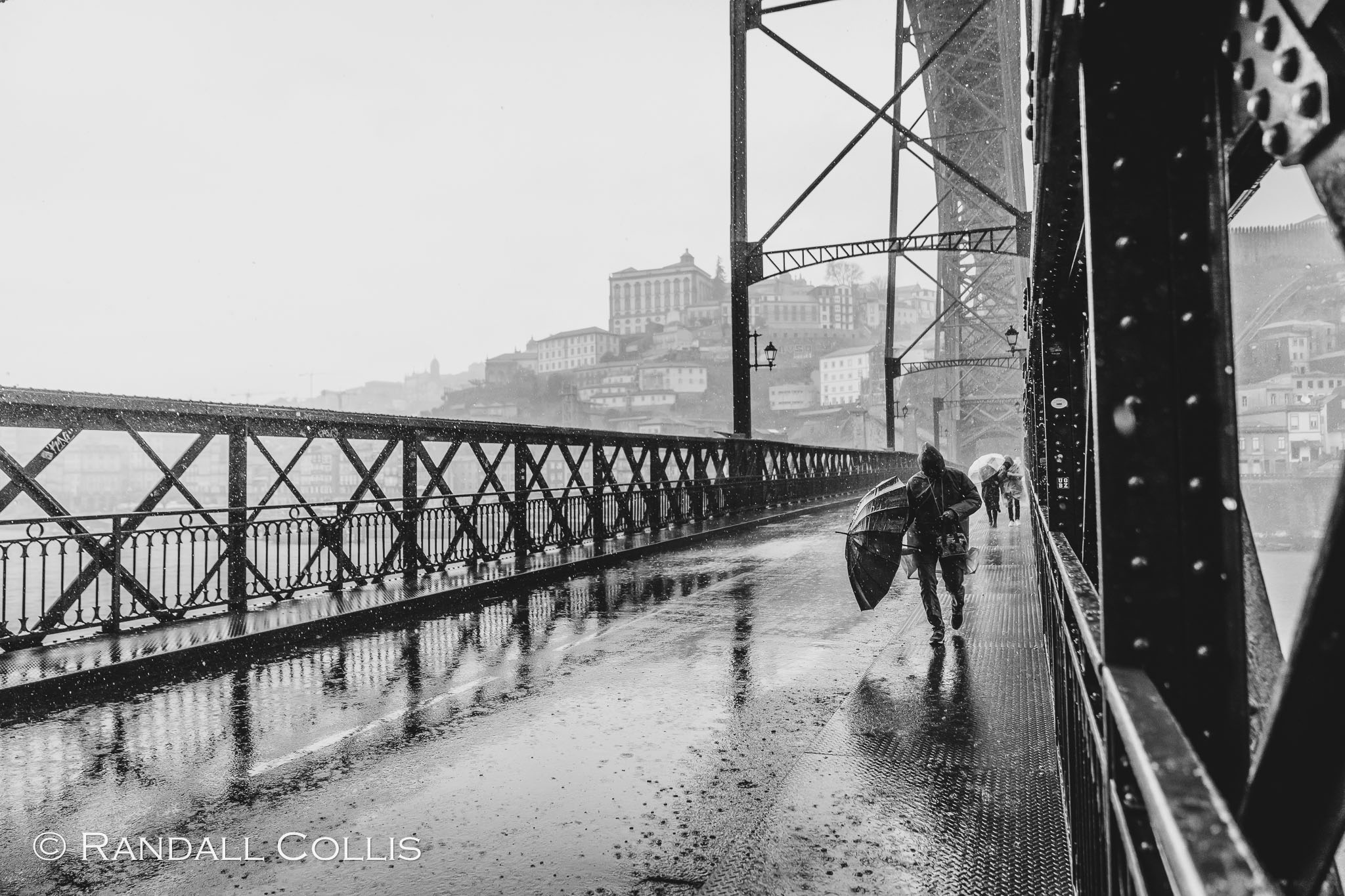
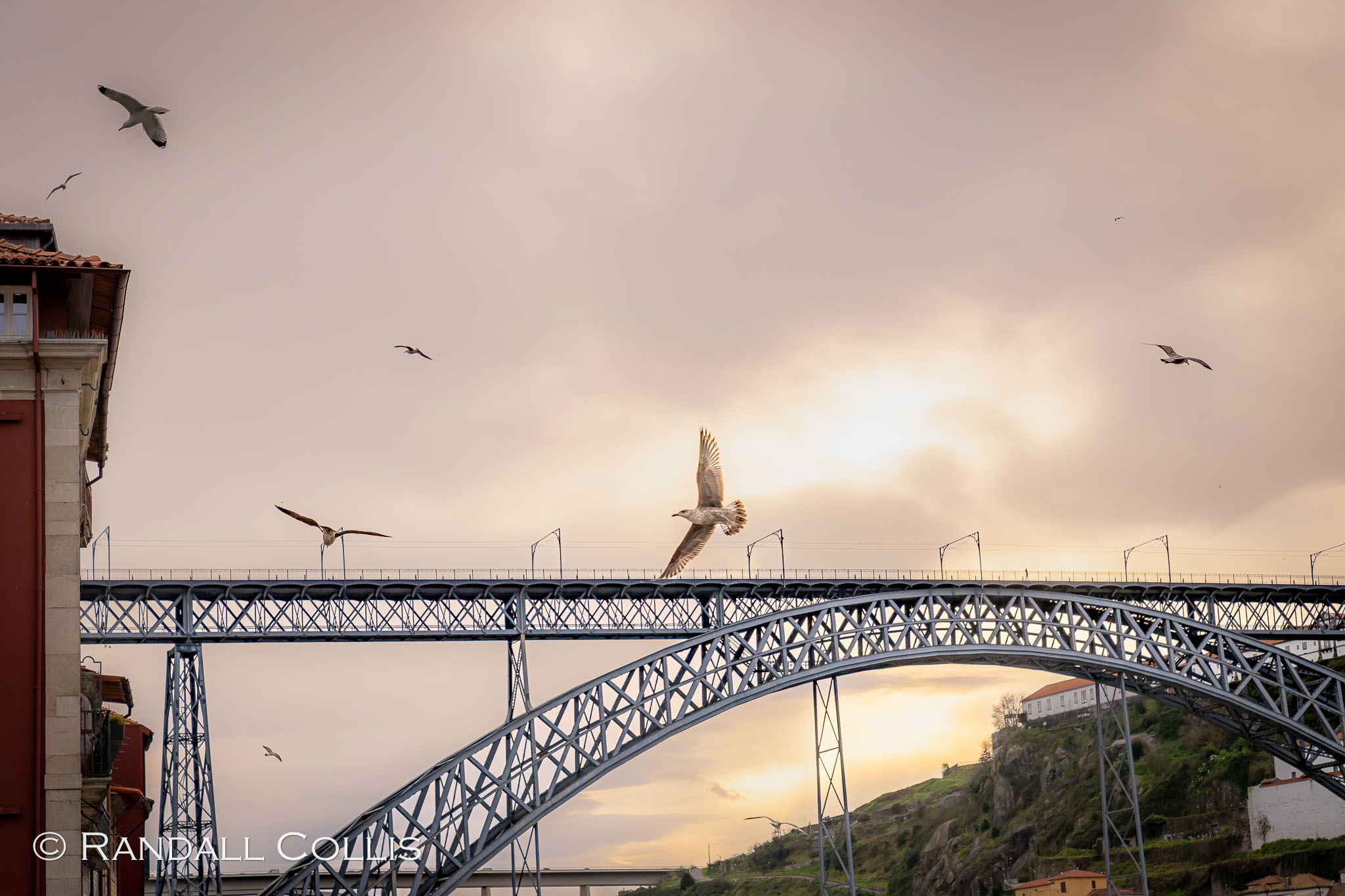
She looks outside; the wind of change still sweeping over the city, and the day goes from bad to worse. “I know, just like the truth, the sun will shine again,” she smiles.
I deftly swipe through my music catalog and find the song we need. The soft whistling of the opening flows with whistling winds … and I reflect on the good in the world.
“Where the children of tomorrow dream away, in the Wind of Change…”
Children’s dreams of tomorrow dissipate in the wind of change today… yet there is a compassionate, fighting spirit within us all to keep those dreams alive.


 Global Sojourns: Photography & Philosophy
Leave a reply to Gail Perry Cancel reply