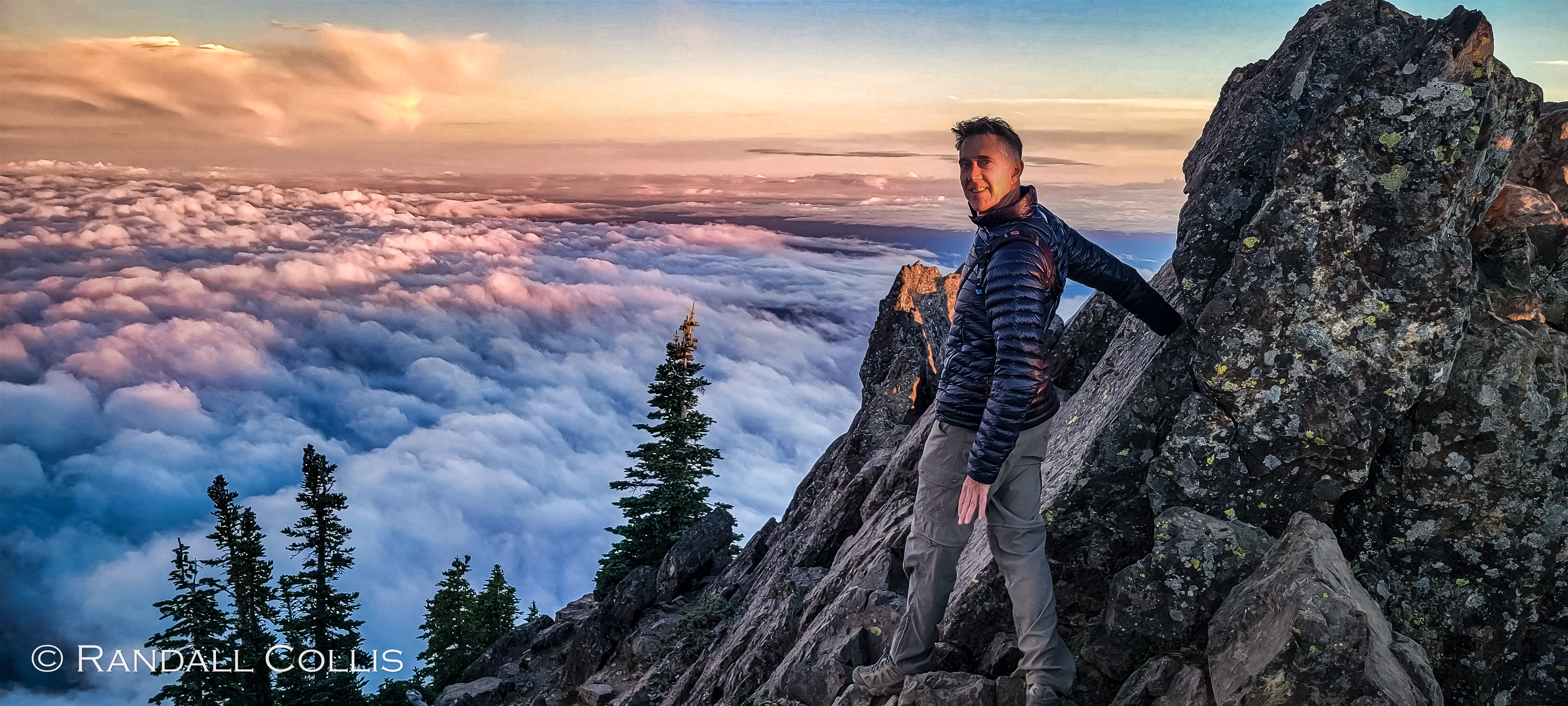


Through ‘bending of light’, an artist is able to create unique, emotional and stunning photographs. Unfortunately, light also is the most destructive force as well, as I have an endless supply of photographs with blown-out highlights or underexposed noise (aways sad news after a shoot, but good to learn from those mistakes). I have learned that while the scene may look beautiful, if the lighting is flat and harsh, it is more difficult (if not impossible) for the camera to capture all the beauty we see.
Light is the piece of magic that fuels photography, and there is no better time to ‘bend the light’ to your imagination than the bewitching hours of photography:
- The golden hour (roughly the hour after sunrise and the hour before sunset)
- The blue hour (the hour before dawn and after sunset).
During these hours, the artist’s creativity flourishes as the lighting provides a window of opportunities. The artist is allowed to dream, and if everything flows together, the results can be spectacular.

The blue hour is the topic today, mainly because I found out that historically the ‘blue hour’ meant the time between 3:00pm and 6:00pm where the pubs in England, Wales and Scotland by law had to close their doors. Very sad for photographers, as in the summer those are the hours when light is often at its worst (harsh and flat), and to enjoy some spirits during that time would help the creative process prior to the magical shooting hours…
Why I am attracted to ‘dawn and dusk’ is simple: great blue hour lighting is rarer than great golden hour lighting. The photographer needs to pay more attention to both exposure and the subject at this time, more than at any other time during the day. A great sunset alone is worth a photo without regard for any specific subject other than the light. However, once you get into the blue hour, having a nice subject to help accentuate the wonderful light is needed.

The above shot at MaWan is perhaps 15 minutes after the official ‘Blue Hour’, but the glow of dusk to the right made this an interesting shot, so sometimes it is worthwhile shooting deeper into twilight.

Another reason I enjoy the blue hour so much, is from an explanation I received about the electricity of dawn from a photographer in Hokkaido, Japan. She poetically said: “Dawn is the time where the air is freshest and the electricity of all our dreams we had during the night are there for us to see, like frost resting on the trees along the Setsari River (Tsurui, Hokkaido). And it is at dawn when our dreams sparkle in hope that today will be the day when the dreamer claims them…instead of once again being tossed aside. This makes the moment before dawn so special.”

As a photographer, we have the opportunity to shoot and record such scenes…to keep the dreams alive. I also really liked her description, kind of a reminder that each day is a time to start anew, to look beyond at what the day can and will be. The above shot was taken in the fleeting moments of dawn with the sun ready to breakout in the bitterly cold, grey morning on the Setsari River with red-crowned cranes.
The blue “hour” is a bit of a myth, as the length of time varies greatly, but on average there is about 30+ minutes of great shooting. The website: http://www.bluehoursite.com is an excellent tool to use for planning your shoot. Once you have your time worked out, then choose an area that has interesting subjects: landscapes and cityscapes work well and also think creatively with some soft light for portraits shots; a bit more difficult due to slower shutter speeds but results can be interesting.

The fisherman shot above was f/4 and hand-held. Jacked up the ISO a bit and shot wide-open, but overall the results turned out OK.
Probably a good idea to also think ahead about “How to Shoot Blue Hour”, a worthwhile topic and I have been fortunate to shoot with other photographers who like to pass their wisdom on to others. The piece of advice I have always received: checkout the landscape, the time of year and weather because each day the available light will be different and so your exposures and shooting plans may change.
With limited lighting, it is important to determine how the slower shutter speed is going to affect the shot. Camera shake is the first issue, so a tripod is needed. If there is any motion in the scene, consider that it will result in blurring, and then try to make that an interesting part of the shot.
For the Blue Hour, generally I shoot at f/11 or higher as I want that great depth of field and detail, and by stopping down I am better able to achieve that ‘starburst’ quality with distant lights that can create just a little more intrigue within the shot. However, it can also be fun to shoot wide open, especially with great foreground activity, and being wide-open gives greater stability and allows you better opportunities to hand-hold your shots.


Getting the exposure correct during Blue Hour is a bit more complicated as well, so fire some quick shots and check your histogram. For Blue Hour, I use both spot and center-weight metering, depending on the shot, and will meter off the darkest point of my composition that I want to bring out. Checking the histogram (even if you bracket, which I often do) should result in technically better photos.
If I am shooting any landscape, I bracket my shots (3-7, depending on lighting conditions), so I have the option of layering my photos in Adobe or running my files through the HDR program Photomatix, which captures the details of the shadows without blowing out those bright points of light that make the scene so attractive.
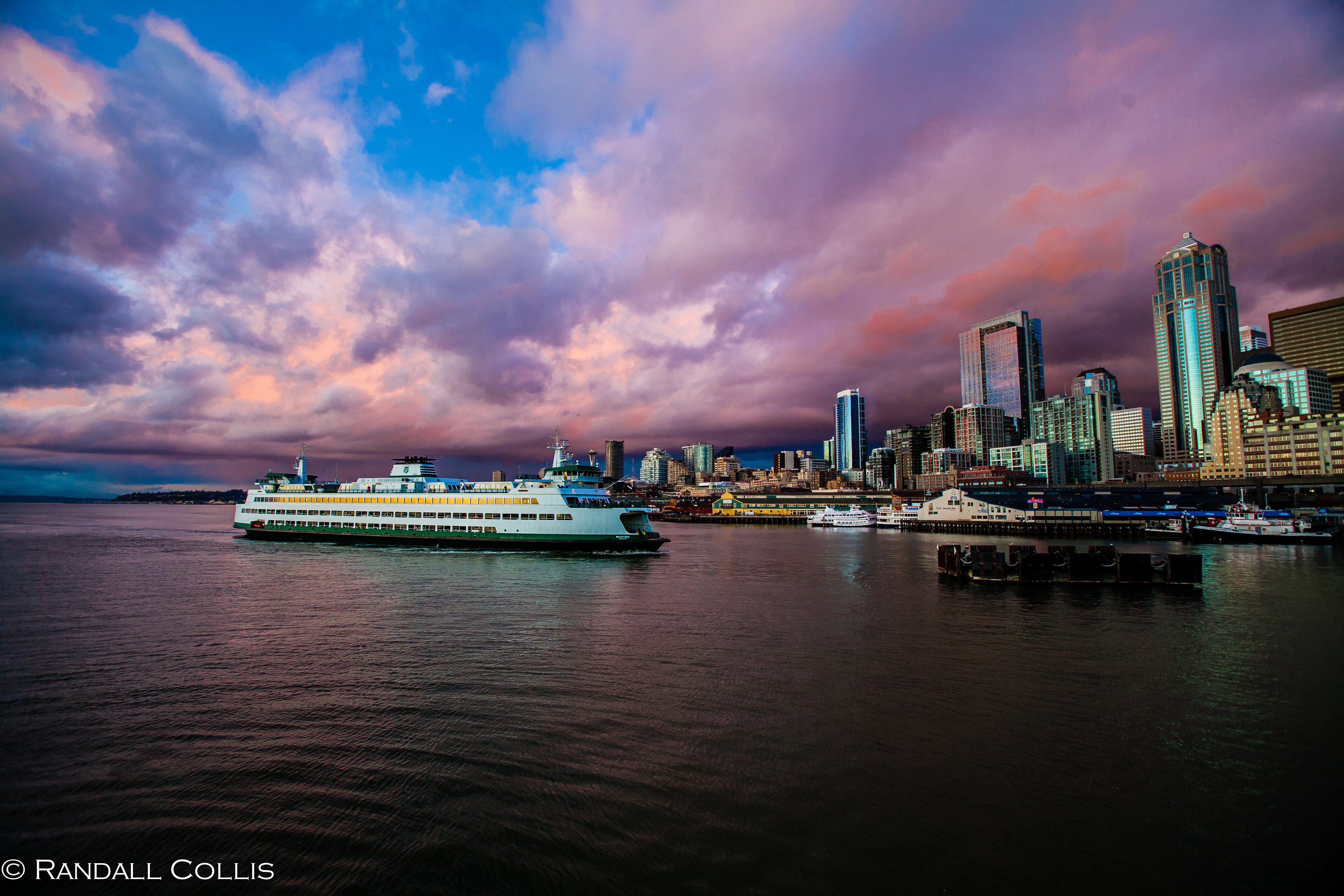
For choice of lens, it is a personal preference but a fast wide-angle lens is one I use predominately, both to capture the “total essence and ambiance” of the scene…and when the camera is off my tripod, a quicker lens allows me to shoot crisper shots during the light-deprived Blue Hour, such as the above shot of a ferry, on a ferry heading to Hood Canal.
Blue Hour shooting is fantastic, as it also serves as a good warm up to shooting a sunrise and a warm down from shooting a sunset. Either way, you are going to learn a lot more about both photography and the area around you. Creative lighting situation always can be little challenging (I have walked away from many shoots with nothing to show), but there is always something new and interesting to gain.

Related articles
- Capturing Fall Colors (shutterfly.com)
- Blue Hour (efratadenny.com)


 Global Sojourns: Photography & Philosophy
Leave a reply to dalo2013 Cancel reply